

A poignant classic masterpiece. Recommended classical music.


Introducing heartrending classical pieces in one go!
Even when we say “heartrending classical music,” the moods and styles vary widely.
This time, we’ve picked out a range of moving masterpieces—from piano and violin works to miniatures, chamber music, concertos, and orchestral pieces.
Alongside the classics, we’ve lined up a wide selection that includes lesser-known, more obscure works that even avid classical listeners might not immediately recognize.
Whether you’re just getting into classical music or already deeply immersed, there’s plenty to enjoy—so please relax and read to the end!
- [Masterpiece Classics] A special showcase of gem-like masterpieces so beautiful they’ll move you to tears
- Timelessly beautiful classical masterpieces. Recommended classical music.
- [Violin] A curated selection of beloved classic masterpieces and popular pieces that continue to be cherished across eras
- Compilation of Sad BGM You've Heard Somewhere [Famous]
- Cello Masterpieces: A comprehensive introduction to exquisite classical works that let you savor its profound timbre
- Brahms's masterpieces. Popular classical music.
- Piano × Dark Pieces: Classic Masterworks to Sink Deep into Sorrow
- Cool classical masterpieces. Recommended classical music.
- Masterpieces of classical piano that are too beautiful for words. A gathering of delicate tones that cleanse the soul.
- Recommended classical masterpieces for autumn
- Classical Masterpieces: Recommended Works You Should Hear at Least Once
- Popular classical piano pieces. A collection of masterful performances by Japanese pianists.
- Classic masterpieces recommended for women
Heart-wrenching classics: Recommended classical music (61–70)
Songs Without Words, Book II, Op. 30: No. 6, Venetian Boat Song No. 2Felix Mendelssohn

This piece is filled with the charm of Felix Mendelssohn, the great master of the early German Romantic era.
Born in February 1809, Mendelssohn displayed his talent from a young age.
This work is one of his hallmark Songs Without Words, depicting scenes of Venice through music.
Within its gentle 6/8 meter, it skillfully conveys the quiet sway of a gondola and the occasional surges of emotion.
The calm accompaniment in the left hand and the memorable melodic line in the right leave a deep resonance in the listener’s heart.
Though tranquil, the piece carries a touch of poignancy, making it a soul-stirring work you’ll want to listen to alone on a quiet night.
Swan of TuonelaJean Sibelius

The Swan of Tuonela is the second piece in the symphonic poem set Lemminkäinen Suite (Four Legends).
This piece depicts the image of a swan swimming on the River Tuonela in the story, and throughout the entire work the English horn performs the swan’s sad and beautiful melody.
Symphony No. 9 “From the New World,” Second MovementAntonín Dvořák

Symphony No.
9 “From the New World” is a representative work from the American period of the Czech composer Dvořák.
The subtitle “From the New World” reflects that Dvořák composed it while thinking of his homeland, Bohemia, from America.
The theme played by the English horn is very famous and has been given lyrics and arranged into songs such as “Going Home” and “Far Away on the Distant Mountain at Sunset,” which are beloved.
Second Movement from the ‘Concierto de Aranjuez’Joaquín Rodrigo

Rodrigo, the great Spanish composer.
This is a famous guitar piece that is still frequently performed at concerts today.
The oboe and violin passages that appear between the guitar sections are also captivating, and while the piece feels grand, the resonance of the guitar truly strikes the heart.
Kol NidreMax Bruch

It is a concertante work for cello and orchestra composed by Bruch.
In writing the piece, Bruch drew on Jewish music, using two melodies: the liturgical chant Kol Nidre, sung on Jewish holy days, and the lament “Ah, Weep for Them.” He had a broad interest in various folk musics and incorporated them into his works; Bruch himself was Protestant and is said not to have intended to compose Jewish music.
Song Collection of 14, No. 14: VocaliseSergei Rachmaninov
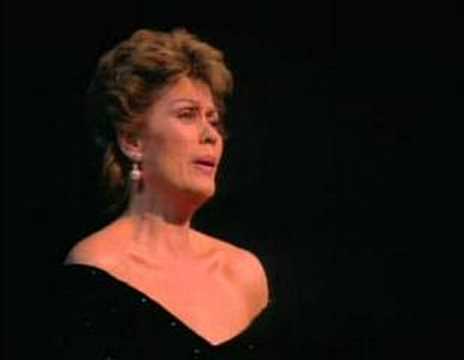
Vocalise is a singing technique used mainly for vocal exercises, in which one sings only vowels such as “ah,” and this Rachmaninoff piece also has no lyrics.
It was originally written for solo voice and piano accompaniment, but the composer later created an orchestral version himself.
There are many arrangements, including a solo piano version and duet versions for a solo instrument such as cello or violin with piano accompaniment.
In arranged versions, the piece is often transposed to E minor.
Seaside at Dusk, H.128: No. 3 “The Stormy Seashore”Bohuslav Martinů

This piece depicts waves breaking on a seaside at dusk and the sweep of a blustery wind through deft piano arpeggios.
Composed by Bohuslav Martinů in 1921, it is a short work for solo piano included on the album “Evening on the Sea-shore, H.128 and 3 other pieces.” Within its richly resonant, impressionistic colors, a classical framework—the rondo form—breathes, creating a striking dialogue between nature painting and structural elegance.
Its dynamic development evokes the subtitle “Storm,” and the design, which regains calm after a virtuosic cadenza, leaves a strong impression.
It is a gem for anyone who, in a summertime moment, wishes to immerse themselves in piano music that is both dramatic and refreshingly cool.