

A poignant classic masterpiece. Recommended classical music.


Introducing heartrending classical pieces in one go!
Even when we say “heartrending classical music,” the moods and styles vary widely.
This time, we’ve picked out a range of moving masterpieces—from piano and violin works to miniatures, chamber music, concertos, and orchestral pieces.
Alongside the classics, we’ve lined up a wide selection that includes lesser-known, more obscure works that even avid classical listeners might not immediately recognize.
Whether you’re just getting into classical music or already deeply immersed, there’s plenty to enjoy—so please relax and read to the end!
- [Masterpiece Classics] A special showcase of gem-like masterpieces so beautiful they’ll move you to tears
- Timelessly beautiful classical masterpieces. Recommended classical music.
- [Violin] A curated selection of beloved classic masterpieces and popular pieces that continue to be cherished across eras
- Compilation of Sad BGM You've Heard Somewhere [Famous]
- Cello Masterpieces: A comprehensive introduction to exquisite classical works that let you savor its profound timbre
- Brahms's masterpieces. Popular classical music.
- Piano × Dark Pieces: Classic Masterworks to Sink Deep into Sorrow
- Cool classical masterpieces. Recommended classical music.
- Masterpieces of classical piano that are too beautiful for words. A gathering of delicate tones that cleanse the soul.
- Recommended classical masterpieces for autumn
- Classical Masterpieces: Recommended Works You Should Hear at Least Once
- Popular classical piano pieces. A collection of masterful performances by Japanese pianists.
- Classic masterpieces recommended for women
Poignant masterpieces of classical music. Recommended classical pieces (51–60)
Serenade, No. 4 from SchwanengesangFranz Peter Schubert

Swan Song is a collection of 14 songs compiled by publishers and friends after Schubert’s death.
The fourth song, Serenade, is sung over an accompaniment that evokes a mandolin, expressing feelings for a lover.
Liszt’s piano arrangement and Mertz’s guitar arrangement are also well loved.
Songs Without Words, Book II, Op. 30: No. 6, Venetian Boat Song No. 2Felix Mendelssohn

This piece is filled with the charm of Felix Mendelssohn, the great master of the early German Romantic era.
Born in February 1809, Mendelssohn displayed his talent from a young age.
This work is one of his hallmark Songs Without Words, depicting scenes of Venice through music.
Within its gentle 6/8 meter, it skillfully conveys the quiet sway of a gondola and the occasional surges of emotion.
The calm accompaniment in the left hand and the memorable melodic line in the right leave a deep resonance in the listener’s heart.
Though tranquil, the piece carries a touch of poignancy, making it a soul-stirring work you’ll want to listen to alone on a quiet night.
Concierto de Aranjuez, Second MovementJoaquín Rodrigo
The second movement is famous for its beautiful, wistful melody.
Rodrigo composed it with a wish for peace after witnessing the damage the Spanish Civil War inflicted on Aranjuez, the old capital of Spain.
It is also said that the second movement, in particular, contains prayers for his ailing wife and the child he lost.
There are arrangements in popular classical and jazz styles, and the versions with lyrics—“Aranjuez, Mon Amour” and “My Heart Sings of Aranjuez”—are also well known.
Enigma Variations ~ NimrodEdward Elgar

One of the signature works by British composer Edward Elgar—also known for “Pomp and Circumstance”—is his orchestral set of variations, the Enigma Variations.
The piece is notable for its unique origins: it was inspired by Elgar’s interactions with his friends and grew out of an improvisation.
The Ninth Variation, dedicated to deep friendship, begins with a quiet string harmony and gradually builds to a grand emotional climax that deeply moves listeners.
This solemn and beautiful melody has been cherished as music emblematic of ceremony and visual storytelling, having been performed at the 1997 funeral of Diana, Princess of Wales, and quoted in the film Dunkirk.
Its dignified, reverent tone makes it an ideal choice for focused work or as calming nighttime background music.
Heart-wrenching classics: Recommended classical music (61–70)
Nocturne No. 18 in E major, Op. 62 No. 2Frederic Chopin

A late masterpiece by Frédéric Chopin, a leading composer of the Romantic era.
Published in 1846, this work is a gem in which Chopin’s mature virtuosity and profound sensitivity are fused.
Its meditative melody, reminiscent of the stillness of night, seeps into the listener’s heart.
The piece is also interpreted as symbolizing Chopin’s acceptance of an inescapable fate; even amid its air of melancholy and resignation, its beautiful harmonies and delicate melodic lines shine.
It is a recommended work for those wishing to become acquainted with classical music or seeking music to soothe the soul.
“Spring and Autumn” from “Blizzard”Georgy Sviridov

Georgy Sviridov, a composer who represents late 20th-century Russia, remains popular today as a national figure.
In a piece that begins with a flute theme—like spring and autumn—it is crafted into a wistful work that evokes a distant, unseen homeland amid a sense of melancholy.
Symphonic Poem ‘My Homeland’ — The MoldauBedrich Smetana
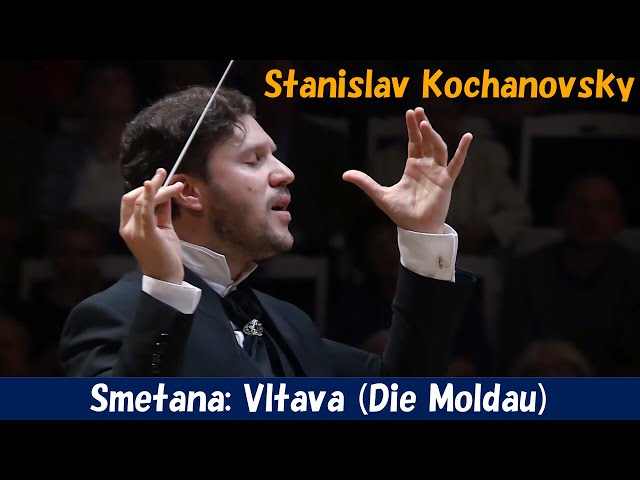
Bedřich Smetana was a Czech composer.
Because German was the dominant language at the time he composed, the piece is known by the German title “The Moldau,” but its original name is the Czech “Vltava.” It’s a very famous work—its beautiful, majestic music is even included in middle school textbooks.