

A poignant classic masterpiece. Recommended classical music.


Introducing heartrending classical pieces in one go!
Even when we say “heartrending classical music,” the moods and styles vary widely.
This time, we’ve picked out a range of moving masterpieces—from piano and violin works to miniatures, chamber music, concertos, and orchestral pieces.
Alongside the classics, we’ve lined up a wide selection that includes lesser-known, more obscure works that even avid classical listeners might not immediately recognize.
Whether you’re just getting into classical music or already deeply immersed, there’s plenty to enjoy—so please relax and read to the end!
- [Masterpiece Classics] A special showcase of gem-like masterpieces so beautiful they’ll move you to tears
- Timelessly beautiful classical masterpieces. Recommended classical music.
- [Violin] A curated selection of beloved classic masterpieces and popular pieces that continue to be cherished across eras
- Compilation of Sad BGM You've Heard Somewhere [Famous]
- Cello Masterpieces: A comprehensive introduction to exquisite classical works that let you savor its profound timbre
- Brahms's masterpieces. Popular classical music.
- Piano × Dark Pieces: Classic Masterworks to Sink Deep into Sorrow
- Cool classical masterpieces. Recommended classical music.
- Masterpieces of classical piano that are too beautiful for words. A gathering of delicate tones that cleanse the soul.
- Recommended classical masterpieces for autumn
- Classical Masterpieces: Recommended Works You Should Hear at Least Once
- Popular classical piano pieces. A collection of masterful performances by Japanese pianists.
- Classic masterpieces recommended for women
Heart-wrenching classical masterpieces. Recommended classical music (31–40)
ZigeunerweisenPablo de Sarasate

The title means “Melodies of the Gypsies (Roma),” and the piece is composed by combining several tunes from Hungarian folk songs and popular music.
The original version is for solo violin and orchestra, but it is often performed with piano accompaniment as well.
In particular, the second section, which is based on Hungarian folk songs played with a mute, exudes a sense of melancholy.
A recording performed by Sarasate himself still survives.
Symphonic Poem “Má vlast” No. 2 “Vltava (The Moldau)”Bedrich Smetana

The second piece of the symphonic poem Má vlast, Vltava (The Moldau), is the most famous of Smetana’s works.
It depicts two small streams merging into a single current that flows through forests and meadows, past the ruins of a castle, widening as it goes, and finally disappearing into a larger river.
The opening theme has become familiar in arrangements for solo song and chorus, and has also been adapted into jazz, rock, and popular music.
Air on the G StringJ.S.Bach

Johann Sebastian Bach, whose portrait was almost invariably displayed in music rooms, is regarded as a composer at the very end of the Baroque era and is highly esteemed among classical composers.
The Air on the G String is one of the six Brandenburg Concertos and is an instrumental work widely beloved in Japan.
Symphony No. 7, Second MovementAnton Bruckner

Symphony No.
7 is regarded as the first of Bruckner’s symphonies to have a successful premiere and, alongside the Fourth, is one of his most popular works.
While composing the second movement, his beloved Wagner became critically ill; Bruckner continued writing with a premonition of Wagner’s death, and when Wagner passed away, he added a coda as a “funeral music” in his honor.
Symphony No. 3, Movement IIIJohannes Brahms

The premiere performer described it as “Brahms’s ‘Hero,’” but the overall mood of the piece evokes melancholy and romance rather than struggle.
Over the timbre of the woodwinds, the cello sings a sorrowful melody.
This theme has also been used in films and, with lyrics added, has been sung as popular music.
Poignant classics: Recommended classical music (41–50)
Partita No. 2 for Solo Violin, V. ChaconneJ.S.Bach

Composed by Bach—known as the “Father of Music”—when he was 35, this work remains one of the most important solo pieces in the violin repertoire.
Among the six pieces that make up the Sonatas and Partitas for Solo Violin, the Chaconne from the Second Partita is the most famous.
Originally, a chaconne refers to a slow, triple-meter dance style of Italian origin, and in Bach’s time it was often used for variation forms that assumed improvisation, known as an ostinato bass.
In this piece as well, a short bass theme is variously ornamented, giving rise to a majestic musical world.

Piano Concerto, First MovementRobert Schumann
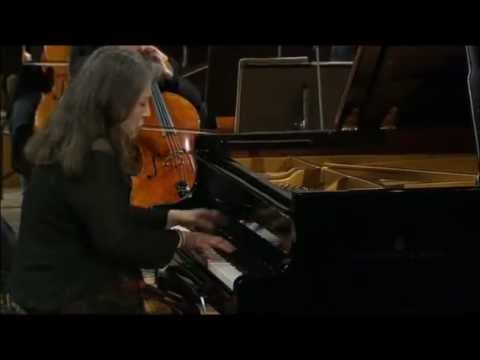
This is the only piano concerto that Schumann completed.
While he composed many piano pieces and songs, around this time he also began working on various orchestral works, including his four symphonies.
The first movement was finished first, and the second and third movements were completed four years later.
At times the piano takes on an accompanying role to the orchestra or trades melodies with it, reflecting Schumann’s approach of treating the piano as one of the orchestral instruments.