

A poignant classic masterpiece. Recommended classical music.


Introducing heartrending classical pieces in one go!
Even when we say “heartrending classical music,” the moods and styles vary widely.
This time, we’ve picked out a range of moving masterpieces—from piano and violin works to miniatures, chamber music, concertos, and orchestral pieces.
Alongside the classics, we’ve lined up a wide selection that includes lesser-known, more obscure works that even avid classical listeners might not immediately recognize.
Whether you’re just getting into classical music or already deeply immersed, there’s plenty to enjoy—so please relax and read to the end!
- [Masterpiece Classics] A special showcase of gem-like masterpieces so beautiful they’ll move you to tears
- Timelessly beautiful classical masterpieces. Recommended classical music.
- [Violin] A curated selection of beloved classic masterpieces and popular pieces that continue to be cherished across eras
- Compilation of Sad BGM You've Heard Somewhere [Famous]
- Cello Masterpieces: A comprehensive introduction to exquisite classical works that let you savor its profound timbre
- Brahms's masterpieces. Popular classical music.
- Piano × Dark Pieces: Classic Masterworks to Sink Deep into Sorrow
- Cool classical masterpieces. Recommended classical music.
- Masterpieces of classical piano that are too beautiful for words. A gathering of delicate tones that cleanse the soul.
- Recommended classical masterpieces for autumn
- Classical Masterpieces: Recommended Works You Should Hear at Least Once
- Popular classical piano pieces. A collection of masterful performances by Japanese pianists.
- Classic masterpieces recommended for women
Heart-wrenching classical masterpieces. Recommended classical music (11–20)
Nocturne No. 20 “Posthumous”Frederic Chopin

After Chopin’s death, a nocturne that was first titled “Adagio” was published; today it is known as “Lento con gran espressione” and is often referred to as a “posthumous work.” It is featured in the film The Pianist.
The middle section quotes melodies found in the 1st and 3rd movements of the Piano Concerto No.
2, and it is said to have been composed so that his sister could practice the concerto.
TraumereiRobert Schumann

Originally a piano piece, it’s also widely used in many places in versions performed on the violin.
It’s a beautifully melancholic piece that makes you want to listen to it in a quiet setting.
Schumann also wrote piano pieces for children’s study, such as the “for children” series, so be sure to check those out as well.
Etude Op. 10 No. 3 in E major “Tristesse” (Farewell Song)Frederic Chopin

The opening melody is especially famous, and surely everyone has heard it at least once.
Because this piece was used in the 1934 German film about Chopin’s life, Farewell to Spring (released in Japan as “Wakare no Kyoku,” or “Farewell Song”), it has become widely known in Japan by that title.
Around the time he composed this work, Chopin left his homeland of Poland and moved his base to Paris.
Suffused with both yearning and passion, the piece overlays the feelings of “dreaming of success in Paris” with “nostalgia for the countryside,” conveying the complex state of mind Chopin likely experienced.

Barcarolle No. 2 in F-sharp minor from Songs Without Words, Book IIFelix Mendelssohn

Felix Mendelssohn, a German composer who left behind many delicate and graceful works, is especially known for his collection of short piano pieces called Songs Without Words.
The collection is divided into eight volumes, and the melancholy melody of Venetian Boat Song No.
2 in F-sharp minor, included in the second volume, is a celebrated piece that brings tears to the eyes.
Although all 48 pieces have titles, Mendelssohn himself named only five of them.
Venetian Boat Song No.
2 in F-sharp minor is one of those and is cherished as an exceptionally beautiful and striking work among the Songs Without Words.

RequiemWolfgang Amadeus Mozart
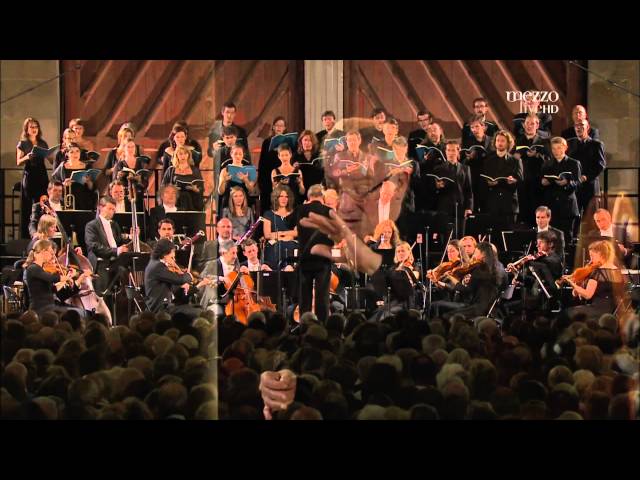
A requiem is a mass for the dead, and this piece together with those by Verdi and Fauré are known as the “Three Great Requiems.” Mozart wrote this Requiem just before his death, leaving it unfinished, and it was later completed by one of his pupils.
After his death, rumors spread that a messenger from the realm of the dead had commissioned the work and that Mozart had written it for himself, which became a hot topic at the time.
In truth, he did compose it with death close at hand, and keeping that in mind as you listen makes it all the more moving.

dreamClaude Debussy

The piano piece composed around 1890 by Claude Debussy, a master of French Impressionist music, is a masterpiece filled with a dreamlike atmosphere.
Consisting of a sweet melody over arpeggiated chords and a chorale-like middle section, its roughly four-minute duration stimulates the listener’s imagination.
Written during a period when Debussy traveled to places like Germany and Bali and absorbed diverse musical influences, it represents an important step in his musical career.
This work is recommended for those who want to become familiar with classical music or seek peace of mind.
Its gentle melodies sink into the heart, offering a sensation as if you were in a dream.
Poignant masterpieces of classical music. Recommended classical pieces (21–30)
Sorrow of LoveFritz Kreisler

This melancholic piece in triple meter was published in 1905 by Fritz Kreisler, a world-renowned Austrian violinist and composer, and is known—together with “Liebesfreud” (Joy of Love) and “Schön Rosmarin” (Beautiful Rosemary)—as part of the Old Viennese Dances.
Even beginners in classical music have probably heard these pieces at least once.
While the sheet music isn’t particularly difficult, the performance demands the player’s musical sensibility.
It’s also fun to compare different versions.