

[Masterpiece Classics] A special showcase of gem-like masterpieces so beautiful they’ll move you to tears


Masterpieces of classical music are played on TV, in movies, and in shopping malls, permeating our daily lives as background music.
There are many times when a piece that mysteriously brings you to tears turns out to be a work of classical music.
This time, from among such classical works, we’ve carefully selected timeless masterpieces under the theme “so heartbreakingly beautiful they’ll make you cry.”
Please enjoy to your heart’s content the profound sonorities unique to classical music, which combines both delicacy and boldness.
- A poignant classic masterpiece. Recommended classical music.
- Timelessly beautiful classical masterpieces. Recommended classical music.
- [Violin] A curated selection of beloved classic masterpieces and popular pieces that continue to be cherished across eras
- Cool classical masterpieces. Recommended classical music.
- Masterpieces of classical piano that are too beautiful for words. A gathering of delicate tones that cleanse the soul.
- [Orchestra] Introducing famous and popular pieces
- Popular classical piano pieces. A collection of masterful performances by Japanese pianists.
- Cello Masterpieces: A comprehensive introduction to exquisite classical works that let you savor its profound timbre
- Classical Masterpieces: Recommended Works You Should Hear at Least Once
- [Ultra-Advanced] Even challenging for advanced players! A curated selection of highly difficult piano pieces
- Gabriel Fauré | Introduction to His Famous and Representative Works
- Masterpieces for Harp: A curated selection of distinguished works featuring noble and delicate tones
- Today's Classics: Recommended classical music and great performances to listen to today
[Masterpiece Classics] A showcase of gem-like masterpieces so beautiful they’ll move you to tears (81–90)
Elegy for Piano and String OrchestraAlla Pavlova
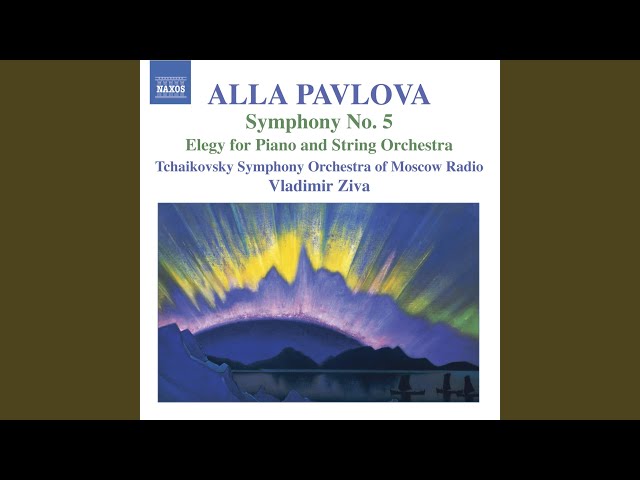
A native of Russia now residing in the United States, Alla Pavlova is a female composer renowned for the romantic quality of her music, which invariably captivates listeners.
The title “Elegy” refers to a literary or musical work that laments sorrow; in Japanese it is rendered as “hika” or “aika” (songs of lament).
The music, dramatic yet imbued with a wistful Russian melody scattered throughout, speaks directly to the audience’s hearts with its sadness and moves them to tears.
It is a piece that combines flowing lyricism with poignant anguish.

Ave MariaCamille Saint-Saëns

Camille Saint-Saëns, one of France’s most celebrated composers, was known as a prodigy—said to have mastered the piano by the age of two and begun composing at three.
He was also an organist, and his works for keyboard instruments were highly esteemed even in his own time.
Among his renowned masterpieces is this “Ave Maria.” There are many versions of Ave Maria, but Saint-Saëns’s setting is crafted with a particularly otherworldly, dreamlike quality.
Rather than evoking sorrow, it is a piece that moves listeners to tears through its beauty.

Summer MorningHeino Kasuki

This is a piano piece by the Finnish composer Heino Kaski, known as Op.
35-1 “Summer Morning.” The work features a beautifully transparent melody that seems to capture the pure air of a Nordic morning in sound.
Its delicate trills evoke the sparkle of sunlight filtering through leaves, and the gentle yet gradually broadening brightness will refresh the listener’s heart.
It has a cool, invigorating quality that makes you forget muggy heat, and it’s perfect for quietly enjoying music.
Believed to have been composed in the early 1920s, it is also included in pianist Izumi Tateno’s acclaimed album “Piano Works.”
Concertino, Op. 107Cécile Chaminade
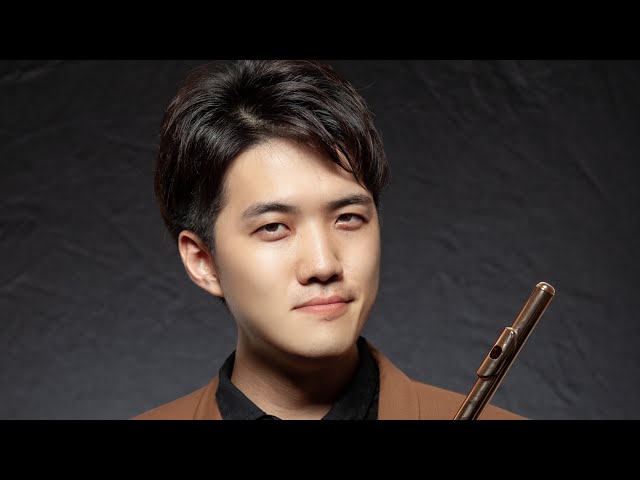
Cécile Chaminade was a French composer active from the late 19th to the early 20th century.
Her representative work for flute was written in 1902 as an examination piece for the Paris Conservatory.
This single-movement piece is characterized by ornate solo passages and is renowned as a technically demanding work, making it popular in competitions.
Symbolizing romance and passion, the piece draws out the performer’s full expressive range.
It is highly recommended for those who wish to enjoy the flute’s beautiful tone and rich expressiveness.
Joy of LoveFritz Kreisler

Here is a piece composed by the world-renowned violinist Fritz Kreisler, who was born in Vienna in 1875.
It incorporates elements of the Viennese waltz and is often performed together with his composition Liebesleid (Love’s Sorrow).
Both are famous works, so many of you have likely heard them.
It’s a piece that truly conveys the violin’s charm—something only a violinist could write—while also featuring memorable, catchy elements.
Kreisler is also known for his friendship with Sergei Rachmaninoff, and their collaborative recordings are highly recommended.
