

[Masterpiece Classics] A special showcase of gem-like masterpieces so beautiful they’ll move you to tears


Masterpieces of classical music are played on TV, in movies, and in shopping malls, permeating our daily lives as background music.
There are many times when a piece that mysteriously brings you to tears turns out to be a work of classical music.
This time, from among such classical works, we’ve carefully selected timeless masterpieces under the theme “so heartbreakingly beautiful they’ll make you cry.”
Please enjoy to your heart’s content the profound sonorities unique to classical music, which combines both delicacy and boldness.
- A poignant classic masterpiece. Recommended classical music.
- Timelessly beautiful classical masterpieces. Recommended classical music.
- [Violin] A curated selection of beloved classic masterpieces and popular pieces that continue to be cherished across eras
- Cool classical masterpieces. Recommended classical music.
- Masterpieces of classical piano that are too beautiful for words. A gathering of delicate tones that cleanse the soul.
- [Orchestra] Introducing famous and popular pieces
- Popular classical piano pieces. A collection of masterful performances by Japanese pianists.
- Cello Masterpieces: A comprehensive introduction to exquisite classical works that let you savor its profound timbre
- Classical Masterpieces: Recommended Works You Should Hear at Least Once
- [Ultra-Advanced] Even challenging for advanced players! A curated selection of highly difficult piano pieces
- Gabriel Fauré | Introduction to His Famous and Representative Works
- Masterpieces for Harp: A curated selection of distinguished works featuring noble and delicate tones
- Today's Classics: Recommended classical music and great performances to listen to today
[Masterpiece Classics] A comprehensive introduction to gem-like masterpieces so beautiful they bring you to tears (91–100)
Minuet from the opera ‘The Woman of Arles’Georges Bizet

This celebrated piece was born as part of incidental music composed in 1872 by Georges Bizet, a leading figure of French Romanticism.
Its bright, buoyant melody—evocative of the pastoral landscapes of southern France—is elegantly carried by the strings.
In the middle section, a beautiful theme for clarinet and saxophone seems to express the tender yearning of a young lover.
Cheerful rhythms infused with elements of French folk songs and dances lift the listener’s spirits with lightness and warmth.
So popular at its premiere that it received an encore, this work is highly recommended when you want to soothe the soul or spend a relaxing moment.
Nocturne No. 4 in A majorJohn Field
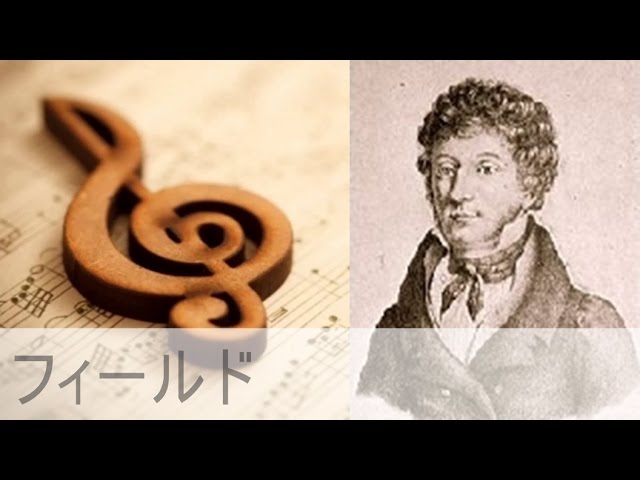
John Field, the Irish composer said to have influenced Frédéric Chopin.
He produced many masterpieces in the classical world, but perhaps his greatest achievement was the invention of the nocturne.
This Nocturne No.
4 in A major is especially notable among the nocturnes he developed for its heartrending, poignant melody.
For those unfamiliar with him, the music is so imbued with beauty and fragility that one might easily mistake it for a piece by Chopin.

Song cycle “Three Melodies,” Op. 7: No. 1, “Après un rêve”Gabriel Fauré

Gabriel Fauré, the great French composer known for his fantastical works.
Among his pieces, the one I especially recommend as a deeply moving work for classical piano is “Après un rêve,” No.
1 from the song cycle Three Mélodies, Op.
7.
Although this piece is often performed as a cello solo, it also possesses a profound, wistful allure as a piano work.
Each version has its own appeal, so try comparing different arrangements—voice and piano, cello solo, and piano solo.
Melancholy FP 105Francis Poulenc

Composed in 1940 by the French composer Francis Poulenc, this piano piece is a masterpiece in which poignancy and beauty are exquisitely balanced.
Created in wartime France, it interweaves nostalgia and hope.
Its hallmarks include melodies reminiscent of Ravel and Chopin, and hand movements that create a wave-like effect.
Reflecting Poulenc’s delicate sensibility and the spirit of its era, this is a deeply moving work that lingers in the heart.
It is a classic recommended for those who wish to listen alone on a quiet night or for music lovers seeking a profound emotional experience.
Waltz No. 10Frederic Chopin

Waltz No.
10 in B minor, Op.
69 No.
2 by Frédéric Chopin evokes a sensation as if your chest is tightly gripped by its wistful, lingering melody.
Said to have been composed when Chopin was around 19, it is a piece marked by a simple structure and unadorned, memorable themes.
While the main subject is steeped in sorrow, the middle section warms into a gentle, happy atmosphere, as though reminiscing about joyful days gone by.
Yet that respite is brief, and we are drawn back into a deep sadness.
Consider listening to it when you want to dwell in melancholy or slowly work through your grief.
