

[For Seniors] Practical Crafts to Make in Day-Service Recreation: Idea Roundup


At day service craft activities, there are times when participants make items to take home.
I imagine many people display them at home, too.
This time, we’re sharing craft ideas for older adults that you can make and actually use!
We’ve gathered practical crafts you can keep using after you make them, as well as stylish pieces that look great on display.
Simply changing the origami patterns or the types of beads and ribbons can create a completely different feel, so have fun using these ideas as inspiration.
- For Seniors: Simple and Lovely Crafts – A Collection of Take-Home Project Ideas for Day Service
- [For Seniors] Small craft ideas: for yourself and as gifts!
- [For Seniors] Recommended for day services! Simple and cute small craft ideas
- [For Seniors] A Collection of Craft Ideas Using Paper Cups
- Take-Home Craft Ideas for Winter: Perfect for Day Services for Seniors
- For Seniors: Come, Spring! Recommended March Craft Ideas for Daycare Services
- [For Seniors] Simple Handicrafts Recommended for Finger Exercise
- [For Seniors] Recycle Everyday Materials: A Collection of Flyer Craft Ideas
- [For Seniors] Have Fun Making Things Based on Today’s Mood! Today’s Recommended Craft
- [Day Service] Craft Ideas for Seniors to Make in October
- [For Seniors] Easy Construction Paper Crafts Activity
- [For Seniors] Easy and Fun! Tsumami Zaiku Craft Ideas
- [For Seniors] Color Your Care Facility’s Spring: Wall Decoration Ideas
[For Seniors] Practical Crafts to Make in Day-Service Recreation: Ideas Summary (61–70)
Washi Underwater Flowers

Let’s try making underwater flowers using washi paper and oil.
First, make flowers with washi paper and wire.
Thread the washi onto the wire, using the wire as the stem.
Then simply place color sand and the flowers you made into a bottle and pour in oil—that’s it.
They look cute as decorations and make great gifts, too.

Pen holder with large capacity
@tamtam_art_and_craft tempat pensil dari sedotan #diy#kerajinantangan#idekreatif#handmade#recycledcrafts#strawcraft
♬ La La La – Sped Up Version – Naughty Boy & Sam Smith
A recommendation for those who keep diaries or love drawing! Here’s an idea for a pen holder that can store a lot.
Do you keep a daily journal or enjoy sketching as a hobby? This practical item is perfect for you.
Let’s make a pen holder out of drinking straws that can hold various types of pens.
You’ll need a paper cup, scissors, straws in your favorite colors, a hot glue gun, cardboard, and some decorative materials.
It looks like it’ll be useful not only for pens but also for storing small items!
A small container that opens wide
@quniee_handmade #FiestaNaSaTikTok#handmade#DIY#turorial#viral#kids#craft#tiktok2023#straws#crearive#funnyvideos#kidsdiy#storagebox
♬ Fun Fun Fun Fun Fun Fun – Parry Gripp
I want to keep my precious items safely stored! Here’s an idea for a small container that pops open.
It’s perfect for anyone who wants a lidded trinket box or wants to try a handmade craft using straws.
You’ll need straws in your favorite colors, scissors, a glue gun or adhesive, and wire.
In the video, it’s finished in rainbow colors, but choosing monochrome or natural tones might help it blend into your interior decor.
The time you spend planning color combinations could also be a nice bit of stimulation for your brain.
Basket made with a milk carton and a straw
@happyhobbycraft #How to make craft using straw#craft straw #straw stงานประดิษฐ์จากหลอดพลาสติก #กล่องอเนกประสงค์จากหลอดพลาสติก#Thailand
♬ School Day Full – GentleJammers
Let’s have fun expressing an original world! Here are ideas for a basket made from a milk carton and straws.
These are straw basket ideas perfect for summer.
In the video, blue and white straws are attached to a milk carton to create a cool, refreshing look.
It’s also unique how the straws are cut to make fish swimming in the sea and seaweed.
Incorporating detailed work like this can help with fine motor skills, too.
It would be fun to come up with autumn, winter, and spring versions to match the seasons!
A basket made by braiding
@rindiy2024 สานตะกร้าจากหลอดพลาสติก DIY Weaved Basket from Plastic Straws. #diy#craft#weave#basket#Straws#สานตะกร้า#หลอดพลาสติก
♬ เสียงต้นฉบับ – Rin DIY – Rin DIY
Recommended for those who like to focus on hands-on work! Here are some ideas for woven baskets you can make by braiding.
In recent years, stores have offered a wide variety of straw colors, making color selection part of the fun with these woven basket projects! The finished result looks so good you might not believe it’s made from straws—and you may even want to give it as a gift.
You’ll need supplies like two different colors of straws, tape, scissors, and so on.
You can also customize the basket size by changing the color combinations and the length of the straws!
Brick-style coaster
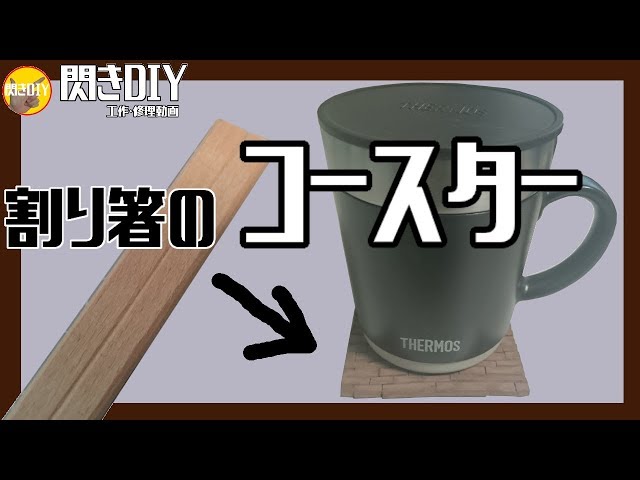
Here’s an introduction to brick-style coasters made with disposable chopsticks.
Cut the chopsticks into 1-centimeter pieces.
Since cutting them can be a bit tricky, it might be better to prepare the pieces in advance.
Stick the cut pieces onto a cork sheet with adhesive on one side, arranging them to look like bricks.
Once you’ve laid them out in a brick pattern, color them and let them dry—that’s it.
You can go for a brick-like color scheme, or use your favorite colors for a charming finish.
It’s great to have a handmade coaster to set your drinks on.

Trick Savings Box
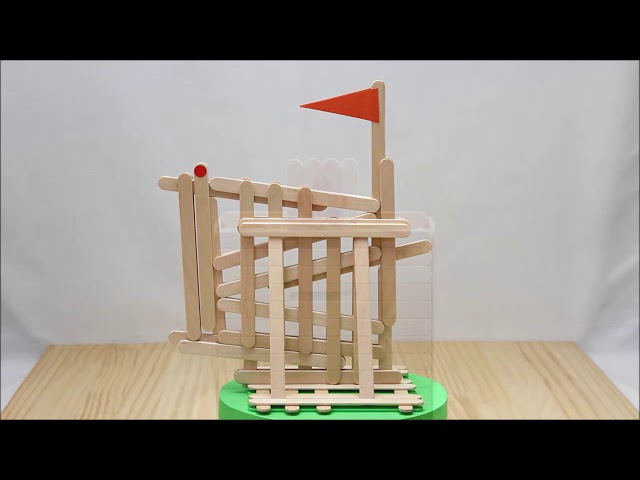
These trick piggy banks are fun to look at, but the real delight is the moment you put the money in.
Each one is simple to make, yet highly functional and full of playful charm.
The bank with the red flag lets you enjoy watching the coin spin as it goes in.
On the one with the flower illustration, lifting the door at the top sends the coin sliding inside like it’s on a slide.
There’s also a bank where the coin rolls down along a wall made from ice cream sticks.
They’re all wonderfully appealing, so be sure to try making them yourself!
