

A quiz that seems easy but is actually hard: trick questions that make you think flexibly


That “simple yet difficult” quality is what makes trick quizzes unique, isn’t it? If you loosen up your thinking you can solve them, but fixed ideas get in the way and it’s hard to reach the right answer.
Quizzes that hide alternative uses of everyday words or play on our assumptions become more enjoyable the more you think about them.
In this article, we’ll guide you into the world of trick quizzes that will make you exclaim, “I see!” Give it a try with a flexible mindset!
- Genius if you can solve it? Super-difficult Quiz Collection
- Do you get tripped up too? A fun roundup of 10-time quiz questions
- [Trick Quiz] Quiz Questions That Excite Everyone from Kids to Adults
- [Logic Quiz] Flexible Thinking and Creativity Are Key! From Classics to Tough Challenges, All in One Go
- [Battle of Wits] Stimulate your intellectual curiosity! Quiz questions that get adults excited
- Hard to get right on the first try! A quiz you’re guaranteed to get tripped up by.
- [Genius if you can solve it?] Insight and intuition: a challenging IQ quiz
- [Brain Training] Difficult Riddles That Even Adults Struggle With
- Recommended for kids! A collection of challenging riddles. Difficult questions that make you think.
- Let's Think Outside the Box! A Collection of Challenging Riddles for Kids
- [Challenging] General Knowledge Quiz Compilation: Difficult and Interesting Multiple-Choice Questions (3 Options)
- [Interesting] A collection of brain teaser quiz questions. Let's train your brain!
- A math quiz for adults. Can you solve it?
Trick Quiz Collection Enjoyable for Children and Adults (11–20)
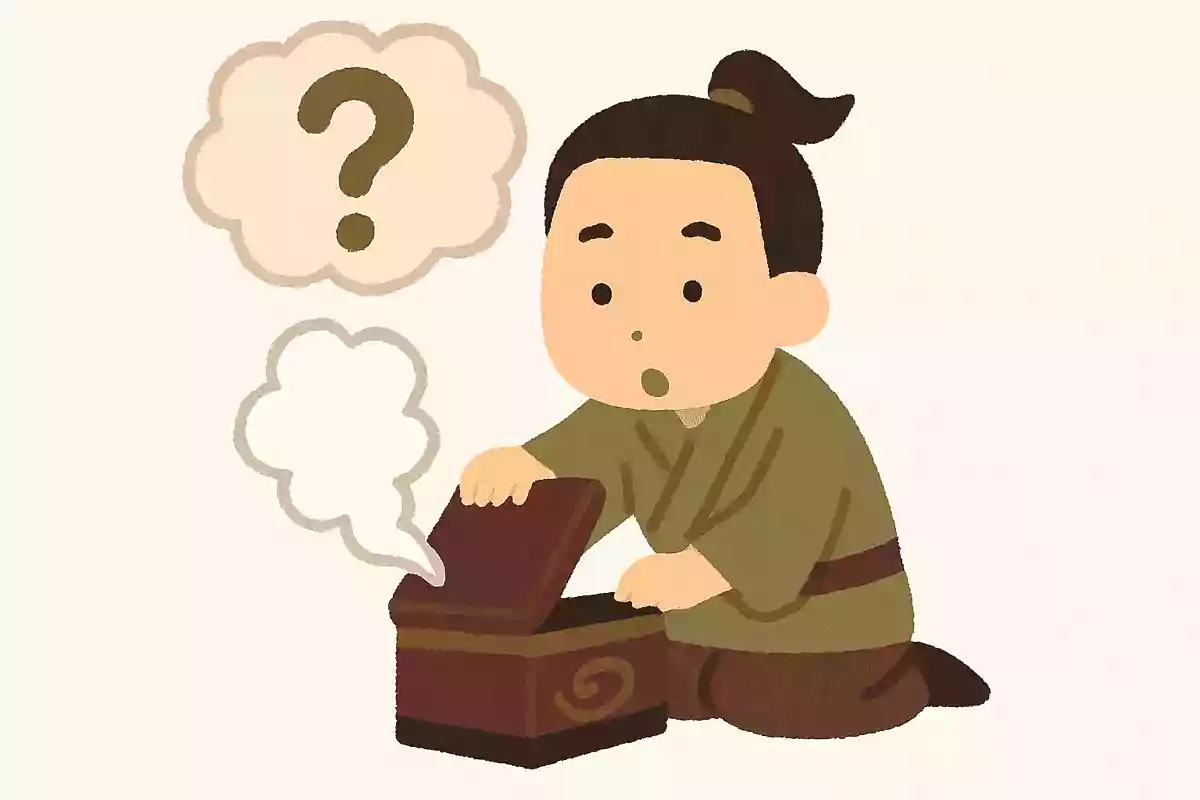
Why did Urashima Tarō open the tamatebako (jeweled box)?
See the answer
hand
If you interpret 「何で」 as nande or doushite (why), you might never find an answer. But if you read 「何で」 as nani de (with what), you can arrive at the answer: the “hand” (te)! Pay attention to how the kanji is read.
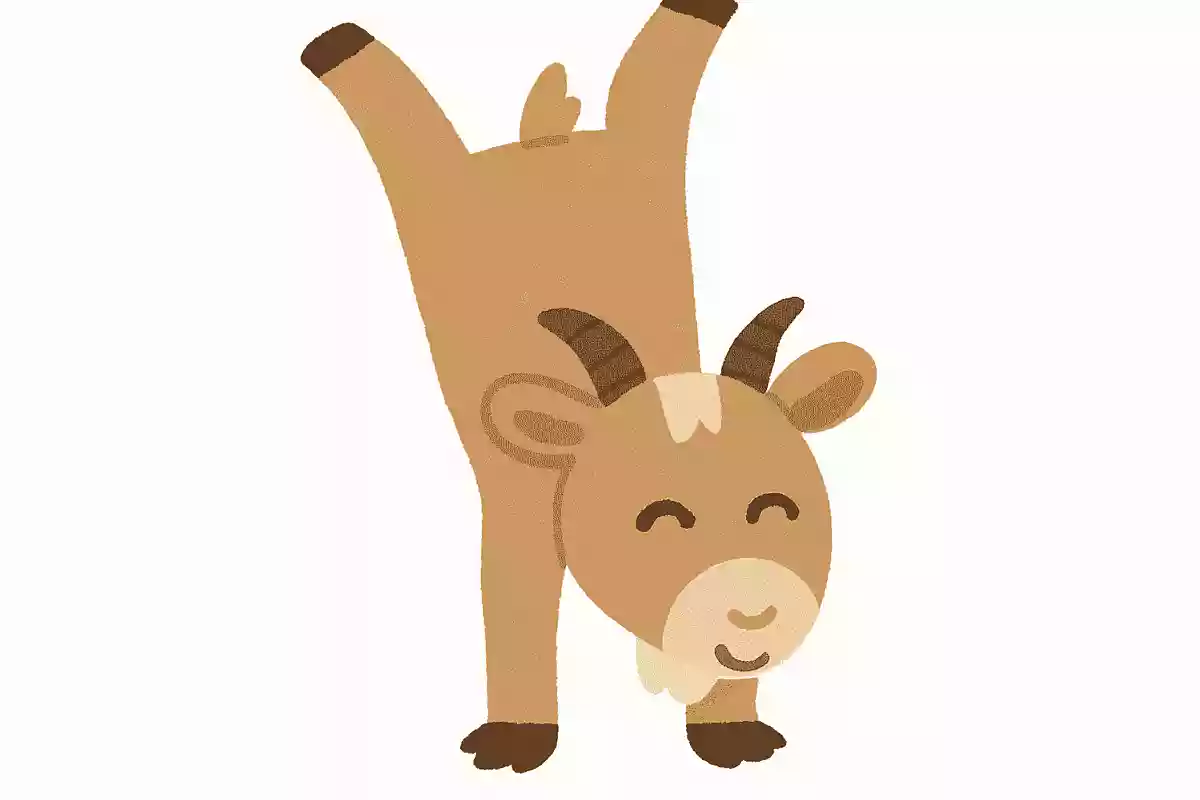
What animal becomes well-behaved when it stands on its head?
See the answer
dog
In English, a dog is “dog,” pronounced “doggu” in Japanese. If you read that backwards, it becomes “good,” which in English is spelled “good” and means “nice” or “good.” The key is to think of animals as words, not to actually have the animals do handstands.
In conclusion
Seemingly simple but tricky quizzes can also be used as training to make your thinking more flexible.
By noticing word usage you’d normally overlook and letting go of preconceptions, you’re sure to make new discoveries.
Why not enjoy quizzes while developing a flexible mindset?