

[For Seniors] Fun Riddles That Stimulate the Brain


Riddles have a mysterious charm, don’t they? That exciting feeling that makes you want to keep thinking until you find the answer—why not enjoy it together with older adults? This time, we’ll introduce simple, humorous riddles based on familiar words from everyday life.
Thinking together naturally gets the conversation going and fills the time with smiles.
When you figure out the answer, be sure to share that delightful “I get it!” moment with everyone.
- [For Seniors] Fun and Lively! Recommended Quiz Questions
- [For Seniors] Laugh-Out-Loud, Crowd-Pleasing! Fun Quiz
- [Brain Training] Lively Word Quiz for Seniors
- [For Seniors] Guaranteed to Liven Things Up! A Collection of Brain Training Activities That Will Spark Laughter
- [For Seniors] Fun and Educational True-or-False Quiz
- [For Seniors] Fun and Informative! Health Trivia Quiz
- [For Seniors] Lively Wordplay Game: Fun Recreation for Elderly Care
- [For Seniors] Fun Brain Training! Lively Mind Exercises
- [For Seniors] Fun! Let’s Get Excited with Japan’s Number One Quiz
- [For Seniors] Fun Brain Training! Prefecture Quiz
- [For Seniors] Have Fun with Wordplay Characters! A Collection of Funny Puzzles
- [For Seniors] Find daily brain training. Today’s recommended brain workout.
- [For Seniors] Brain Training with a Whiteboard! Fill-in-the-Blank Exercises & Quizzes
Simple riddle questions (11–20)
A dog won a soba noodle eating contest. What kind of soba do you think it was?

Many people might figure it out right after reading the riddle: A dog wins a soba-eating contest.
What kind of soba was it? The answer is “wanko soba.” We arrive at this because “wanko” is an affectionate way to refer to a dog.
Wanko soba is a soba dish that’s a specialty of Iwate Prefecture, where bite-sized portions of soba are served one after another into your bowl.
The lively calls of “Hai, jan-jan! Hai, don-don!” are charming, too!
What is the “niku” that’s sold at a greengrocer, not a butcher?
Let’s try a riddle that’s fun to solve! What is the “niku” that’s sold at a greengrocer, not at a butcher’s shop? When you hear “niku,” you probably think of pork, beef, or chicken—things sold at a butcher’s.
But in this riddle, the “niku” is something sold at a greengrocer.
Hint: the word “niku” is contained within the name of a vegetable! The answer is “ninniku” (garlic).
It’s definitely a kind of “niku” you’d find at a greengrocer!
What animal is represented by “chi-tsu-te-to?”
Next, let me share a riddle about animals.
What animal is represented by “chi-tsu-te-to”? Pay attention to the sequence “chi-tsu-te-to.” If you add one character, it should follow the standard gojūon order, right? The answer is “tanuki” (raccoon dog).
The “ta” is missing from the ta-row sequence “ta-chi-tsu-te-to,” so the animal is “tanuki.” It feels satisfying once you get it, doesn’t it? Tanuki are small animals with a cute appearance and have long been familiar figures in folktales and old stories.
Some of you may have even seen a wild tanuki before.
What is the flower that comes out when you order ramen?
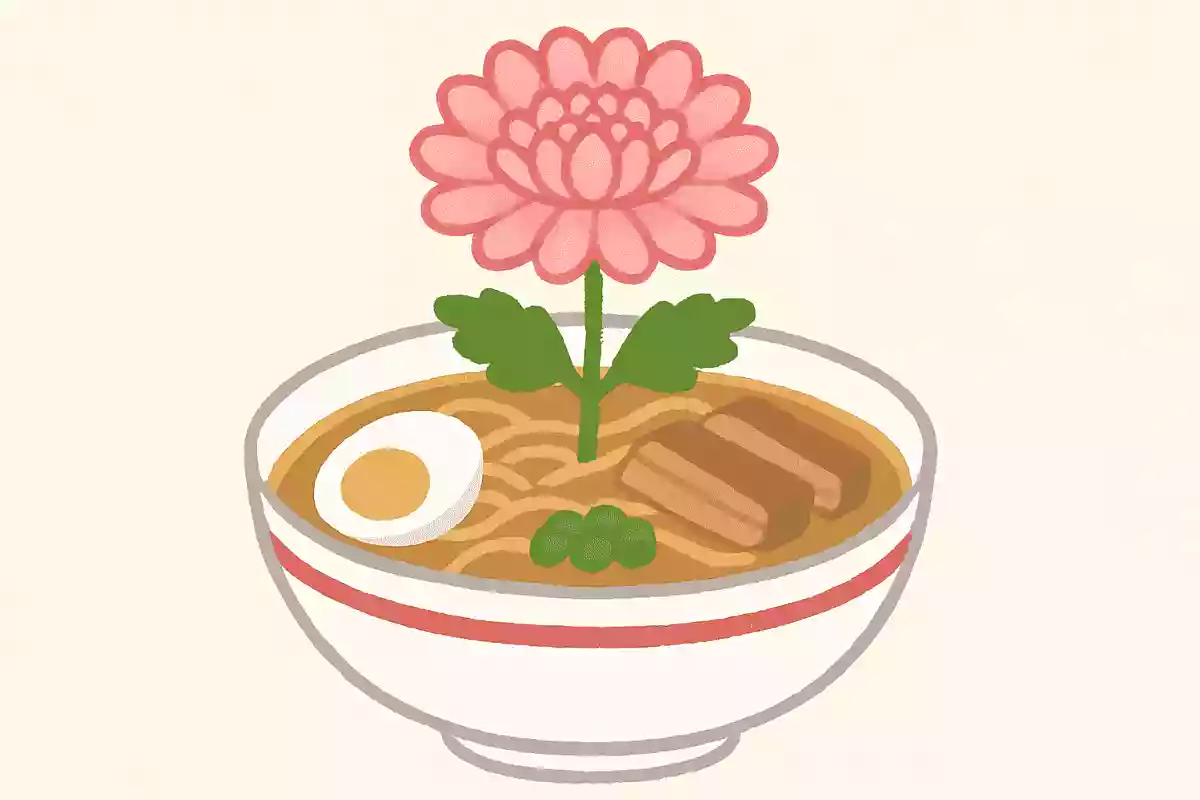
This is a riddle where you find the answer by thinking simply.
What flower appears when you order ramen? If you imagine what it looks like when the ramen is actually served, you might figure it out.
The answer is “renge.” The utensil used to sip the soup is called a renge (Chinese-style soup spoon)! The lotus flower is also pronounced “renge” in Japanese.
Some of you may have figured it out right away.
It’s a fun riddle, so try asking it to people around you!
What is the fish that has five holes?
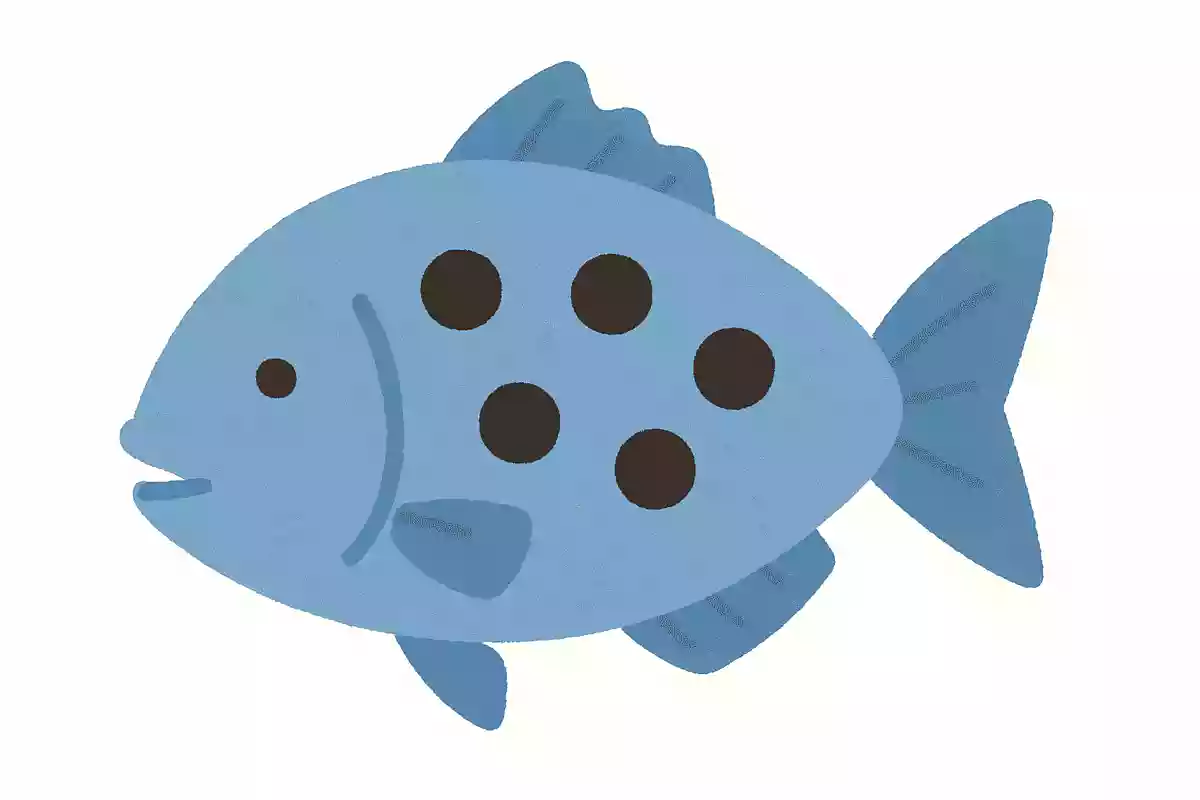
This time, I’d like to introduce a riddle about fish.
What fish has five holes? If you slowly read the question out loud, you might figure out the answer.
The answer is hidden in the question, so don’t give up and think it through! The answer is “anago” (conger eel).
The phrase “five holes” (ana ga go) contains the answer! Anago is a type of marine fish in the eel family, and it’s a familiar ingredient in Japanese cuisine.
It’s also highly nutritious, so it’s a great food to include in your diet!
What creature becomes lighter when it stands on its head?
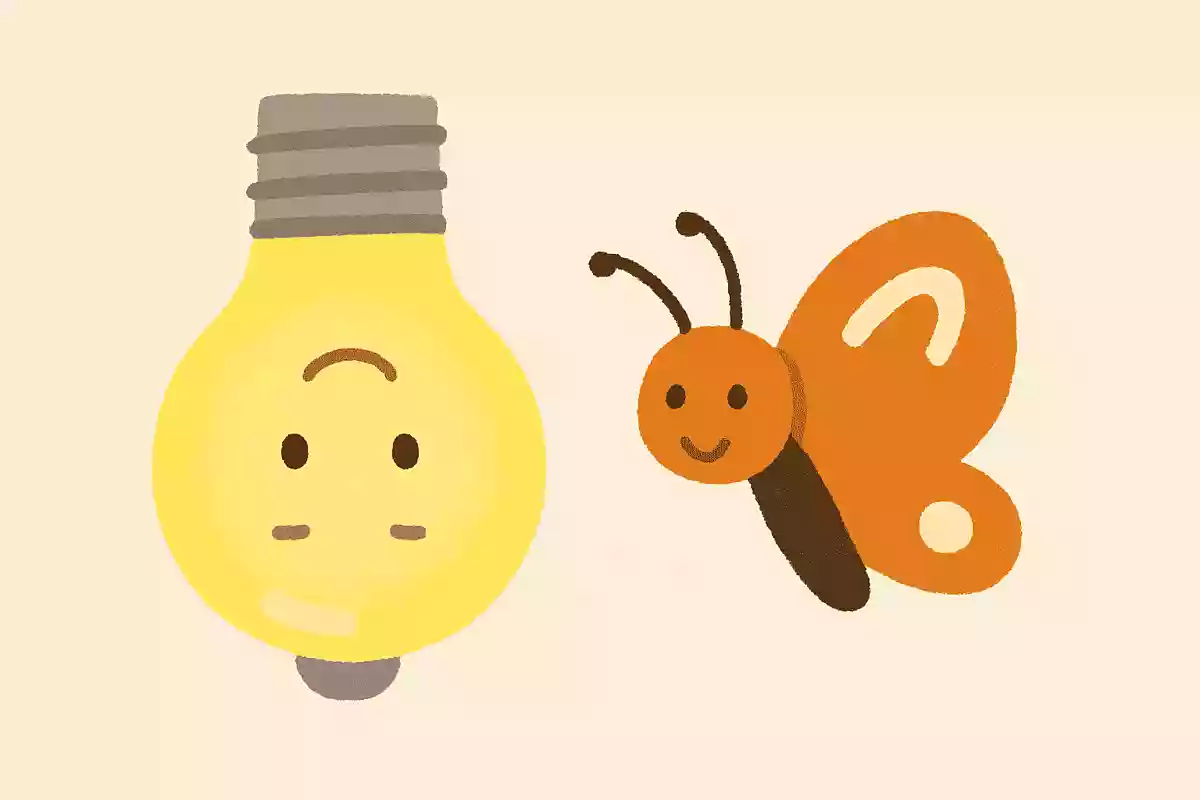
This is a problem where having a flexible image of what the conditions in the prompt represent, and being able to paraphrase, are important.
From the actions “handstand” and the mention of a living creature, you might first picture a biological organism, but switching your line of thinking from there is the key to reaching the answer.
If you realize it’s not a creature’s form but words or letters, you can see that a “handstand” implies reading a word backward.
When you read the word backward, it becomes “light,” so the answer is “dolphin.”

Brain Teaser Riddles (1–10)
What is the game where cats and koalas never lose, but lions do?
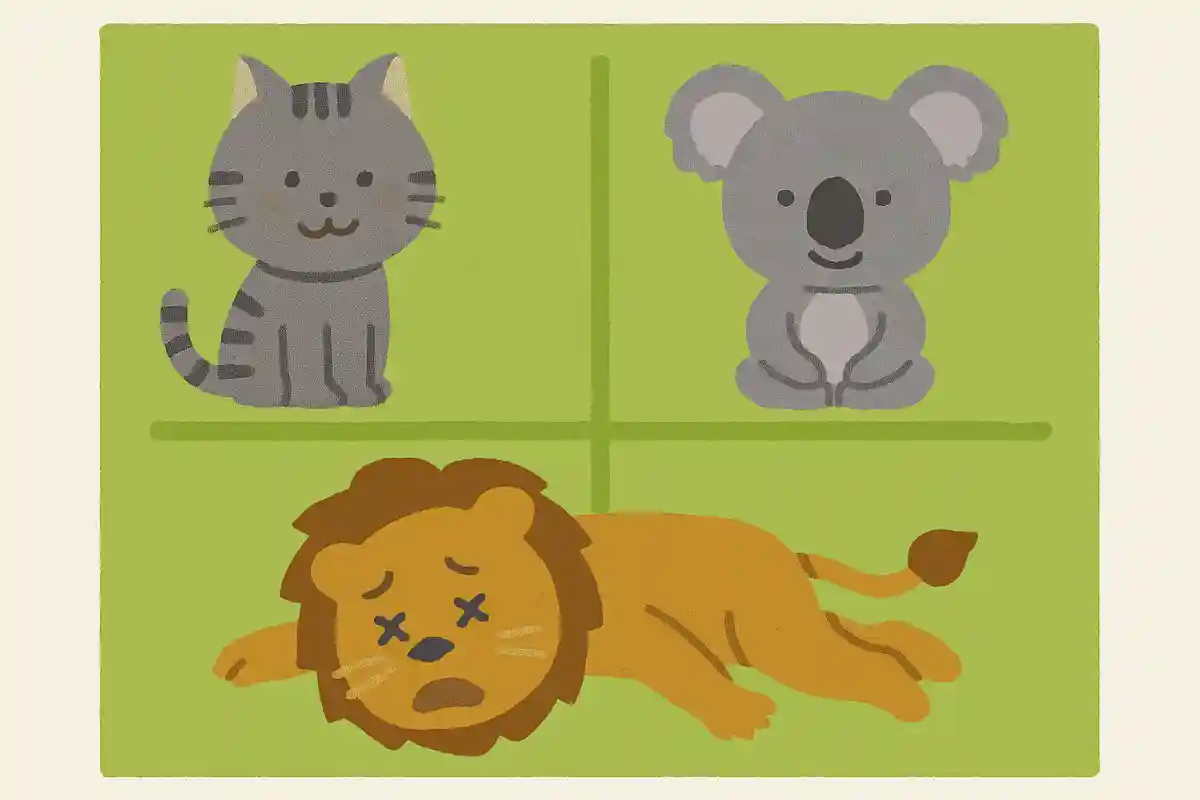
Let’s stimulate your memory with shiritori.
The ability to imagine answers from given prompts boosts mental agility and creativity.
It’s easier to answer if you pose questions using familiar animals like cats or koalas.
Discovering the answer and thinking “I see!” can also relieve stress.
The riddle’s answer is: it’s the shiritori in which the lion that ends with “n” loses.
