

[For Seniors] Fun Riddles That Stimulate the Brain


Riddles have a mysterious charm, don’t they? That exciting feeling that makes you want to keep thinking until you find the answer—why not enjoy it together with older adults? This time, we’ll introduce simple, humorous riddles based on familiar words from everyday life.
Thinking together naturally gets the conversation going and fills the time with smiles.
When you figure out the answer, be sure to share that delightful “I get it!” moment with everyone.
- [For Seniors] Fun and Lively! Recommended Quiz Questions
- [For Seniors] Laugh-Out-Loud, Crowd-Pleasing! Fun Quiz
- [Brain Training] Lively Word Quiz for Seniors
- [For Seniors] Guaranteed to Liven Things Up! A Collection of Brain Training Activities That Will Spark Laughter
- [For Seniors] Fun and Educational True-or-False Quiz
- [For Seniors] Fun and Informative! Health Trivia Quiz
- [For Seniors] Lively Wordplay Game: Fun Recreation for Elderly Care
- [For Seniors] Fun Brain Training! Lively Mind Exercises
- [For Seniors] Fun! Let’s Get Excited with Japan’s Number One Quiz
- [For Seniors] Fun Brain Training! Prefecture Quiz
- [For Seniors] Have Fun with Wordplay Characters! A Collection of Funny Puzzles
- [For Seniors] Find daily brain training. Today’s recommended brain workout.
- [For Seniors] Brain Training with a Whiteboard! Fill-in-the-Blank Exercises & Quizzes
Brain Teaser Riddles (1–10)
What did the car loaded with lots of luggage drop on the curve?
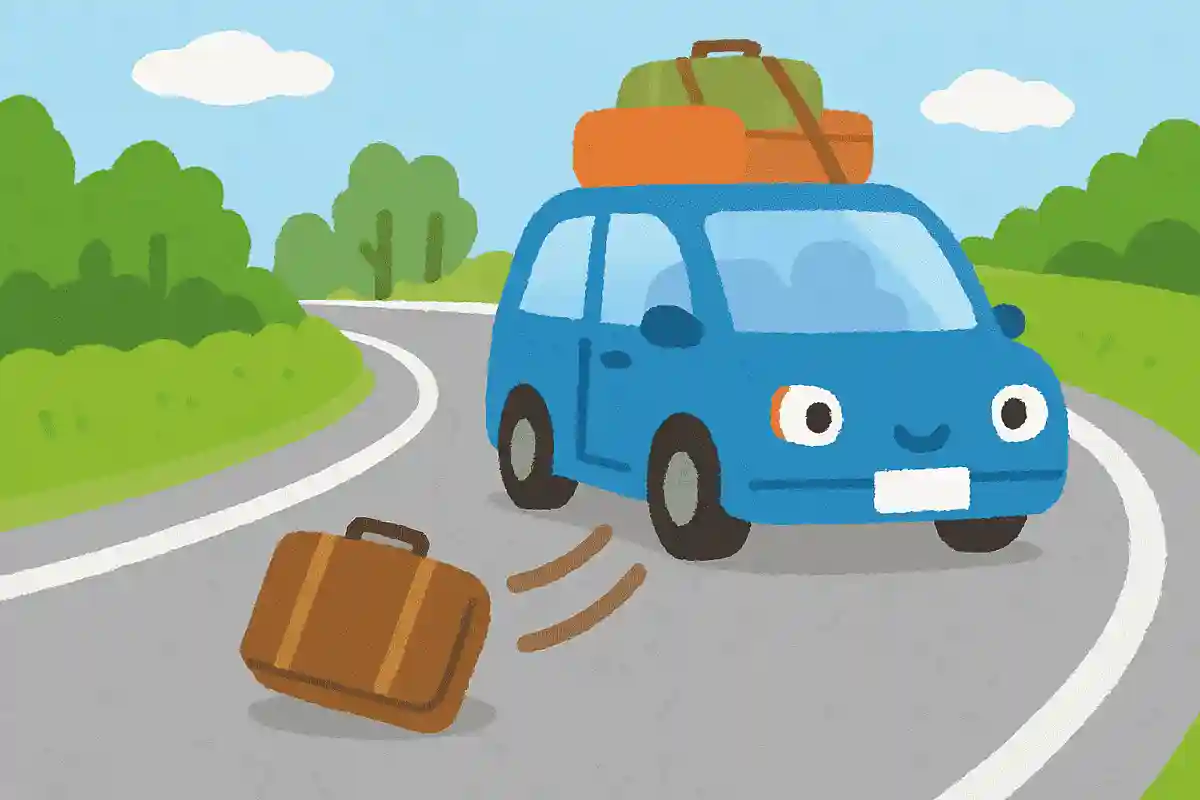
This is a problem where it’s important to vividly picture the situation and recall words related to that situation.
The detail about carrying a lot of luggage is a deliberate trick that draws your attention to the luggage.
Rather than focusing only on the luggage, being able to imagine the surrounding circumstances—including the luggage—is crucial to arriving at the answer.
Since it’s about what you need to reduce in order to safely take a curve, the answer is “speed.” It’s a difficult question for those who don’t know the expression “slow down” (literally, “reduce speed”), so let’s proceed with some clever facilitation, such as listing car-related words as hints.

What happens when the sun and the moon appear together?
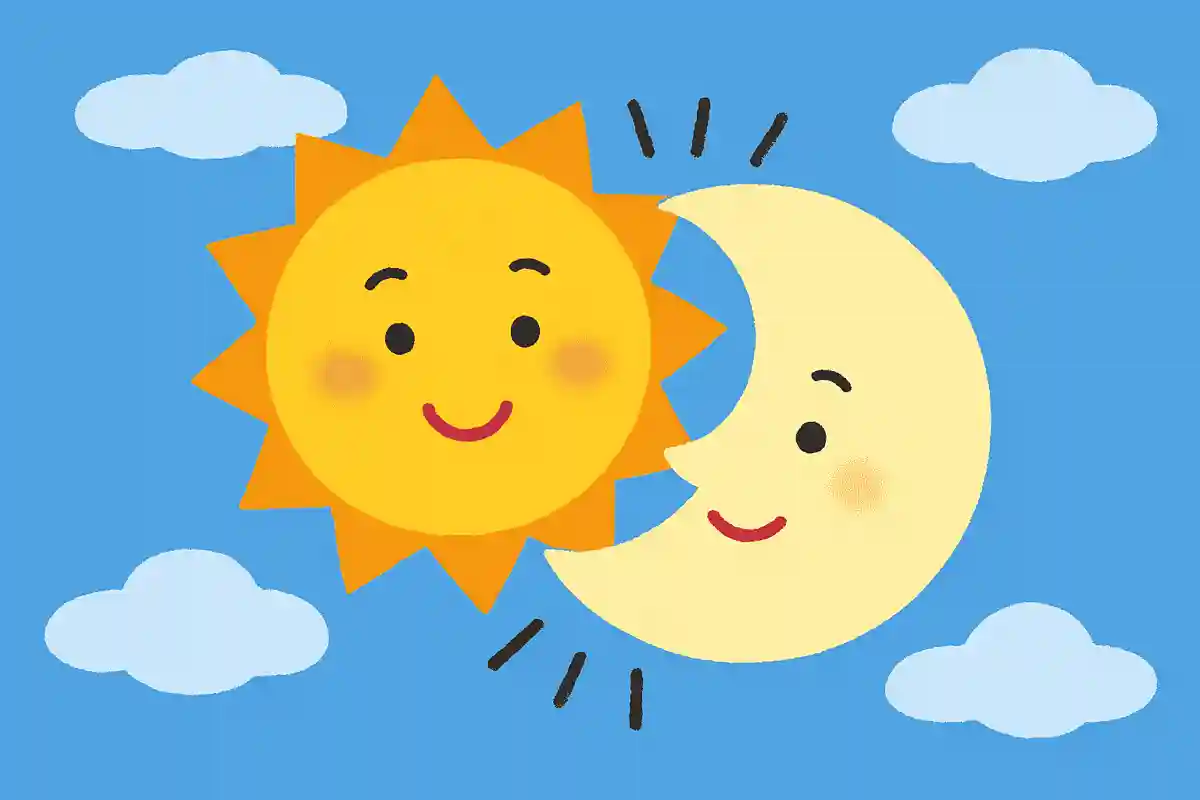
How you visualize the given words, and how you develop them from there, are crucial issues.
A key point is whether you can picture the words “sun” and “moon” from the problem statement as kanji.
If you picture the two words as kanji, you can realize that the word “together” in the question implies combining them.
Because the sun and moon appear together, it’s a puzzle where the answer that comes to mind uses the kanji formed by combining those two characters, 明, such as akarui (bright) or ashita (tomorrow).
It has “me,” “ha,” and “hana,” but it isn’t a face. What is it?
It’s a problem where you convert the hiragana in the question into kanji and then consider what they have in common.
The key is which kanji you assign to the hiragana presented in the prompt, and the process of imagining kanji from their readings is also a good mental workout.
If you can’t come up with kanji that share a common feature, you won’t reach the answer, so try to think of as many kanji as possible and look for commonalities.
Because the word “face” appears in the prompt, kanji like eye, tooth, and nose tend to come to mind first, so being able to shift your thinking away from those is important.
If kanji like sprout, leaf, and flower come to mind, you can arrive at the common theme of “plants.”
Everyone goes up, but what can never be lowered?
This is a problem where you consider in what situations numbers increase and how they are counted to arrive at the answer.
Since it mentions going up, you might first imagine physical up-and-down, like stairs, but the fact that it cannot be lowered is a big hint.
Most familiar physical things can be lowered, so shift your thinking away from the physical and aim for flexible thinking.
It’s something that increases for everyone as time passes, and because time cannot go back, the answer is “age.”
I made one sheet of paper into ten without tearing or cutting it. How did I do it?
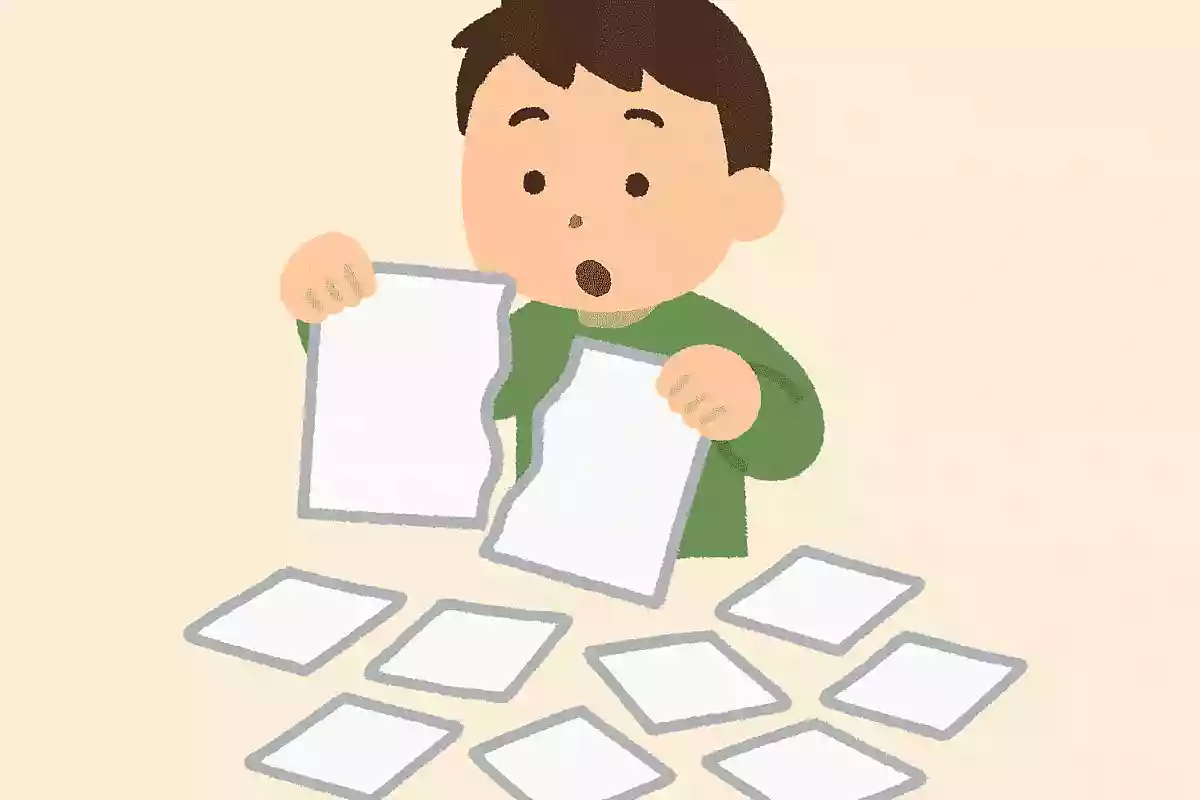
It’s a simple riddle whose answer you can figure out by recalling everyday actions.
I turned one piece of paper into ten without tearing or cutting it.
How did I do it? The hint is something related to money.
Think of a 10,000-yen bill or a 1,000-yen bill.
The answer is “exchange.” For example, you might exchange one 10,000-yen bill for ten 1,000-yen bills in various situations.
The number of pieces increases without tearing or cutting, right? It’s a simple yet humorous riddle.
What is the utensil that is hard to use with one, but you can eat well with two?
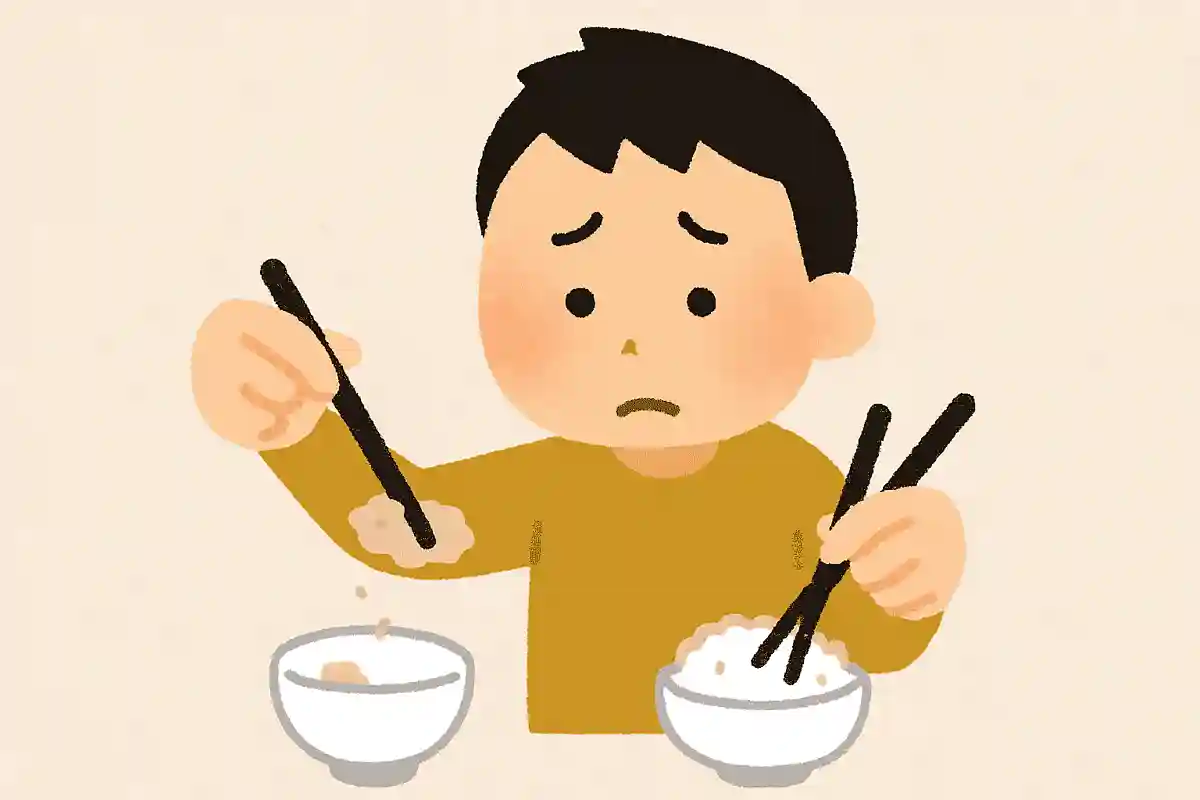
This is a problem where you imagine a real-life situation from the question and derive something that fits the conditions from that mental image.
The phrase “able to eat well” in the prompt is also a point that can mislead the answer, guiding your attention toward food.
Since the word “tool” clearly appears at the end of the question, it’s important to shift your thinking—how do you move away from the image of food and direct your focus to the surrounding situation? It’s a question that values that switch in perspective.
The quiz leads to the answer “chopsticks,” a tool essential for eating that can be used only when the two pieces are together.
What is the beautiful thing that can only be seen between one o’clock and three o’clock?
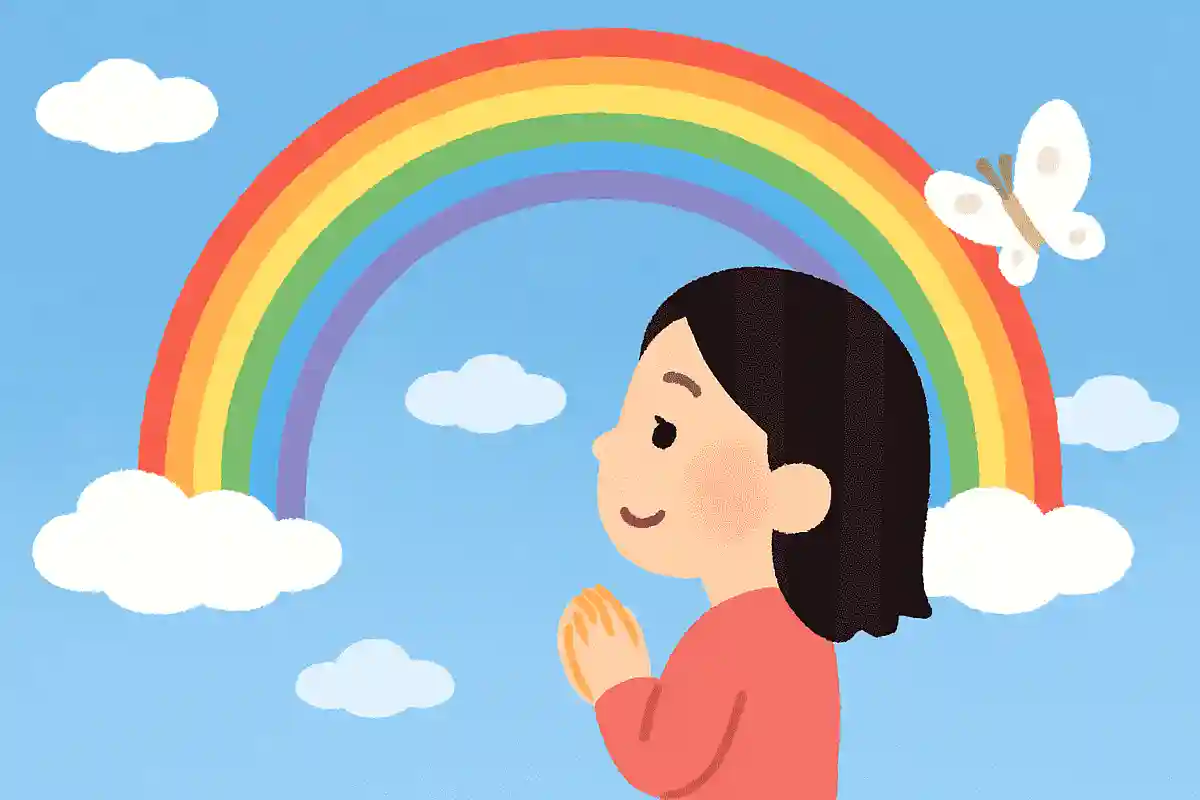
It’s a problem where you imagine the word derived from the prompt and then rephrase it into a different word with the same sound.
Since the prompt seems likely to lead to an answer related to time, you might picture a clock or a scene at that time, but what’s important is how flexibly you can leap from that image.
By going through the process of changing the image to a different word with the same pronunciation, you’ll engage your brain and think carefully.
Between one o’clock and three o’clock is two o’clock, and since it’s something beautiful, the answer to the puzzle is “niji,” meaning “rainbow.”