

[For Seniors] Fun Riddles That Stimulate the Brain


Riddles have a mysterious charm, don’t they? That exciting feeling that makes you want to keep thinking until you find the answer—why not enjoy it together with older adults? This time, we’ll introduce simple, humorous riddles based on familiar words from everyday life.
Thinking together naturally gets the conversation going and fills the time with smiles.
When you figure out the answer, be sure to share that delightful “I get it!” moment with everyone.
- [For Seniors] Fun and Lively! Recommended Quiz Questions
- [For Seniors] Laugh-Out-Loud, Crowd-Pleasing! Fun Quiz
- [Brain Training] Lively Word Quiz for Seniors
- [For Seniors] Guaranteed to Liven Things Up! A Collection of Brain Training Activities That Will Spark Laughter
- [For Seniors] Fun and Educational True-or-False Quiz
- [For Seniors] Fun and Informative! Health Trivia Quiz
- [For Seniors] Lively Wordplay Game: Fun Recreation for Elderly Care
- [For Seniors] Fun Brain Training! Lively Mind Exercises
- [For Seniors] Fun! Let’s Get Excited with Japan’s Number One Quiz
- [For Seniors] Fun Brain Training! Prefecture Quiz
- [For Seniors] Have Fun with Wordplay Characters! A Collection of Funny Puzzles
- [For Seniors] Find daily brain training. Today’s recommended brain workout.
- [For Seniors] Brain Training with a Whiteboard! Fill-in-the-Blank Exercises & Quizzes
Brain Teaser Riddles (11–20)
Hanako made four bouquets with her friend. If you add the two bouquets that Hanako made by herself, how many bouquets will there be?
This riddle also tests your Japanese language skills.
First, focus on the beginning: “Hanako made four bouquets with her friend.” From this, you can see there are four bouquets.
Next, look at the latter part: “If you add the two bouquets Hanako made by herself.” Here, it seems there are two bouquets in addition to the four, so you might think 4 + 2 = 6—but that’s not correct.
No matter how many bouquets there are, when you put them together, they become a single bouquet.
Therefore, the answer is 1.

From a box of 20 candies, I took out 5. How many do I have?
Since you took 5 candies out of 20, you might think “there are 15 left.” However, this problem isn’t asking for the number of remaining candies, but rather the number of candies you are holding.
You are holding 5 candies.
The key is to think about the problem calmly.

What is something that a younger brother has two of, but a younger sister has only one of?
People with siblings have probably felt various forms of unfairness in long-lasting relationships.
This riddle evokes that kind of relationship and asks: what is something that two younger brothers and one younger sister each have? Since it’s a wordplay riddle, it’s not actually about real sibling unfairness; the key is to think about what exactly is being asked.
The hint is to think of each word as text: if you convert the kanji into hiragana, the answer appears.
The answer is the hiragana character “と”; when you write “おとうと” (younger brother) and “いもうと” (younger sister) in hiragana, it becomes obvious.

Famous for defeating demons, Momotaro took three animals with him. Who was the first one he met?
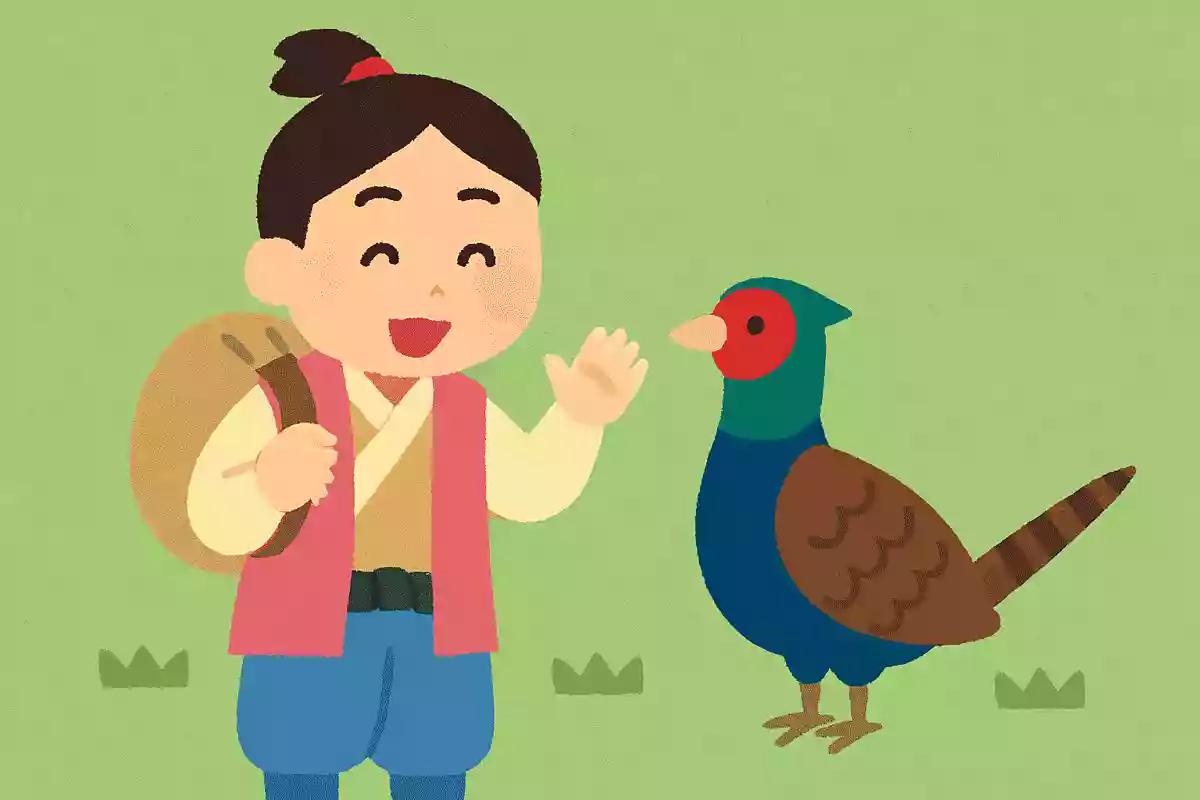
In most versions of the Momotaro story, the companions join in the order of the dog, the monkey, and the pheasant.
Hearing the question, you might be tempted to answer “the dog,” but that’s incorrect.
When Momotaro is born from the peach, the first ones he meets are the old man and the old woman.
So the answer isn’t one of the animal companions, but “the old man and the old woman.” Incidentally, it’s said that the three animals come from the zodiac signs positioned opposite the kimon (the unlucky, northeastern direction).
Who is the biggest among the doctor, the teacher, and the detective?

Here’s a riddle that challenges you to think in terms of rephrasing! Among a doctor, a teacher, and a detective, who is the biggest? If you think simply, many would say, “It depends on the person, so we can’t know.” But if you consider rewording, you might find the answer.
The answer is the detective.
In Japanese, a detective can be rephrased as “deka,” which also sounds like “big”! Once you get it, it’s a humorous riddle that makes you go, “Ah, I see.” And when you know the answer, you’ll want to share it with someone!
Brain Teaser Riddles (21–30)
When did the monk buy clothes?

This is a problem where it’s important to imagine an occupation from the word and clearly picture its appearance.
Also, rephrasing words that express time is a key point for reaching the answer, so be mindful of switching your thinking and using creativity.
If you vividly picture a Buddhist monk and read out the names of his garments, you might notice the answer.
The garment a monk wears is called “kesa,” and by rephrasing it into a word that expresses time, the answer becomes “kesa,” meaning “this morning.”
In conclusion
The simple riddles we introduced this time are perfect for brain training for older adults. You can keep your mind flexible while enjoying wordplay. Thinking them through with people close to you can spark more conversation, and everyone can have a good time together. Why not enjoy the world of riddles while deepening your connections with family and friends?