

[For Seniors] Fun Riddles That Stimulate the Brain


Riddles have a mysterious charm, don’t they? That exciting feeling that makes you want to keep thinking until you find the answer—why not enjoy it together with older adults? This time, we’ll introduce simple, humorous riddles based on familiar words from everyday life.
Thinking together naturally gets the conversation going and fills the time with smiles.
When you figure out the answer, be sure to share that delightful “I get it!” moment with everyone.
- [For Seniors] Fun and Lively! Recommended Quiz Questions
- [For Seniors] Laugh-Out-Loud, Crowd-Pleasing! Fun Quiz
- [Brain Training] Lively Word Quiz for Seniors
- [For Seniors] Guaranteed to Liven Things Up! A Collection of Brain Training Activities That Will Spark Laughter
- [For Seniors] Fun and Educational True-or-False Quiz
- [For Seniors] Fun and Informative! Health Trivia Quiz
- [For Seniors] Lively Wordplay Game: Fun Recreation for Elderly Care
- [For Seniors] Fun Brain Training! Lively Mind Exercises
- [For Seniors] Fun! Let’s Get Excited with Japan’s Number One Quiz
- [For Seniors] Fun Brain Training! Prefecture Quiz
- [For Seniors] Have Fun with Wordplay Characters! A Collection of Funny Puzzles
- [For Seniors] Find daily brain training. Today’s recommended brain workout.
- [For Seniors] Brain Training with a Whiteboard! Fill-in-the-Blank Exercises & Quizzes
Brain Teaser Riddles (1–10)
Eight children were playing hide-and-seek. Four have been found; how many children are still not found?
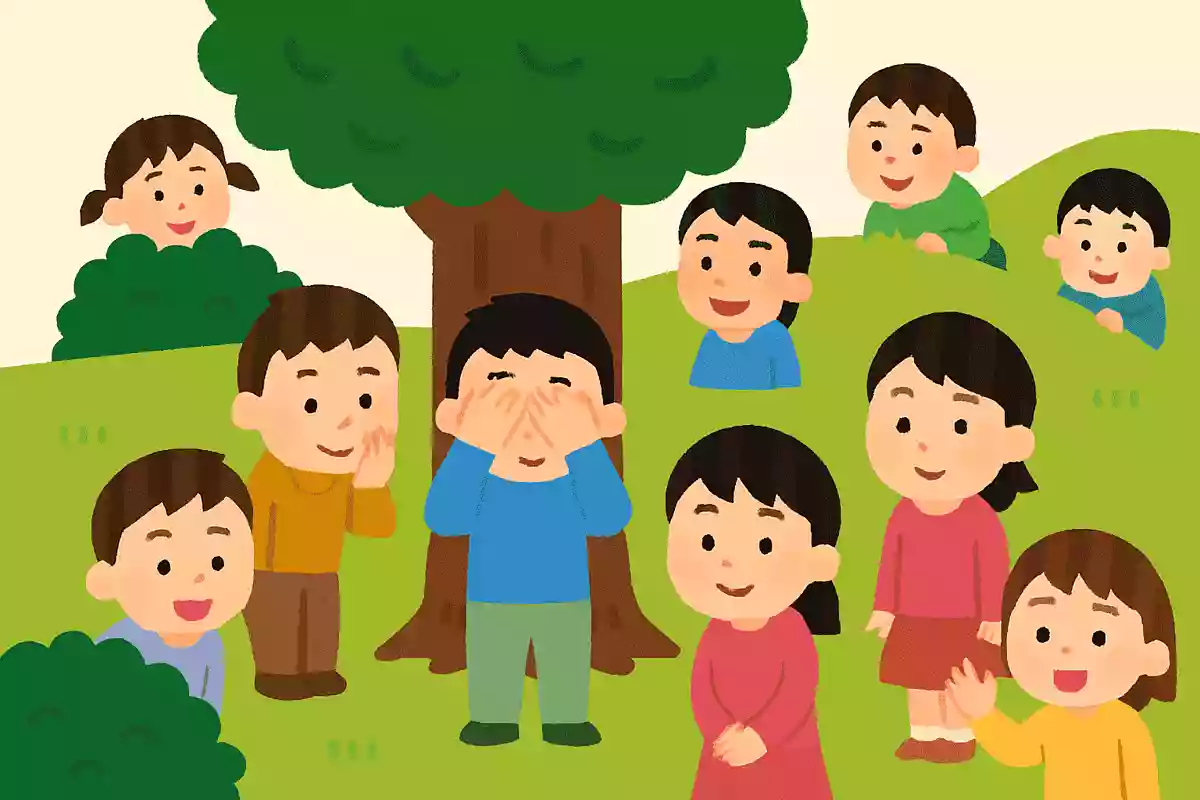
It looks like a subtraction problem, but it’s actually a clever riddle.
Since there are eight people playing hide-and-seek in total, the seeker is included.
If four children have been found, and you include the seeker, that makes five people.
Subtracting five from eight leaves three children who haven’t been found yet.
It’s easy to forget to count the seeker and answer “four,” isn’t it?

What is something you can’t write with your hands, but you can put on with your feet?
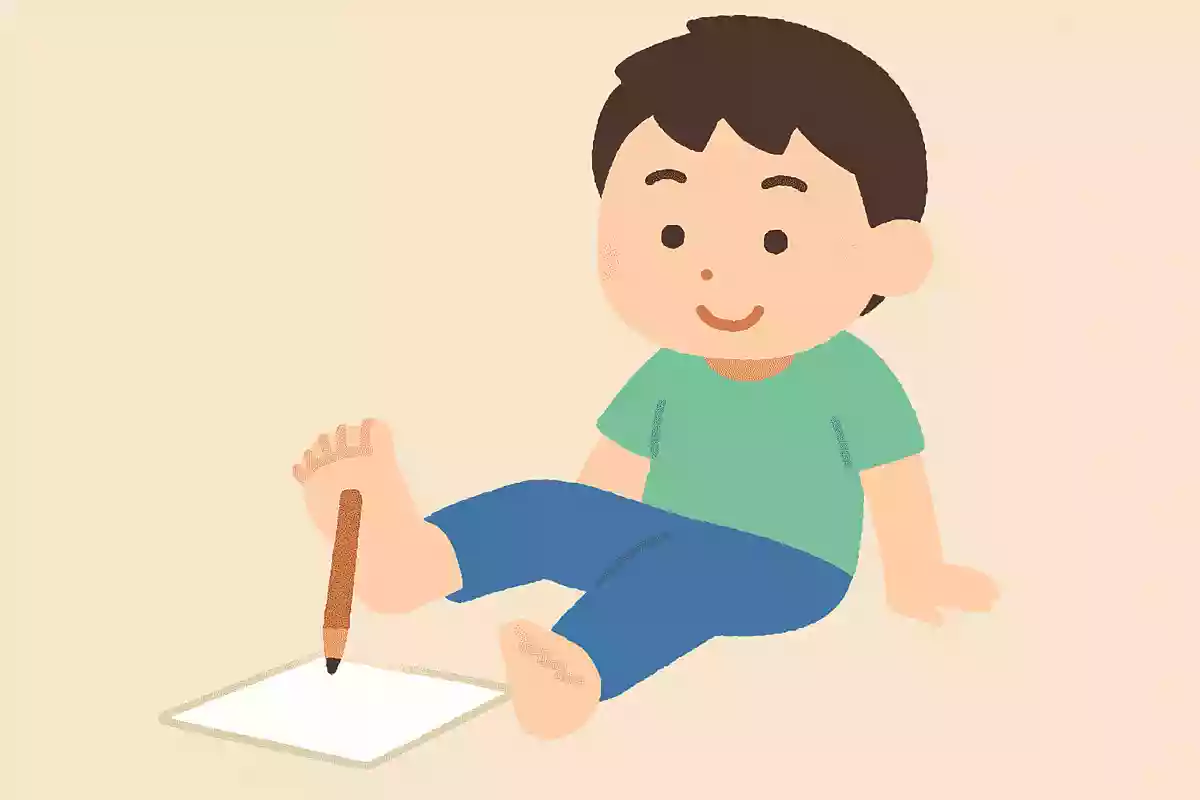
Let’s try a riddle about actions.
What is something you can’t “kaku” with your hands but can “kaku” with your feet? Many people might imagine letters, but the key is that it’s about an action! The answer is sitting cross-legged (agura).
In Japanese, we say “agura o kaku” to mean sitting comfortably with legs crossed.
You’re not writing letters or drawing pictures, but we still use the verb “kaku,” which is part of the fun of Japanese.
It’s a playful riddle where the same-sounding word changes meaning depending on how you interpret it.
Brain Teaser Riddles (11–20)
What kind of box is the raccoon dog’s treasure chest?

This problem focuses not on the image described in the prompt, but on the sound of the words and the hidden meaning within them.
Rather than picturing a treasure chest, the key point is to consider what kind of hint “tanuki” provides.
We tend to think of “tanuki” as the name of an animal or a single word, but a flexible idea is to split it into “ta” and “nuki,” turning it into “ta-nuki” (meaning “remove ta”).
By removing the “ta” from the word “takarabako,” you get “karabako,” which means “empty box,” and that is the answer.

A 40-story building caught fire, and a panicked customer inside jumped out of the window. However, they weren’t injured at all. Why? Because they jumped from the first floor.
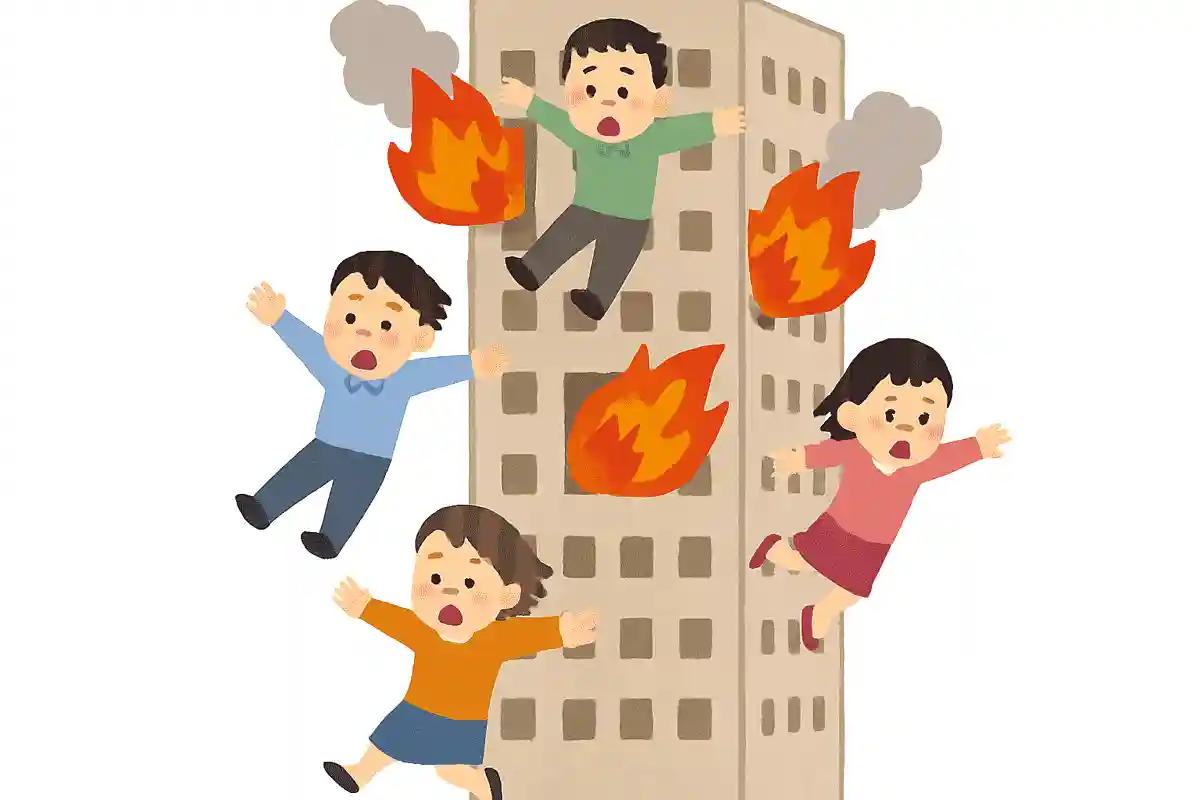
Just by reading the riddle, it makes you imagine someone jumping from the 40th floor, doesn’t it? You’d be inclined to focus on the people who weren’t injured.
But the key point is that the question never actually says they “jumped from the 40th floor.” If they jumped out of a low first-floor window, they could evacuate without getting hurt.
In Japan, you can drink alcohol and smoke when you turn 20. So, from what age are you allowed to drive a car?
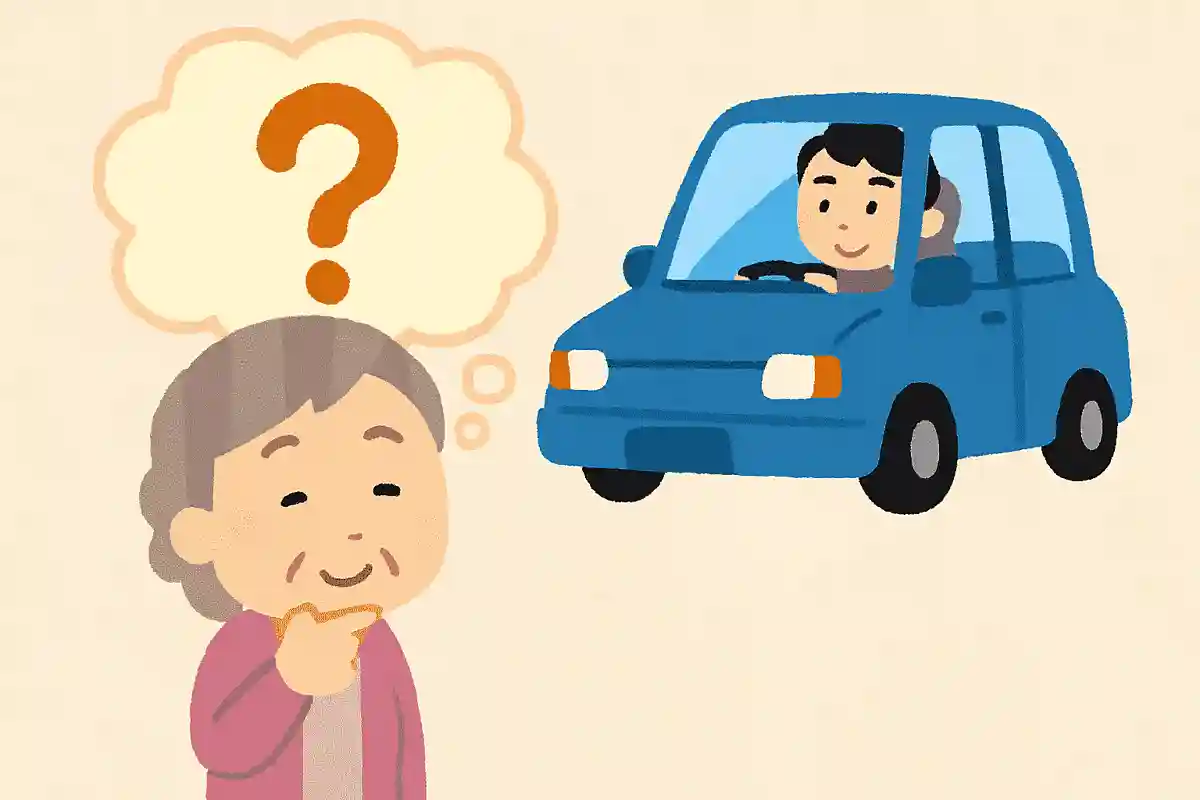
The answer is 0 years old.
If you’re not driving, you can ride in a car from 0 years old.
If you take this question at face value, you might think about the age at which you can get a driver’s license, but the question asks about the “age at which you can ride.” So the correct answer isn’t the age for getting a license, but 0 years old.
Through this riddle, it might be nice to recall family drives and take some time to talk about those memories.
There were a total of 10 radishes buried in the field. If you pull out 6 radishes, how many are left?

Even after you know the answer, it still feels puzzling, doesn’t it? It’s a wordplay riddle where the key is “ato wa nan-bon” (“how many ‘ato’ are there”).
Here, “ato wa” isn’t asking for the number of radishes remaining, but for the number of “marks” (ato) left after pulling them out.
In other words, the answer is six “marks” where the radishes were pulled.
It’s a bit of a trick question with a slightly mischievous twist.
Which prefecture would make you happy when shopping if you put the character for “metropolis” (都) in front of “prefecture” (県)?

The process of navigating the knowledge stored in memory and considering the sound of words is an important issue.
Since this is a quiz asking for a prefecture, the speed at which you arrive at the answer depends on how many prefectures come to mind.
Above all, it’s crucial to understand the meaning of the problem, which involves inserting “to” (metropolis) before “ken” (prefecture).
As long as the phrase “XX-to-ken” comes to mind, you can slot in different prefectures and pronounce them to derive the answer.
Because “Gifu-to-ken” sounds the same as “gift certificate” (gifuto-ken), the answer is Gifu Prefecture.