

[For Seniors] Uplifting Words That Comfort the Heart

It seems many older adults carry worries, such as finding it harder to move their bodies than before or becoming more prone to illness.
Some also feel lonely, perhaps due to circumstances that have distanced them from their families.
In such times, we all want to support older adults, stay close to their feelings, and help them feel energized.
With that in mind, this time we’re introducing “uplifting words for older adults.” When interacting with older adults, you may sometimes wonder, “What kind of words of encouragement should I use?” Please take advice from those who are good at offering supportive words, and use the “uplifting words” we introduce here as a reference to spend wonderful time with the older adults in your life.
- Introducing words that will delight elderly people
- For seniors: Words of gratitude and uplifting magic phrases. Tips for saying things that resonate with the heart.
- [For Seniors] Tips for Birthday Messages They’ll Love
- Conversations Made Easy! A Collection of Topics That Elderly People Enjoy
- Words useful for conversations with elderly people. Words that were used in the past.
- [For Seniors] Laugh-Out-Loud, Crowd-Pleasing! Fun Quiz
- [Brain Training] Lively Word Quiz for Seniors
- Introducing old-fashioned words that are useful for conversations with elderly people!
- [For seniors] Turn negatives into positives: Ways to interact that inspire motivation
- [For Seniors] Boost Oral Function with Tongue Twisters! Recommended Picks to Try
- [For Seniors] Guaranteed to Liven Things Up! A Collection of Brain Training Activities That Will Spark Laughter
- [For Seniors] Fun and Informative! Health Trivia Quiz
- [For Seniors] Let’s Have Fun Together! Introducing Uplifting, Energizing Songs
[For Seniors] Uplifting Words That Comfort the Heart (21–30)
Greet cheerfully with a smile
In everyday life, many people find themselves in situations where they greet others or are greeted.
It feels good when someone greets you first.
Older adults feel the same way—it lifts their spirits and gives them a sense of reassurance.
It’s also said that greetings help open someone’s heart and create a connection.
Try adding energy and a smile to your greetings, which are considered the basics of communication.
From a simple greeting, you can naturally follow up by asking an older person how they’re doing or how they feel today.
When they sense that “you care about me,” it encourages the conversation to develop even further.

Indomitable (unyielding despite repeated setbacks)
@kuroe_voice Four-character idiom for those who strive: “Hyakusetsu-futō” (literally, “bent a hundred times, never broken”). May it offer you even a little encouragement.Words that resonate with the hearttranslationVoice actorvoice
Original Song – Genki Kuroe [KUROE GENKI] – Genki Kuroe [KUROE GENKI] / Voice Actor · Narrator
This is a four-character idiom that means to never let your spirit be broken and to keep making efforts without giving up, no matter the hardships or setbacks.
As we age, we may face difficulties such as physical and mental discomfort, declining strength, and changes in our environment, but this word emphasizes the importance of continuing to challenge ourselves without being discouraged by adversity.
Even by taking small steps with perseverance, we can sustain fulfilling days and a positive outlook.
Conveying the importance of a spirit that does not give up even after setbacks, this word also influences personal growth and the building of trust with others.
It can be said that it is a slogan worth keeping close to heart for older adults living in the modern era.

United in heart and cooperation

This is a four-character idiom that expresses uniting hearts and joining forces toward the same purpose or goal.
Even if each older adult’s individual strength is small, by cooperating with one another they can accomplish things that would be difficult alone, and they can feel reassured by being together.
Even when each person’s opinions and thoughts differ, the attitude of helping one another toward a shared goal is important for building calm, harmonious relationships.
As a phrase that highlights the value of uniting our intentions, it can serve as a slogan we should all keep in mind in community activities and in everyday life.
Expressions like “You’re so young!” that describe someone as lively and youthful, including being young in spirit.
As we get older, it’s easy to develop negative feelings, such as anxiety about our health or a sense of loss over things we can no longer do.
However, there are also older adults who spend each day with a positive mindset, saying things like “I’m still full of energy.” Try offering a cheerful comment like “You look so young!” to someone who seems lively and active.
It can make them happy and spark a fun conversation about “the secret to staying young,” helping to build communication.
That said, some older adults may view looking younger than their age negatively.
Be mindful of their feelings and choose your words with care when you speak to them.
Words that make you feel the person truly cares about you
When an older person seems down, why not ask them about themselves? Anything that shows “I care about you” is fine—how they’re feeling today, whether they slept well last night, or if there’s anything they’re worried about or struggling with now.
Some people may prefer to be alone when they’re feeling low, but hardly anyone dislikes being cared about.
Simply knowing that someone values them can help them overcome hardships and lift their spirits.

Use topics that elderly people find enjoyable as conversation starters.
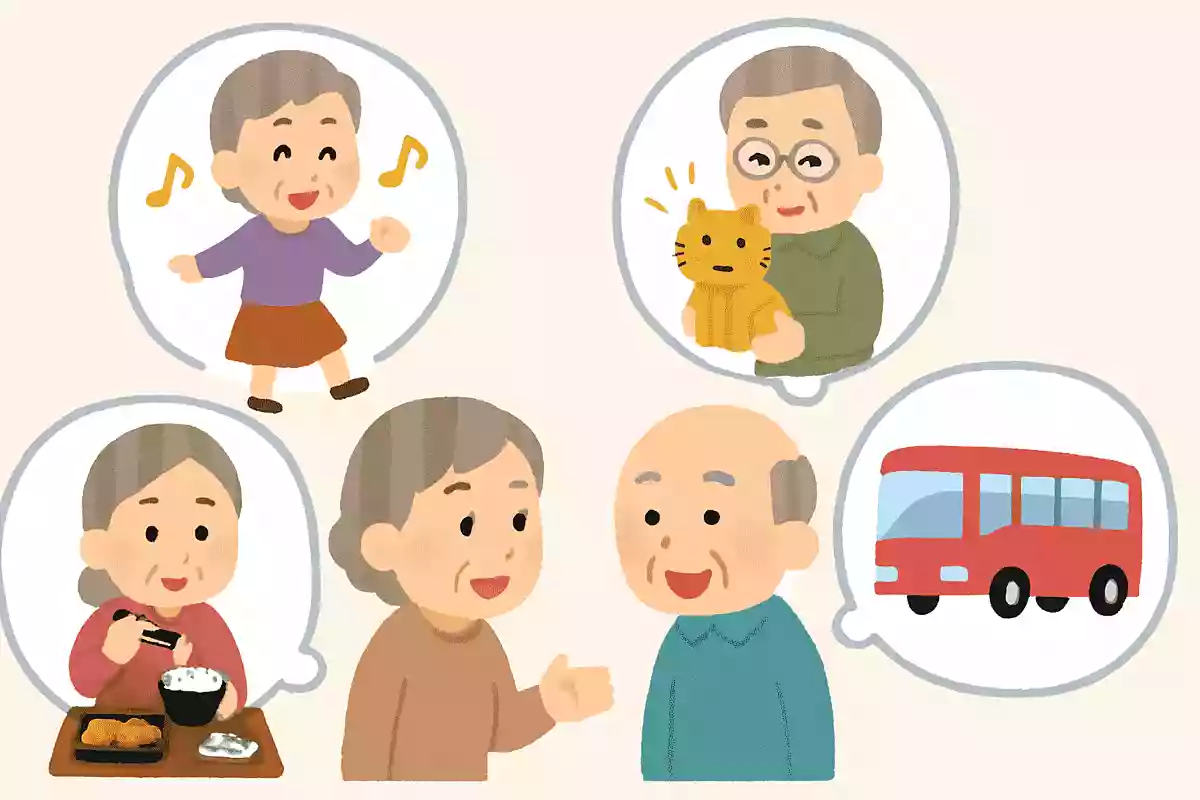
When you want to cheer up an older adult who is feeling anxious, why not try chatting about things they like? For example, their favorite TV shows, favorite foods, or enjoyable moments from a walk.
Bring up various topics they might enjoy and look for subjects that help the conversation flow.
Lively conversation can help them feel they’re having a pleasant time and ease their anxiety, even a little.
It’s also a great opportunity to get to know them better.
Your presence is encouraging.
Japan is a long-lived nation with one of the highest average life expectancies.
This is very gratifying, but it also seems that the concerns faced by older adults are increasing as a result.
For example, it has become harder for their need for recognition to be fulfilled.
Human needs include physiological ones such as sleep and food, as well as the desire for recognition—wanting to be respected and praised within one’s community.
Many older people appear to live for long periods without having these needs met.
So why not offer words that acknowledge and respect them? Words that affirm their value as individuals are likely to make them feel happy.