

[For Seniors] Uplifting Words That Comfort the Heart


It seems many older adults carry worries, such as finding it harder to move their bodies than before or becoming more prone to illness.
Some also feel lonely, perhaps due to circumstances that have distanced them from their families.
In such times, we all want to support older adults, stay close to their feelings, and help them feel energized.
With that in mind, this time we’re introducing “uplifting words for older adults.” When interacting with older adults, you may sometimes wonder, “What kind of words of encouragement should I use?” Please take advice from those who are good at offering supportive words, and use the “uplifting words” we introduce here as a reference to spend wonderful time with the older adults in your life.
- Introducing words that will delight elderly people
- For seniors: Words of gratitude and uplifting magic phrases. Tips for saying things that resonate with the heart.
- [For Seniors] Tips for Birthday Messages They’ll Love
- Conversations Made Easy! A Collection of Topics That Elderly People Enjoy
- Words useful for conversations with elderly people. Words that were used in the past.
- [For Seniors] Laugh-Out-Loud, Crowd-Pleasing! Fun Quiz
- [Brain Training] Lively Word Quiz for Seniors
- Introducing old-fashioned words that are useful for conversations with elderly people!
- [For seniors] Turn negatives into positives: Ways to interact that inspire motivation
- [For Seniors] Boost Oral Function with Tongue Twisters! Recommended Picks to Try
- [For Seniors] Guaranteed to Liven Things Up! A Collection of Brain Training Activities That Will Spark Laughter
- [For Seniors] Fun and Informative! Health Trivia Quiz
- [For Seniors] Let’s Have Fun Together! Introducing Uplifting, Energizing Songs
[For Seniors] Heartening, Uplifting Words (11–20)
Nod along and say things like “Mm-hm” or “That’s right” to show you’re listening to the other person.
Backchanneling is one of the most important elements in communication.
When the listener responds appropriately to what the speaker is saying, the speaker feels positively that their words are being received.
When the speaker senses that the listener is interested in what they’re saying, the conversation flows more smoothly.
In addition, by showing agreement with phrases like “That’s right,” the speaker feels “They understand how I feel,” which helps deepen the discussion and encourages it to continue.
If you haven’t consciously practiced this before, try paying attention to it.
You’ll notice the benefits.

“That’s cool!” “That sounds interesting!” Showing interest in what the other person says and an attitude of appreciating that they shared it.
We feel happy and reassured when the person listening to us responds positively to what we say.
Older adults who share their stories feel the same way.
It’s important to show interest and express appreciation for what they’ve told you with comments like “That’s cool!” or “That sounds interesting!” This attitude is also helpful when talking with older adults who aren’t confident in conversation.
Feeling that someone is interested in them can help them relax and think, “Maybe I’ll share a bit more.” That can lead to a richer conversation and help build trust.

“How about we take a little break today?” — a subtle way to suggest taking a rest.
In Japanese society, there is a culture of “not causing trouble for others.” This includes things like lining up properly and not littering.
Some say it took root to keep life running smoothly when people lived in groups, such as in old village communities.
It’s also considered a Japanese virtue.
Many older people were taught these values, so I think a lot of them feel they don’t want to inconvenience others or make them worry.
However, as we age, we are more prone to various ailments.
The desire to push yourself is admirable, but a gentle reminder like, “Why not rest your body today so you can keep doing your best next week and beyond?” might help lift a weight off someone’s heart.
“You don’t have to hold it in.” “It’s okay to cry.” Words that draw out negative emotions.
As children, we’re allowed to freely express joy, anger, sorrow, and pleasure, but as we grow up, we’re expected to hold back and behave with restraint.
Naturally, older people have likely experienced many situations where they had to suppress their emotions.
In addition, as we age, we inevitably go through various stages—physical decline, accompanying anxieties about the future, illness, and farewells to loved ones.
In such times, hearing a few words like “You don’t have to hold it in,” or “Crying isn’t something to be ashamed of,” might help ease the heart, even just a little.
“When you feel ready to talk, please let me know.” “I’m here to listen anytime.” An attitude of watching over with concern while giving space.
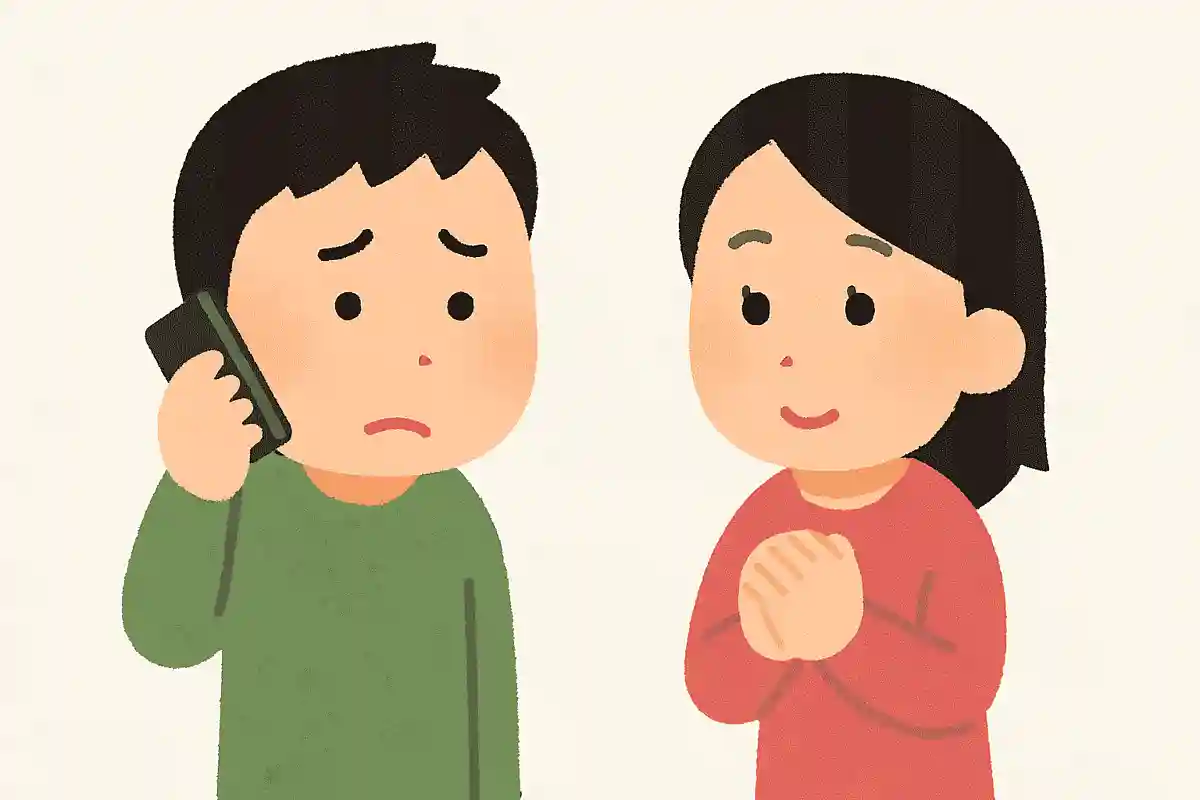
Even if you mean well when you say, “Please tell me what’s going on,” the right timing to talk differs from person to person.
It’s important to want to be there for someone, but we should also value the perspective of how the other person feels.
Even if they want to seek advice, they may worry, “What if they think negatively after hearing what I’m thinking?” or feel embarrassed about saying certain things.
With that in mind, it’s important to show that you care and are watching over them by saying things like, “Reach out when you feel ready to talk,” or “I’m here to listen anytime.”
Expressing gratitude by saying ‘thank you’
It’s said that a fundamental human desire is the feeling of wanting to be useful to someone.
This connects to the need for recognition—being helpful, having one’s existence acknowledged, and being treated as important.
Many older adults, due to illness or injury, currently find it difficult to move their bodies as they wish, which can lead to apathy and a decline in their ability to value themselves.
Even for small things, why not try saying “thank you” when an older person helps out or makes an effort to do something? Words of gratitude can enhance an older person’s sense of worth and become the energy that helps them live each day with vitality.
[For Seniors] Uplifting Words That Comfort the Heart (21–30)
Positive words that brighten the mood, such as “Please stay healthy and live a long life” and “Let’s go to ___ again.”
Many elderly people seem to feel anxiety—about loneliness, or about needing care due to injuries or illness.
At such times, why not offer words that express your wish for their longevity, like “I hope you stay healthy and live a long life”? You could also share positive words that inspire hope for the days ahead, such as “Let’s go to XX again.” Even seniors who are feeling down may become more positive when they receive warm, encouraging words that add something positive to their daily life.
The key is to listen attentively and empathetically—carefully hearing out their worries and concerns—while conveying your support in a way that genuinely aligns with their feelings.