

[For Seniors] Uplifting Words That Comfort the Heart

It seems many older adults carry worries, such as finding it harder to move their bodies than before or becoming more prone to illness.
Some also feel lonely, perhaps due to circumstances that have distanced them from their families.
In such times, we all want to support older adults, stay close to their feelings, and help them feel energized.
With that in mind, this time we’re introducing “uplifting words for older adults.” When interacting with older adults, you may sometimes wonder, “What kind of words of encouragement should I use?” Please take advice from those who are good at offering supportive words, and use the “uplifting words” we introduce here as a reference to spend wonderful time with the older adults in your life.
- Introducing words that will delight elderly people
- For seniors: Words of gratitude and uplifting magic phrases. Tips for saying things that resonate with the heart.
- [For Seniors] Tips for Birthday Messages They’ll Love
- Conversations Made Easy! A Collection of Topics That Elderly People Enjoy
- Words useful for conversations with elderly people. Words that were used in the past.
- [For Seniors] Laugh-Out-Loud, Crowd-Pleasing! Fun Quiz
- [Brain Training] Lively Word Quiz for Seniors
- Introducing old-fashioned words that are useful for conversations with elderly people!
- [For seniors] Turn negatives into positives: Ways to interact that inspire motivation
- [For Seniors] Boost Oral Function with Tongue Twisters! Recommended Picks to Try
- [For Seniors] Guaranteed to Liven Things Up! A Collection of Brain Training Activities That Will Spark Laughter
- [For Seniors] Fun and Informative! Health Trivia Quiz
- [For Seniors] Let’s Have Fun Together! Introducing Uplifting, Energizing Songs
[For Seniors] Uplifting Words That Comfort the Heart (41–50)
Better to be a genius at praising people than a genius at finding their weaknesses.Shuzo Matsuoka
Among Shuzo Matsuoka’s many sayings is this: “It’s better to be a genius at praising people than a genius at finding their weaknesses.” Our eyes can’t help but be drawn to faults sometimes.
However, by finding and focusing on the good points, the way we perceive others will change.
There are surely many older adults who, with age, feel various anxieties.
Why not share Matsuoka’s words with such seniors? It might change the way they interact with those around them.
These words are also recommended for people who work with or care for older adults.

[For Seniors] Uplifting words that empathize with your feelings (51–60)
No matter how old you get, no one is without flaws. The more you seek perfection, the more stifling it becomes. Accept that you have shortcomings and just live trying to get a little better, step by step.Hisato Taguchi
Everyone has flaws.
These are gentle words from Hisato Taguchi that remind us of that simple truth.
As we grow older, there are more moments when we bind ourselves with “I must be this way,” but believing that it’s okay not to be perfect and that it’s fine to move at your own pace creates space in the heart.
Accumulating small changes leads to quiet yet genuine growth.
Perhaps it’s this very attitude that enriches life.
When you feel yourself starting to be self-critical, try to recall these words.
It’s a phrase to cherish—one that quietly stays close to your heart.

At the moment of parting, or when a farewell is near, it’d be nice to have beautiful words to say. It’s a blessing to have someone you can see tomorrow.Kinichi Ogimoto
These are the words of Kinichi Hagimoto—affectionately known as Kin-chan—who was active as part of the comedy duo Kont 55-go and as a host.
I feel that the “farewell” in these words carries many meanings.
Besides the parting where we say “see you again” and promise to meet, an eternal farewell with someone dear also comes to mind.
Just because we met today doesn’t mean we’ll meet tomorrow.
For older adults who have lived many years, there may be many moments when they feel this especially strongly.
Offering beautiful words may be a way to express gratitude to that person, and at the same time, it might also be something we do for ourselves.

I see—that makes sense. Express empathy and be attentive to the other person’s feelings.
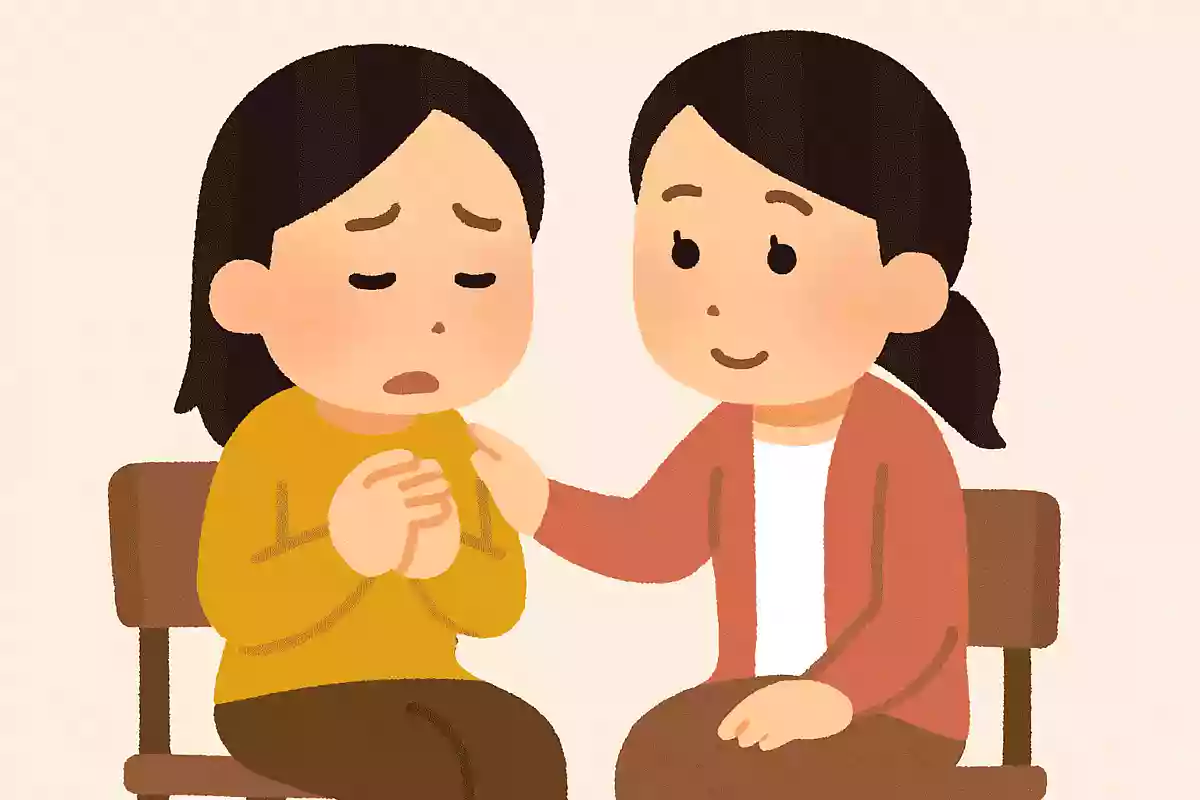
The phrase “sō datta no desu ne” (I see, is that so) is an expression of empathy.
Older adults often want to feel reassured by talking about their worries or unpleasant experiences.
So if an older person shares something that makes them anxious or sad, please listen to them.
Then, respond in a way that stays close to their feelings by saying, “I see” or “I understand—that’s what happened.” Just that alone can help them feel at ease.
When someone empathizes with us, it helps us feel more positive, doesn’t it?
Listen attentively to elderly people by echoing their words (paraphrasing/reflective listening)
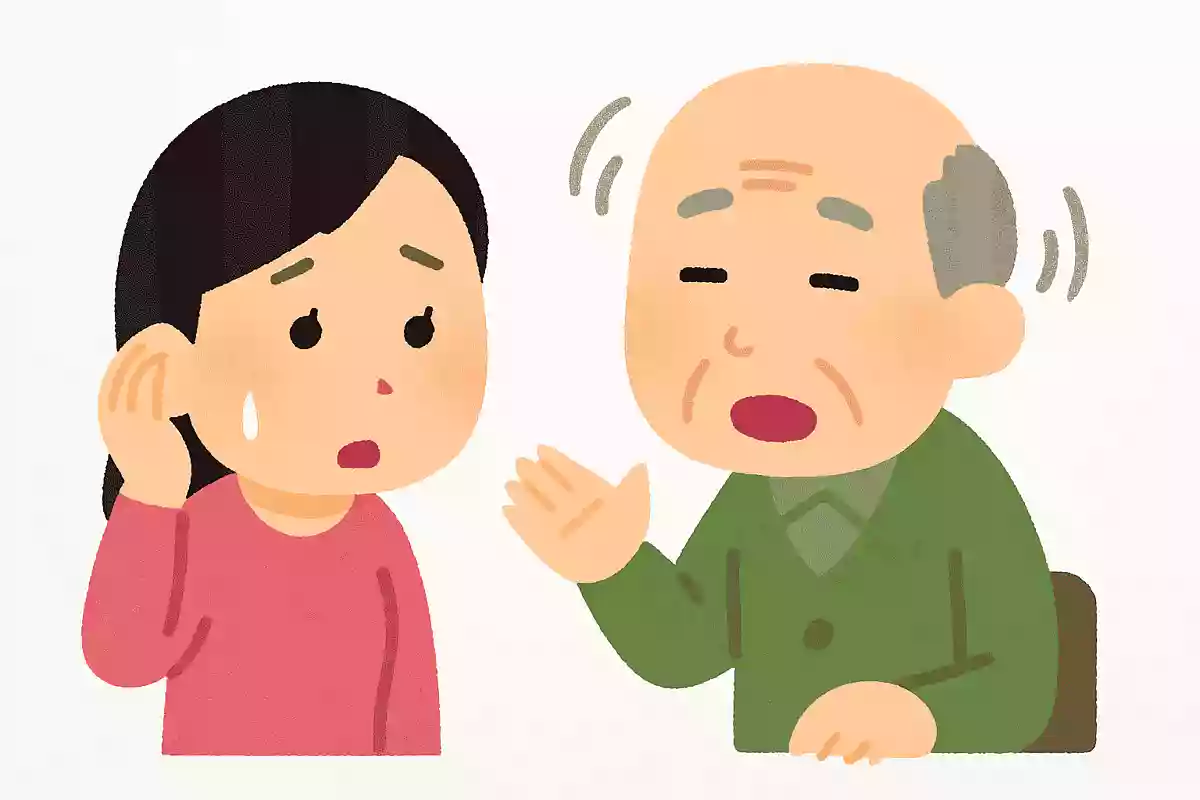
Parroting means repeating back exactly what the other person said.
You might wonder, “Can that really make a conversation work? Won’t it make the other person feel bad?” But for older adults, it’s an effective way to communicate.
By using parroting, you help them feel, “They’re really listening to me,” which builds trust.
There are actually many people who, when they want someone to listen, aren’t looking for answers—they just want to be heard.
So don’t force yourself to offer solutions or convey something specific; simply stay by their side and use parroting to listen supportively.
Give responses that accept and do not deny what elderly people say.
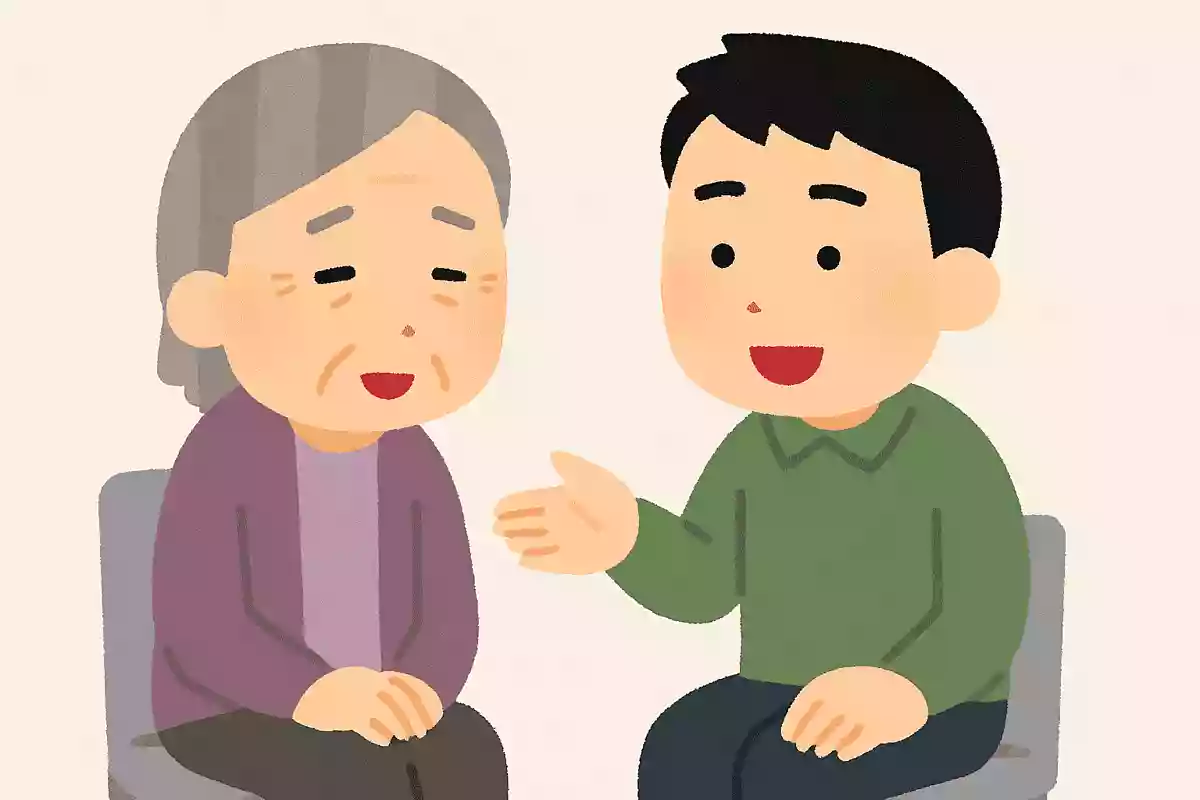
Some older adults with dementia may say, “I haven’t eaten,” even after a meal.
Once or twice is manageable, but if it happens every day, it can be tough.
Still, it’s not that they’re saying it on purpose.
So rather than denying their words, try gently responding with something like, “I’m getting your meal ready now,” or “I’m cooking, so please wait a little.” This can sometimes help calm their feelings.
Respect and honor elderly people
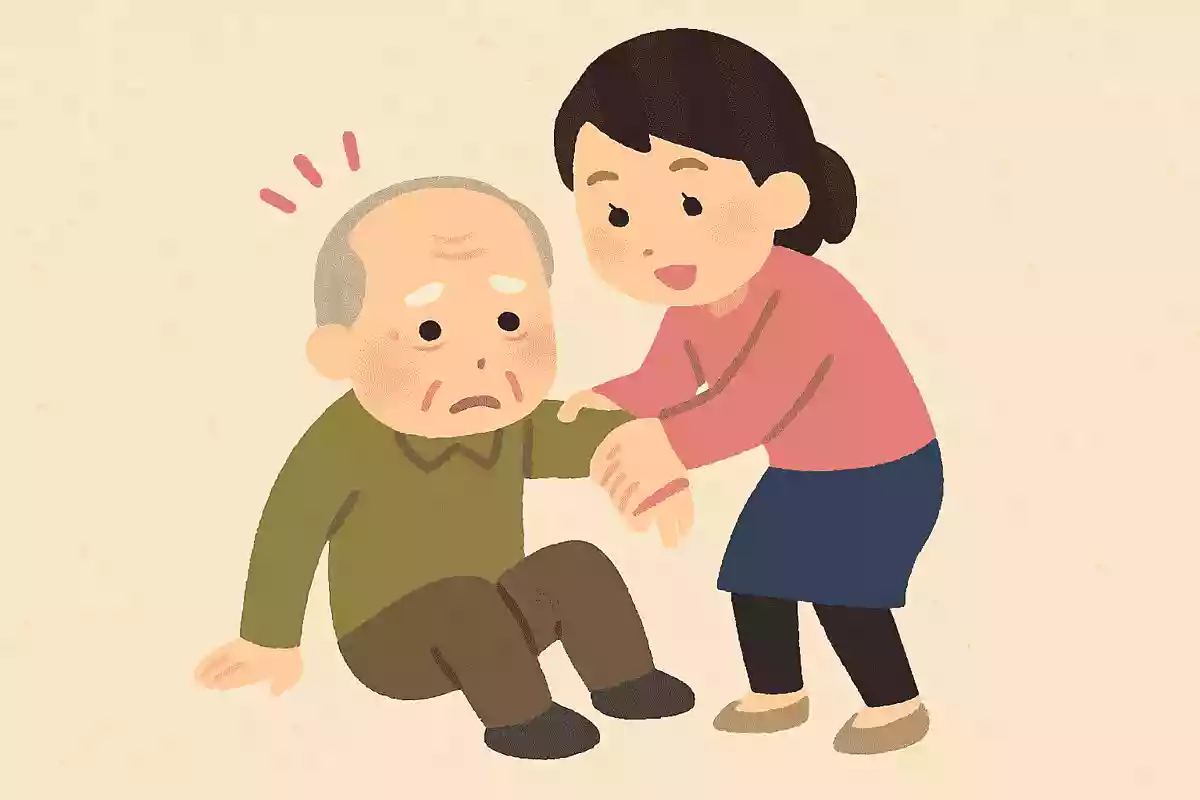
Praising or elevating the other person makes them feel good and improves the atmosphere of the situation.
There aren’t many people who feel bad about being praised.
Even if they say they’re embarrassed, they’re often happy inside.
Adding words that lift the other person—such as “I want to be like you” or complimenting what they’re wearing—can help open the hearts of older adults and give them a sense of security.
By elevating them, you show respect, which makes them feel cared for and can boost their spirits.
Try using this in your everyday conversations.