

[For Seniors] 3-Choice Dialect Quiz! A Collection of Fun Dialect Quizzes from Around Japan


Dialects are interesting, aren’t they? Because they differ by region, sometimes people from other areas can’t understand them at all.
On top of that, the expressions vary by generation and prefecture, so learning them can be pretty tough.
Today, I’d like to introduce a quiz that uses such dialects.
If you’ve only ever lived where you were born and raised, dialects from other regions might feel fresh and novel.
Even if you’ve lived a long time, you might discover new dialects you never knew existed.
If you’re a staff member working in a senior care facility and are thinking about incorporating a dialect quiz, please feel free to use this as a reference.
- [For Seniors] Laugh-Out-Loud, Crowd-Pleasing! Fun Quiz
- [For Seniors] Great for killing time! A fun three-choice trivia quiz
- [For Seniors] Fun Brain Training! Prefecture Quiz
- [For Seniors] Trivia Multiple-Choice Quiz
- [For Seniors] Nostalgic quizzes that bring back memories! Showa-era entertainment and sports questions
- Let's Discover the Charm of Kansai Dialect! A Kansai Dialect Quiz for Seniors
- [For Seniors] Enjoyable Brain Training! Liven Up with a Local Three-Choice Quiz
- [Enjoyable History Quiz] Easy multiple-choice (3 options) quiz that’s accessible for seniors!
- [For Seniors] Fun! Let’s Get Excited with Japan’s Number One Quiz
- [For Seniors] Surprisingly Unknown! General Knowledge Quiz
- [For Seniors] Fun and Informative! Health Trivia Quiz
- [For Seniors] Fun and Informative! Trivia and Quizzes Introduced
- [For Seniors] Fun and Informative Trivia Quiz Collection
[For Seniors] 3-Choice Dialect Quiz! A Roundup of Interesting Dialect Quizzes from Around Japan (21–30)
How do you say “very” in the dialect of Saga Prefecture?
- Tsubai
- Beera
- very; super; extremely (Saga dialect/slang)
See the answer
very; super; extremely (Saga dialect/slang)
In Saga Prefecture, they say “gabai” to mean “very.” That dialect became famous nationwide because Yoshichi Shimada’s novel “Saga no Gabai Baachan” (My Gabai Grandma from Saga) was a hit.

In Iwate Prefecture, how do people say it in dialect when they’re surprised?
- dododo
- jaja-ja
- Jeez!
See the answer
Jeez!
Haven’t you heard the dialect expression “je je je” at least once? It’s a dialect that became widely known across Japan thanks to the 2013 NHK morning drama series Amachan.
In Wakayama Prefecture, there’s a dialect word “kuchinawa.” What does it mean?
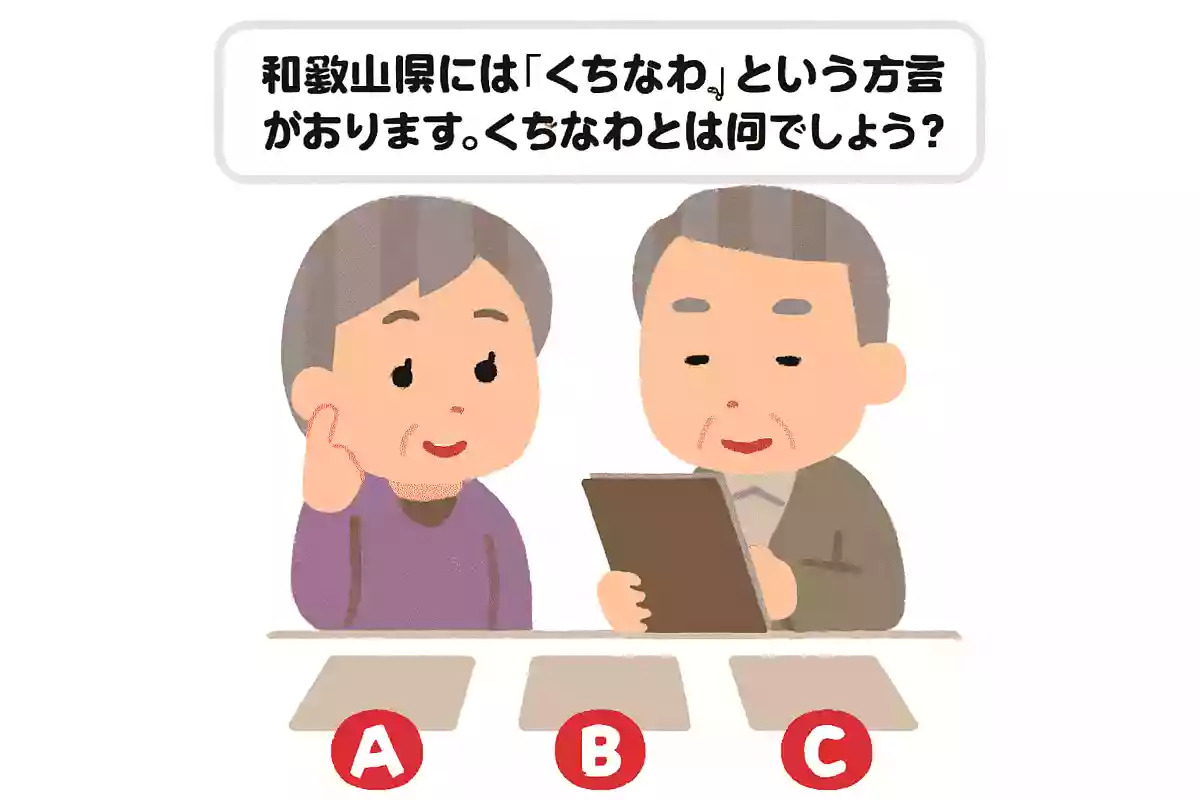
- snake
- earthworm
- lizard
See the answer
snake
In Wakayama Prefecture, snakes are called “kuchinawa.” The term “kuchinawa” is also used for old ropes that have lost their elasticity. It may be that people started calling them “kuchinawa” because they resemble snakes.
In Wakayama Prefecture, what is the dialect word for “bicycle”?
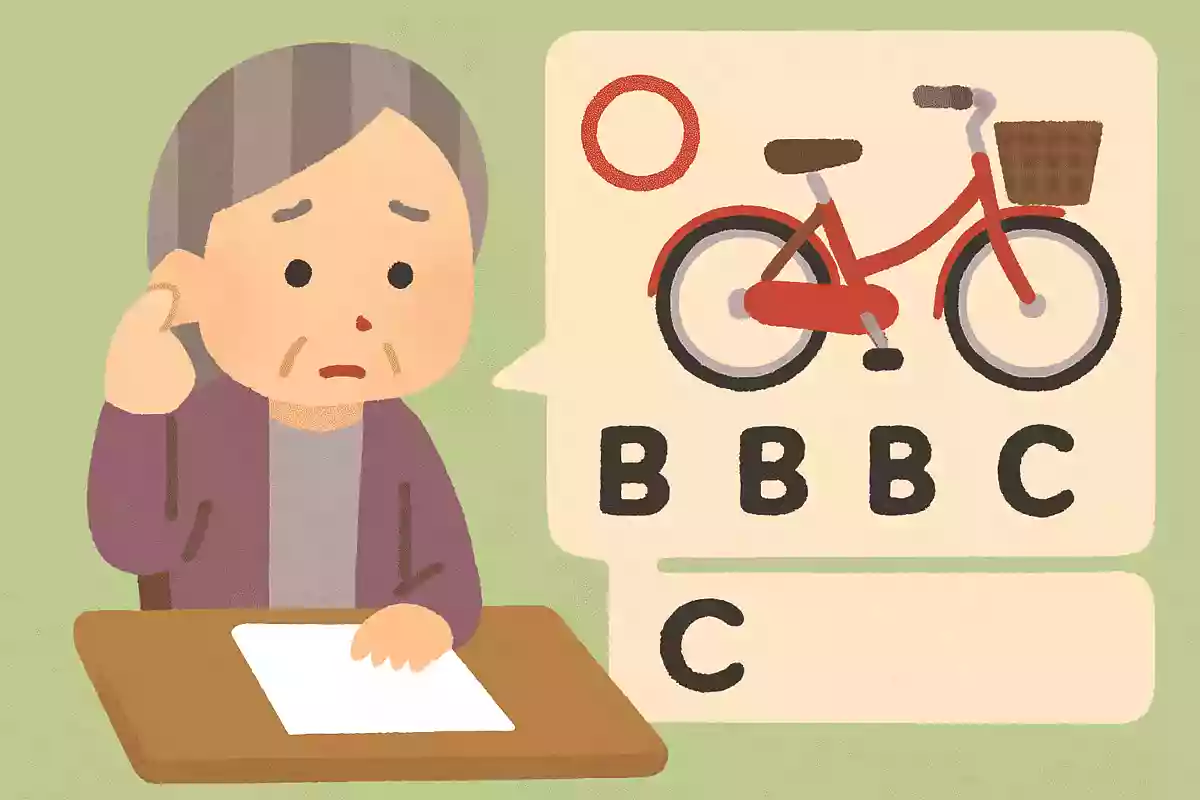
- jitēko
- padded sleeveless kimono jacket (chanchanko)
- unicycle
See the answer
jitēko
In other prefectures, people also call bicycles “chari,” right? Surprisingly, in Wakayama Prefecture, they call a bicycle “jiteko.” Hearing “jiteko” is surprising, but it’s a curious dialect that people in Wakayama understand.
What does katasu mean in the Shizuoka dialect?
- Include me / Let me join / Count me in
- to tidy up; to put away; to clean up
- shoulder massage
See the answer
Include me / Let me join / Count me in
In Shizuoka Prefecture, people use the word “katasu” when they want to be included in a group at school. In other prefectures, it tends to be taken to mean “to tidy up,” so it’s an interesting dialect, isn’t it?
In the Toyama dialect, what does “tsukaen” mean?
- Close
- I don't mind.
- It’s clogged.
See the answer
I don't mind.
In Toyama Prefecture, they apparently use the dialect word “tsukaen” to mean “it’s okay” or “no problem.” Since in most other prefectures it has a negative meaning like “can’t be used,” hearing someone suddenly say “tsukaen” might be quite surprising.
What do people in Nara Prefecture call sweets in their dialect?
- jewel
- konpeitō (traditional Japanese sugar candy)
- gold dust
See the answer
jewel
Jewels have a sparkling, luxurious image, don’t they? I’ve heard that long ago, when sweets were rare and hard to come by, people started calling sweet confections “houseki” (jewels), and that’s where it began.