

[For Seniors] Introducing Scary Trivia Quizzes & Fun Facts!

This time, I’d like to talk about some “scary trivia” lurking in our everyday lives.
Trivia is like a little spice.
The more you learn, the more you may feel not only fear, but also a curious sense of fascination.
For older adults in particular, thinking through quiz questions can increase cerebral blood flow and help prevent cognitive decline.
It also boosts concentration and attention, making it great training.
I hope this trivia will be of some help the next time you share scary stories.
It can also be a chance to deepen connections with older people around you, so please make good use of it.
- [For Seniors] Fun and Informative! Health Trivia Quiz
- [For Seniors] Trivia Quiz & Fun Facts for Everyday Life
- [For Seniors] Perfect Brain Training! Fun Trivia
- [For Seniors] Get Excited by Knowing the Answers! Tricky Quiz
- [For Seniors] Sports Trivia Quiz & Fun Facts. Easy and Entertaining
- [For Seniors] Fun! Let’s Get Excited with Japan’s Number One Quiz
- [For Seniors] Enjoy Brain Training with September Trivia Quizzes & Fun Facts
- [For Seniors] Fun and Informative! Trivia and Quizzes Introduced
- Laugh and have fun! A collection of funny 10-times game questions
- [For Seniors] Trivia Quiz & Fun Facts on Blood Types: A quiz packed with what you want to know, like which illnesses you’re more prone to.
- [For Seniors] Hina Matsuri (Girls’ Day) Trivia Quiz & Fun Facts. Recommended for Dementia Prevention Activities
- [For Seniors] Surprisingly Unknown! General Knowledge Quiz
- How much do you know? Trivia quiz for seniors that’s full of surprisingly unknown facts
[For Seniors] Introducing Scary Trivia Quizzes & Fun Facts! (21–30)
In the Edo period, when high-ranking women did a certain act, there were people who stood in as substitutes. What were they substituting for?
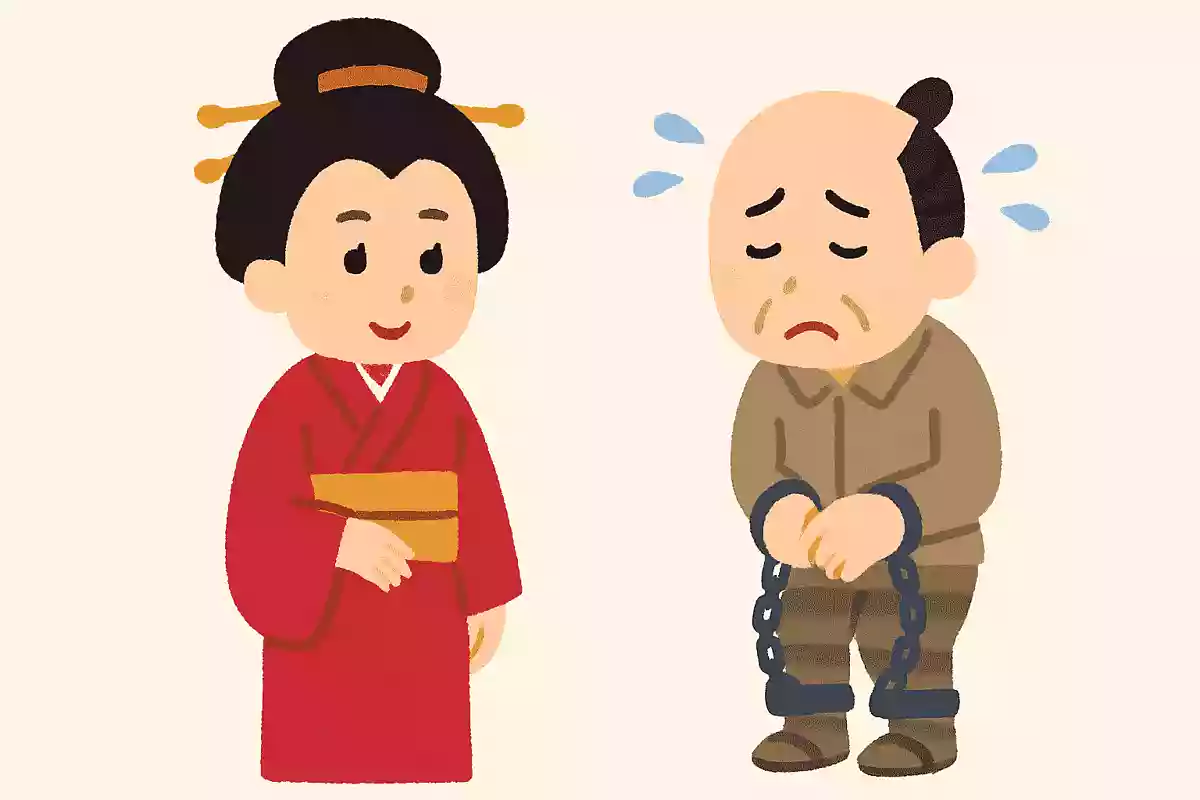
- sneaking a bite
- fart
- leftovers
See the answer
fart
It’s said that in those days, some high-status women were so embarrassed about passing gas in public that they even took their own lives or became reclusive. So it wouldn’t be surprising if there were people whose job was to pass gas on their behalf.

Do tears change their taste depending on the emotion felt when they are shed? True or false?
- ○
- ×
See the answer
○
The taste of tears is altered by sodium, and the difference arises because the sympathetic and parasympathetic nerves, which control the tear glands, function differently depending on emotion. When the sympathetic nervous system is dominant, the sodium concentration in body fluids increases, making tears taste salty. When the parasympathetic nervous system is dominant, the sodium concentration does not rise, and tears become more watery with a slightly sweet taste.
People say that if you pick up something you dropped within three seconds, it’s fine—but is that really true?
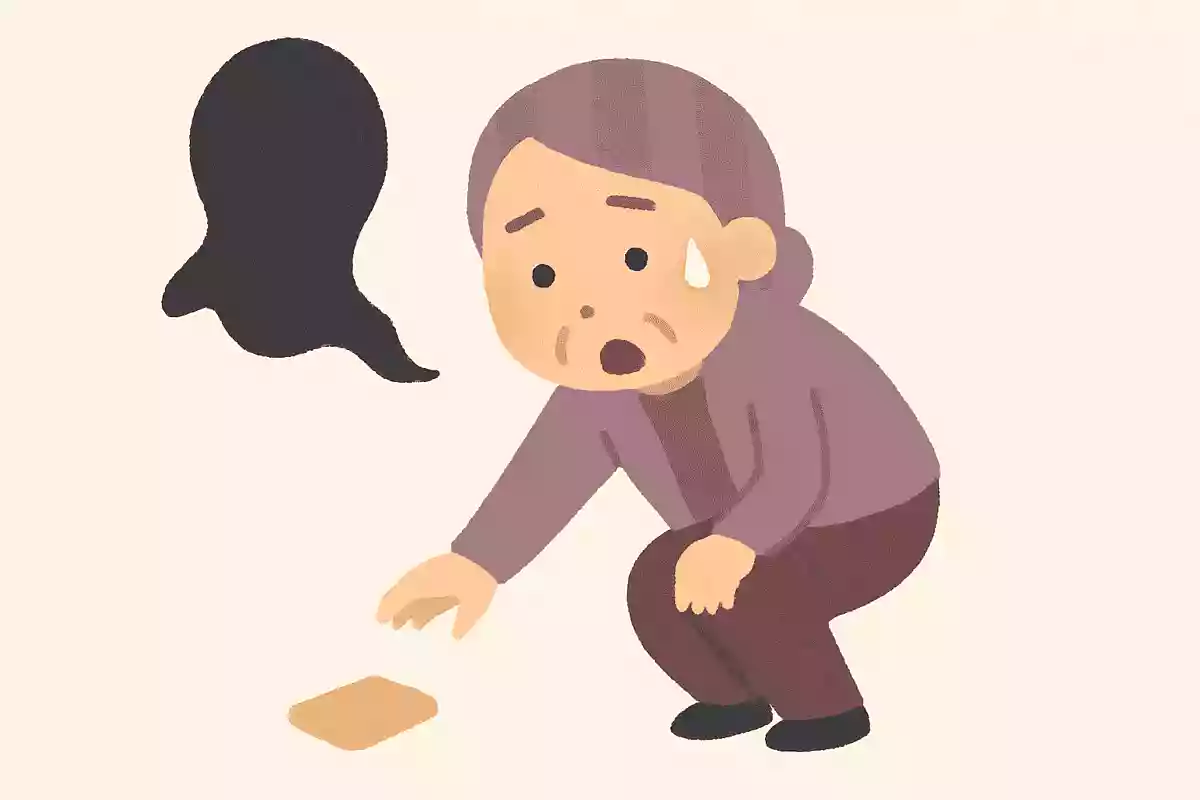
- 1 second
- 5 seconds
- It's already no good the moment you drop it.
See the answer
It's already no good the moment you drop it.
The so-called “three-second rule,” which says it’s safe to eat food if you pick it up within three seconds, doesn’t seem to have any scientifically valid basis. It’s known that a large number of bacteria adhere to food the moment it hits the ground. In other words, it’s not safe as soon as it’s dropped.
You’re more likely to get cavities if you chew your food thoroughly. True or false?
- ○
- ×
See the answer
×
Chewing your food thoroughly helps prevent cavities. Chewing well stimulates the secretion of saliva. Saliva helps wash away food debris and bacteria and helps maintain balance in the condition of the mouth.
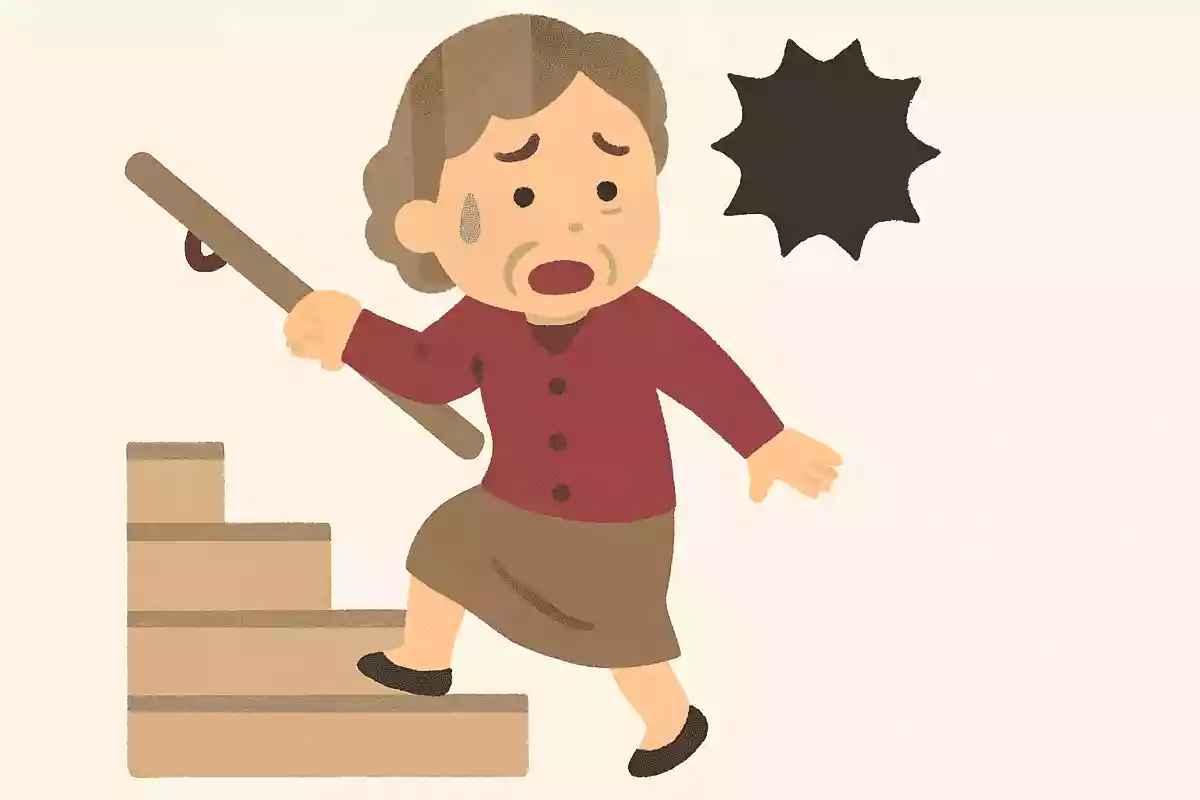
True or false: Going down stairs also strengthens the thigh muscles and makes you less likely to fall.
- ○
- ×
See the answer
○
When you go down stairs, you primarily work the quadriceps on the front of the thighs. The downward motion involves contracting the muscles while they lengthen, which makes it an effective way to strengthen them.
In conclusion
“Scary trivia” lurks close to home.
This quiz also works as brain training, and the more you learn, the more you may feel not only fear but also a strange sense of fascination.
I hope these tidbits prove at least a little useful the next time you tell a scary story.