

[For Seniors] Interesting spring haiku: introducing verses with striking kigo and unique expressions

When you sense the arrival of spring, don’t you feel like putting the scenes that catch your eye into words? Haiku is a uniquely Japanese art that expresses seasonal landscapes and feelings in the five-seven-five rhythm.
Among them, spring haiku are full of humorous works and seasonal words that make you chuckle.
For older adults especially, there’s a special joy in capturing the little “funny moments” and everyday “relatable things” from daily life in a verse.
In this article, we’ll introduce plenty of amusing haiku with a spring theme.
You can enjoy reading them—or try composing a verse of your own.
Please feel free to savor the world of haiku.
- [For Seniors] Haiku for March: Enjoying a Spring Moment with Famous Verses
- [For Seniors] Spring Haiku. Spring Activity
- [For seniors] Classic spring kigo: beautiful words that evoke the season
- [For seniors] April haiku. Exciting
- [For Seniors] Spring-themed quizzes: Fun trivia questions that help prevent dementia while you solve them
- [For Seniors] Haiku Introductions for May: A Fun Recreation Activity
- [For Seniors] Haiku for February: A Collection of Famous Verses Depicting the Transition from Winter to Spring
- [For Seniors] Spring Songs You'll Want to Hum: Feel the Season with Nostalgic Classics
- [For Seniors] Chuckle-Worthy Silver Senryu: Tips for Writing Them Humorously and Example Verses
- [For Seniors] Fun Spring Recreational Activities: A Collection of Games and Play Ideas
- [For Seniors] A Collection of Famous Autumn Haiku: Introducing Beautiful Verses That Evoke Vivid Scenery
- [For Seniors] Famous Haiku About January: Learn New Year Season Words and Tips for Composing
- [For Seniors] Winter Haiku: Introducing Beautiful Masterpieces by Famous Haiku Poets
[For Seniors] Funny Spring Haiku: Introducing verses with strikingly unique expressions and seasonal words (11–20)
With the scent of plum blossoms, the sun suddenly rises on a mountain path.Matsuo Bashō
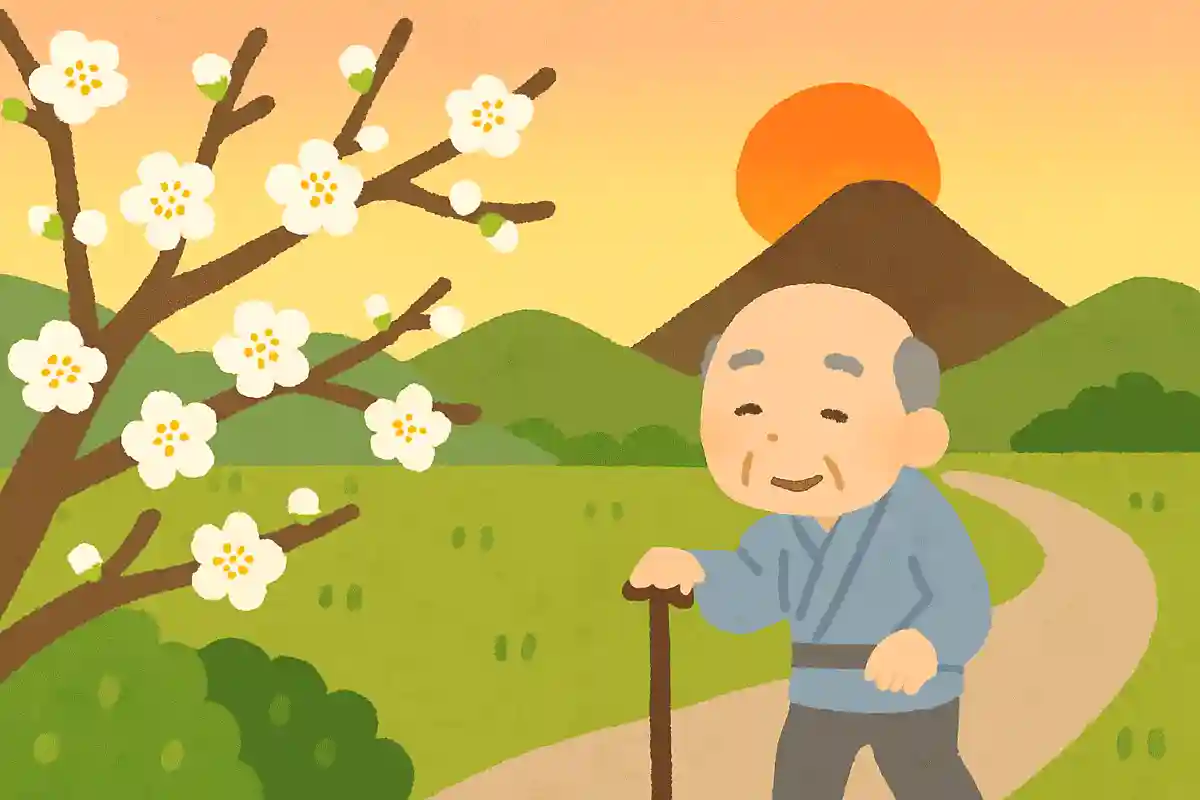
This is a spring verse by Matsuo Bashō.
“Ume ga ka ni” conveys the gentle waft of plum blossoms’ fragrance.
In the still slightly chilly early morning, as you walk along a mountain path, that plum scent feels pleasantly comforting.
In that moment, when you lift your gaze, the sun, as if lured by the fragrance, quietly “notsu-to” shows its face.
The word “notsu-to” gently expresses something appearing suddenly yet quietly.
You can feel the quiet joy of a spring morning.
Imagining the sunrise rising together with the plum’s scent, you can picture a warm sense of spring softly spreading through Bashō’s heart.

In conclusion
Spring haiku offer the joy of capturing everyday moments with a touch of humor. Spending time expressing the changing seasons in the five-seven-five rhythm soothes the heart and brings out smiles. When older adults put their heads together, a line that sparks unexpected laughter may be born. Pick up your pen casually and enjoy creating amusing haiku that are unique to spring.