

Introducing words that will delight elderly people

What kind of words do you think make older adults happy?
When working in a senior care facility, the most important thing is communication with the residents.
If communication goes smoothly, it’s easier to build trust with them.
Trust is something that develops over a long period of time, but if you work in a care facility, it’s something you’ll want to acquire quickly.
This time, for those who struggle with communicating with older adults, we’ll introduce words and phrases that make them happy.
Please use this article as a reference and enjoy communicating with older adults.
- [For Seniors] Uplifting Words That Comfort the Heart
- For seniors: Words of gratitude and uplifting magic phrases. Tips for saying things that resonate with the heart.
- [For Seniors] Tips for Birthday Messages They’ll Love
- Conversations Made Easy! A Collection of Topics That Elderly People Enjoy
- Words useful for conversations with elderly people. Words that were used in the past.
- [For Seniors] Conversation starters that help you chat: engaging questions and topics to spark lively talks
- For Seniors: Fun and Lively Exercise Recreation
- Fun, engaging topics for conversations with older adults!
- [For Seniors] Guaranteed to Liven Things Up! A Collection of Brain Training Activities That Will Spark Laughter
- [For seniors] Turn negatives into positives: Ways to interact that inspire motivation
- [For Seniors] Lively Wordplay Game: Fun Recreation for Elderly Care
- Interesting Omikuji Message Ideas for Seniors
- Recommended fun performances that will appeal to elderly people
Introducing Words That Delight Seniors (41–50)
“From here on, things can only get better.” Words that turn your focus toward the future.
When talking with older adults, there are times when their current situation isn’t very good or they’re feeling down.
In such moments, try offering words that empathize with their feelings while helping them look forward.
For example, how about something that directs attention to the future, like, “From here, things can only get better”? Instead of focusing on the present situation right in front of them, express the upcoming events in a positive light.
It may help them shift their mindset toward a brighter future.

“You need to take a breather once in a while.” “I know how hard you’ve worked.” Encouraging words that cheer someone on while offering support.
Some older adults may have things they continue doing every day or activities they work hard at.
You might hear about these during conversations with them.
Here are some encouraging phrases you can use, such as “It’s important to take a breather once in a while,” or “I know how hard you’ve worked.” Words of encouragement can help older adults feel more positive.
However, even well-intended support can sometimes feel like pressure.
The key is to avoid forcing them to “keep trying” and instead use language that affirms their efforts and acknowledges what they’ve already done.
“Is there anything I can help you with?” Create an approachable atmosphere.
Among older adults, some may have experienced the loss of a partner or friends.
In addition, many have retired and lost social connections as they age, which may leave them feeling lonely.
By talking with older adults, it would be wonderful if we could help them feel that they are not alone and ease their sense of loneliness.
It might also be helpful to create an approachable atmosphere by saying something like, “Is there anything I can help you with?” Through offering help, conversations with older adults can deepen, and it may also provide them with a sense of emotional reassurance.
“That’s cool!” “That sounds interesting!” Showing interest in what the other person says and an attitude of appreciating that they shared it.
We feel happy and reassured when the person listening to us responds positively to what we say.
Older adults who share their stories feel the same way.
It’s important to show interest and express appreciation for what they’ve told you with comments like “That’s cool!” or “That sounds interesting!” This attitude is also helpful when talking with older adults who aren’t confident in conversation.
Feeling that someone is interested in them can help them relax and think, “Maybe I’ll share a bit more.” That can lead to a richer conversation and help build trust.
“I’m glad you told me.” — expressing gratitude for opening up about your feelings
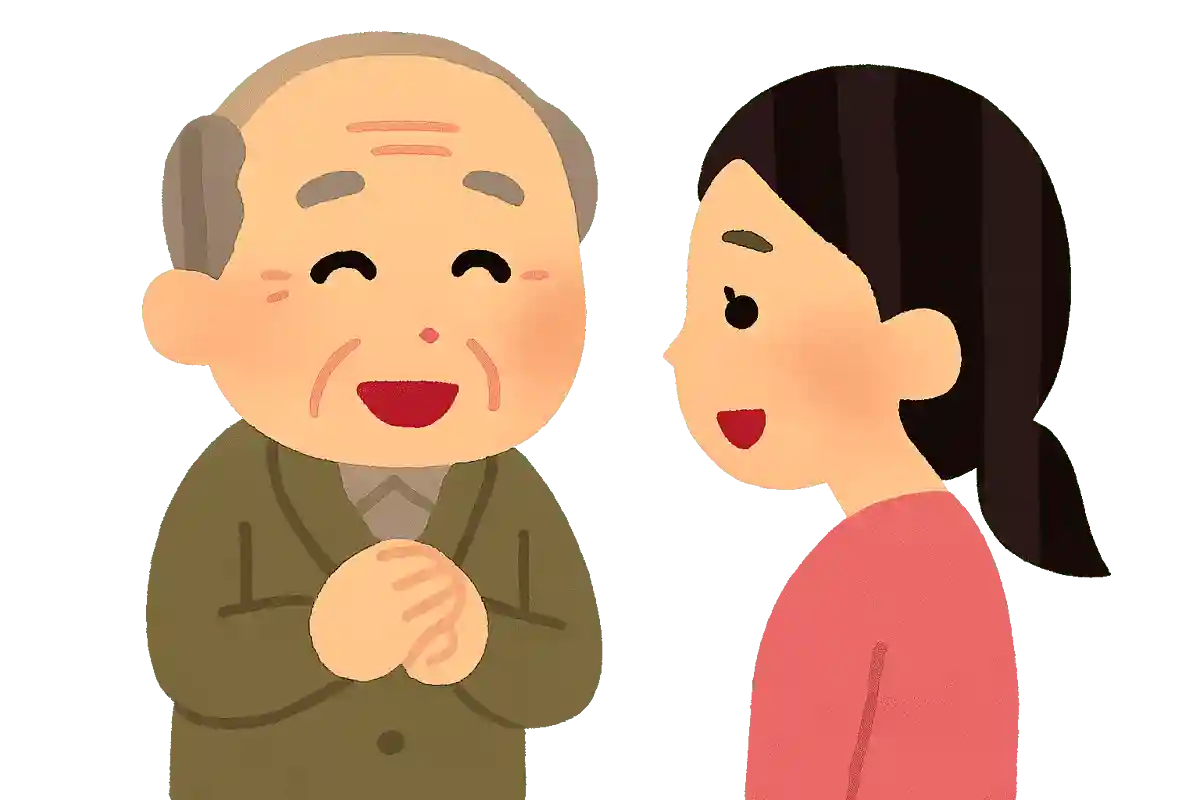
Not only older adults, but anyone would be happy to be listened to and respected.
It’s also said that just adding a few encouraging words to a conversation can brighten an older person’s spirits.
When an older person opens up about their feelings, it might be good to say, “I’m glad you told me.” Because they’re sharing their true feelings, there will be both pleasant things and things that may be hard to hear.
However, if we listen without denying their feelings and add a simple “I’m glad you told me,” they will likely feel reassured.
This can also be a starting point for building a trusting relationship with older adults.
“We’re cheering you on, [Name].” “We’ve got your back.” Words that empower that person.
!["We're cheering you on, [Name]." "We've got your back." Words that empower that person.](https://media.ragnet.co.jp/img/1200__png__/files/2025/05/b5e58696c58f1ed4a4cf4217bf813a9c.webp)
As people grow older, they may feel anxious about their existence and their future.
In such times, offering a warm message can be a powerful source of support.
These words convey trust in the person and confidence in their strength.
For many older adults, facing feelings of loneliness or powerlessness is not uncommon.
Sharing these words in those moments can help them realize that they are needed by someone.
Even without direct assistance, simple emotional support can be enough to change someone’s tomorrow—this message expresses exactly that.

“That must be really hard for you.” “I wish I could truly understand how you feel.” Instead of claiming to understand lightly, convey the desire to understand and to be there for the person.
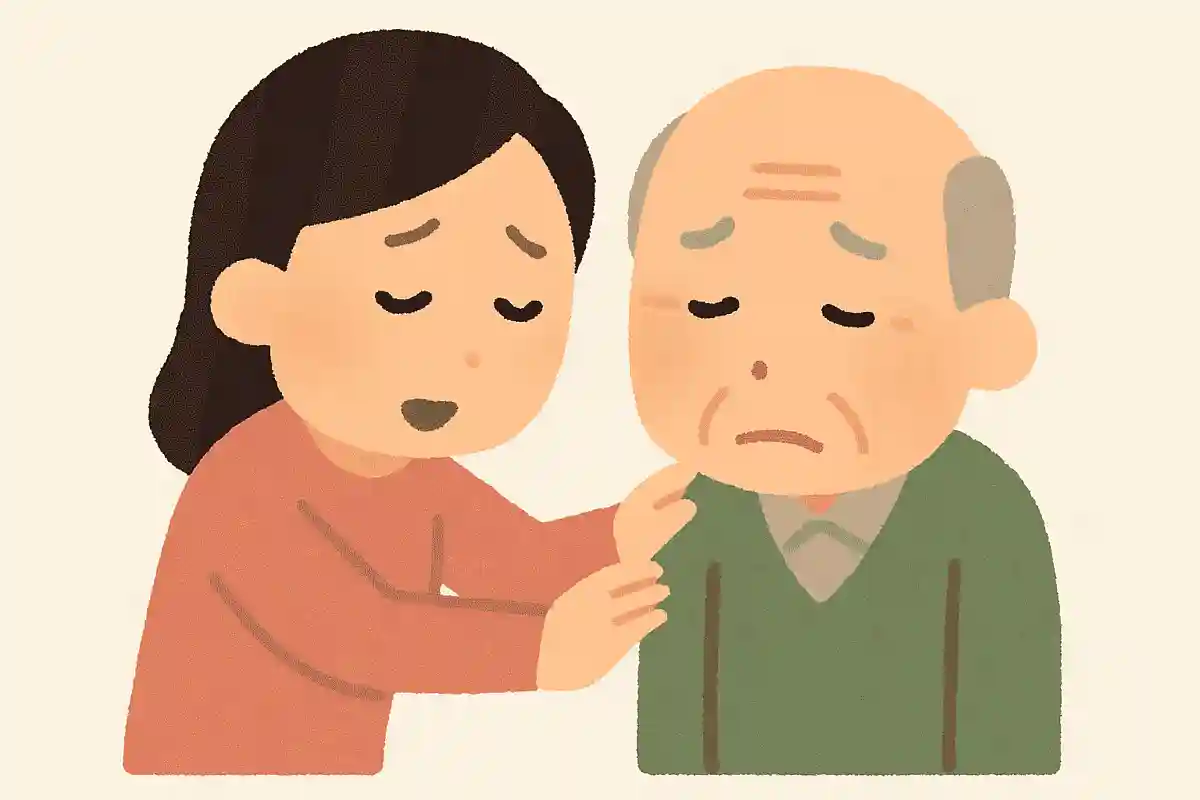
These are words that convey a desire to be close to the other person’s pain and suffering.
Rather than forcing yourself to say “I understand,” expressing a wish to understand can sometimes reach the heart more gently.
As people grow older, they often carry past experiences and current health concerns without being able to share them with anyone.
In such times, having someone who quietly listens to their feelings is the greatest encouragement.
Words alone may not change the situation, but they can create a place of belonging for the heart.
A sincere willingness to face someone will always be felt in their heart.