

Introducing words that will delight elderly people
What kind of words do you think make older adults happy?
When working in a senior care facility, the most important thing is communication with the residents.
If communication goes smoothly, it’s easier to build trust with them.
Trust is something that develops over a long period of time, but if you work in a care facility, it’s something you’ll want to acquire quickly.
This time, for those who struggle with communicating with older adults, we’ll introduce words and phrases that make them happy.
Please use this article as a reference and enjoy communicating with older adults.
- [For Seniors] Uplifting Words That Comfort the Heart
- For seniors: Words of gratitude and uplifting magic phrases. Tips for saying things that resonate with the heart.
- [For Seniors] Tips for Birthday Messages They’ll Love
- Conversations Made Easy! A Collection of Topics That Elderly People Enjoy
- Words useful for conversations with elderly people. Words that were used in the past.
- [For Seniors] Conversation starters that help you chat: engaging questions and topics to spark lively talks
- For Seniors: Fun and Lively Exercise Recreation
- Fun, engaging topics for conversations with older adults!
- [For Seniors] Guaranteed to Liven Things Up! A Collection of Brain Training Activities That Will Spark Laughter
- [For seniors] Turn negatives into positives: Ways to interact that inspire motivation
- [For Seniors] Lively Wordplay Game: Fun Recreation for Elderly Care
- Interesting Omikuji Message Ideas for Seniors
- Recommended fun performances that will appeal to elderly people
Introducing Words That Delight Seniors (41–50)
“We’re just getting started!” Words to cheer on a new challenge.
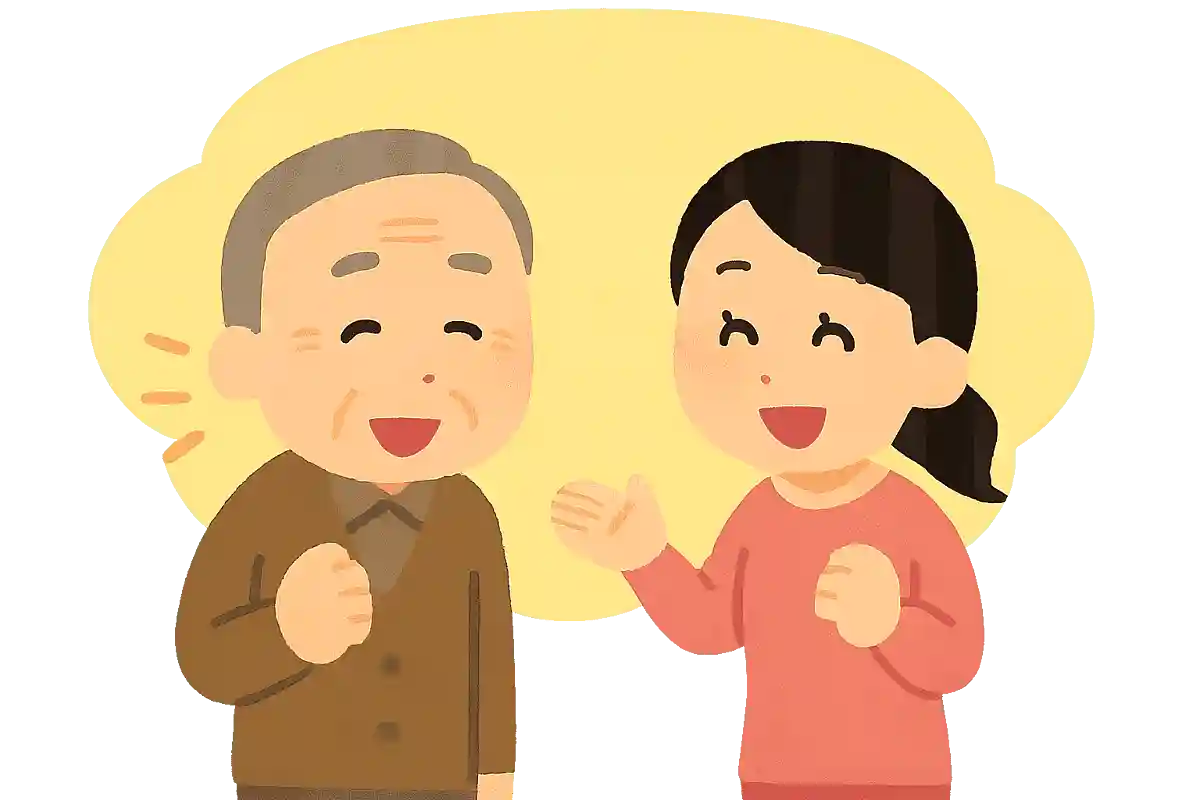
These words carry hope for the future and a heartwarming sense of encouragement.
As we grow older, we may increasingly feel that our abilities are becoming limited, yet a single comment from someone can spark a positive outlook.
Regardless of age, these words inspire a bright expectation that there may be something enjoyable waiting in the time ahead.
When shared with someone starting a new hobby or contemplating a step they haven’t been able to take before, they can shift the focus from anxiety to excitement.
Creating a moment through the power of words where someone feels, “There are still things I can do,” can become a catalyst for adding color to their life.

Introducing phrases that will delight elderly people (51–60)
“You look great today.” “Did you get a haircut? It looks wonderful.” Noticing changes in the other person = proof that you’re paying close attention.
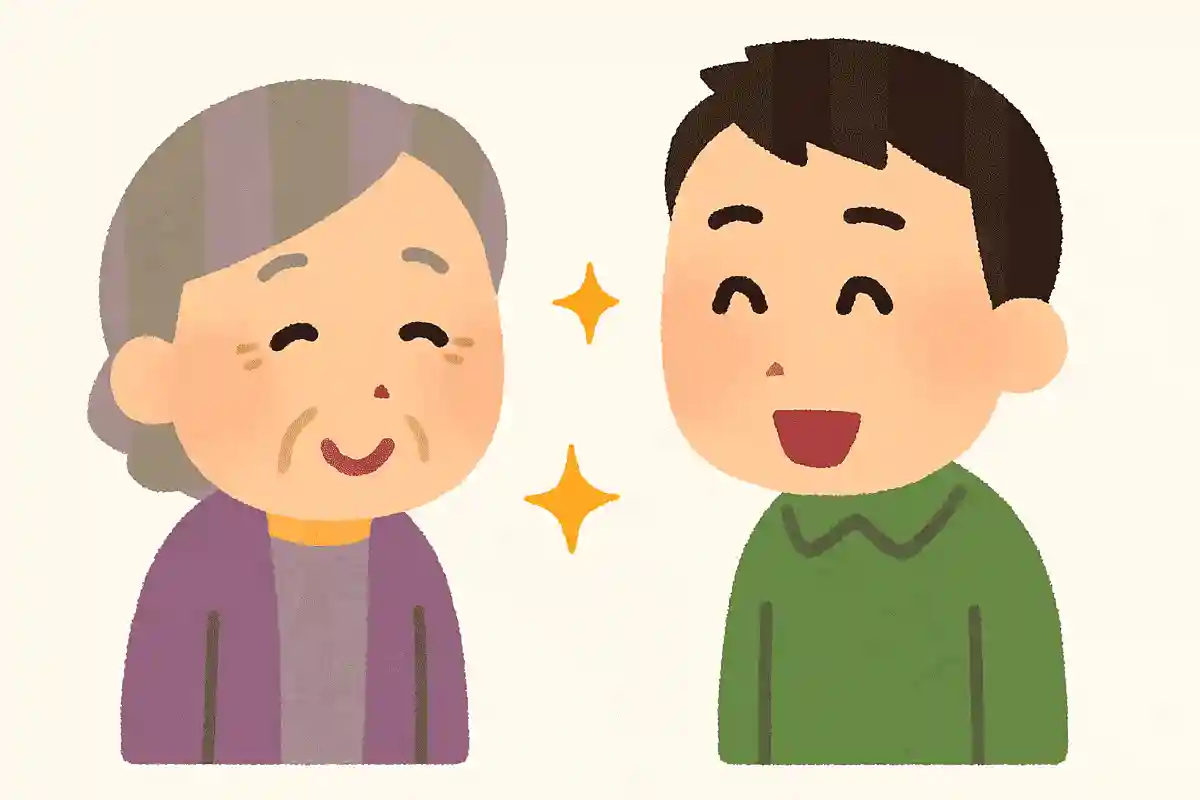
Words that notice changes in someone carry the gentle power to say, “I’m really paying attention to you.” They may seem casual, but in fact they offer a deep sense of reassurance.
Some older adults may feel their connections with others are diminishing, but even a simple acknowledgment like this can help them feel truly valued.
Noticing changes in a person’s appearance or behavior is evidence that you’re really seeing them in daily life.
Words that arise from an empathetic gaze, rather than mere observation, can become the spark that brings hearts much closer together.
“How about we take a little break today?” — a subtle way to suggest taking a rest.
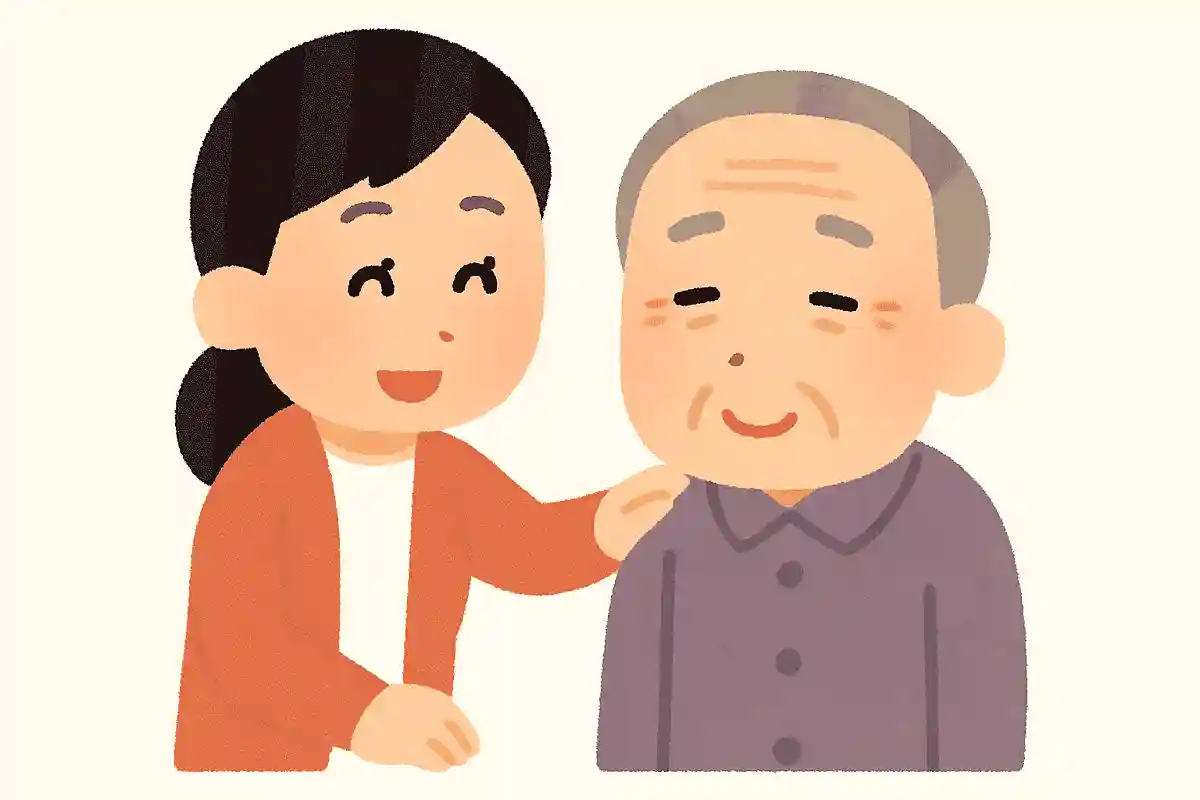
In Japanese society, there is a culture of “not causing trouble for others.” This includes things like lining up properly and not littering.
Some say it took root to keep life running smoothly when people lived in groups, such as in old village communities.
It’s also considered a Japanese virtue.
Many older people were taught these values, so I think a lot of them feel they don’t want to inconvenience others or make them worry.
However, as we age, we are more prone to various ailments.
The desire to push yourself is admirable, but a gentle reminder like, “Why not rest your body today so you can keep doing your best next week and beyond?” might help lift a weight off someone’s heart.

That must have been tough. So you went through all that? Words of appreciation for your hard work.
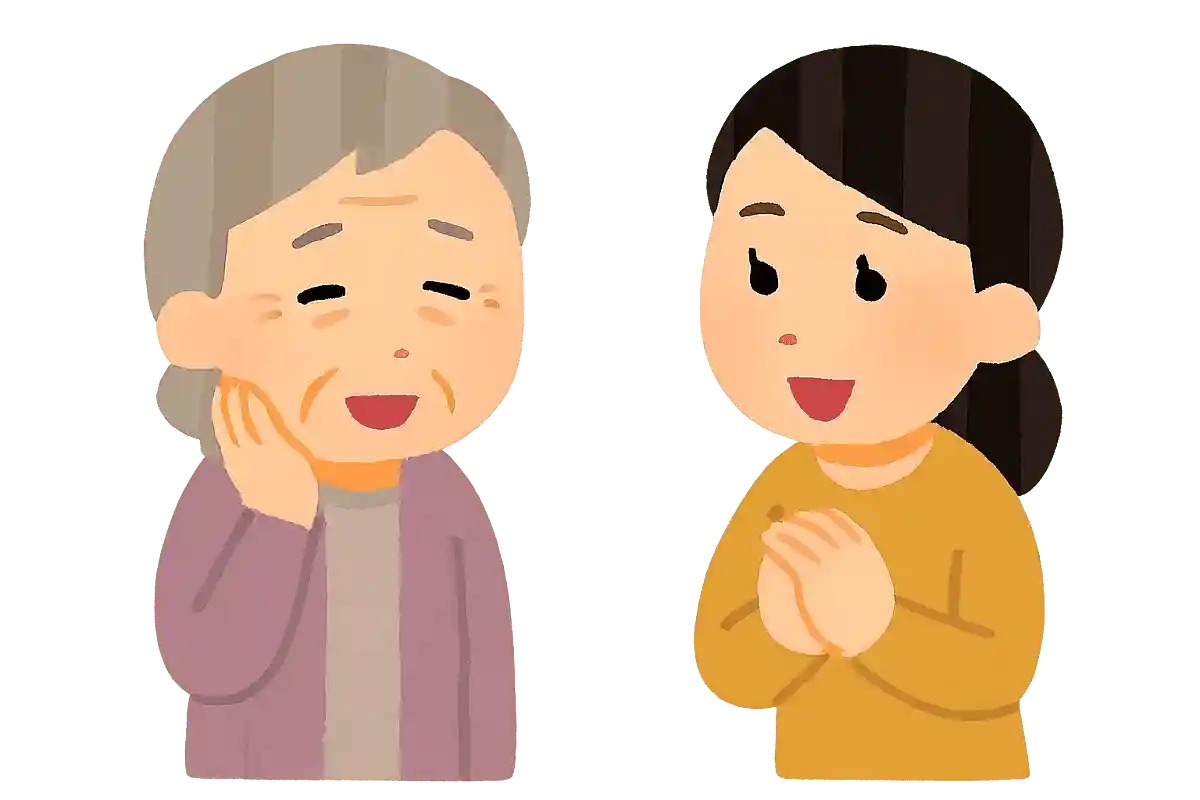
When listening to someone who has gone through many hardships, responding in words is an important act of honoring their journey.
Words of appreciation are not mere sympathy; they are proof that you truly recognize the effort and feelings they have carried.
Older adults have often taken on many roles within their families and communities, so it is important to approach them with an understanding of that background.
Simply listening carefully and responding with genuine empathy can soften their expression.
Adding warm words as they reflect on the past can bring a sense of calm to their heart.
“You don’t have to hold it in.” “It’s okay to cry.” Words that draw out negative emotions.
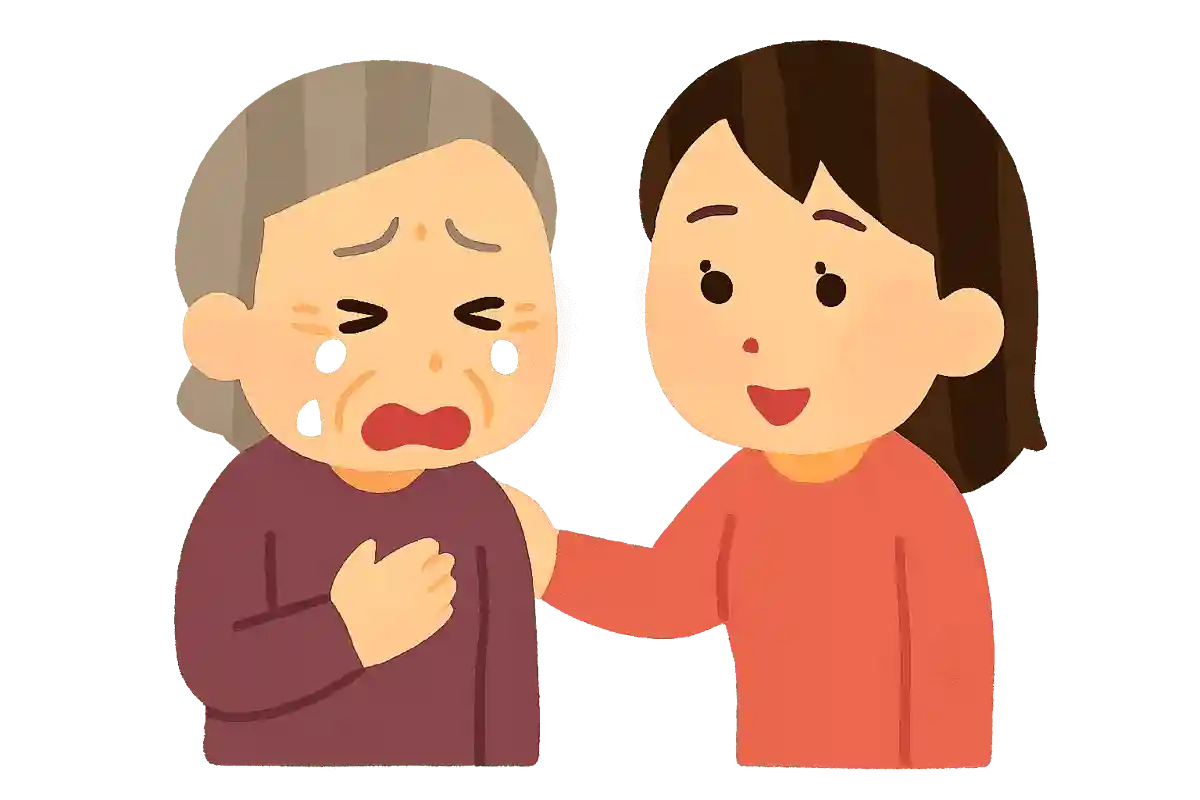
As children, we’re allowed to freely express joy, anger, sorrow, and pleasure, but as we grow up, we’re expected to hold back and behave with restraint.
Naturally, older people have likely experienced many situations where they had to suppress their emotions.
In addition, as we age, we inevitably go through various stages—physical decline, accompanying anxieties about the future, illness, and farewells to loved ones.
In such times, hearing a few words like “You don’t have to hold it in,” or “Crying isn’t something to be ashamed of,” might help ease the heart, even just a little.
“Please teach me.” “As expected of you—you’re so dependable.” Conveying the feeling that you rely on them as a senior in life.
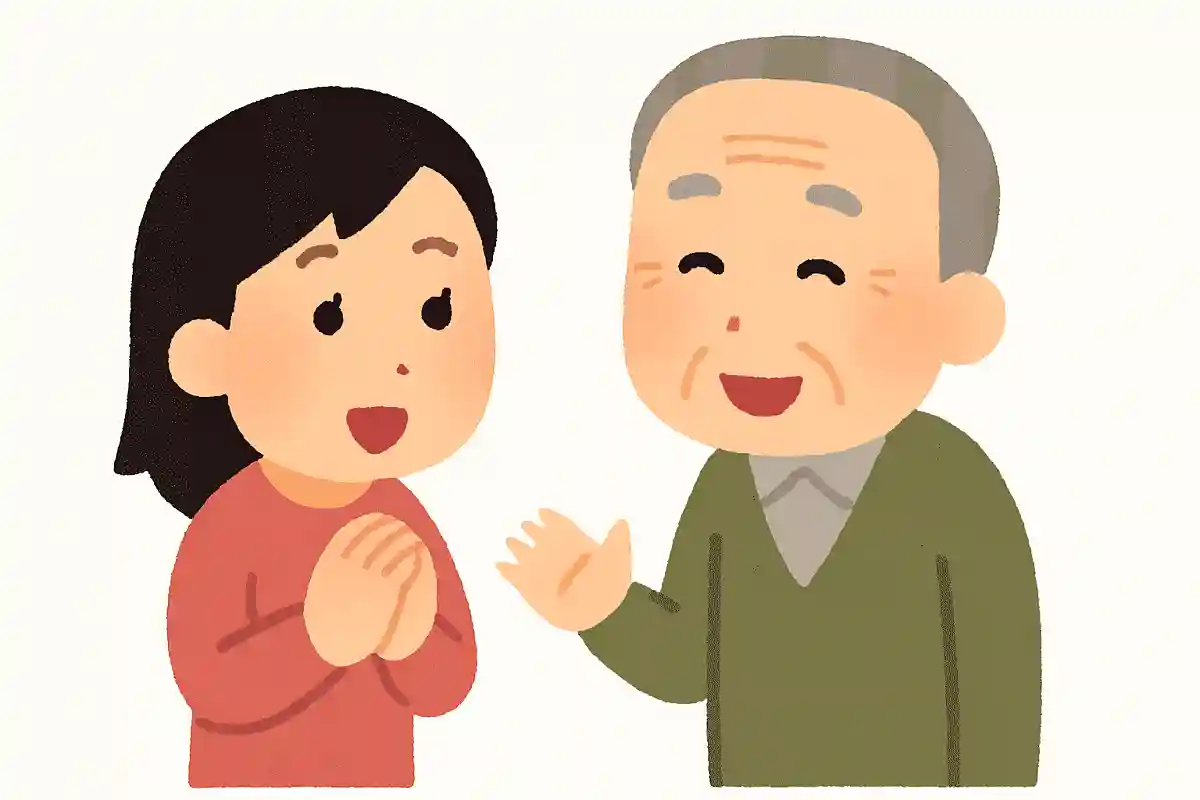
These words convey a feeling of respect for those with rich life experience.
As situations arise more often where they teach others, realizing that their words and knowledge are helping someone can lead to great confidence and pride.
Being impressed by perspectives that younger generations might not think of—such as wisdom from past ways of living or how to use traditional tools—and naturally saying, “I can rely on you,” can help them recognize their own value.
Simply having opportunities to share what they know can make their hearts more positive.
Asking “Please teach me” can also be a chance to deepen mutual trust.
In conclusion
The words that delighted older adults were all heartfelt. People who have lived a long time can especially sense the feelings packed into each and every word. It’s recommended to speak in ways that stand by them and enhance empathy.