


What kind of words do you think make older adults happy?
When working in a senior care facility, the most important thing is communication with the residents.
If communication goes smoothly, it’s easier to build trust with them.
Trust is something that develops over a long period of time, but if you work in a care facility, it’s something you’ll want to acquire quickly.
This time, for those who struggle with communicating with older adults, we’ll introduce words and phrases that make them happy.
Please use this article as a reference and enjoy communicating with older adults.
- [For Seniors] Uplifting Words That Comfort the Heart
- For seniors: Words of gratitude and uplifting magic phrases. Tips for saying things that resonate with the heart.
- [For Seniors] Tips for Birthday Messages They’ll Love
- Conversations Made Easy! A Collection of Topics That Elderly People Enjoy
- Words useful for conversations with elderly people. Words that were used in the past.
- [For Seniors] Conversation starters that help you chat: engaging questions and topics to spark lively talks
- For Seniors: Fun and Lively Exercise Recreation
- Fun, engaging topics for conversations with older adults!
- [For Seniors] Guaranteed to Liven Things Up! A Collection of Brain Training Activities That Will Spark Laughter
- [For seniors] Turn negatives into positives: Ways to interact that inspire motivation
- [For Seniors] Lively Wordplay Game: Fun Recreation for Elderly Care
- Interesting Omikuji Message Ideas for Seniors
- Recommended fun performances that will appeal to elderly people
Introducing phrases that will delight elderly people (1–10)
Thank you very much.
There aren’t many people who feel bad when someone says “thank you.” However, for older adults, they may say “thank you” to others but not hear it as often themselves.
Some seniors, including those with dementia, may feel anxious, such as feeling that they can no longer do what they used to.
Try saying “thank you” for even small actions and efforts.
Words filled with gratitude can help older adults and people with dementia feel more confident and motivated.

That’s amazing.
There are times when older adults talk about their jobs from when they were still working, or about raising their children.
In an era of such big changes, some staff members may feel deep respect when they hear about the hardships they went through.
In those moments, try sincerely saying, “That’s amazing.” The key is not to overuse it.
If you say it too often, it can come across as superficial, and older adults may end up feeling disappointed.
You can also use it during activities, for example when they’re handling tasks efficiently.
I see. / Is that so?
When you hear someone express anxiety or sadness, a phrase that shows you’re empathizing with their feelings is, “I see—that’s how it was for you.” When an older adult talks about something dark or anger-inducing, it often means they want to be heard and to feel safe.
The key here is to listen carefully and stay close to their feelings.
When you feel empathy for what they’re saying, try responding with, “I see—that’s how it was for you.” Having their story heard and validated eases the emotional burden for older adults, and it helps build a relationship of trust.
You have good taste.
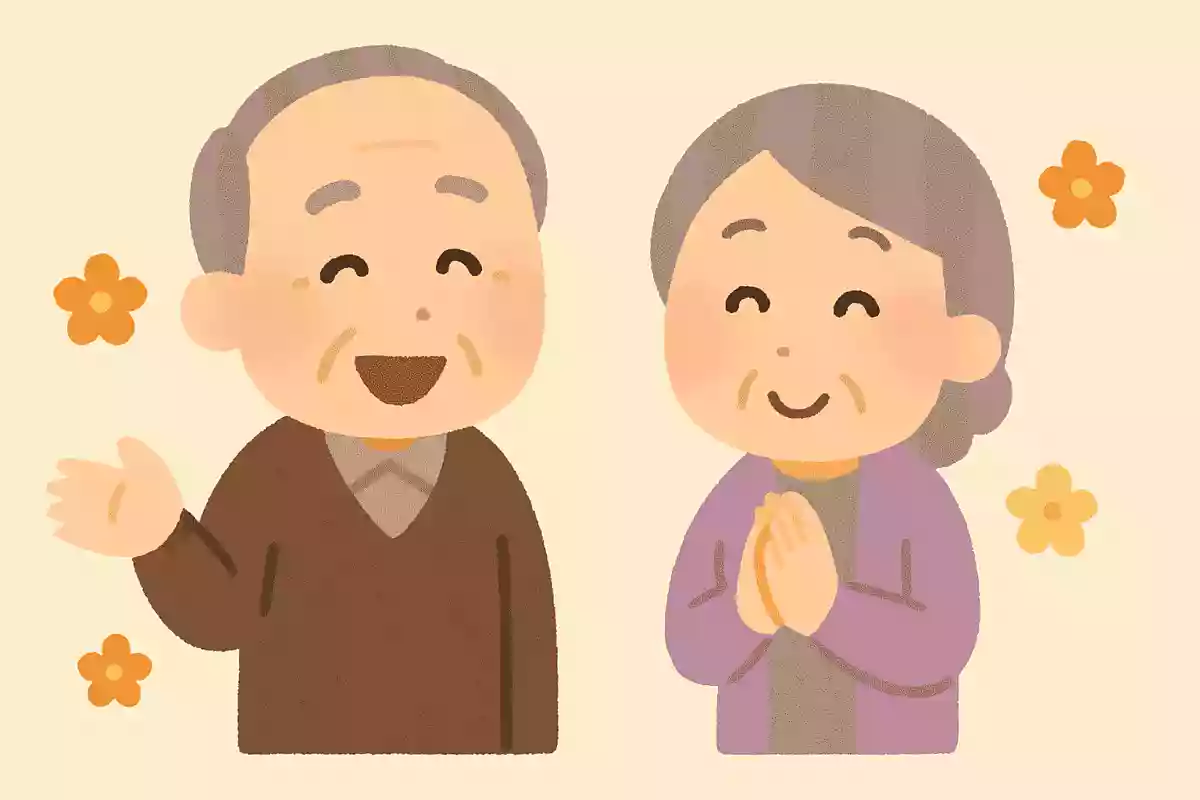
When giving compliments, using specific words like “sense” (as in good taste or style) tends to make the recipient happy.
Compliments generally make people feel “pleased,” but some may interpret areas not specifically praised as “not good.” Simply saying “You have good sense” (good taste) can help you offer a compliment that feels good.
There are times when you find yourself thinking “That’s lovely” about an older adult’s craft project from a recreation activity or the clothes they’re wearing.
We should choose words that make older adults feel happy, too.
Very few people feel bad when their “sense” (taste) is praised, so please give it a try.
I didn’t know.
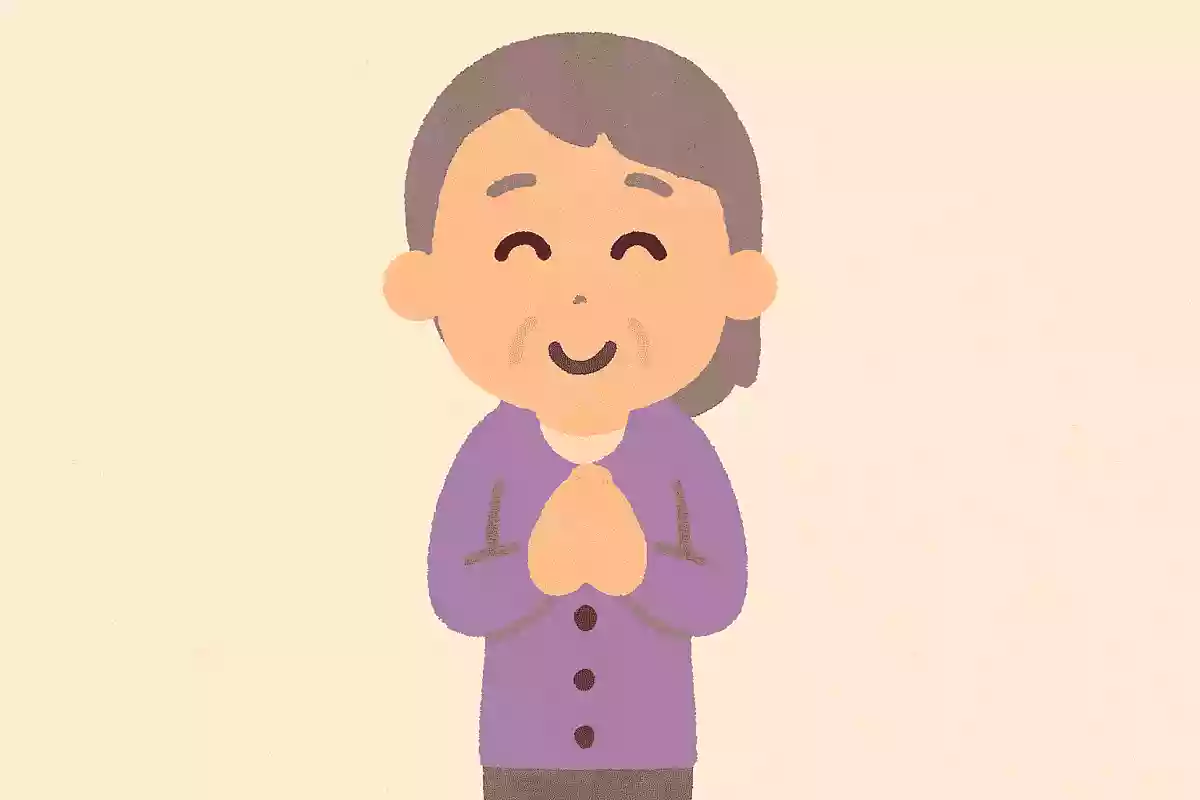
Don’t you feel happy when someone says things that make you feel appreciated? Older adults feel the same way when you say “I didn’t know that” about something they know or can do.
They will feel that you’re respecting them and will develop a favorable impression of you.
This can also lead to building a good relationship of trust.
Some older adults may even want to share more of their long years of experience and knowledge.
It might also prompt them to reflect on their past.
Try expressing this during your conversations.
It’s beautiful, isn’t it?
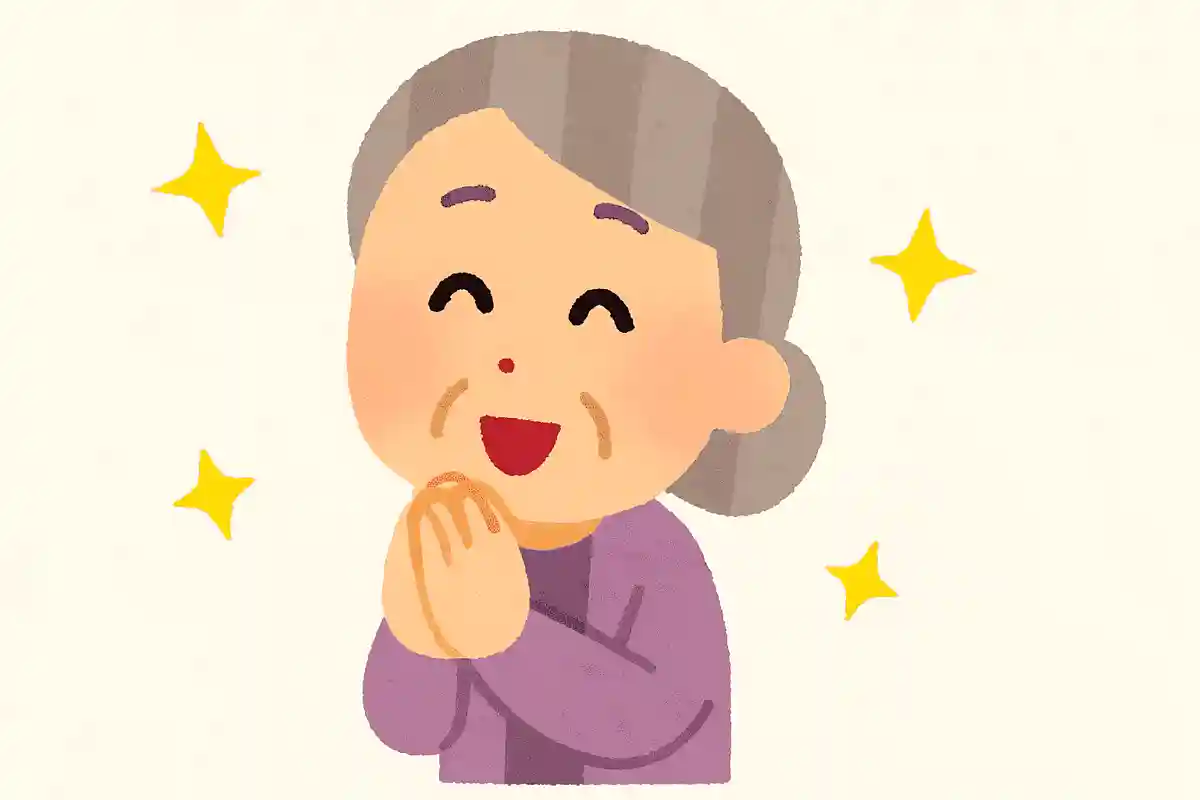
With just the simple phrase, “You look lovely,” you can truly be close to an older person’s heart.
Convey it not only about appearance, but with a feeling that recognizes and respects their inner beauty.
Older adults, who have accumulated a wealth of life experience, can reaffirm their sense of self-worth through such words.
Approaching them with humility deepens mutual trust.
When engaging with older adults, it’s important to understand their value and treat them with respect.
Use warm, affirming words to provide care that genuinely connects heart to heart.
That’s manly.
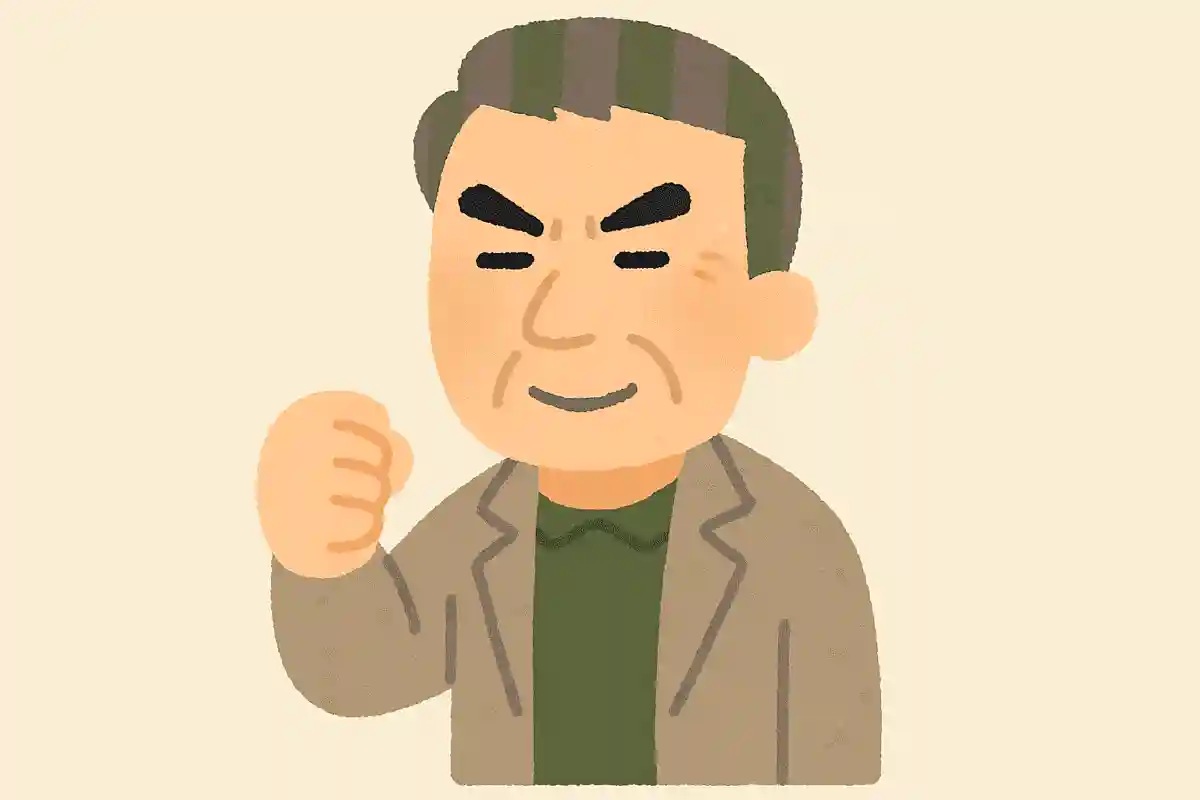
The phrase “You’re so manly” can be a lovely way to respect the life experience and wisdom of older adults.
Words that honor the strength and dignity they’ve cultivated over many years will surely resonate.
Still, the most important thing is to be sensitive to their feelings.
Notice the person’s individuality and charm, and choose warm words.
If the respect and gratitude wrapped up in the phrase “manly” are conveyed, they will likely feel proud.
Put yourself in their shoes and speak from the heart.
If you do, trust will naturally deepen.