

[For Seniors] Famous Haiku About January: Learn New Year Season Words and Tips for Composing

January, as we welcome a new year, makes us want to weave seasonal words with a fresh, clean feeling.
In this article, we introduce many haiku for January.
When you capture New Year scenes and the clear air of early spring in 5-7-5, your heart feels instantly refreshed.
We’ve gathered haiku that use accessible seasonal words like “New Year’s,” “first shrine visit,” and “New Year’s Day,” which are easy for older adults to incorporate.
The time spent savoring word choice and composing haiku is deeply fulfilling and provides stimulating benefits for both the brain and the heart.
Be sure to compose a verse for the new year and enjoy a rich, rewarding moment.
- [For Seniors] Famous Haiku for December: Masterpieces Depicting Winter Scenes and Year-End Moments, Plus Tips on How to Compose Them
- [For Seniors] Winter Haiku: Introducing Beautiful Masterpieces by Famous Haiku Poets
- [For seniors] Classic winter kigo. Compose a verse with your favorite seasonal word.
- [For Seniors] Brain-training quizzes for January: Let’s have fun with New Year and winter trivia
- [For Seniors] Haiku for February: A Collection of Famous Verses Depicting the Transition from Winter to Spring
- [For Seniors] January Trivia Quiz & Fun Facts. Brain training with quizzes about New Year and winter.
- [For Seniors] January Craft Ideas: Boost Your Luck with New Year Decorations and Good-Luck Charms
- [For Seniors] Thoughtful one-liners to add to New Year's cards: A collection of sample phrases that convey your feelings
- [For Seniors] Chic phrases you can use on New Year’s cards: sample messages that are sure to please
- [For Seniors] Recommended Wall Decorations and Crafts for January
- [For seniors] January health topics: A roundup of popular recreational activities from exercises and crafts to New Year’s games
- Recreation Activities to Liven Up January Events for Seniors
- [For Seniors] Evoking autumn scenes: Introducing beautiful haiku for October
[For Seniors] Famous haiku about January: Learn New Year season words and tips for composing (1–10)
New Year’s Day— and yet, when I think of it, it feels as lonely as an autumn dusk.Matsuo Bashō
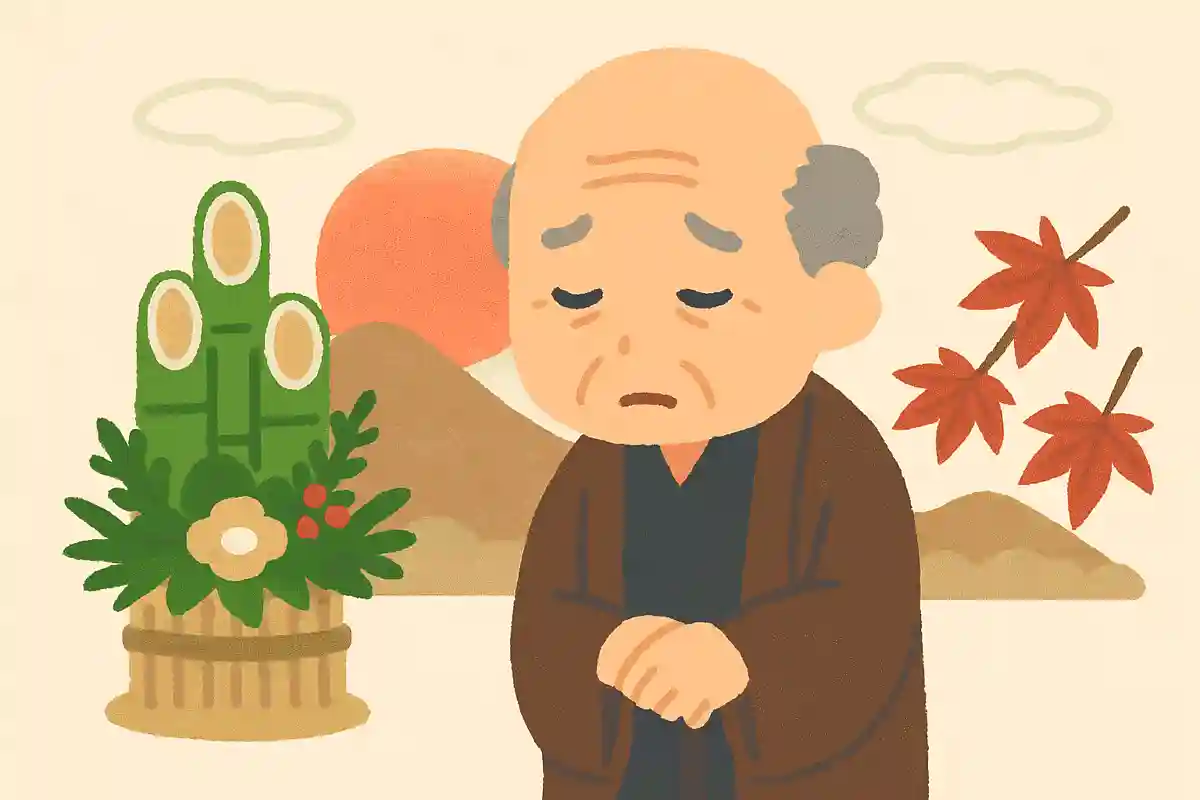
There’s probably no one who has grown up in Japan without hearing the name Matsuo Bashō.
From elementary school through high school, there isn’t a single textbook that doesn’t mention him.
This verse is said to have been written when Bashō was 40.
Up until New Year’s Eve, we’re all in a flurry, fussing over one thing or another to prepare for the new year, but once the year actually begins, everything suddenly becomes as silent as if water had been poured over it—a stillness that somehow resembles an autumn evening… That’s the feeling.
Lately in Japan, though, things seem lively even from New Year’s Day, so maybe we don’t get as quietly reflective as Bashō did.
Time and again, I asked how deep the snow was.Masaoka Shiki

Do you know what a “preface” is? It’s something like a note placed before a haiku.
Phrases like “In Yamanashi” or “My mother passes” inform readers of the background in which the haiku was composed.
This haiku also has a preface: “While ill, snow.” The poem describes someone so weakened by illness that they can no longer sit up on their own, repeatedly asking the person at their side, “I wonder how the snow in the garden looks,” constantly thinking about the snow.
It’s a representative verse by Masaoka Shiki, who had a special attachment to snow.
He composed two other haiku at the same time, so if you have a moment, please look them up and enjoy them.
They’re truly excellent poems.
On Kōrin’s folding screen, blooming—adonis flowers of good fortuneSoseki Natsume
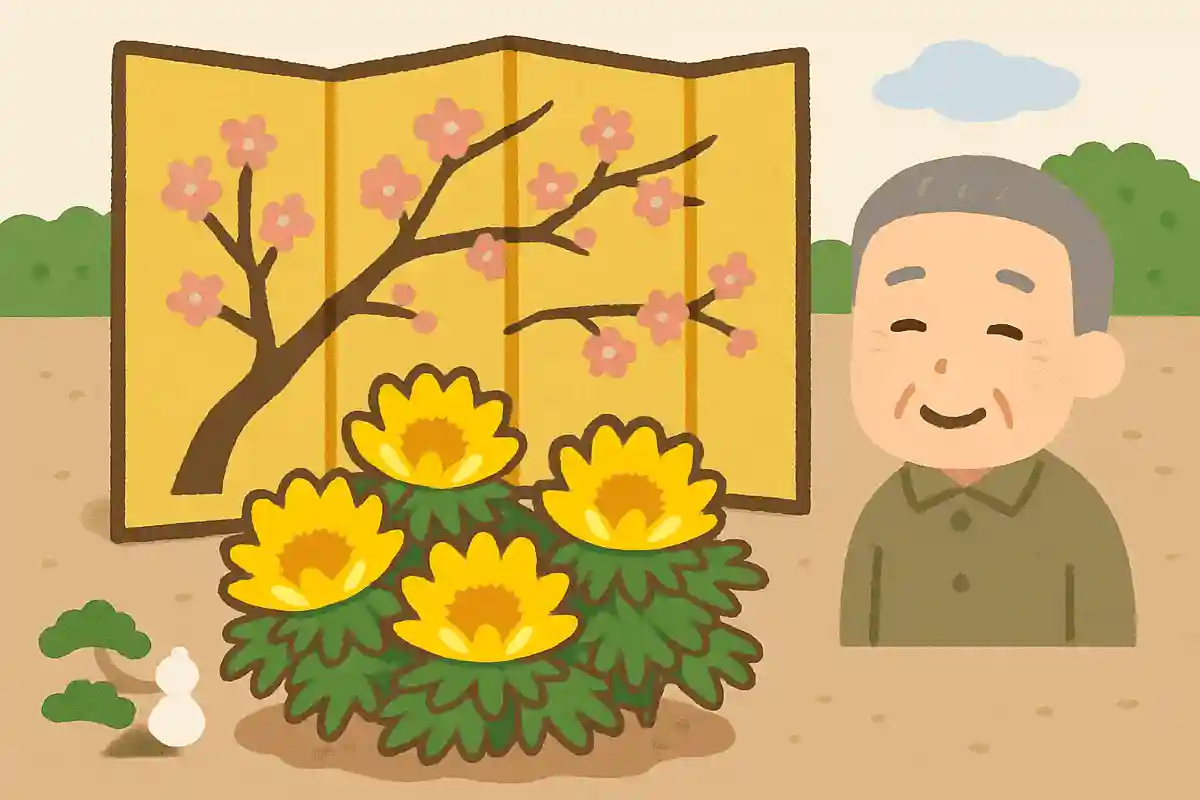
The seasonal word here is “fukujusō” (Adonis amurensis), which is a kigo for the New Year.
Because fukujusō is among the first flowers to bloom a golden yellow in early spring, it has long been cherished as a “harutsugebana,” a flower that announces the arrival of spring.
Ogata Kōrin was a painter of the Edo period, and there is a haiku by Natsume Sōseki about fukujusō blossoms painted on a folding screen by Kōrin: “Kōrin no / byōbu ni saku ya / fukujusō.” The flower’s meanings include “eternal happiness” and “bringing good fortune,” so perhaps, while gazing at a folding screen adorned with these New Year–appropriate blooms, people found their hopes swelling for the year ahead.

[For Seniors] Famous Haiku About January: Learn New Year Season Words and Tips for Composition (11–20)
New Year’s Day— in clear weather, the sparrows’ talesAran-seki Hattori
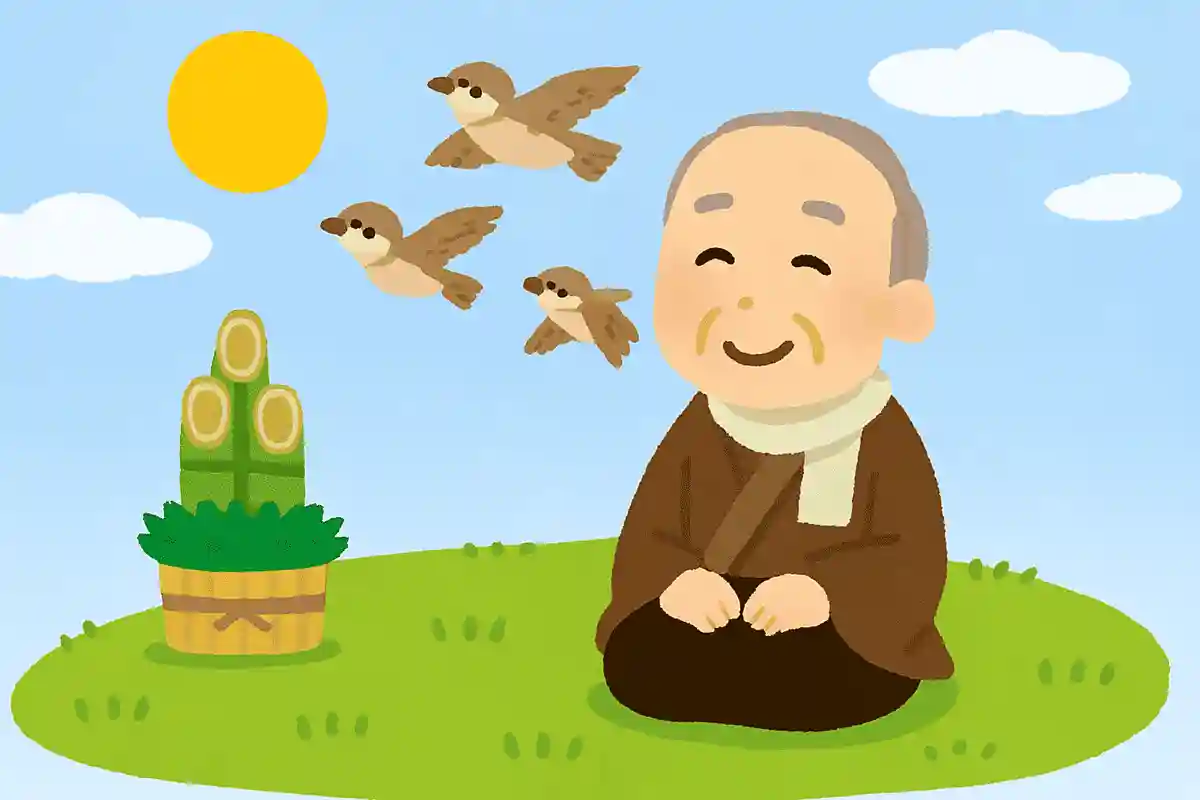
On the morning of New Year’s Day, the start of a new year, you can feel refreshed, can’t you? If you hear sparrows chirping outside on that first morning, it might make you feel even more invigorated.
It could be nice to try composing a haiku using words that evoke the new year, like “first sunrise” or “first shrine visit.” Wouldn’t seniors also be able to create haiku that suit the special atmosphere of New Year’s morning and the New Year holidays? By composing and reciting haiku, seniors too can feel the new year and the changing seasons.
From there, it seems likely the conversation about the New Year will naturally expand.

New Year’s pine— to think, in a single night, thirty years.Matsuo Bashō

This is a haiku by Matsuo Bashō that deeply contemplates the passage of time.
“Kadomatsu ya” refers to the New Year’s pine decorations placed at the entrance of a home, signaling the arrival of a new year.
As the phrase “omoeba hitoyo sanjūnen” suggests, with each New Year’s night, he reflects that thirty years seem to have passed in the blink of an eye.
Through the seasonal symbol of the kadomatsu, Bashō may have quietly meditated on the swiftness of the years and the length of his own life.
Rereading it during the New Year gently reminds us of the preciousness of time and inspires thoughts for the year ahead.

Kagami mochi, in a dark place, sits split apart.Saito Sanki

This is a haiku composed while quietly observing the New Year deity symbolized by the kagami mochi and the passing of the seasons.
Kagami mochi is a rice cake displayed for the New Year to pray for prosperity and safety, but as the phrase “cracked and sitting in a dark place” suggests, it is depicted as being set quietly where light does not reach, slightly cracked.
Saito Sanki likely felt the sentiment of year’s end and the realities of life even in things that are not perfect, finding beauty and pathos in their natural state.
Gazing quietly at the kagami mochi, this verse evokes a deep sense of the season’s close and thoughts for the year to come.
Temari song: making sorrow beautifulKyoshi Takahama
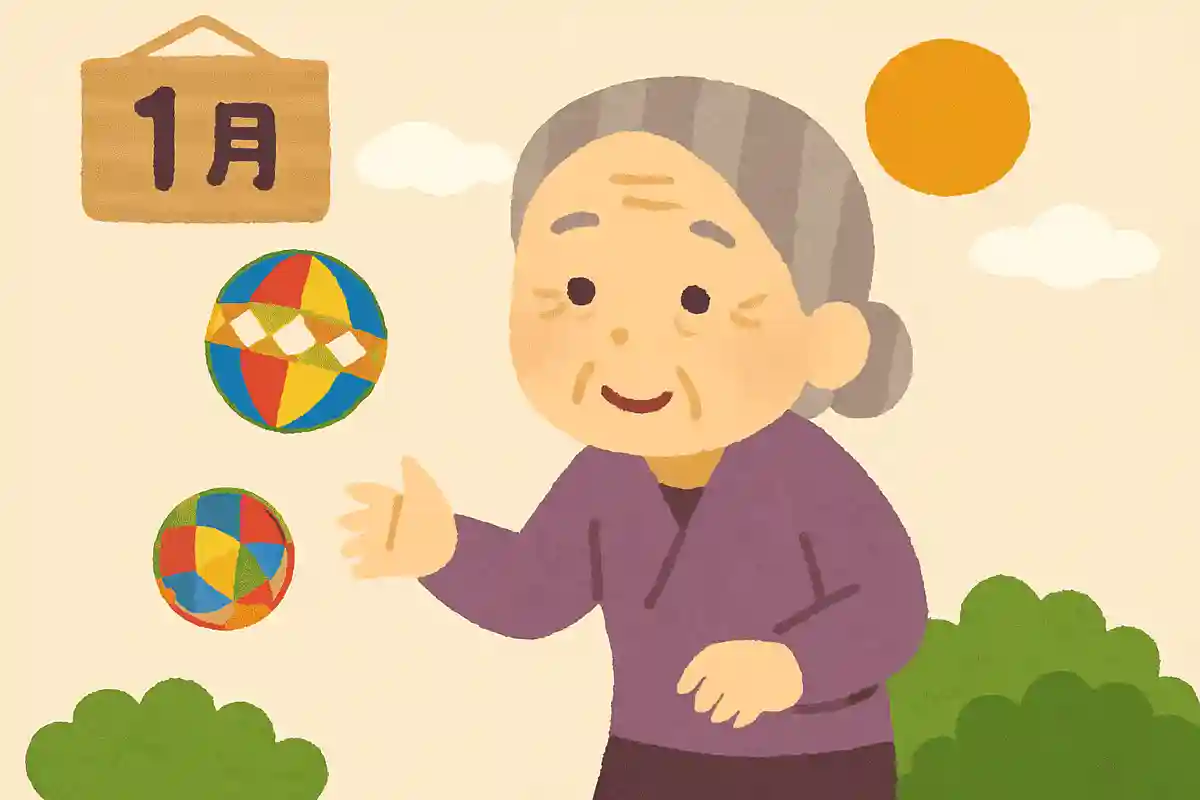
Temari balls are made by winding beautiful threads into geometric patterns such as vivid triangles and circles.
From the Edo period through the Meiji period, temari were often used for New Year’s play.
For that reason, “temari” is also a seasonal word for the New Year.
Children would play while singing pretty temari songs.
However, it is said that this haiku was composed around the time the Second World War began.
Perhaps even the songs sung by the innocent children playing with temari carried heavy, dark themes.
And because those songs were still sung in the beautiful voices of children, they may have left listeners with a feeling that had nowhere to go.
It seems like a haiku that could also serve as a reference for older adults on how to capture small moments of everyday life.