

![[For Seniors] Famous Haiku About January: Learn New Year Season Words and Tips for Composing](https://media.ragnet.co.jp/img/1200__png__https://www.studiorag.com/files/2025/11/27523e62952fc8f487a5a27cbe5a330f.webp)

January, as we welcome a new year, makes us want to weave seasonal words with a fresh, clean feeling.
In this article, we introduce many haiku for January.
When you capture New Year scenes and the clear air of early spring in 5-7-5, your heart feels instantly refreshed.
We’ve gathered haiku that use accessible seasonal words like “New Year’s,” “first shrine visit,” and “New Year’s Day,” which are easy for older adults to incorporate.
The time spent savoring word choice and composing haiku is deeply fulfilling and provides stimulating benefits for both the brain and the heart.
Be sure to compose a verse for the new year and enjoy a rich, rewarding moment.
- [For Seniors] Famous Haiku for December: Masterpieces Depicting Winter Scenes and Year-End Moments, Plus Tips on How to Compose Them
- [For Seniors] Winter Haiku: Introducing Beautiful Masterpieces by Famous Haiku Poets
- [For seniors] Classic winter kigo. Compose a verse with your favorite seasonal word.
- [For Seniors] Brain-training quizzes for January: Let’s have fun with New Year and winter trivia
- [For Seniors] Haiku for February: A Collection of Famous Verses Depicting the Transition from Winter to Spring
- [For Seniors] January Trivia Quiz & Fun Facts. Brain training with quizzes about New Year and winter.
- [For Seniors] January Craft Ideas: Boost Your Luck with New Year Decorations and Good-Luck Charms
- [For Seniors] Thoughtful one-liners to add to New Year's cards: A collection of sample phrases that convey your feelings
- [For Seniors] Chic phrases you can use on New Year’s cards: sample messages that are sure to please
- [For Seniors] Recommended Wall Decorations and Crafts for January
- [For seniors] January health topics: A roundup of popular recreational activities from exercises and crafts to New Year’s games
- Recreation Activities to Liven Up January Events for Seniors
- [For Seniors] Evoking autumn scenes: Introducing beautiful haiku for October
[For Seniors] Famous haiku about January: Learn New Year season words and tips for composing (1–10)
New Year’s Day— washing my hands, an evening moodRyūnosuke Akutagawa

It’s not widely known, but writers like Ryunosuke Akutagawa and Natsume Soseki also left many haiku.
These are sometimes categorized as “literati haiku,” and many have a uniquely distinctive atmosphere.
This haiku is one of those.
Its content is: “New Year’s shrine visit, New Year’s greetings rounds—despite it being the New Year’s holiday, I ended up being busy with all sorts of things today.
Ah, it’s already evening.” You can sense the slightly bittersweet feeling of “I wish I could have stayed in the New Year mood a bit longer,” can’t you? How was your New Year’s this year?
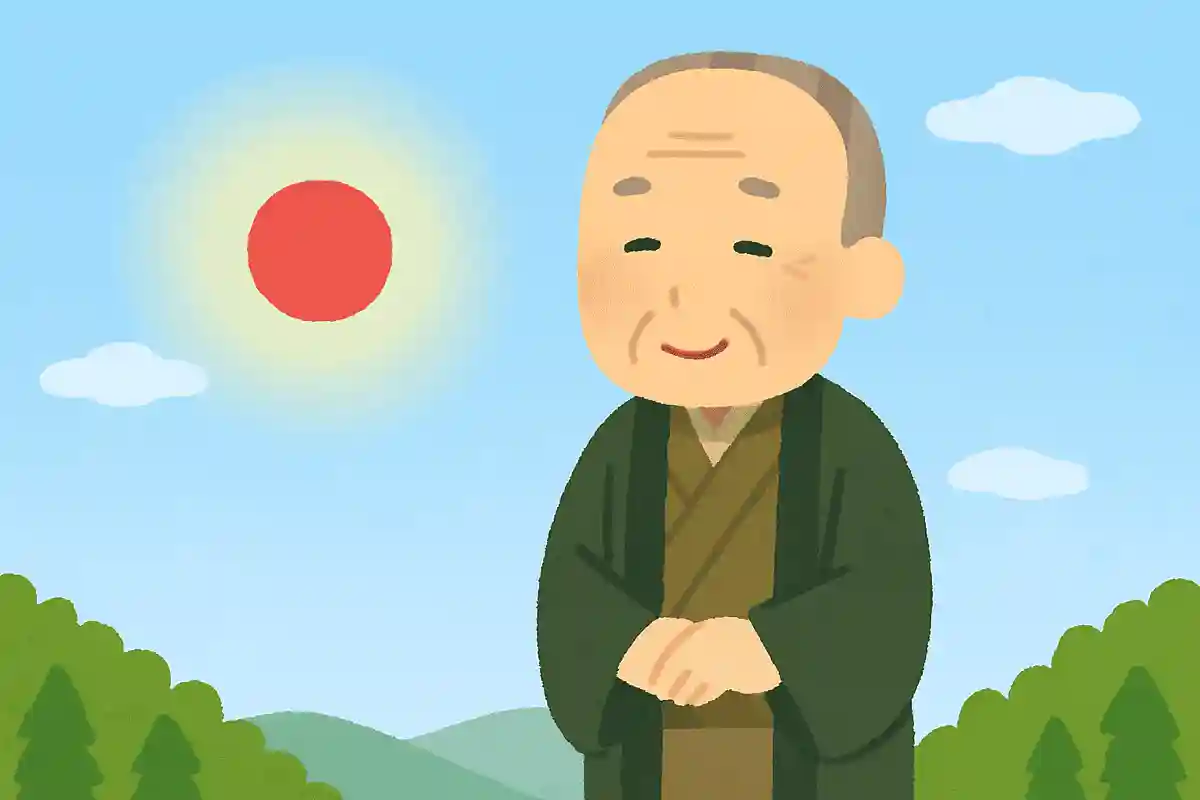
New Year’s Day— under an auspicious, pale blue skyKobayashi Issa
Omikuji, the fortune slips, are a staple of New Year’s shrine visits.
Even people who aren’t particularly devout tend to draw one just for the fun of it.
It’s also enjoyable to rejoice or lament with friends over getting good or bad luck.
So some may think the “kichi” that appears in this haiku refers to an omikuji or something similar, but jōjō-kichi actually means “supremely auspicious” and has nothing to do with omikuji.
The “yellow” in asagi-iro (light blue) is also an ateji (a phonetic stand-in), which may be another reason this poem is hard to interpret.
The meaning of the haiku is simply, “Isn’t it nice that the weather is so good from New Year’s Day?”—a light, greeting-like sentiment.
That looseness is very much in keeping with Issa’s style.
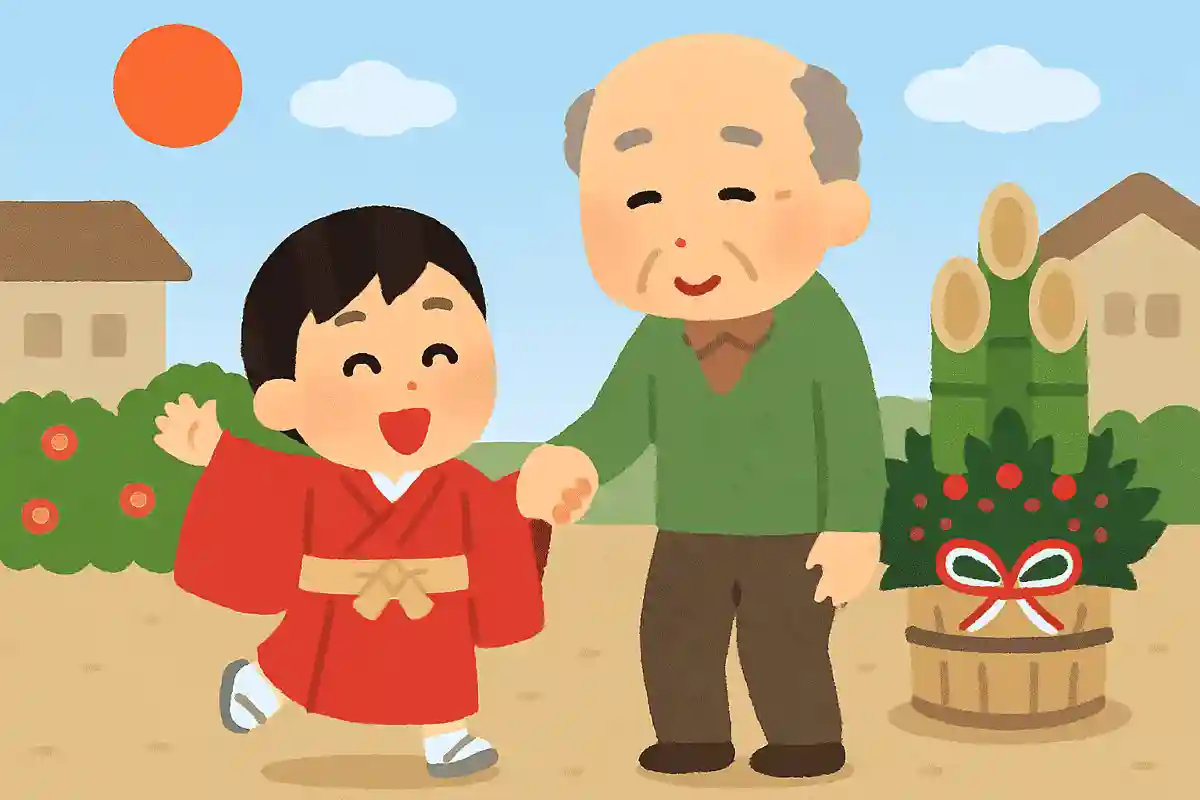
I wish I could become a child at New Year and see it anew.Kobayashi Issa
January is a delightful season for haiku enthusiasts, who can enjoy both New Year kigo and winter kigo.
Braving the cold to go on a haiku outing has its own charm, too.
This haiku by Issa expresses a touch of envy at children’s innocence; its lightness is quintessentially Issa.
With New Year’s osechi cuisine, otoshidama (New Year’s gift money), and New Year-only pastimes like kite flying and sugoroku, children could spend the whole day smiling.
It’s quite a contrast to the adults, who are busy clearing up after meals or shoveling snow.
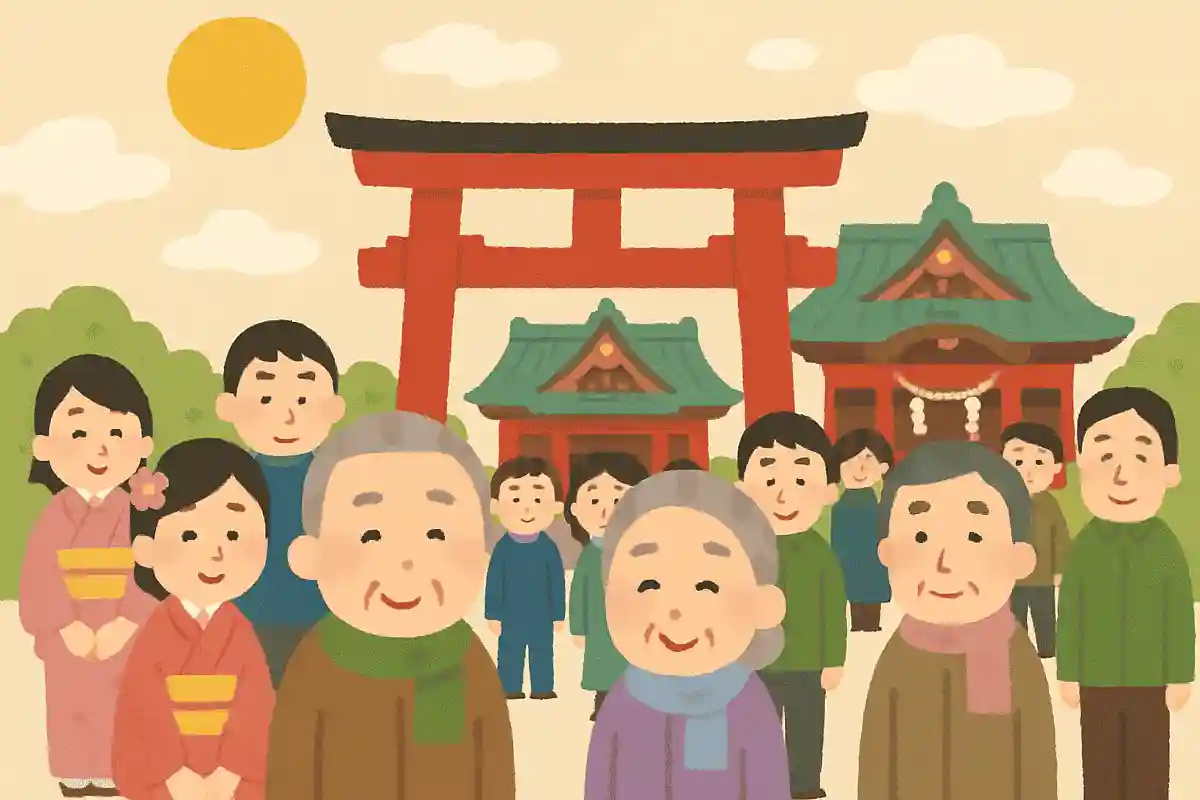
New Year’s first shrine visit where Japan gathers hereSeishi Yamaguchi
Japanese people are sometimes criticized for being inconsistent between their faith and their customs.
Making a big fuss over Christmas despite not being Christian is a classic example.
In that sense, even people with no connection to Shinto still go to shrines for their first visit of the year.
By the way, Meiji Shrine reportedly ranks first in New Year’s shrine visits, with about three million people.
Do people just love places where people gather? It feels like this haiku is written from a slightly detached vantage point, doesn’t it? The haiku poet Seishi Yamaguchi was one of the “Hototogisu Four S’s,” active in the early Showa period.
Besides this poem, his line “The pistol resounds on the hard surface of the pool” is also famous.
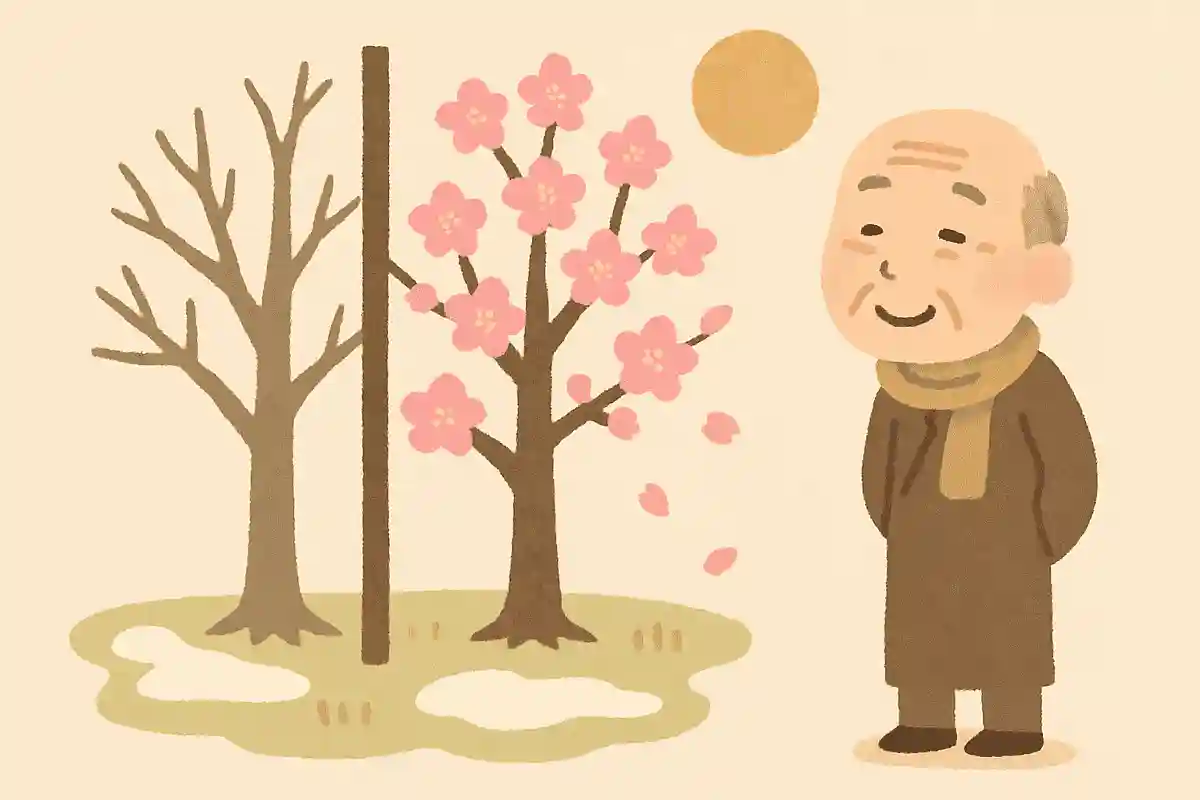
Something like a rod that pierces through last year and this year.Kyoshi Takahama
‘Kozokotoshi’ is read as ‘kozo-kotoshi,’ and thanks to this haiku it has become a well-known seasonal word in the haiku world.
However, it’s actually a word that is difficult to use when composing haiku.
Some interpret it as expressing a strong resolve: ‘Even though the year has turned and it is the New Year, my will remains unchanged.’ Interpretations of this verse will vary from reader to reader.
But there are haiku poets who say that a truly great poem is one that allows for many such interpretations.
How did you read this haiku?
Even as I pause to tie my skate laces, the trend is already taking off.Seishi Yamaguchi
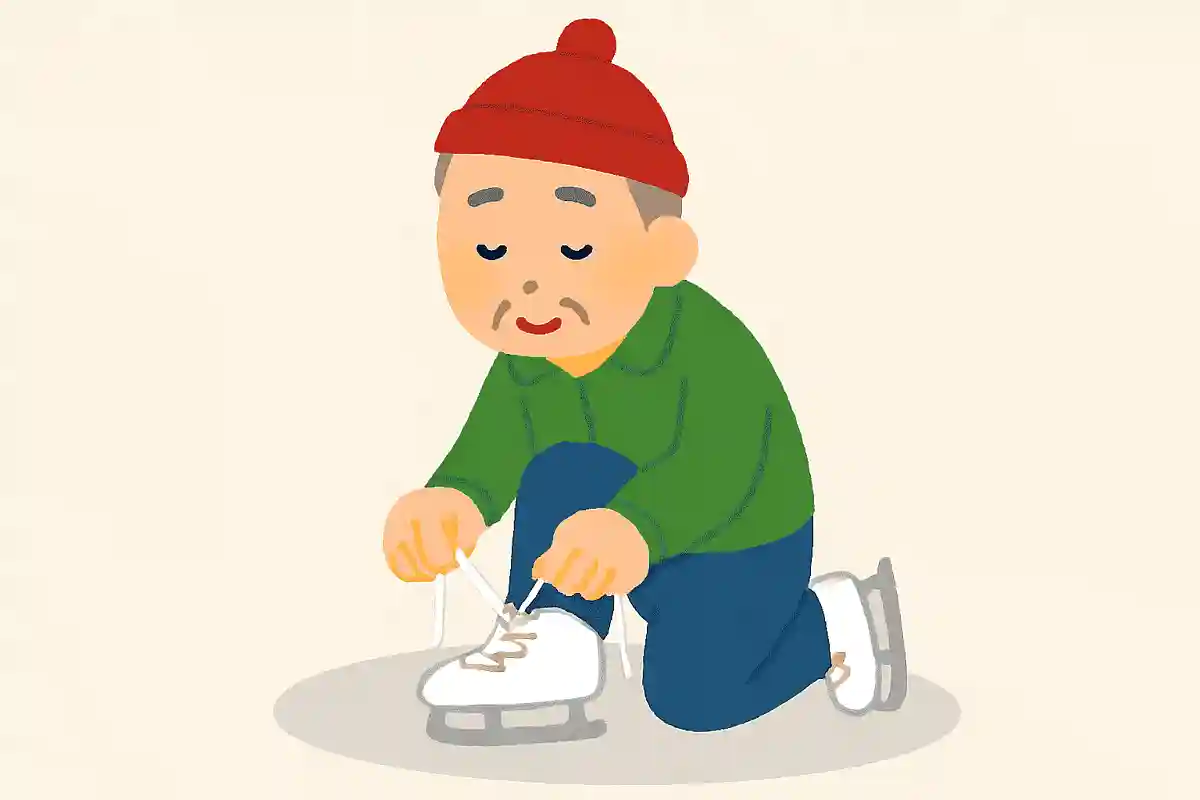
In the world of haiku, “skate” refers to ice skating.
Strictly speaking, there’s roller skating as well, of course…
This haiku describes someone who’s come to enjoy ice skating, finds there are already many people on the rink, is eager to step onto the ice, and even grows impatient while tying their laces.
In short, they’re so excited they can’t wait to start skating.
It’s a youthful, vigorous verse.
The poet Seishi Yamaguchi is often praised for writing haiku that are urbane and intellectual.
This poem, too, carries a certain urban atmosphere.
Sternly, the alarm clock—cold wave arrives.Hino Sōjō
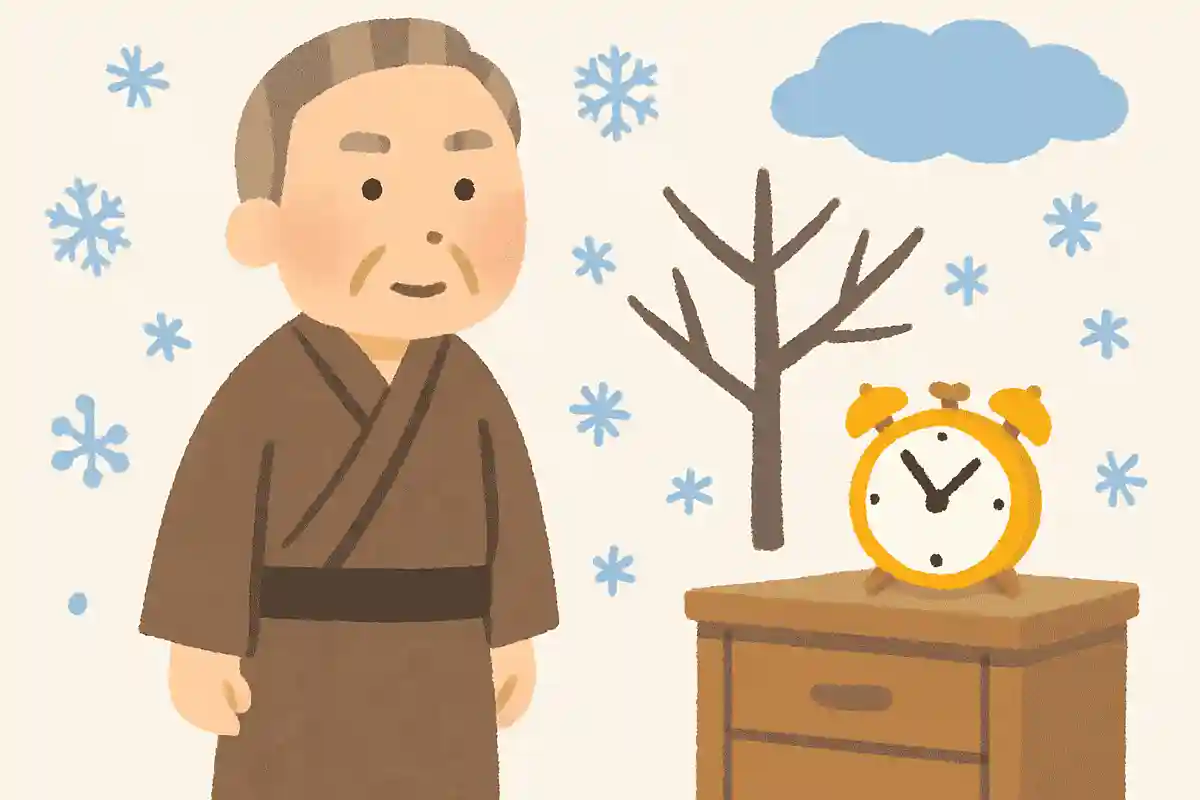
I’ve seen news reports saying that with the spread of smartphones, wristwatches and alarm clocks aren’t selling anymore.
Waking up gently to your favorite song is nice, but there’s also a certain charm in being roused by that shrill “jiririririiiin.” That “jiririririiiin” feels very Showa-era, doesn’t it? To take nothing more than ‘a cold wave makes it too chilly to get out of bed’ and craft it into such a refined haiku—what a feat.
Hino Sōjō is also known for composing haiku about feminine eros and for seasonless haiku.
He was a leading figure in the early Showa New Haiku movement.