

[For Seniors] Haiku Selections for July: Ideas to Feel the Summer

July is the season when the strong sunshine and the sound of cicadas make us truly feel that summer has arrived.
Composing haiku that capture the scenery and atmosphere unique to this time of year offers a rich moment to attune our hearts to the changing of nature.
Because haiku can express a sense of season and emotion in just a few words, they are a cultural form that many older adults also find approachable.
In this article, we have carefully selected haiku you can enjoy while savoring the seasonal feeling of July.
By all means, experience the charm of summer up close through haiku.
- [For Seniors] Summer Haiku: Ideas to Feel the Season
- [For Seniors] June Haiku Showcase: Ideas to Feel Summer
- [For Seniors] Summer kigo: A list of famous seasonal words to enjoy while savoring their elegance
- [Elderly] Haiku with the theme of August: Introducing famous verses
- [For Seniors] Enjoy and Beat the Summer Heat! July Craft Ideas
- [For Seniors] Famous Haiku for December: Masterpieces Depicting Winter Scenes and Year-End Moments, Plus Tips on How to Compose Them
- [For Seniors] Early-summer-themed wall decorations: Recommended ideas for July
- [For Seniors] July Events: Recommended Recreation Ideas for Senior Facilities
- [For Seniors] July-Themed Origami: A Collection of Fun Ideas
- [For Seniors] July health topics: a wide range of ideas including exercises, crafts, and quizzes
- Activities perfect for July for seniors: Introducing games and recreational options
- [For Seniors] Making a July Calendar: A Collection of Summer-Themed Motif Ideas
- [For Seniors] July Trivia Quiz & Fun Facts. Easy and Engaging
[For Seniors] Haiku Showcase for July: Ideas to Feel Summer (11–20)
Leaving the grave—smiling as I go; a visit to the grave.
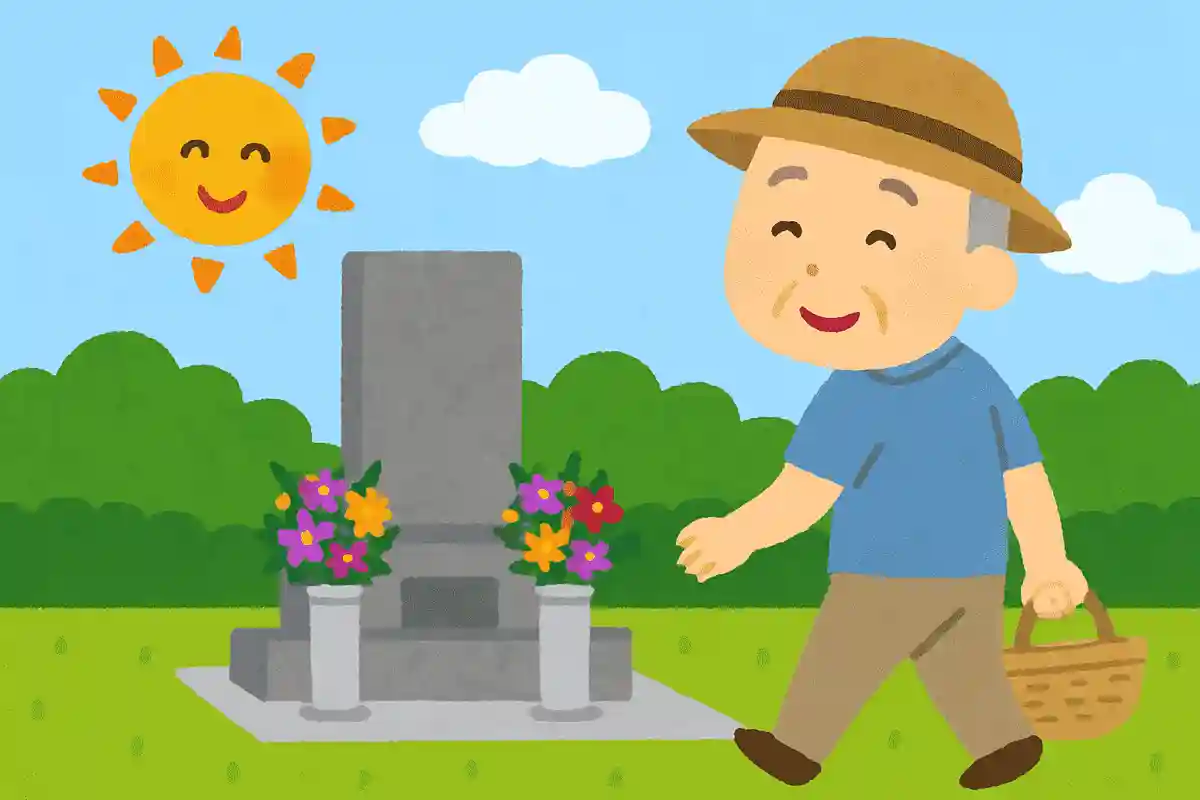
Kōi Nagata was a haiku poet active from the Meiji through the Heisei eras, who composed verses based on a unique haiku philosophy guided by Zen thought.
He was also versed in calligraphy and painting, and is said to have pursued creative work energetically well into his late years, even past the age of ninety.
This poem expresses the feelings one has when visiting a grave, depicting what at first glance seems a curious act: “smiling when leaving the grave.” This is not laughter born of amusement or joy, but rather, perhaps, a gentle smile that appears when, having finished a heartfelt exchange or dialogue with the deceased, one says, “I’ll come again.” You can sense Kōi’s characteristic perspective: instead of casting the poem as something sad, he views the connection with the departed in a forward-looking light.

In conclusion
By composing haiku about the seasonal sights of July, we can rediscover the beauty of nature, creating a soothing moment for the heart. I also hope that older adults will find time in their daily lives to enjoy haiku while sensing the changing seasons. Through haiku for each season, it would make me happy if you continue to spend time that enriches the heart.