

![[For Seniors] Haiku Selections for July: Ideas to Feel the Summer](https://media.ragnet.co.jp/img/1200__png__https://www.studiorag.com/files/2025/05/c36de144de302de404bc570b3514c71b.webp)

July is the season when the strong sunshine and the sound of cicadas make us truly feel that summer has arrived.
Composing haiku that capture the scenery and atmosphere unique to this time of year offers a rich moment to attune our hearts to the changing of nature.
Because haiku can express a sense of season and emotion in just a few words, they are a cultural form that many older adults also find approachable.
In this article, we have carefully selected haiku you can enjoy while savoring the seasonal feeling of July.
By all means, experience the charm of summer up close through haiku.
- [For Seniors] Summer Haiku: Ideas to Feel the Season
- [For Seniors] June Haiku Showcase: Ideas to Feel Summer
- [For Seniors] Summer kigo: A list of famous seasonal words to enjoy while savoring their elegance
- [Elderly] Haiku with the theme of August: Introducing famous verses
- [For Seniors] Enjoy and Beat the Summer Heat! July Craft Ideas
- [For Seniors] Famous Haiku for December: Masterpieces Depicting Winter Scenes and Year-End Moments, Plus Tips on How to Compose Them
- [For Seniors] Early-summer-themed wall decorations: Recommended ideas for July
- [For Seniors] July Events: Recommended Recreation Ideas for Senior Facilities
- [For Seniors] July-Themed Origami: A Collection of Fun Ideas
- [For Seniors] July health topics: a wide range of ideas including exercises, crafts, and quizzes
- Activities perfect for July for seniors: Introducing games and recreational options
- [For Seniors] Making a July Calendar: A Collection of Summer-Themed Motif Ideas
- [For Seniors] July Trivia Quiz & Fun Facts. Easy and Engaging
[For Seniors] Haiku Selections for July: Ideas to Feel the Summer (1–10)
Tanabata—meeting someone while my hair is still wet.
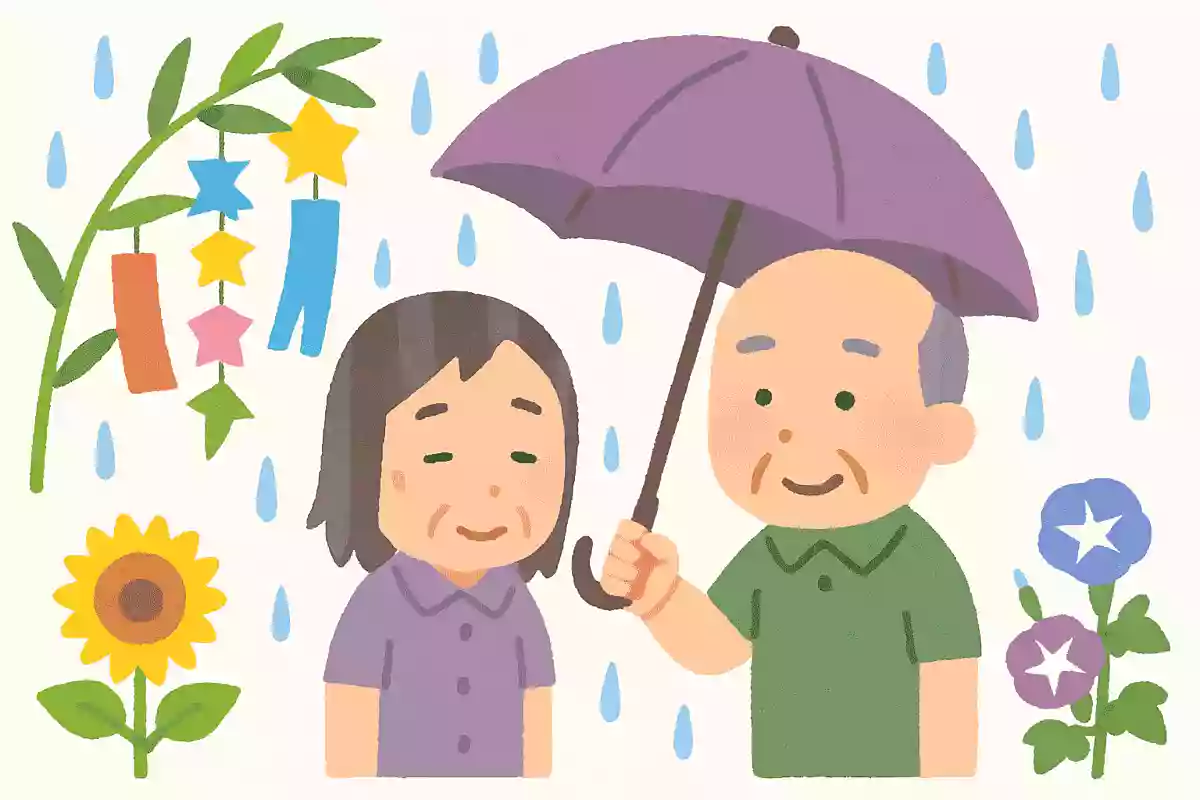
Whether it was for the Tanabata festival or not, this verse conveys the lively rush of summer: taking a bath earlier than usual and hurriedly getting ready to go out.
The word used is only “person,” but could the other party be the man she secretly longs for? If we read it as a poem of a faint romance, it’s positively heart-fluttering.
Takako Hashimoto began composing haiku under Hisa Jo Sugita, and later studied with Kyoshi and Seishi.
Her poem that lends a modern hue to a classically elegant scene—“When the summer lightning comes from the north, I look to the north”—remains beloved today.
How beautiful—the Milky Way seen through a hole in the shoji.

This haiku is said to have been composed by Kobayashi Issa on the night of Tanabata while he was bedridden.
No longer able to walk about freely, Issa happened one night to look up at the sky through a tear in the shoji paper, and there he saw the Milky Way shining.
The image of Issa, moved by the beauty of the Milky Way seen through the hole in the shoji, and the contrast between the vast celestial river and the narrow, limited view through that small opening, both enhance the haiku’s appeal.
It can also be seen as an expression of Issa’s resolve, even in the midst of illness, to perceive the beauty of the wide world through the smallest of gaps.

In this transient world, my wife is pure—like the summer moon.
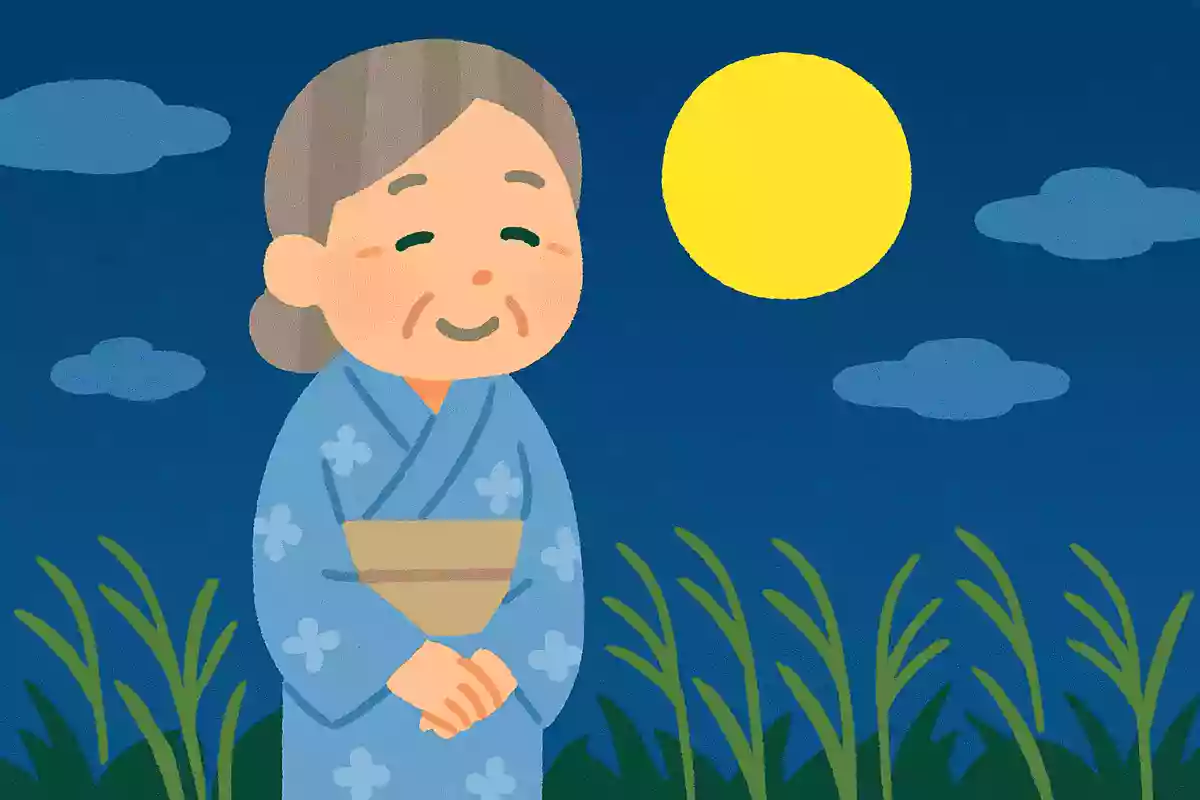
Genseki Hara was a haiku poet from Shimane Prefecture who was active from the Meiji to the Showa era.
This verse overlays the brightness of the summer moon with the purity of his wife.
“Utsushi yo ni” means “in this present world,” and “tsuma wa kiyokeshi” means “my wife is pure and beautiful.” “Summer moon” is a seasonal word (kigo) that symbolizes the beauty of the moon shining in a clear night sky.
Hara was a poet who delicately depicted the beauty of nature and human emotion.
In this poem, his deep affection for his wife harmonizes with the quiet radiance of the summer moon, unfolding a calm and gentle scene.
Gently, white clouds drift—ah, the banana plant.
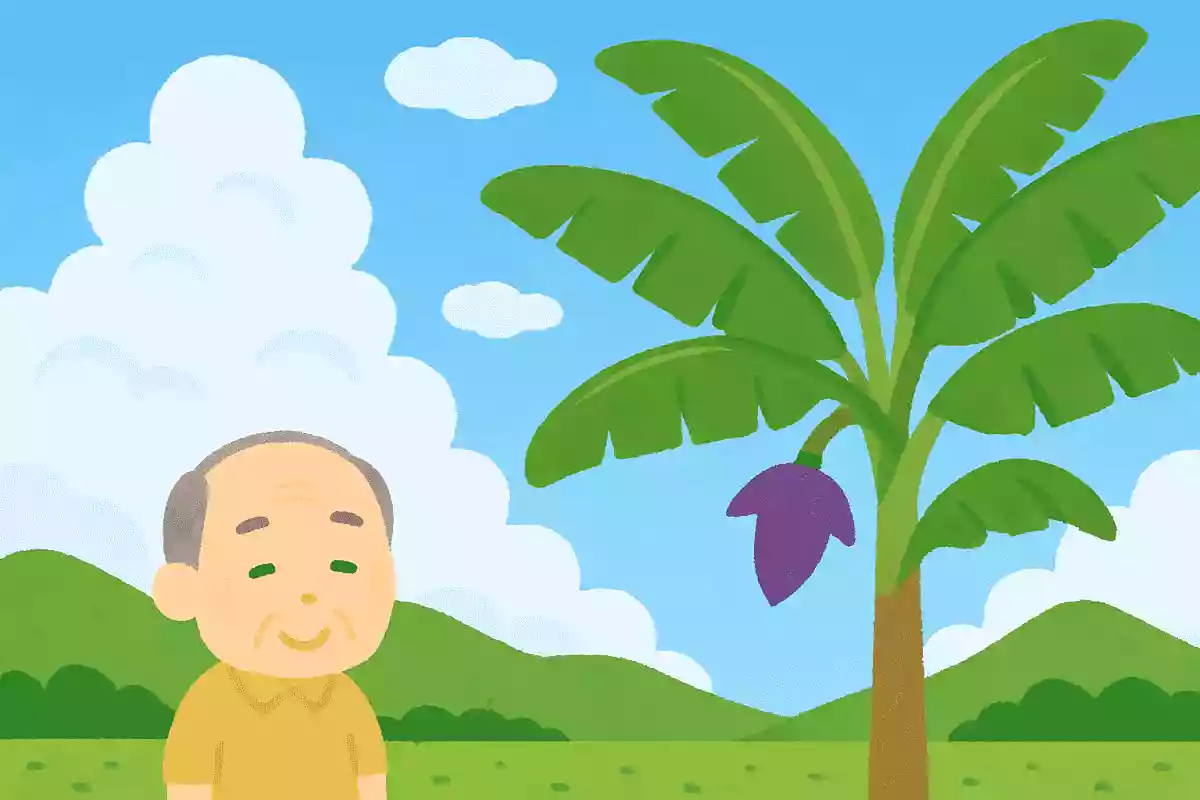
A verse that describes banana leaves rustling in the wind and white clouds gliding lightly across the sky evokes a tranquil afternoon scene.
The clouds change shape as they move and eventually fade from view—an emblem of beauty that is also ephemeral.
Through this expression that conveys the flow of time, we sense not only the fleeting beauty Shiki must have seen in that moment, but also the passage of time itself.
By focusing not just on a picture-like scene but on continuous, flowing time and change, the verse teaches us another way to appreciate it.
If I turn my palm, the dance goes on

Speaking of summer, it’s Bon Odori.
It’s a richly evocative festival that fits both the lunar and the solar calendar seasons.
The circle of dancers moves gently, and the moment palms flip outward, the dance suddenly comes alive.
You can almost see the little children in their yukata.
The way the feet move, the turn of the palms—letting your gaze linger on such details is exactly the joy of haiku’s close-up.
The author of this verse, Aono Seihō, was known—sharing the same initial S—alongside Yamaguchi Seishi, Takano Sujū, and Mizuhara Shūōshi as one of the “Four S of Hototogisu.” He studied under Takahama Kyoshi.
O morning glories of the ever-blooming Morning Glory Market
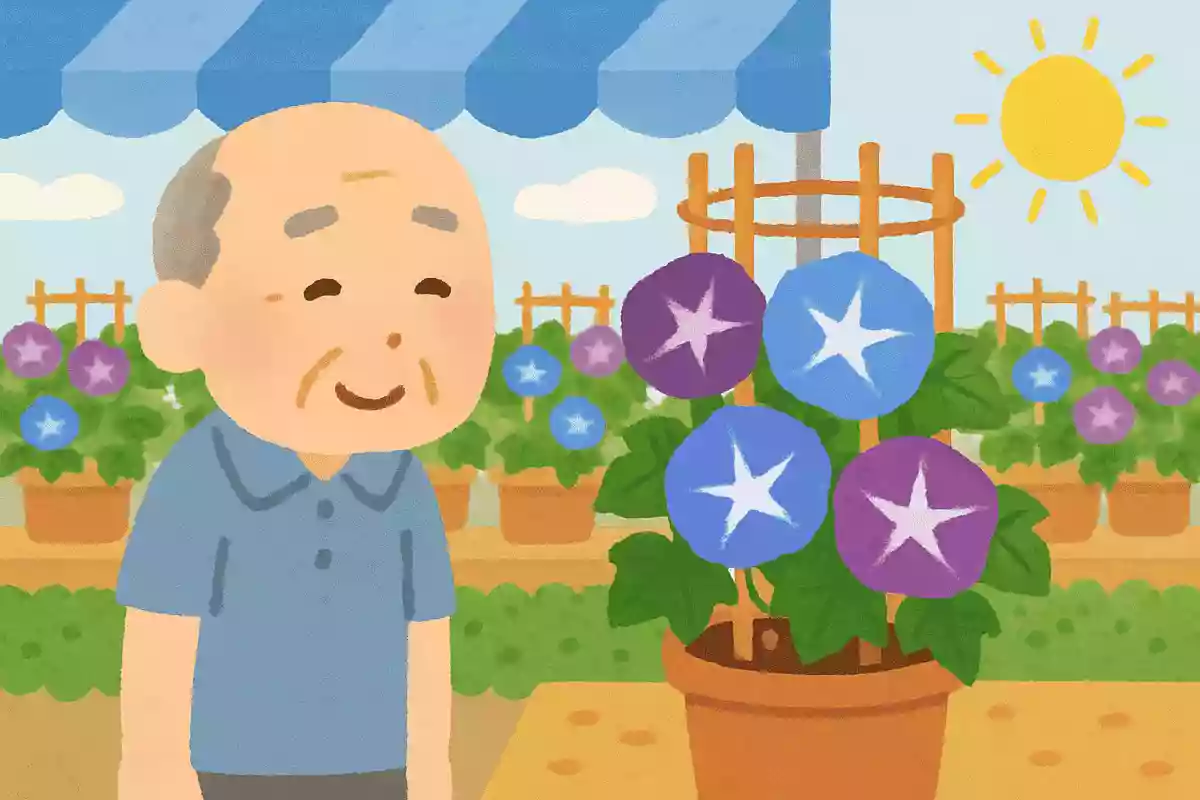
Seison Yamaguchi was a haiku poet active from the Meiji through the Showa eras.
While valuing Masaoka Shiki’s shasei (sketch-from-life) style, he composed haiku that gently depict beautiful scenes.
He was also unusual in that he continued writing haiku while working as a salaried company employee.
This poem means: “Year after year you keep blooming—oh morning glories of the morning glory market.” The morning glory market is a summer tradition where morning glories are sold.
The phrase “continue to bloom” evokes a sense of history and the accumulation of time from the past to the present.
It is a celebrated verse that gently addresses the morning glories, conveying the cyclical nature of the seasons and the brilliance of plant life.
A dance of four or five people, with the moon sinking low.
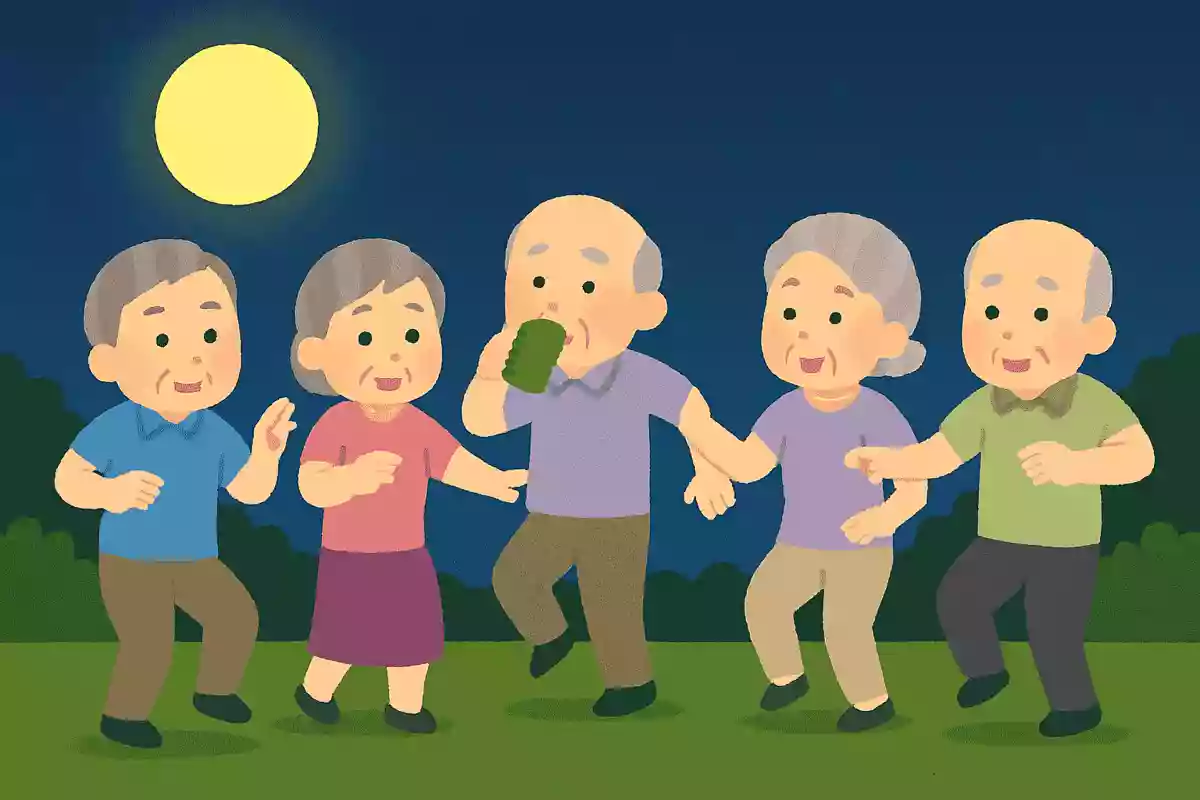
The lively Bon Odori festival, where everyone had been enjoying themselves together, has dwindled before we knew it to only four or five people, and it depicts them dancing through the night and having fun.
This is a haiku written by Yosa Buson, a mid-Edo period haiku poet.
Buson is also famous as a painter and is known for establishing haiga, which combines haiku and painting.
He composed many other wonderful haiku as well, introducing works that convey a vivid sense of the seasons, as if the scenes come to life before your eyes.
