

[Snack Activity] Easy and Delicious: Snack Ideas to Make Together with Seniors


The time it takes to chill and set yokan in the refrigerator, the moment you add toppings like fruit, the aroma of steam rising from the steamer.
Making snacks together with older adults lets you share a sense of excitement and create warm memories that go beyond the recipe itself.
Traditional Japanese sweets are familiar to many seniors and are sure to delight them.
There are plenty of ways to enjoy everything while staying seated! When the sweet scent of the finished wagashi fills the room, it will surely bring back fond memories as well.
As hands stay busy, conversation flows, and the joy of savoring the finished treat is truly special.
- [For Seniors] Making Snacks in Nursing Homes: A Collection of Easy Recommended Recipes
- [For Seniors] Snack Recipes We Want to Make in the October Recreation Activity
- For Seniors: Easy and Delicious! November Snack Activity
- [Elderly] Feel the Arrival of Spring with Snack Activities! Recommended Menus for March
- [For Seniors] Easy and Delicious! Snack Activity Roundup
- For seniors: Easy homemade snack activity using a hot plate
- [For Seniors] Recommended Snack Activities: Easy, Large-Batch Recipes
- [For Seniors] Recommended February Snack Activities: Easy, Enjoyable Sweet Treat Ideas
- For Seniors: Delicious and Fun! Christmas Snack Activity Ideas
- [For Seniors] Easy Snack Activity Perfect for September
- Snacks and activity ideas for seniors to enjoy in January
- [For Seniors] Snack Recipe Collection Rich in Calcium
- Menu ideas to enjoy for a June snack activity (for seniors)
Seasonal Wagashi Recipes (1–10)
Sakuramochi Making

Let’s try making sakuramochi, an essential treat for the Peach Blossom Festival (Hinamatsuri).
When you think of sakuramochi, you picture that gentle pink Japanese sweet.
Color glutinous rice with a little red food coloring and cook it; once it’s done, knead it and shape it into balls.
Wrap sweet red bean paste (anko) with the rice, then top with desalted cherry blossoms or leaves to finish.
Using a rice cooker instead of a steamer makes it easy.
There’s also another type of sakuramochi made by grilling a pink wheat-flour batter and wrapping it around anko—this is called Chomeiji sakuramochi.
It also seems like something fun to make together with older adults.
Enjoy a lovely time with sakuramochi—both the process and the delicious results.

Koinobori Castella

Here’s a dessert idea: carp-shaped koinobori made with castella cake.
Store-bought castella is usually rectangular.
Slice the rectangle into narrower pieces, then cut one end into a triangle to create a koinobori shape.
Use your favorite fruits to make the scales, and add facial features with jam or a chocolate pen.
It’s easy to make, so bringing a homemade dessert along for a walk with an elderly person is also recommended.
With a delicious treat and pleasant conversation, you’re sure to enjoy a lovely spring day.
warabi mochi

Warabi-mochi is usually finished with warabi starch, but here’s a method that uses potato starch instead.
Mix potato starch and sugar, add water, and microwave it.
After heating for about 30 seconds, take it out, stir with a spoon, and microwave again.
Repeat this process and—like magic—you’ll end up with delightfully chewy warabi-mochi.
Enjoy with kuromitsu (black sugar syrup) or kinako (roasted soybean flour) if you like.
It’s great because you don’t need a stovetop.
This translucent Japanese sweet is a perfect fit for summer!

Seasonal Wagashi Recipes (11–20)
Koinobori and kashiwa mochi

When you think of May, carp streamers come to mind, right? For a May snack activity, how about adorable carp streamer–style kashiwa mochi? Put joshinko (rice flour) and water in a bowl and stir with chopsticks until no dry flour remains, then loosely cover with plastic wrap and microwave for 5 minutes and 30 seconds.
Soak the kashiwa leaves in water.
Place the warmed dough on parchment paper and knead it.
Since the dough tends to stick to your hands, kneading it on parchment paper is a great idea! Roll sweet red bean paste inside a long, thin strip of dough, then use a little water-thinned bean paste to draw the eyes and scales, and you’re done.
These super cute carp streamer kashiwa mochi are a must-try—give them a go!
sakura yokan (cherry blossom sweet bean jelly)

Yokan is a traditional Japanese confection with a long history, offering a distinctly Japanese ambiance.
It’s known for being made by pouring sweet bean paste into a mold and setting it with agar.
By using cherry blossoms and leaves, you can create a dessert that captures the unique feeling of spring.
First, soak salted cherry blossoms and leaves in water, then pat them dry and mince them finely.
Next, mix heated water, sugar, and white bean paste, and warm the mixture in a microwave.
Add the cherry blossoms and leaves, pour into a mold, then add the agar mixture.
Finally, chill in the refrigerator until it cools and sets.
Because it doesn’t require a pot or stovetop, this is a safe and approachable confection to try, even for older adults.

Three-Color Shiratama
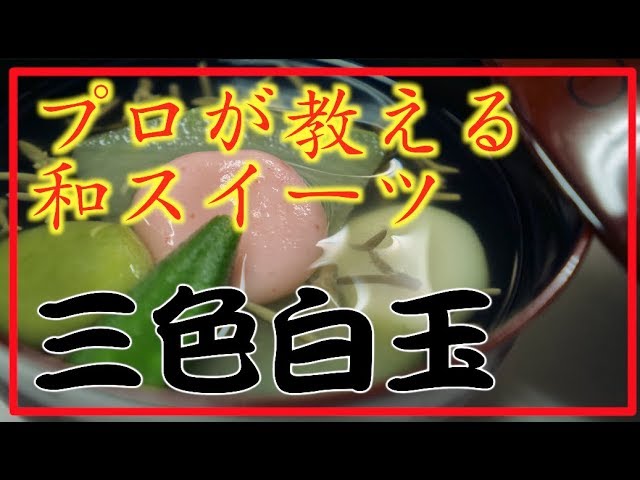
The three-colored shiratama, which strikes a good balance between appearance and ease of preparation, is a perfect idea for a handmade snack activity in April.
Kneading the shiratama flour with water doesn’t require much strength, so older adults can take part with confidence.
For the three colors, in addition to the white of the shiratama flour and the green of matcha, using pickled plum paste adds a gentle pink hue and a subtle tang.
The matcha green also lends a springlike feel.
Rolling the dough and separating it by color encourages conversation among participants and creates a calm atmosphere for the whole activity.
Once the dumplings are boiled, serving them with sweet red bean paste or kinako adds variety in flavor and plenty of satisfaction.
Give it a try!

Jiggly milk yokan

Here’s how to make jiggly milk yokan, a dessert that looks and feels refreshing.
Prepare agar, sweet red bean paste (anko), water, sugar, skim milk, lukewarm water, and a tray or pan to mold it in.
In a bowl, combine the agar, sugar, skim milk, and lukewarm water and mix well.
Meanwhile, put the anko in a pot and dissolve it with water.
Pour the mixture you just combined into the pot with the anko, heat it, and stir carefully so it doesn’t come to a boil, then pour it into the tray.
Chill in the refrigerator until set, and it’s ready.
This jiggly milk yokan is also recommended when you don’t have much appetite—give it a try!
