

[For Seniors] Introducing trivia related to May!


May is when the new routines have settled in, and the weather becomes comfortable, isn’t it? There are plenty of events too, like Children’s Day (Tango no Sekku) and Mother’s Day.
This time, we’ll introduce some trivia related to May.
You can also enjoy trivia as a quiz.
Gaining new knowledge helps stimulate brain activity.
In addition, knowing trivia topics can enliven conversation and facilitate smoother communication.
It can also help deepen bonds in conversations among older adults.
Please use this article as a reference!
- Surprisingly, there’s a lot we don’t know? A quiz to learn trivia about May!
- [For Seniors] May Calendar Craft: Motifs that color May, such as Children's Day (Tango no Sekku), Mother's Day, and seasonal flowers
- [For Seniors] Prevent Dementia with Brain Training! A May-Themed Quiz Collection
- [For Seniors] Never Run Out of Conversation Starters! A Collection of Fun Facts About April and Spring
- [For Seniors] Trivia Quiz & Fun Facts for Everyday Life
- [May Health Topic] Introducing recreational activities for seniors!
- [For Seniors] February Trivia: Useful Knowledge
- For Seniors: Lively! Trivia and Fun Facts Quiz for August
- [Koinobori] Trivia Quiz & Fun Facts! For Seniors
- [For Seniors] Recommended Events for May: A Roundup of Ideas That Get Everyone Engaged
- [For Seniors] Enjoy May! Recommended Recreational Activities and Games
- [For Seniors] Enjoy May: A Collection of Seasonal Craft and Wall Decoration Ideas
- [For Seniors] Introducing May-themed Origami!
[For Seniors] Introducing Trivia Related to May! (1–10)
May sickness is an illness that causes symptoms like a lack of motivation.

Haven’t you heard the term “May sickness” (gogatsu-byo)? May sickness is an ailment that mainly appears in May.
You might wonder, “Is there really an illness that starts in May?”—but the reason is related to Golden Week, the long holiday in May.
When the fun May holidays end, some people just can’t get motivated or don’t want to go to work or school; these symptoms are called May sickness.
It’s something almost everyone may have experienced at least once.
Medically speaking, it corresponds to depression or an adjustment disorder, so if your symptoms don’t improve, you should see a doctor.

May 2 is Green Tea Day.
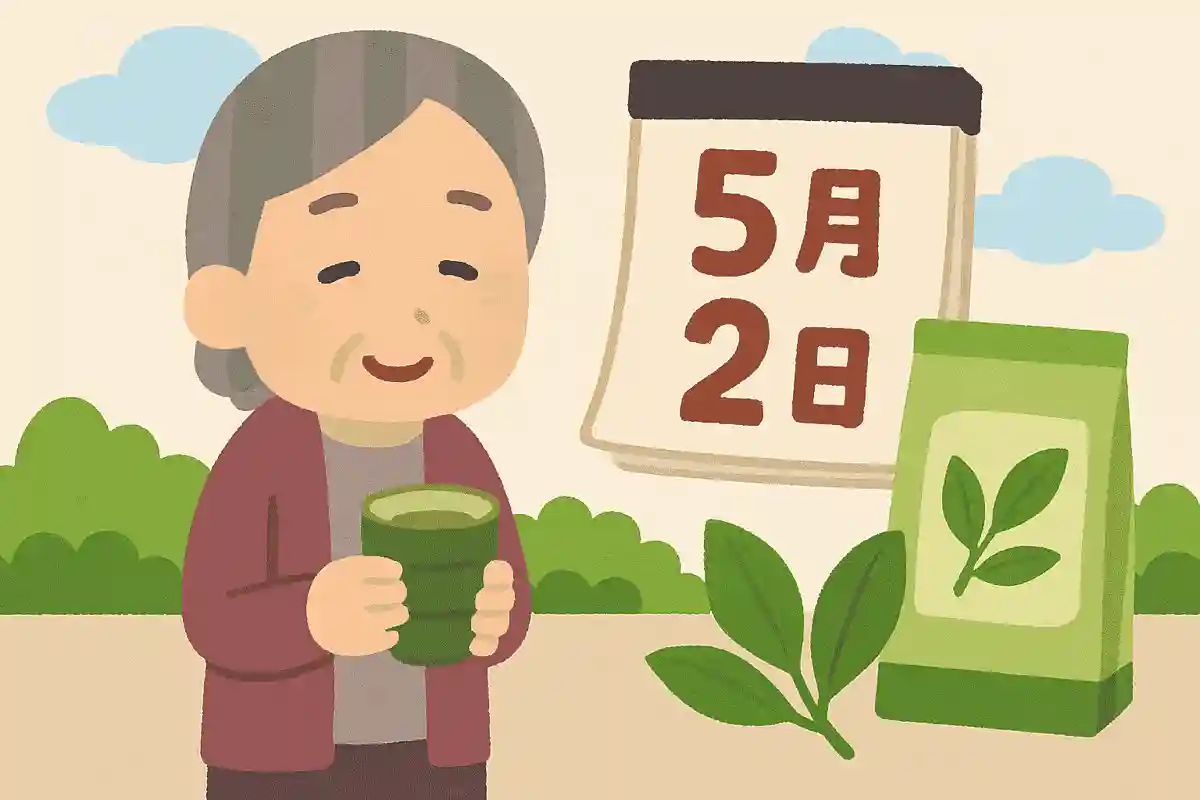
Among the days of Golden Week, focusing on the parts that aren’t national holidays might help us feel more connected to the break.
Let’s think about the commemorative day that falls on the day before those clustered holidays—May 2.
Considering that this is the season when greenery gradually deepens, and that about three months have passed since the time called Risshun (the beginning of spring), you might guess the answer.
The timing 88 days after Risshun marks the new tea season, and since May 2 falls close to that period, it has been designated as Green Tea Day.

May 6 is Croquette Day
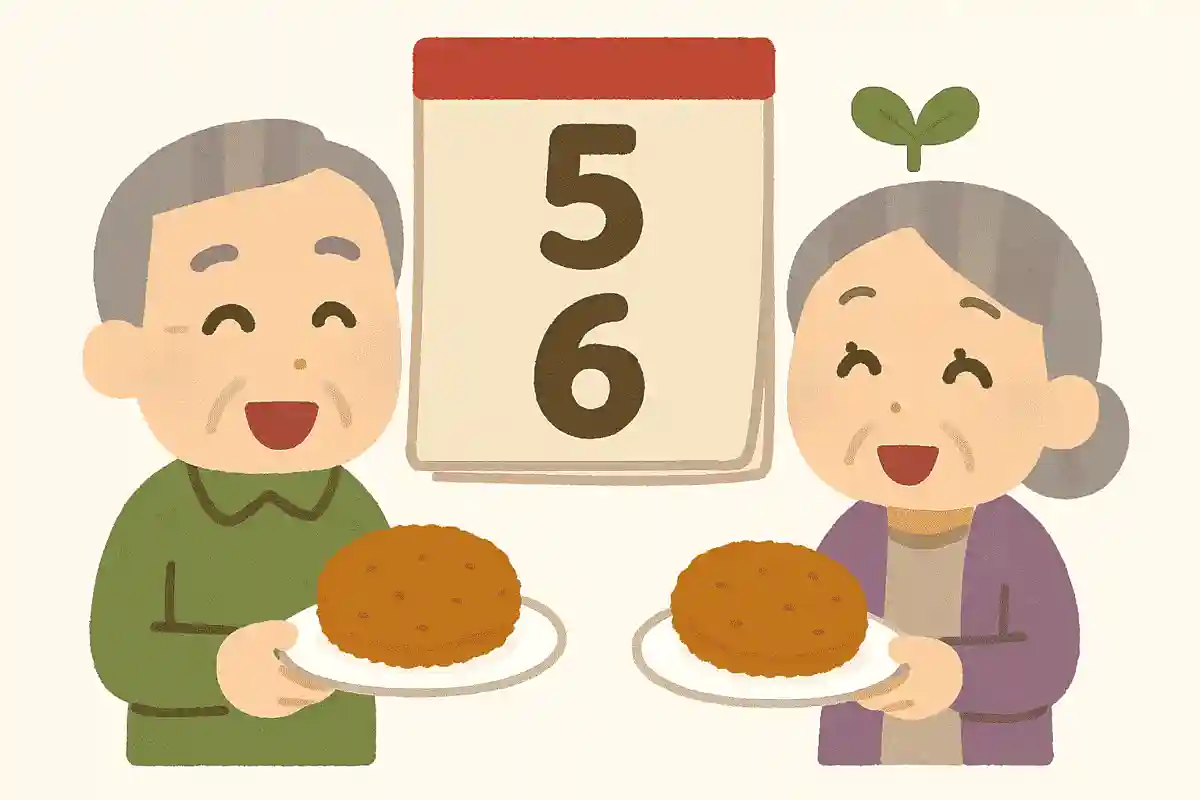
May 6 often ends up being a day off, coming right after a string of holidays, sometimes falling on a weekend or becoming a substitute holiday.
Let’s learn about the commemorative days on May 6—which can feel like a bit of an add-on—and deepen our interest in this date.
Since there are food-related observances, it could be fun to incorporate them into your menu for the day.
With the wish that families enjoy the dish during the outing season, and by playing on the way the numbers 5 and 6 are read in Japanese, May 6 has been designated as “Croquette Day.”
[For Seniors] Introducing Trivia Related to May! (11–20)
May 9 is known as Ice Cream Day.
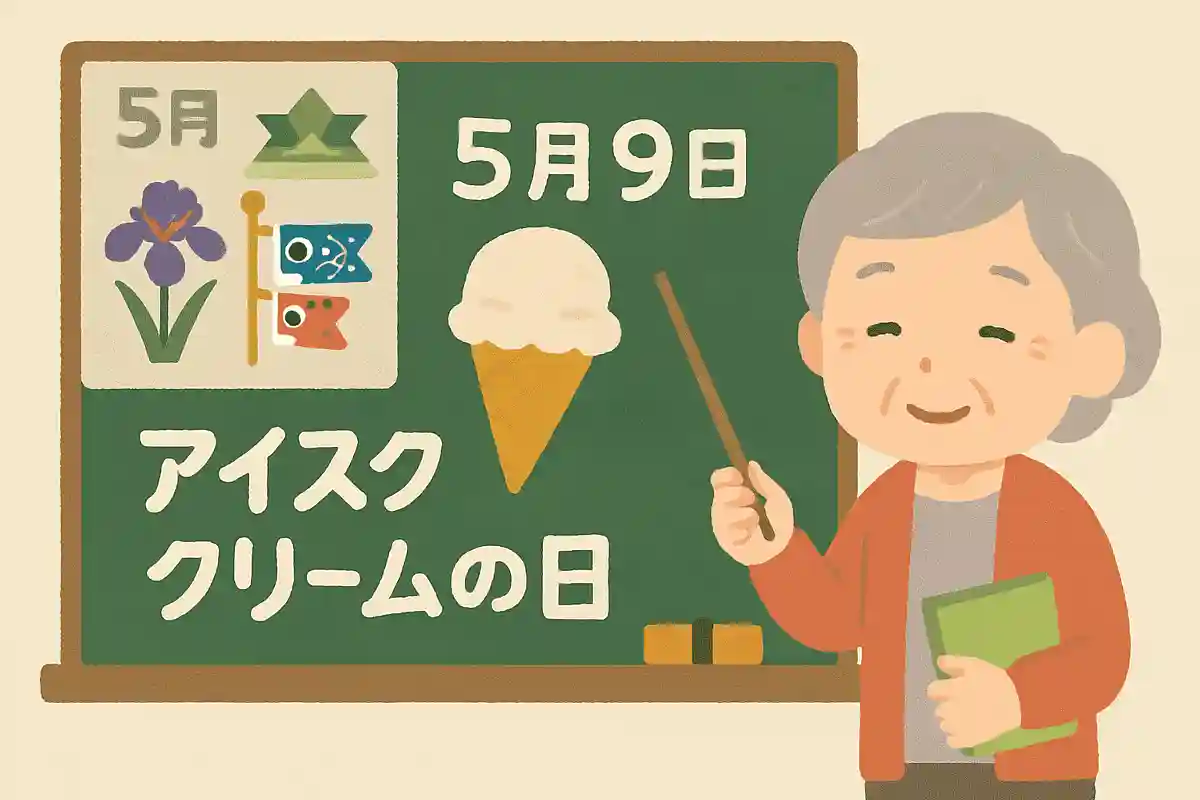
When you think of ice cream, it feels like “summer,” but May 9 is actually Ice Cream Day.
The organization that established Ice Cream Day is the Japan Ice Cream Association.
It’s said to originate from a commemorative event held on May 9, 1964, back when the Japan Ice Cream Association was still called the Tokyo Ice Cream Association.
May still strongly feels like spring, but there are actually quite a few very hot days, aren’t there? On those days, why not treat yourself to some ice cream?
What kind of wishes are imbued in kashiwa-mochi?
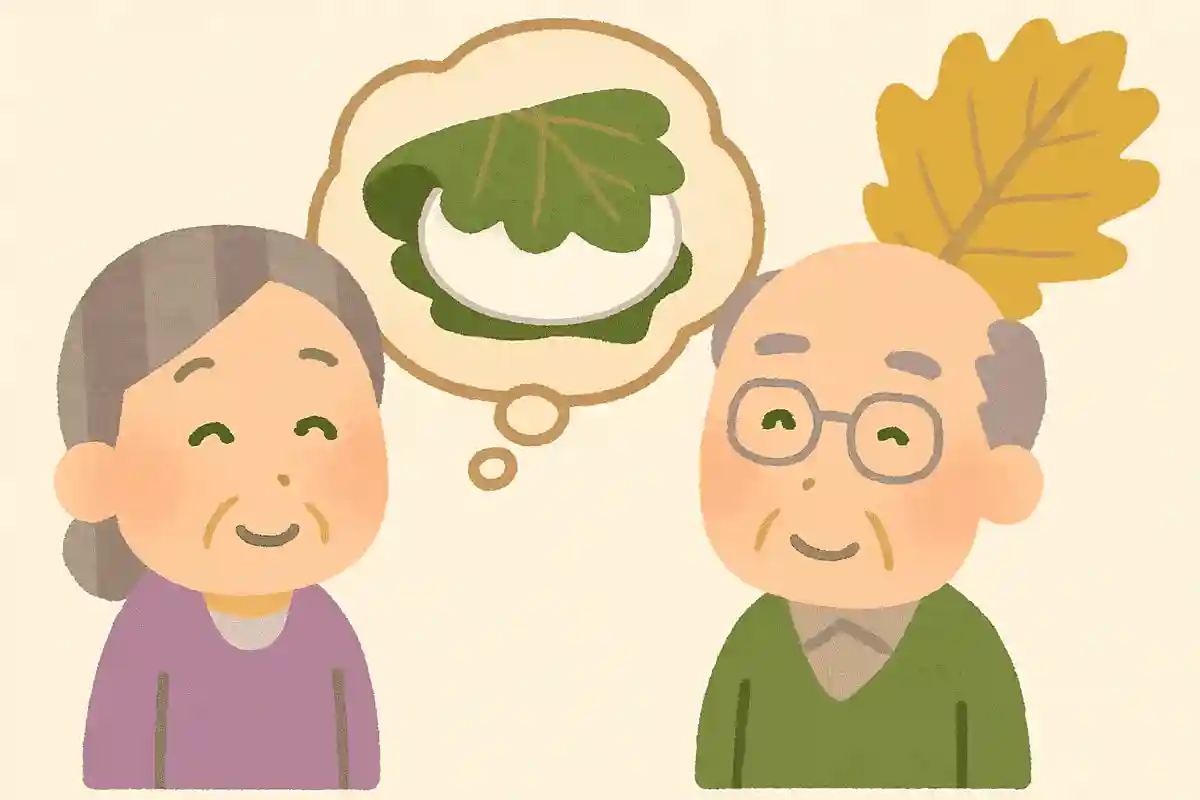
Children’s Day, a holiday that wishes for children’s healthy growth, is perhaps the most representative holiday of May.
On this day, we express our celebratory feelings with various foods such as kashiwa mochi, chimaki, and chirashi-zushi.
These foods are not only seasonally appropriate, but also carry meanings connected to Children’s Day.
Even kashiwa mochi, the quintessential Children’s Day sweet, has a special significance.
Because oak trees and their leaves are said not to shed old leaves until new buds emerge, kashiwa mochi symbolizes meanings such as “unbroken family lineage” and “prosperity of descendants.”
Wood ear, which is in season in May, is not a jellyfish but a type of mushroom.
When you hear “kikurage,” you might think it’s a type of jellyfish from the sea, but it’s actually a kind of mushroom.
If you’ve eaten it, you’ll know: it’s dark in color and has a pleasantly crunchy texture.
It’s often found in Chinese-style rice bowls, and some older folks may remember wondering as children about the black kikurage mixed in with the vegetables.
The kind you usually see is black kikurage, but there’s actually a “white kikurage,” too.
It’s rare, so not many people may have tried it.
The birthstone for May is emerald.

Emerald, a gemstone with a strikingly beautiful green hue.
If your birthday is in May, you may already know this, but the birthstone for May is the emerald.
The exact reason why emerald became May’s birthstone isn’t clear, but since May is the season of fresh greenery, the green emerald is a perfect fit! Emerald is also known as one of the world’s four major gemstones, and its gemstone meanings include good fortune, happiness, love, and hope.
In the past, it was favored as a symbol of wealth and power.