

[For Seniors] Introducing trivia related to May!


May is when the new routines have settled in, and the weather becomes comfortable, isn’t it? There are plenty of events too, like Children’s Day (Tango no Sekku) and Mother’s Day.
This time, we’ll introduce some trivia related to May.
You can also enjoy trivia as a quiz.
Gaining new knowledge helps stimulate brain activity.
In addition, knowing trivia topics can enliven conversation and facilitate smoother communication.
It can also help deepen bonds in conversations among older adults.
Please use this article as a reference!
- Surprisingly, there’s a lot we don’t know? A quiz to learn trivia about May!
- [For Seniors] May Calendar Craft: Motifs that color May, such as Children's Day (Tango no Sekku), Mother's Day, and seasonal flowers
- [For Seniors] Prevent Dementia with Brain Training! A May-Themed Quiz Collection
- [For Seniors] Never Run Out of Conversation Starters! A Collection of Fun Facts About April and Spring
- [For Seniors] Trivia Quiz & Fun Facts for Everyday Life
- [May Health Topic] Introducing recreational activities for seniors!
- [For Seniors] February Trivia: Useful Knowledge
- For Seniors: Lively! Trivia and Fun Facts Quiz for August
- [Koinobori] Trivia Quiz & Fun Facts! For Seniors
- [For Seniors] Recommended Events for May: A Roundup of Ideas That Get Everyone Engaged
- [For Seniors] Enjoy May! Recommended Recreational Activities and Games
- [For Seniors] Enjoy May: A Collection of Seasonal Craft and Wall Decoration Ideas
- [For Seniors] Introducing May-themed Origami!
[For Seniors] Introducing Trivia Related to May! (21–30)
May is May in English, and it is modeled after the name of a goddess from Roman mythology.
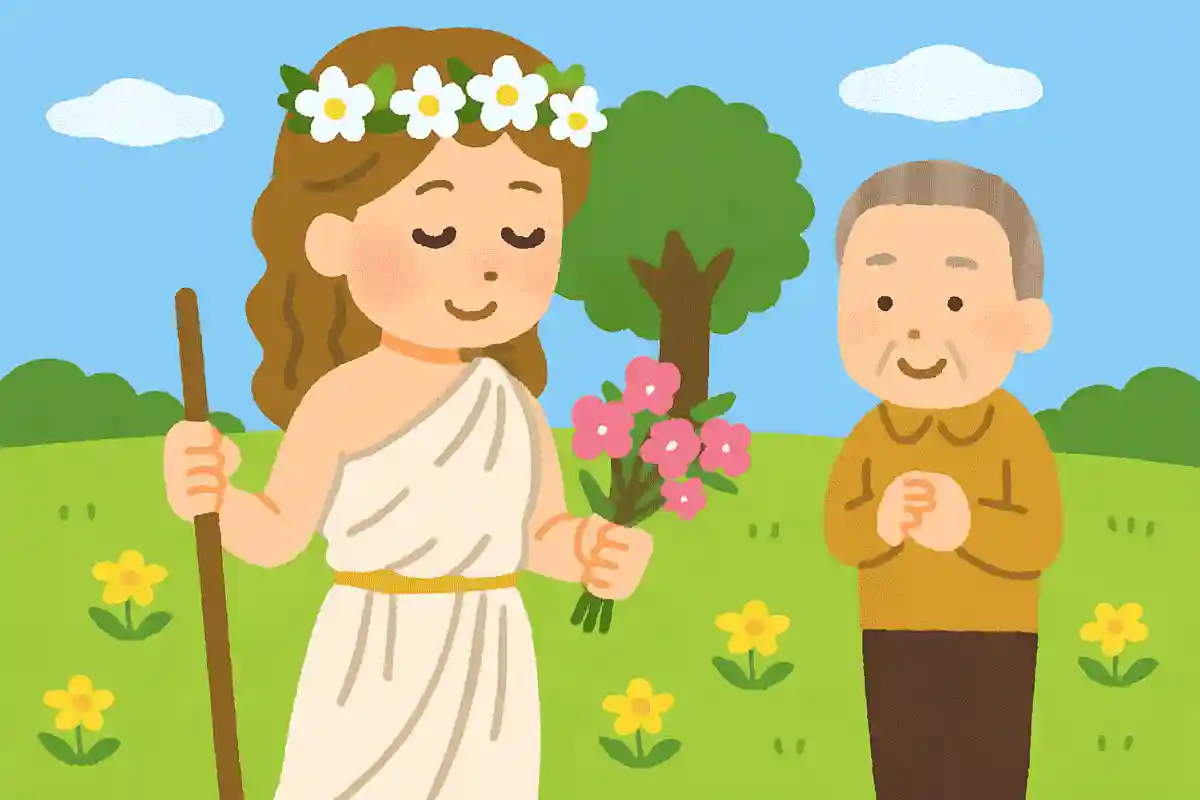
We learn that May is called “May” in English, but do you know its origin? May originally comes from the Latin word “Maius.” It is said that Maius derives from Maia, the goddess of fertility in ancient Rome.
In ancient Rome, offerings were made to the goddess Maia, and a festival celebrating abundant harvests was held in May.
Because May was the month presided over by Maia, the goddess of fertility, it came to be called “May.” Incidentally, this festival is said to be the origin of May Day.

Golden Week used to be called a “staggered holiday.”
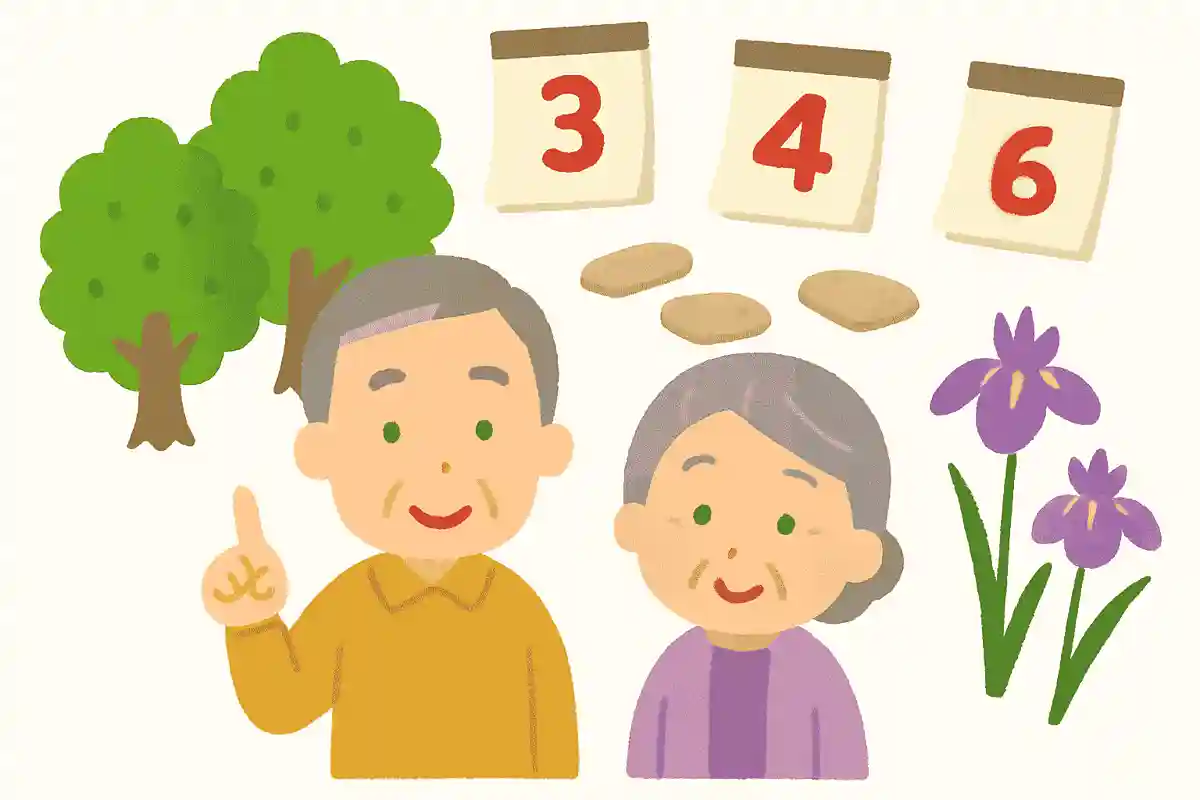
May has a long holiday period, and it’s an exciting time to plan trips and look forward to fun.
When it comes to the May holidays, we naturally call them “Golden Week,” but did you know it used to be called “Tobi-ishi Renkyū” (literally, “stepping-stone holidays”)? In the past, May 4 was a regular weekday, with holidays before and after it, which led to that name.
However, after the Public Holiday Law was revised and May 4 also became a holiday in 1986, the term “Tobi-ishi Renkyū” fell out of common use.
Children’s Day Quiz

Here’s a quiz themed around one of May’s seasonal events: Children’s Day.
May 5 is an old-fashioned holiday also known as Tango no Sekku.
While most people picture carp streamers swimming in the sky, what else do we do on this day? You might find yourself thinking, “Now that you mention it…” There are kanji questions about “Tango no Sekku” and questions about the order of the carp streamers—pretty challenging, aren’t they? A quick online search turns up plenty of materials that could be turned into quiz questions, so be sure to look into it!

What do you call mandarins whose peak season is in May?
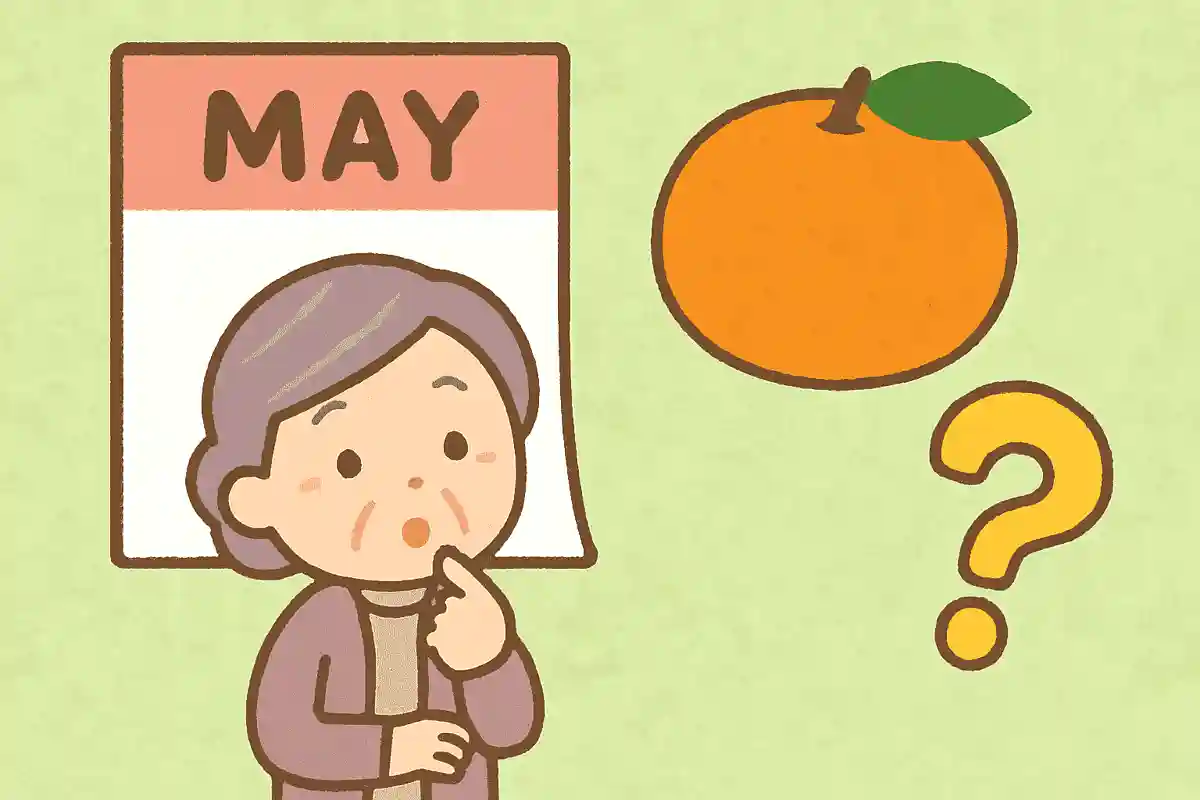
In May, when the greenery deepens, it also seems to be the season when the colors of fruits gradually grow richer.
Let’s think about the fruits that come into season in May and deepen our understanding of the time of year.
While mandarins are strongly associated with being in season in winter, there are varieties that reach their peak around this time as well.
These mandarins, known as “natsu mikan” or “summer daidai,” are characterized by their large, yellow appearance.
The fruit is left on the tree to allow the acidity to mellow, finally reaching peak ripeness in early summer.

On May 1, a workers’ festival called May Day, held in various parts of the world, takes place.
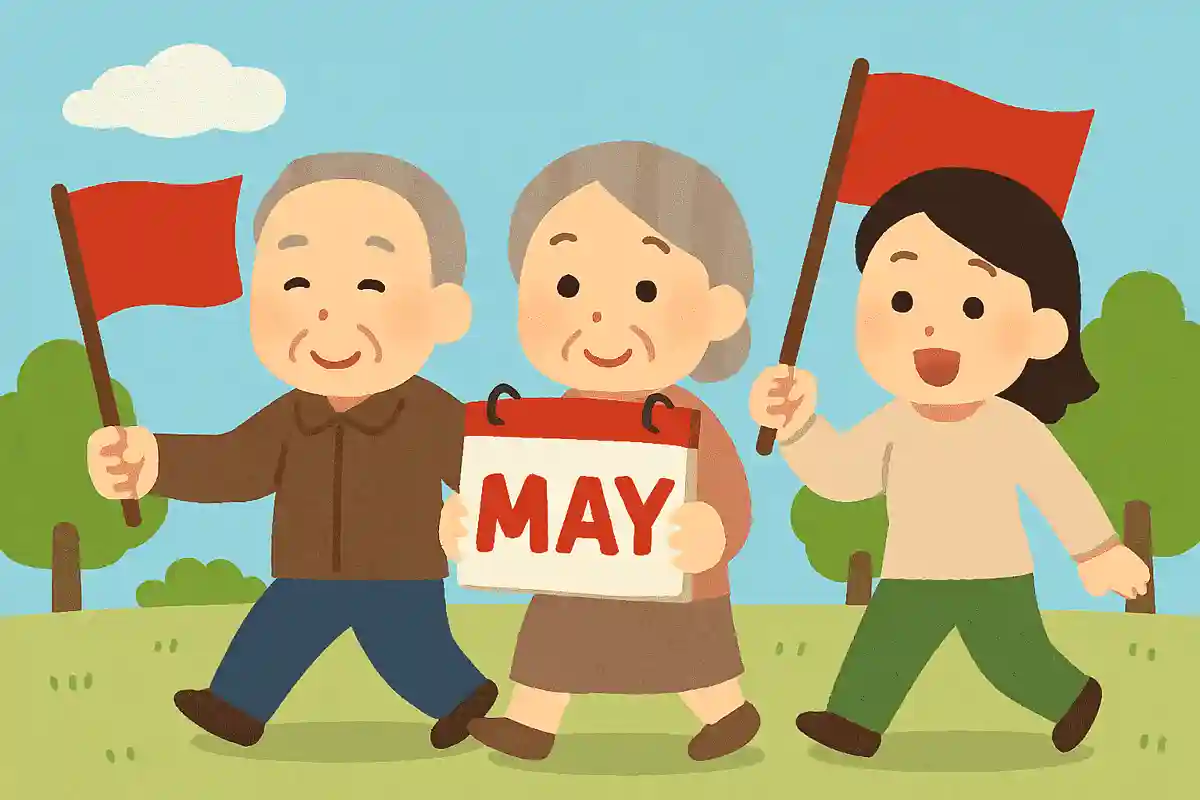
On May 1, May Day—the workers’ festival—is held around the world, featuring demonstrations advocating for workers’ rights and various labor-related events.
May Day is said to have begun in 1886 with a strike organized by American workers.
As a result of this strike, the prevailing 14-hour workday in the United States at the time was reportedly changed to an 8-hour workday.
In recent years, many events aimed at fostering interaction among workers have also been held, so it sounds fun to take part in those as well.
May 4 is the day when ramune was first manufactured and sold in Japan.
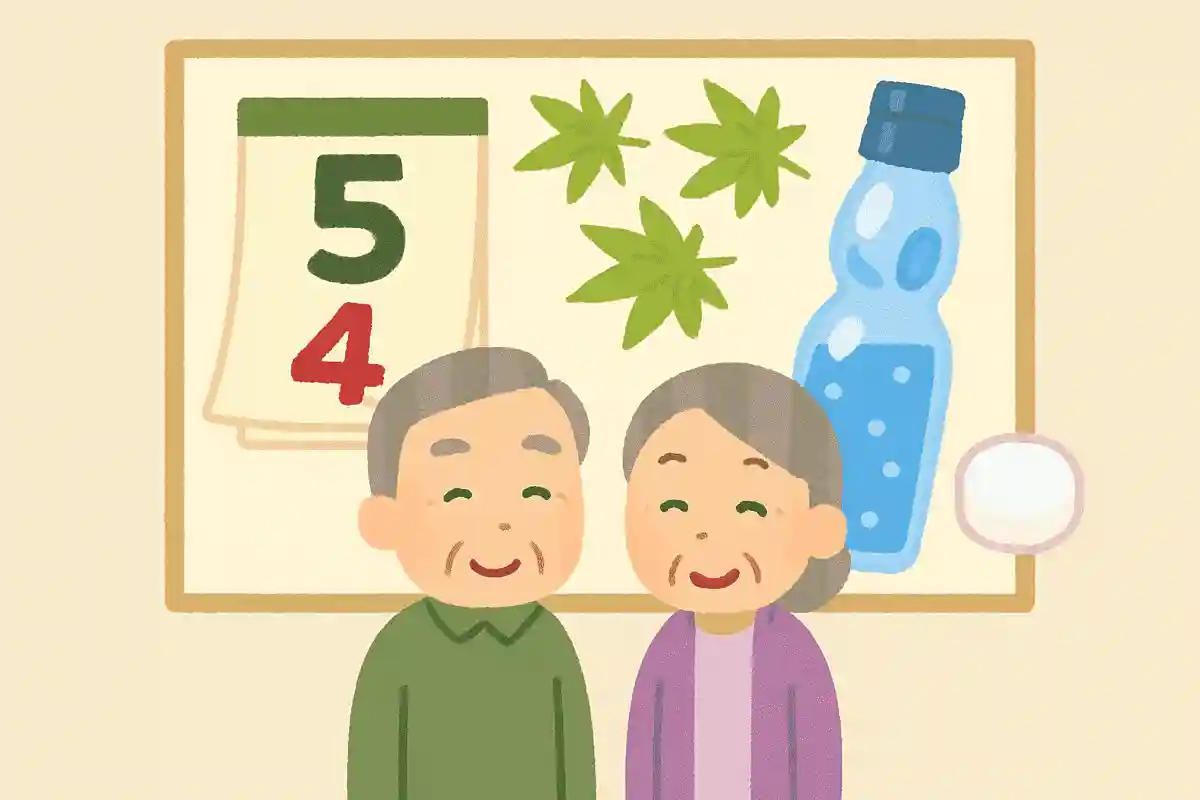
Ramune, a summer festival staple, is likely something even older folks drank at least once in their childhood.
There’s a marble inside the bottle, making it a refreshingly cool-looking drink.
Ramune first went on sale on May 4, 1872, marketed by entrepreneur Katsugorō Chiba.
The name “ramune” actually stuck as a dialectal corruption—the original word was “lemonade.” Since May 4 is Ramune Day, why not try a bottle for the first time in a while?
Cigarette smoke contains about 70 types of carcinogenic substances.
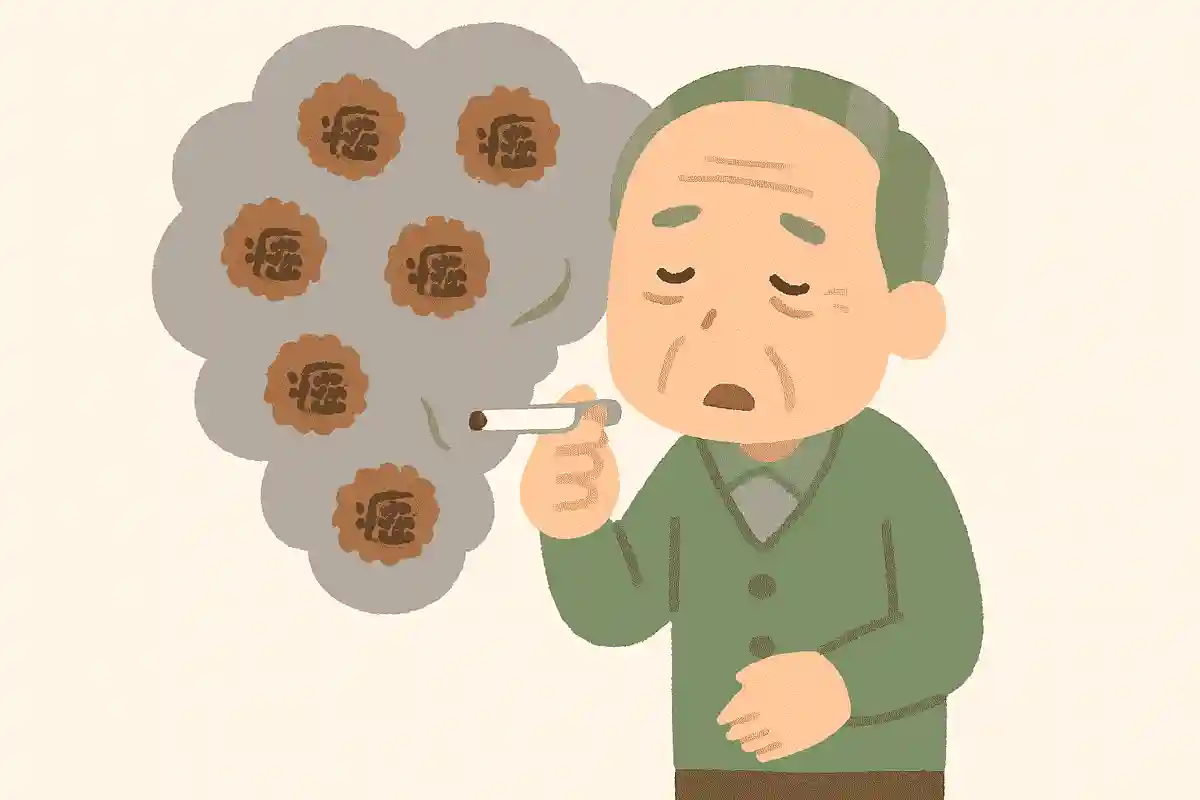
This may be a bit unsettling for smokers, but of the chemicals contained in cigarettes, more than 70 are said to be carcinogenic.
The smoke also contains harmful substances like nicotine and carbon monoxide, so the risk applies not only to those who smoke but also to people who inhale the smoke.
There’s a common saying about tobacco: “It brings a hundred harms and not a single benefit.” Also, May 31 is World No Tobacco Day, so this might be a good opportunity to consider quitting smoking.