

[For seniors] Turn negatives into positives: Ways to interact that inspire motivation

For staff members working at senior care facilities and for family members, we all want older adults to enjoy lively, fulfilling days.
However, it’s not uncommon to see people who refuse recreational activities or outings, and even avoid communicating with others.
Some may also make negative remarks such as, “I don’t want to,” “Someone like me… what’s the point,” or “I’ll just be a burden to others, so I’d rather not.”
This article looks at why motivation may have declined in the first place, the risks of leaving it unaddressed, and ideas to try for drawing out motivation.
Let’s think together about how older adults can lead better lives!
- [For Seniors] Uplifting Words That Comfort the Heart
- [For Seniors] Add Enjoyment to Everyday Life: A Compilation of Activity Care Plans
- Fun, engaging topics for conversations with older adults!
- For Seniors: Enjoy Every Day! A Collection of Senior Recreation Ideas
- Conversations Made Easy! A Collection of Topics That Elderly People Enjoy
- For Seniors: Effective Recreation for Preventing Care Needs—Have Fun While Staying Healthy
- [For Seniors] Exercises to Walk Again. Fall Prevention
- [For seniors] Dice talk: engaging prompts
- For seniors: Words of gratitude and uplifting magic phrases. Tips for saying things that resonate with the heart.
- Inspiring quotes for seniors: words to cherish like a protective amulet
- Introducing words that will delight elderly people
- [For Seniors] Conversation starters that help you chat: engaging questions and topics to spark lively talks
- Explaining interesting initiatives at nursing care facilities! We also introduce seasonal recreational activities.
Let's reconsider how we engage (1–10)
Reconsider how you’re currently engaging
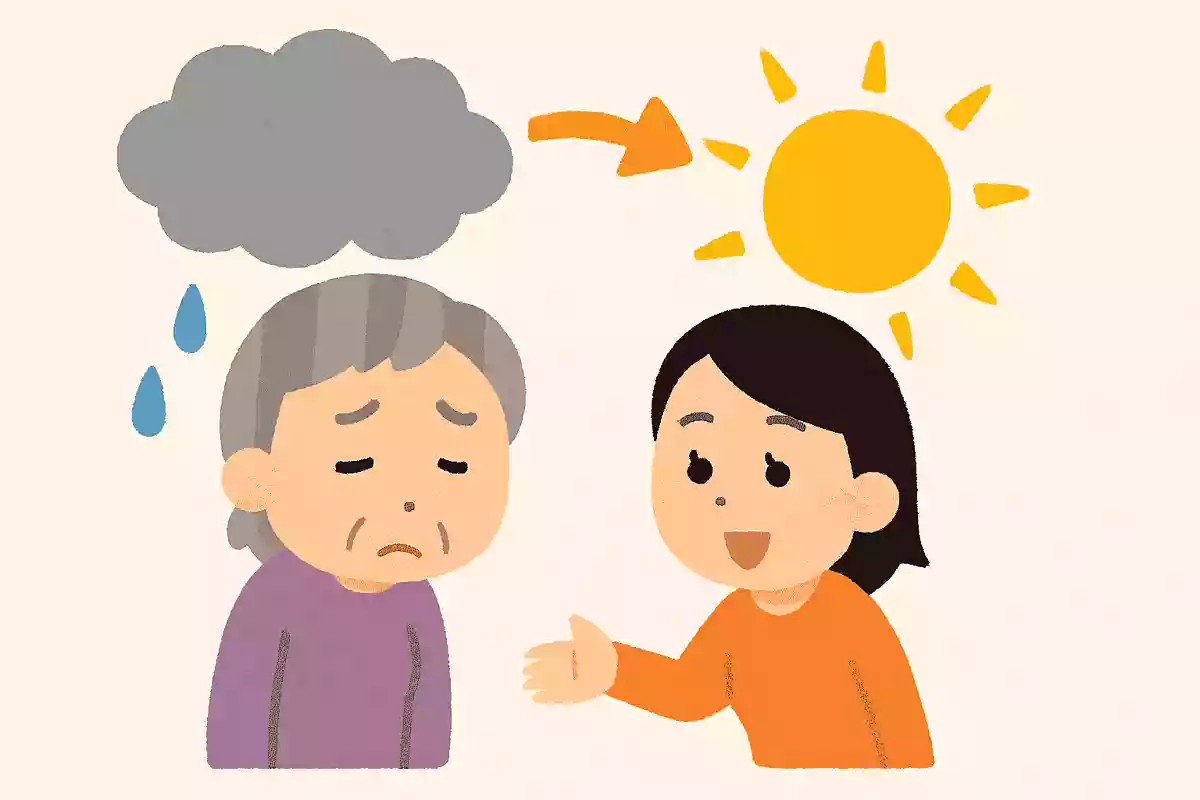
Do you have anything you pay attention to when interacting with others? You might hear a variety of answers, but this is also a very important point when engaging with older adults.
One key aspect to value in communication with older adults is to be attentive to their feelings.
So what does it mean to be attentive? Everyone feels happy when they can sense that they are being cared for and that someone is thinking about them.
By changing the way we interact, we might find some useful hints.
attentive listening attitude

Active listening means making an effort to understand the other person from their perspective while empathizing with them.
When speaking with older adults, address them slowly and listen slowly.
It’s important that we always adjust our communication to their pace.
Of course, don’t cut them off or deny what they’re saying—first, accept it.
Then carefully grasp and acknowledge their feelings.
By continuing to practice active listening, it becomes easier for them to talk not only about positive topics but also about negative ones.
Building trust

Important points for building trust with older adults include being mindful of your language, eye-level, and physical distance.
For staff working in care facilities who interact with older adults every day, isn’t it easy to unintentionally get a little too close? Some people may slip into overly familiar language or start using nicknames.
Of course, everyone feels differently, so it’s essential to determine whether a person prefers more casual language or more clearly defined, formal speech.
Once trust is established, communication naturally becomes easier.
Becoming a good understanding partner for an older adult will also help you grasp their situation more accurately.
Things I want to try (1–10)
Improvement of physical function and pain relief
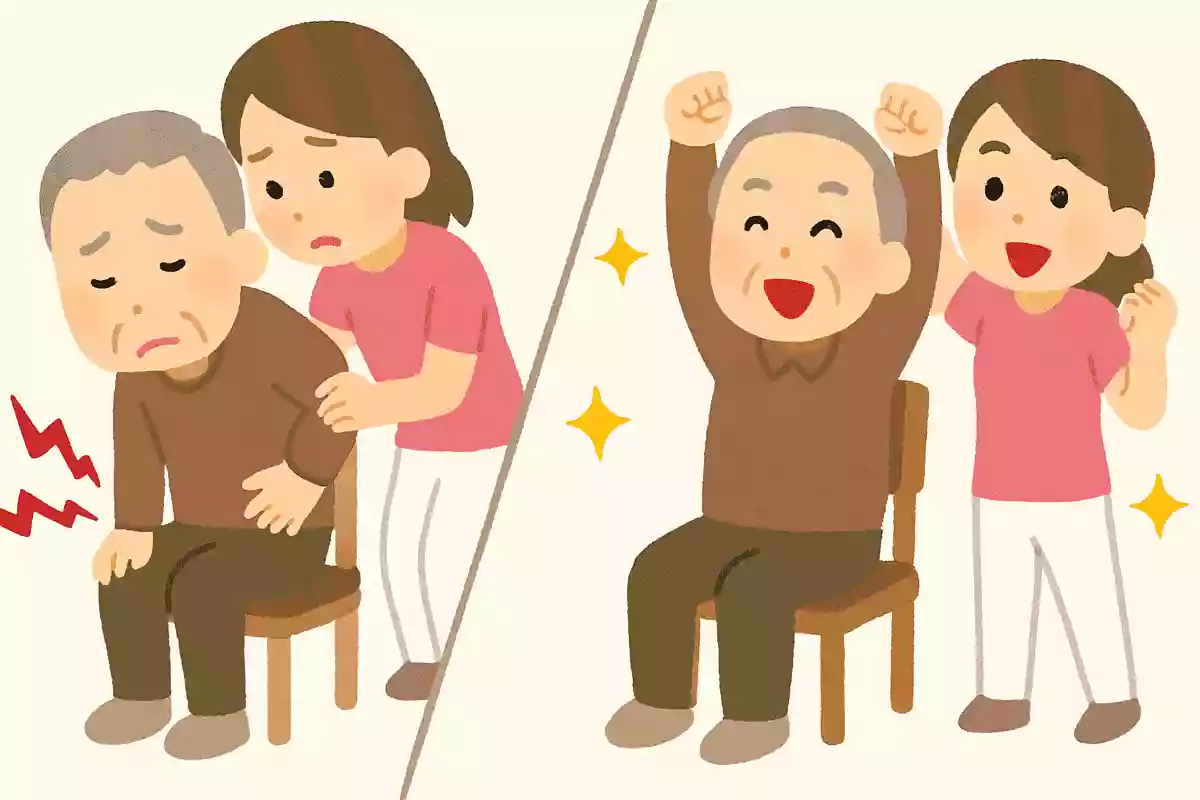
One thing we’d like to try is an approach that addresses physical factors.
If there is bodily pain, we’ll connect the person with appropriate treatment; if there doesn’t seem to be pain, we’ll incorporate simple rehabilitation exercises.
Some people might feel, “I could enjoy giving it a try!” if they do it together with facility staff or other users.
For those who prefer being alone, we can design activities they can focus on by themselves.
As pain decreases and physical abilities improve, it can build confidence and help restore motivation.
Change your environment, refresh yourself
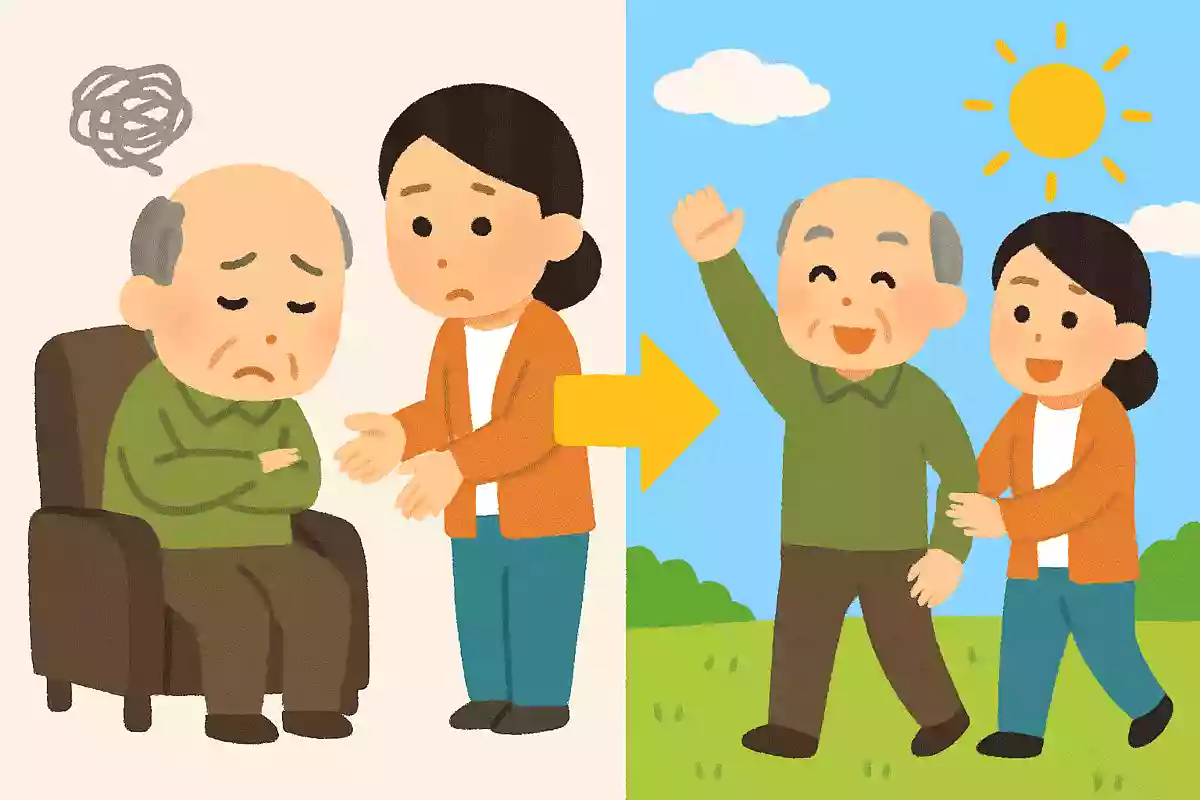
If their motivation has declined and they’ve withdrawn into themselves, changing the environment to help them refresh their mood can be effective.
For example, open a window to let in fresh air or go out for a walk.
You might also consider playing their favorite music or preparing soothing items like candles or an aroma diffuser.
It would be helpful to know in advance what the older adult likes and enjoys.
Create opportunities for communication with others
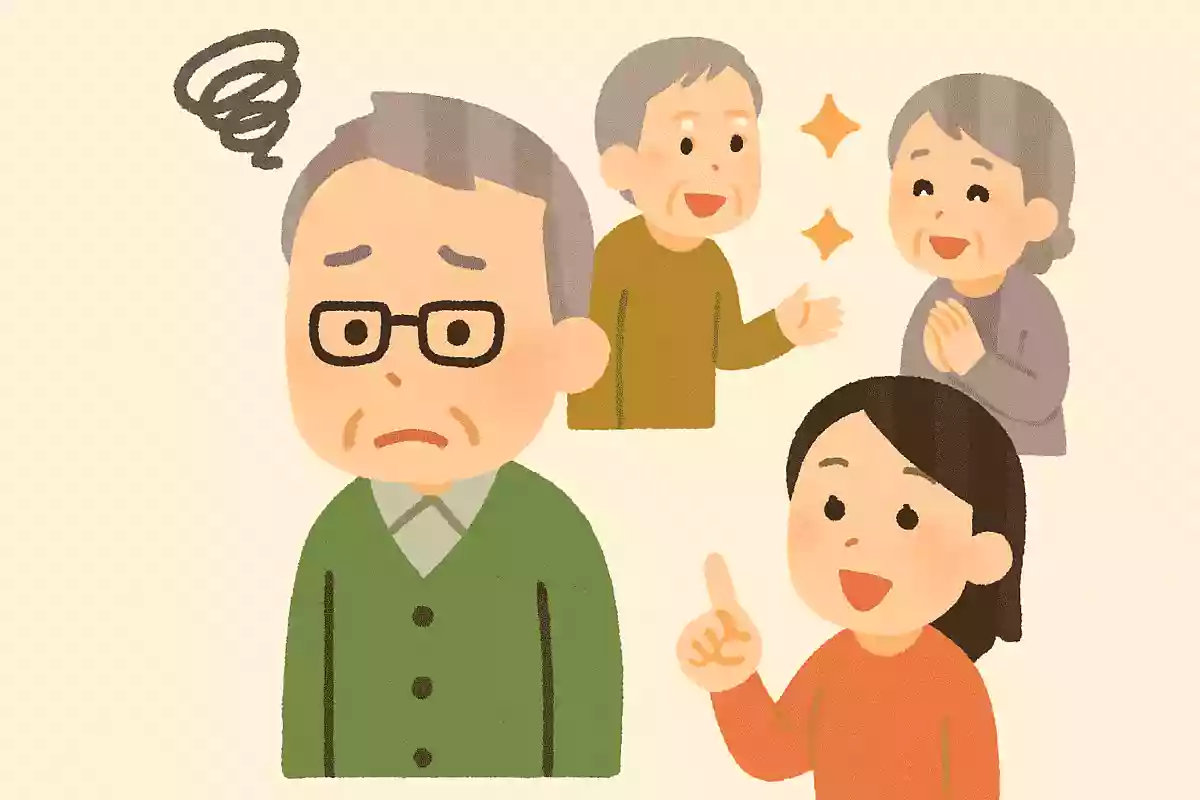
Rather than being alone, one option is to take the plunge and encourage communication with other users.
When you’re feeling unmotivated or down, being by yourself can sometimes make you feel even worse.
If you can find someone to share your concerns with or enjoy activities together, your mood will naturally become more positive.
Of course, if the person is refusing, do not force it.
It may be good to invite them at their own pace and according to how they’re feeling that day.
Let's think about how to speak up (1–10)
Effective encouragement, counterproductive encouragement
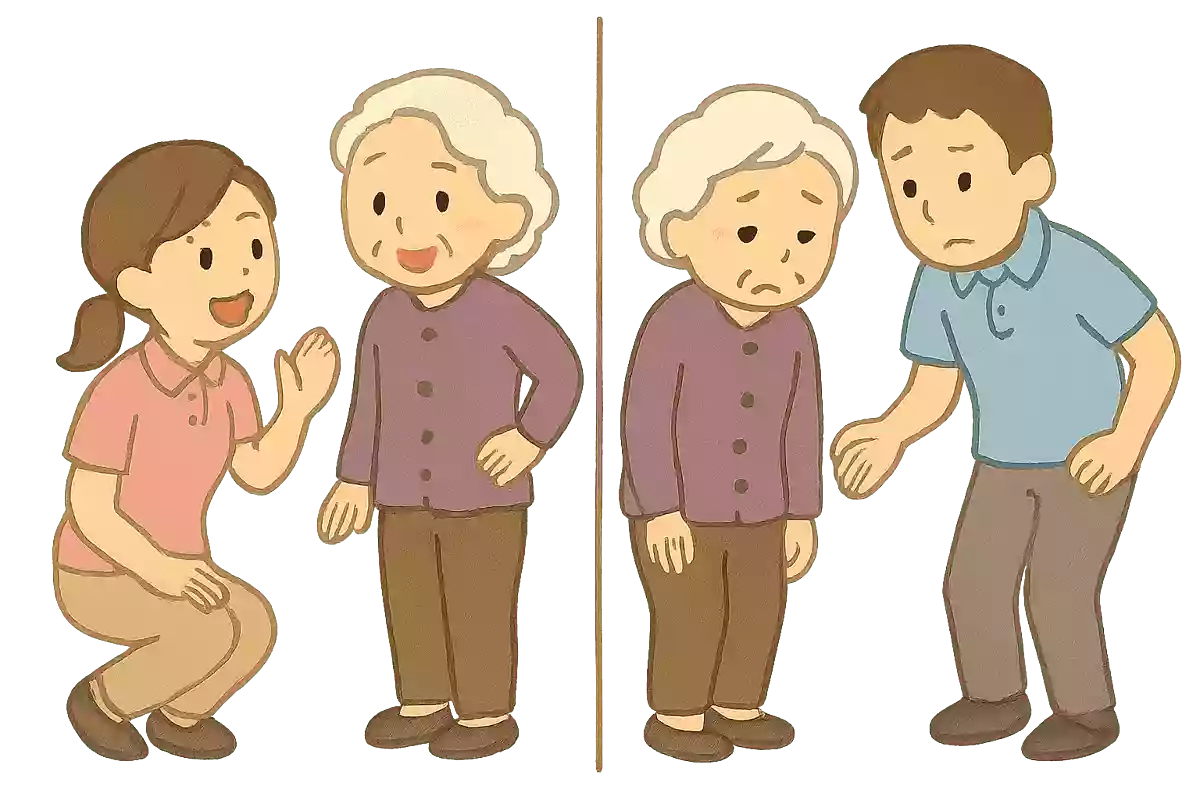
Everyone has times when they lack motivation.
In such moments, simple encouragements like “Hang in there” or “You can do more” can sometimes backfire.
That’s because those phrases can be interpreted negatively, as in, “Am I not trying hard enough right now? Am I not doing well?” Reframing them into phrases like “Go at your own pace” or “Let’s take it slow without rushing” may help create a more positive mindset.
Also, if someone is refusing rehabilitation or bathing, it may help to express forward-looking goals, such as “When it gets warmer, it’d be nice to go for a walk with your grandchild,” or “Let’s aim to attend your grandchild’s wedding or graduation.”
In conclusion
I’ve been thinking about ways to motivate older adults. First, it’s helpful to consider why they might lack motivation and then provide care that addresses those factors. I also considered the caregiver’s approach and some ideas to try, which are important to keep in mind. Using this article as a reference, let’s review how we engage with them. I hope this helps make each day better for older adults.