

[For older adults] Music recreation that helps boost mood and improve health
We’d like to introduce music-based recreational activities that can lift the spirits of older adults.
Listening to favorite songs or singing out loud can provide a change of pace and help relieve stress.
In this article, we present a variety of recreational ideas that use the music we encounter in everyday life.
Along with sing-alongs of children’s songs and simple exercises set to music, we’ve also gathered quiz-style activities that are fun like games.
If you’re planning music recreation for a senior facility or day service setting, please use these ideas as a reference.
- With upbeat rhythm routines! Music therapy for seniors
- [For Seniors] Guaranteed to Liven Things Up! A Collection of Brain Training Activities That Will Spark Laughter
- [For Seniors] Recommended for Recreation! A Collection of Fun and Lively Parody Songs
- [For Seniors] Let’s Have Fun Together! Introducing Uplifting, Energizing Songs
- [Sing for your health!] Popular songs among seniors. Also recommended for recreational activities.
- [For Seniors] Easy and fun seated activities you can do in your room
- Hand games that liven things up for seniors—also great brain training
- [For Seniors] Refresh Your Mood! Lively, Get-Moving Games
- Recreation Activities Effective for Long-Term Care Prevention for Seniors
- [Today's Recommendation] Gentle Health Exercises for Seniors
- [For Seniors] Recreational activities and games that let you have fun while strengthening your legs
- [For Seniors] Recommended Songs for Music Therapy Tailored to Physical and Mental Conditions
- [November Health Topic] Indoor Recreation Ideas for Older Adults
[For Seniors] Music Recreation Activities That Help Improve Mood and Health (21–30)
Full-body exercise ‘Hello, Mr. Turtle’
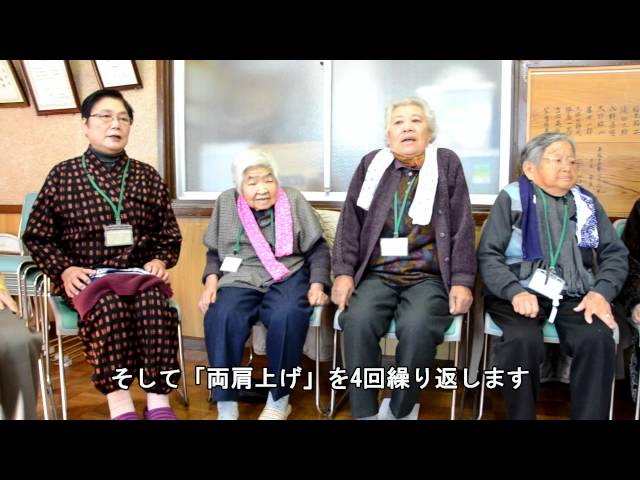
This is a recreation activity where you move your body by lifting your shoulders and marching in place while singing a familiar song.
Since it’s a tune everyone knows, even first-timers can sing together in a group and enjoy exercising.
You can do the routine alone, but it’s also nice to try it with a few people to share a sense of togetherness!
Seated Singing Exercise ‘Spring Has Come’

Song-gymnastics, which combines singing and exercise, can also be done while seated.
With choreography that matches the lyrics—like making flowers bloom or birds fly—you can do a variety of movements using just the upper body! You can also march your feet while seated, so encourage those who can to move their legs actively, and let everyone enjoy it at their own pace.

Fingerplay “Poppō”

This is a hand game that everyone can play in a circle.
You move both hands left and right to the rhythm and cross them at times.
There are occasional “poppo” calls and gestures, so the whole group can get excited together.
Since there’s a movement that uses the knees of the person next to you, it also encourages interaction among participants.
What shall we make with rock, paper, scissors?

The hand-play song “Goo Choki Paa” (Rock, Scissors, Paper) is well known.
It may seem aimed at children, but thinking about what to make with the right and left hands is a good brain exercise, so it’s also recommended for senior recreation.
Sing it at a slower tempo and encourage people to move their hands while using their imagination.
Rehabilitation Exercise ‘Song of the Frog’

This is a seated recreation activity you can do while moving your arms and legs to the tune of “The Frog Song.” During the croaking parts, incorporate frog-like motions and make the arm and leg movements opposite to each other.
The mismatched movements can be confusing, but even mistakes turn into laughs and brighten the mood.
It’s also fun to try it as a round!
Oral Exercise ‘Hatopoppo’

A children’s song I recommend for head and oral exercises is “Hato Poppo.” Simply changing all the lyrics to the P-sounds (pa, pi, pu, pe, po) makes it more challenging! At first, post the lyrics rewritten in pa-pi-pu-pe-po at the front and try singing along.
Then remove the paper and sing—people will mix up the lyrics or stop.
Even those little mistakes turn into a fun, laugh-together recreation activity.
Instrument performance

Let’s sing, play instruments, and enjoy a group jam session together! No musical experience is necessary—there are plenty of easy-to-use instruments like simple percussion and bells.
Go with the vibe of the moment and have fun playing.
Try out lots of instruments and enjoy yourself.
