

[For Seniors] Recommended Songs for Music Therapy Tailored to Physical and Mental Conditions
Music is something we can’t live without, isn’t it?
Many people find that listening to upbeat songs mysteriously lifts their mood.
In particular, in senior care facilities, music therapy is used to support physical and mental rehabilitation.
Try choosing songs that match the physical and mental condition of older adults and use them in recreational activities.
In this article, we’ve gathered many songs that are familiar to seniors.
If you’re unsure which songs to use in music therapy, please use this as a reference.
- [For Seniors] Let’s Have Fun Together! Introducing Uplifting, Energizing Songs
- [Sing for your health!] Popular songs among seniors. Also recommended for recreational activities.
- Great songs recommended for people in their 80s: a collection of tracks with lyrics that touch the heart
- [For Seniors] Simple Rhythm Exercises: Recommended Songs and Routines
- With upbeat rhythm routines! Music therapy for seniors
- [For older adults] Music recreation that helps boost mood and improve health
- Also great for dementia care! Recommended dance songs for people in their 70s: Let’s dance to those classic hits
- [For Seniors] Recommended Karaoke Songs for Women in Their 80s
- Recommended Songs for Nursing Home Recreation [Fun Exercise, Soothing Songs]
- [Celebration] A compilation of Japanese songs that elderly people will enjoy
- [Recommended for people in their 70s] Songs that really move you. Beloved classic Japanese hits of the past.
- [For women in their 70s] A collection of songs that are easy to sing even for people who are tone-deaf
- [For Seniors] Recommended for Recreation! A Collection of Fun and Lively Parody Songs
[For Older Adults] Recommended Songs for Music Therapy Tailored to Physical and Mental Conditions (21–30)
Tokyo Boogie-WoogieKasaogi Shizuko

This classic song by Shizuko Kasagi, a major influence on the Showa-era music scene, stands as a landmark of Japanese pop that brought brightness and vitality to postwar Japan.
Set to the buoyant rhythm of boogie-woogie, it paints a heart-thumping world filled with the joy and hope of youth.
Released by Nippon Columbia in January 1948, it became a record-breaking hit, selling 270,000 copies in its first year.
Its inclusion in the film Drunken Angel helped it win affection across a wide audience.
Etched in people’s hearts alongside memories of the Showa period, this work has the power to evoke nostalgic recollections.
It’s likely to be a treasured song to hum together with older listeners, sharing the happy memories of those days.
The Hill Where Mandarin Orange Blossoms Bloom

Clap hands alternately while facing each other as you sing.
Even such a simple movement can instantly turn into enjoyable communication when done to a song.
Moving your hands to the gentle melody of “Mikan no Saku Oka” stimulates the brain and helps prevent cognitive decline.
It can be done while seated, reducing physical strain, and it’s an easy activity for those who struggle to find a way to start a conversation.
This low-pressure hand game fosters interaction even in care settings and is perfect for daily recreation.

[For Older Adults] Recommended Songs for Music Therapy Tailored to Physical and Mental Conditions (31–40)
Look up at the stars in the nightSakamoto Kyu

Beloved as a song for gazing up at the night sky, this piece resonates as a warm cheer for those facing hardships.
With lyrics by Rokusuke Ei and music by Taku Izumi, it has long been cherished in the enveloping voice of Kyu Sakamoto.
Released as a single in May 1963, it was originally written as the theme song for a musical.
It is also a celebrated masterpiece that won the Japan Record Award for Composition.
Though born as a message of encouragement for young people studying at night school, it is a song that transcends generations to bring hope and courage.
It’s perfect for everyone to sing together during recreation time at the facility.
Where does the morning begin?Okamoto Atsurō
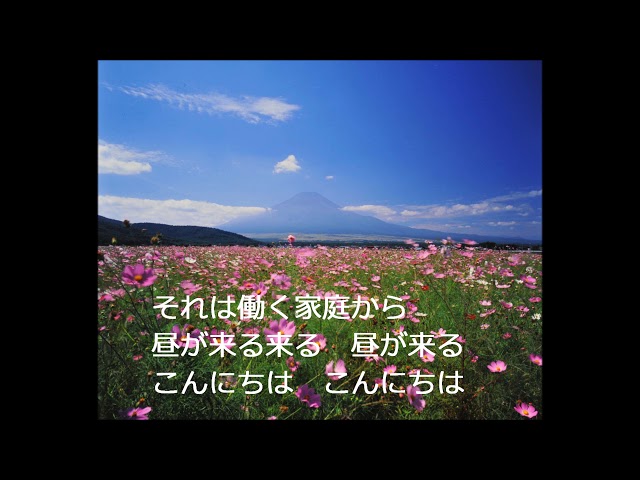
This song, which sings of the start of a refreshing morning, is a masterpiece that wonderfully captures the atmosphere of hope during the postwar reconstruction era.
Atsuro Okamoto’s warm vocals gently embrace both the anticipation for a new day and the beauty of nature.
Composed by Yoshinao Nakada with lyrics by Hiroshi Yokoi in the early 1950s, the piece was also beloved as the opening theme of the NHK radio program “Uta no Ehon” (Song Picture Book).
Its bright, light melody is perfect for recreational activities at facilities and for morning exercises.
It’s sure to invite everyone to hum along while reminiscing about days gone by.
The Mountain Hut’s LightŌmi Toshirō
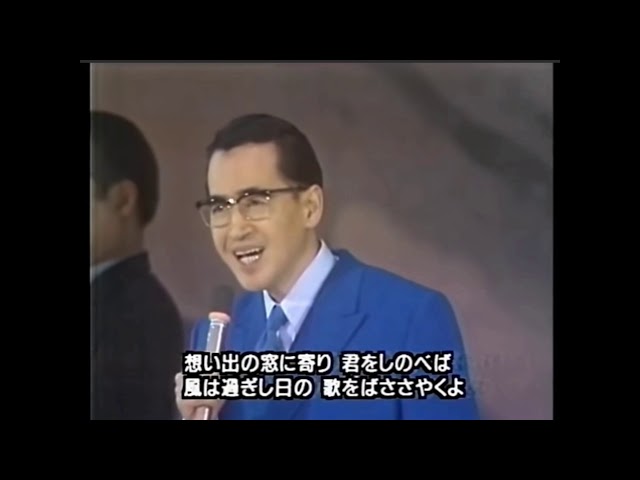
Composed and written by Masao Yoneyama in 1947, shortly after the war, this classic song is a heartwarming piece that depicts the gentle glow spilling from a mountain hut.
Toshirō Ōmi’s tender, enveloping vocals delicately convey the beauty of nature and the warmth of people.
Broadcast as an NHK Radio Kayō program, the song deeply resonated with many listeners seeking hope and comfort amid the postwar turmoil.
Its calm, lyrical melody transcends the boundaries of popular kayōkyoku, carrying elements of folk music as well.
It’s a song we’d love to see sung by those who cherish mountain landscapes and nature, or who hold fond memories of their hometown.
threadNakajima Miyuki

This work gently portrays relationships where people warm each other, likening encounters between people to warp and weft threads.
Miyuki Nakajima’s warm singing voice conveys the preciousness of bonds in life.
Included on the 1992 album “EAST ASIA,” it became even more widely known after being used as the theme song for the TBS drama “Seija no Koushin” (March of the Saints) in 1998.
It ranked first in the annual distribution ranking of royalty payments by the Japanese Society for Rights of Authors, Composers and Publishers in both 2016 and 2017.
A film inspired by the song was released in 2020, and it continues to be loved across generations.
Like carefully keeping a cherished memento, this is a song you’ll want to listen to with older adults as one that lingers in the heart.
As you reflect on the wonderful encounters in life, it will help you spend a calm, peaceful moment.
[For Seniors] Recommended Songs for Music Therapy Tailored to Physical and Mental Conditions
Furusato: Song Exercise
