

For Seniors: Famous Haiku of November — Introducing Verses Depicting Beautiful Autumn Scenery

November, when the deepening of autumn can be felt, is the perfect season for crafting haiku about autumn leaves and the arrival of winter.
Setting seasonal scenery and movements of the heart to the rhythm of 5-7-5 lets you savor the joy of choosing words and the delight of creation.
This time, we present haiku that feature late-autumn atmospheres and familiar scenes.
We’ve gathered many verses using November season words such as “kogarashi” (winter wind), “hatsu-shimo” (first frost), and “chiru momiji” (falling autumn leaves).
Imagining the depicted scenes or trying your own hand at a verse will naturally spark conversation and bring a richly fulfilling moment.
May you spend a little while feeling autumn’s deepening, together with autumnal scenes woven in words.
- [For Seniors] A Collection of Famous Autumn Haiku: Introducing Beautiful Verses That Evoke Vivid Scenery
- [For Seniors] Famous Haiku for December: Masterpieces Depicting Winter Scenes and Year-End Moments, Plus Tips on How to Compose Them
- [For Seniors] Evoking autumn scenes: Introducing beautiful haiku for October
- [For Seniors] Haiku for September: Introducing Verses Perfect for Autumn
- [For Seniors] Winter Haiku: Introducing Beautiful Masterpieces by Famous Haiku Poets
- [For seniors] Classic autumn kigo: beautiful words that depict evocative scenesNEW!
- [For Seniors] Fun Origami Ideas to Feel the Season in November
- [For Seniors] Famous Haiku About January: Learn New Year Season Words and Tips for Composing
- [For Seniors] Liven Up November Day Services! Fun Autumn Event Ideas
- For Seniors: Simple and Fun! November Recreation Ideas
- [For Seniors] Haiku for March: Enjoying a Spring Moment with Famous Verses
- [For Seniors] Recommended Trivia Quizzes & Fun Facts for November
- [For Seniors] Haiku Introductions for May: A Fun Recreation Activity
[For Seniors] Famous Haiku for November: Introducing Poems Depicting Beautiful Autumn Scenery (11–20)
The paulownia seeds have sounded forth—winter preparations.Fuji-o Shiba
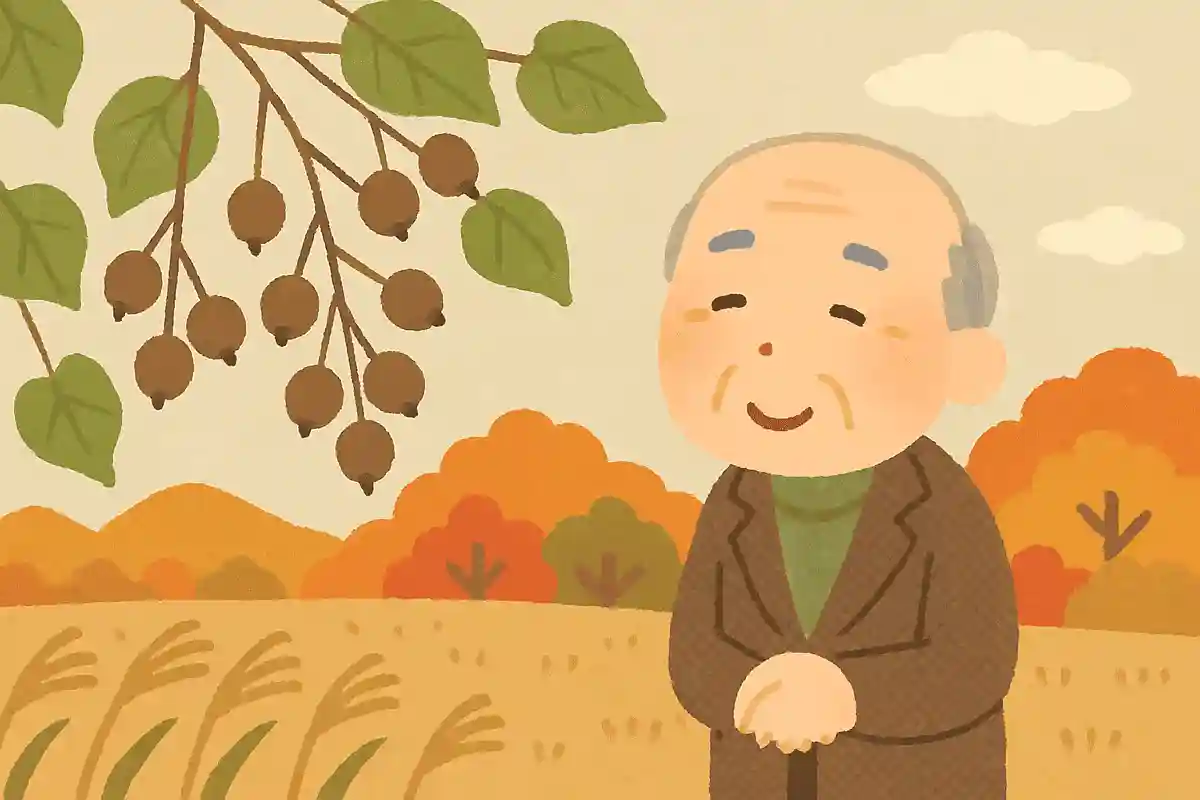
A verse by Shiba Bukio that senses the shift in nature from late autumn to early winter.
“Kiri no mi no nari ide ni keri” depicts the sound of paulownia pods ripening and falling.
Hearing that sound made him realize it was time to prepare for winter.
“Fuyugamae” refers to readying one’s home and garden against the cold.
From the small change in nature—the sound of paulownia pods dropping—Shiba Bukio felt the deepening of the season and the intimate link between life and nature.
On a quiet day in November, it is a gentle, calm poem that quietly accepts winter’s approach.

In conclusion
Expressing the scenes of November in haiku becomes a rich time to feel the changing seasons with your heart. If you try composing familiar landscapes—autumn leaves, preparations for winter, the atmosphere of late autumn—set to the 5-7-5 rhythm, you may discover something new in everyday life. May you spend a calm, peaceful time, conversing with the season through haiku.