

For Seniors: Shiga Prefecture Local Quiz – Learn About Famous Tourist Spots and Regional Cuisine

What comes to mind when you think of Shiga Prefecture? Why not enjoy a fun time with a “Local Quiz about Shiga Prefecture” that anyone can enjoy, whether or not you have a connection to Shiga? From Lake Biwa and Shigaraki ware to Hikone Castle, we’ve prepared questions that let you engage with Shiga’s history and culture while pleasantly stimulating the mind together with older adults.
As you search for hints to the answers, the conversation will flow—and it might even spark fond memories.
Please enjoy a heartwarming moment that brings to mind nostalgic streetscapes, traditional flavors, and the scenery of your hometown.
- [Kyoto Prefecture Local Quiz] Introducing recommended questions for seniors!
- [For Seniors] Introducing Local Quizzes from Mie Prefecture!
- For Seniors: Local Quizzes of Osaka Prefecture, from Famous Tourist Spots to Food
- [Hyogo Prefecture Local Quiz] Introducing questions for seniors!
- [Local Quiz for Seniors] Rediscover the Charms of Nagano! Introducing Famous Tourist Spots and Delicious Local Specialties
- [For Seniors] How many can you answer? Introducing a local quiz about Shizuoka Prefecture
- [For Seniors] Local Quiz of Okayama Prefecture: Rediscover the Region’s Charms
- [For Seniors] Brain Training with Ehime Prefecture Local Quizzes! Enjoy Rediscovering the Region’s Charms
- [Gifu Prefecture] Local Quiz! For Seniors
- [For Seniors] Kanagawa Prefecture Local Quiz! Learn more while having fun
- [For Seniors] Discover Hokkaido’s Charms! Local Trivia Quiz
- [For Seniors] Enjoyable Brain Training! Liven Up with a Local Three-Choice Quiz
- [For Seniors] Fun! Let’s Get Excited with Japan’s Number One Quiz
[For Seniors] Shiga Prefecture Local Quiz: Learn about Famous Tourist Spots and Local Cuisine (1–10)
Which of the following proverbs are related to Lake Biwa as their origin?

- a sly old fox; a seasoned and cunning person
- More haste, less speed.
- Even monkeys fall from trees.
See the answer
More haste, less speed.
Make haste slowly (literally, “If you’re in a hurry, go the long way around”) is a proverb meaning that when you’re in a rush, taking a detour can actually get you there faster. Its origin is said to be Lake Biwa: rather than crossing the lake’s southern end by boat, it was safer and faster to take the longer overland route around it.

Speaking of Shiga Prefecture’s local cuisine, what is the one known for its distinctive smell?
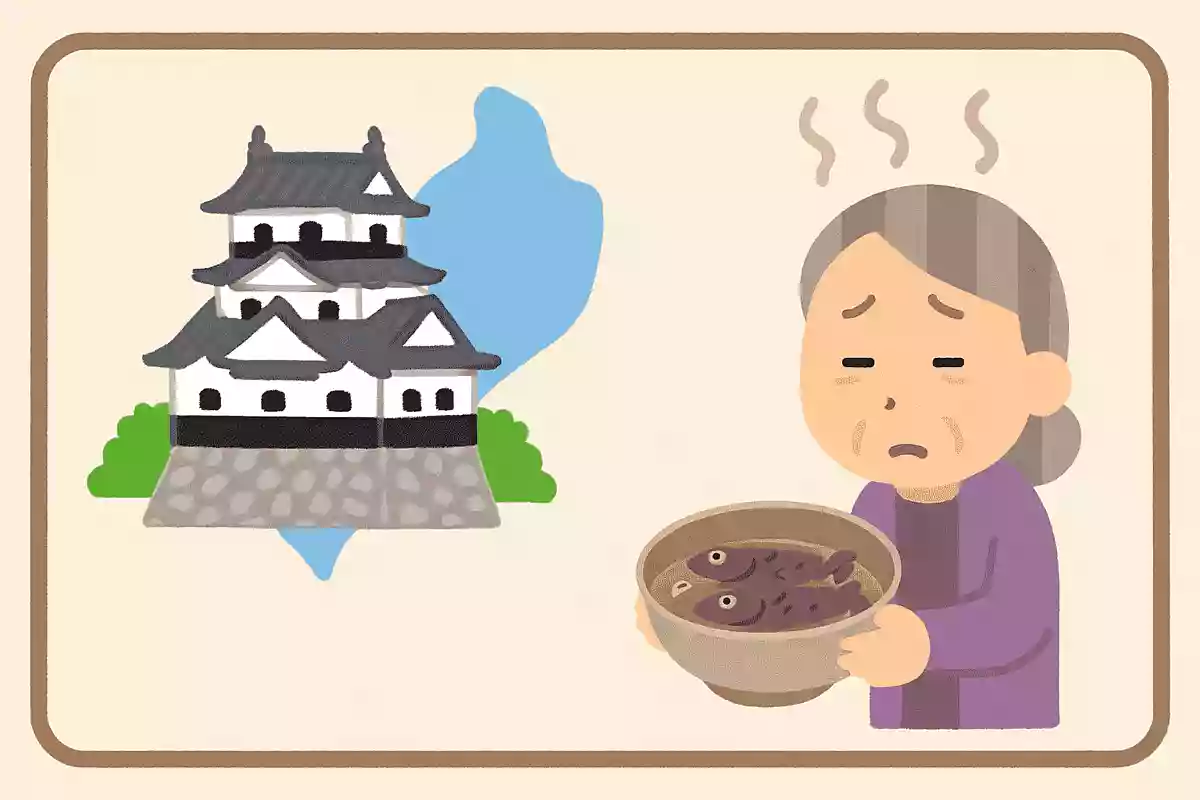
- Funazushi
- Omi beef sukiyaki
- red konjac
See the answer
Funazushi
Funazushi is a traditional local dish of Shiga Prefecture made by salting nigorobuna (a type of crucian carp caught in Lake Biwa) and fermenting it together with rice. It is characterized by a strong odor produced through fermentation and is known as a unique delicacy of Shiga. In addition, lactic acid bacteria increase during the fermentation process, giving it beneficial effects on digestion, and in Shiga there has long been a custom of eating funazushi as a stomach remedy when experiencing abdominal pain.
Which of the following is the theme park popular with children located in Koka City, Shiga Prefecture?
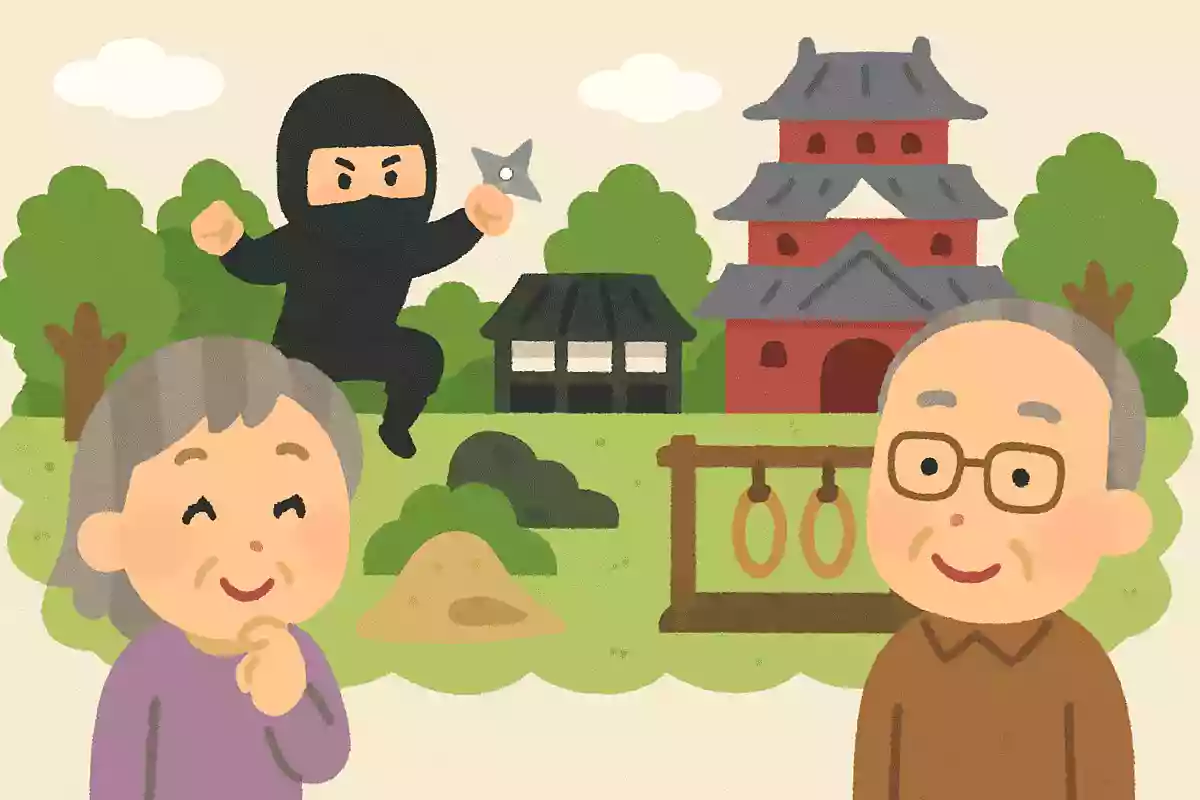
- Hikone Sky Adventure
- Koka Ninja Village
- Nagahama Kurokabe Square
See the answer
Koka Ninja Village
At Koka Ninja Village, where you can immerse yourself in the world of Koka-style ninja, you can enjoy a trick-filled ninja house, a ninja museum featuring tools and gadgets, and a shuriken throwing dojo. You can even rent a black ninja outfit, so you can fully get into character and take part in a variety of hands-on experiences.
[For Seniors] Shiga Prefecture Local Trivia Quiz: Learn About Famous Tourist Spots and Local Cuisine (11–20)
What are the famous local specialties of Koka City in Shiga Prefecture?
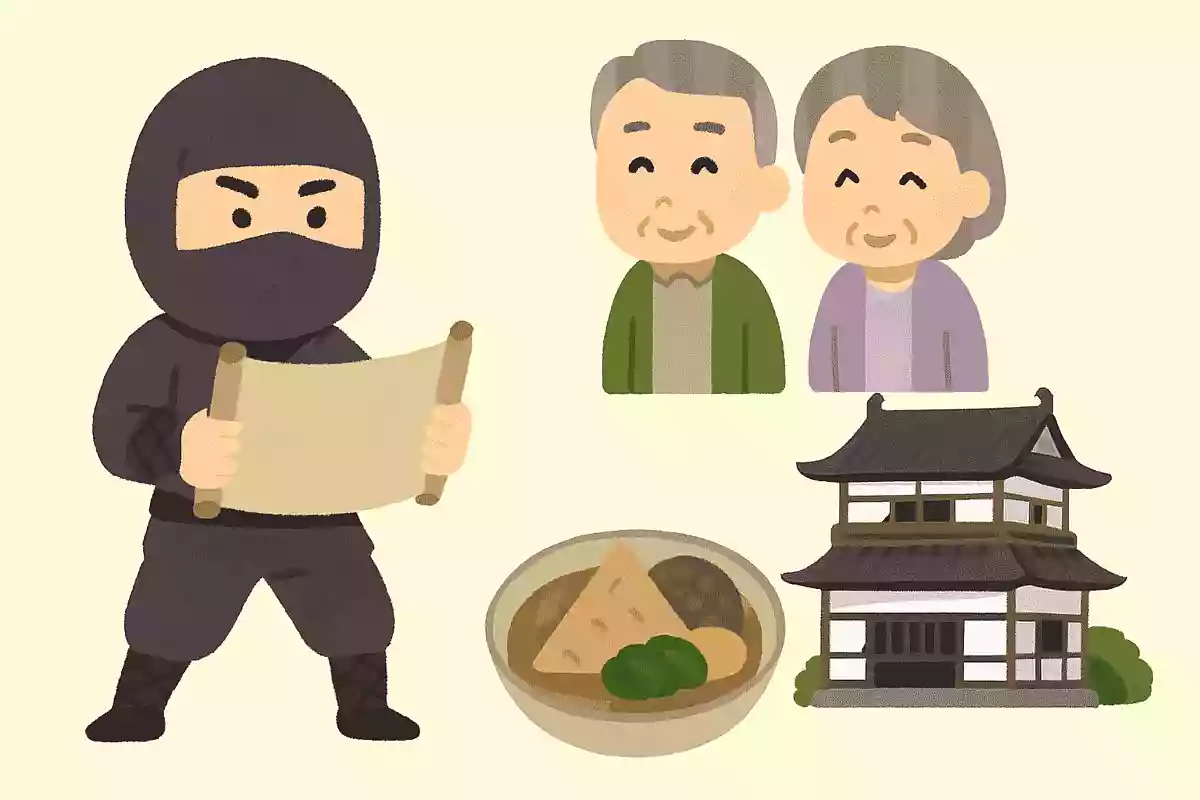
- Omi rice
- Shigaraki ware
- Hikone pear
See the answer
Shigaraki ware
In Shigaraki Town in Koka City, Shigaraki ware—famous for its tanuki (raccoon dog) figurines—is produced. Shigaraki ware is a type of pottery said to have begun in the Kamakura period and is one of Japan’s Six Ancient Kilns. Its hallmark features are a soft texture and a warm, earthy feel.
What are the four islands floating in Lake Biwa: Okishima, Takejima, Okinoshiraishi, and which is the last one?
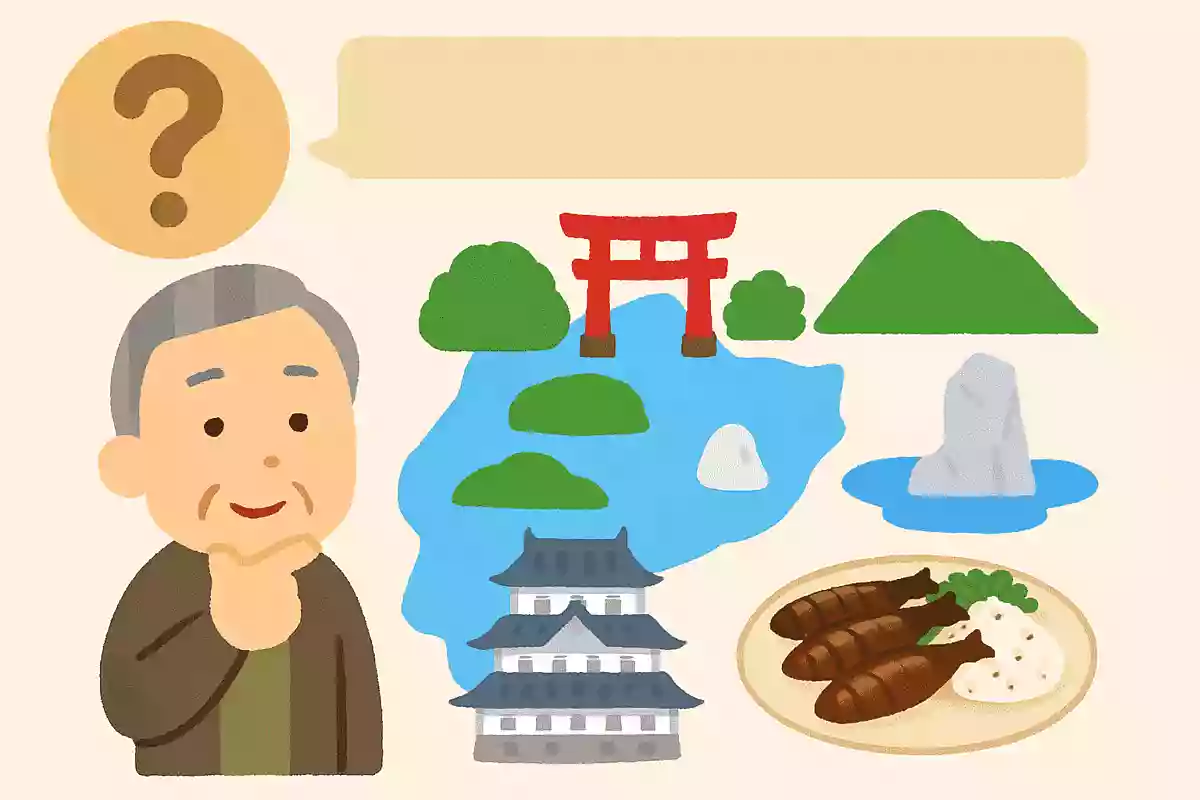
- Chikubu Island
- Sado Island
- Awaji Island
See the answer
Chikubu Island
The four islands floating in Lake Biwa are Okishima, Takeishima, Oki-no-shiraishi, and the last one, Chikubushima. Chikubushima belongs to Nagahama City and is also famous as a spiritual hotspot and tourist destination. It is also known as the island that houses Hogon-ji Temple, one of the Saigoku 33 Kannon Pilgrimage sites.
Why is ‘aka konnyaku,’ a specialty of Shiga Prefecture, red in color?
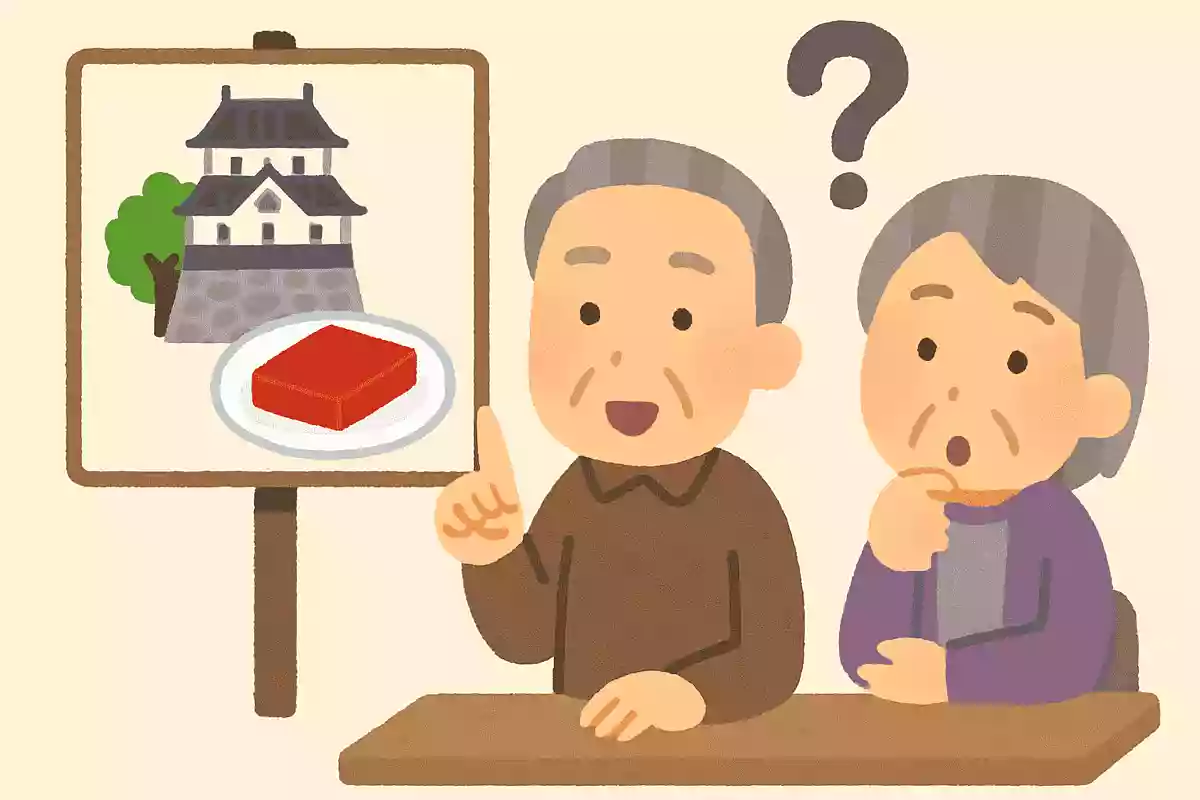
- Because I’m mixing in chili peppers
- Because it uses paprika pigment
- Because it is dyed with ferric oxide (iron(III) oxide).
See the answer
Because it is dyed with ferric oxide (iron(III) oxide).
Red konjac gets its distinctive color from the addition of ferric oxide (iron(III) oxide), a food additive. It is harmless to health and is cherished as a specialty of Omihachiman in Shiga Prefecture. In the Omihachiman and Eigenji areas, it is commonly nicknamed “Aka-kon.”
What is the traditional fishing method practiced on Lake Biwa?

- cast-net fishing
- Ayū (ayu) fishing with decoy fish (tomozuri)
- weir fishing
See the answer
weir fishing
Eri fishing is a traditional method that sets up structures of bamboo and nets in a lake to guide fish to enter naturally. It is practiced mainly in Lake Biwa and has a history spanning over a thousand years. Throughout the year, many fish are caught, including ayu (sweetfish) and crucian carp.