

[For Seniors] Enjoyable Brain Training! Valentine’s Trivia Quiz & Fun Facts


When it comes to Valentine’s Day, it’s widely known as a day for giving chocolate.
But if someone asked, “Why chocolate?” or “What are the grooves in a chocolate bar for?”, you might actually find yourself at a loss for words.
This time, we’ve prepared a trivia quiz all about Valentine’s Day.
It’s packed with little-known facts about chocolate—its history, health benefits, and more.
It’s perfect for recreational activities at senior facilities, and it’s sure to be a hit if you try it with family and friends.
Enjoy a fun time sharing new discoveries as you answer the quiz together.
- [For Seniors] January Trivia Quiz & Fun Facts. Brain training with quizzes about New Year and winter.
- How much do you know? Trivia quiz for seniors that’s full of surprisingly unknown facts
- [For Seniors] Take on the Setsubun Quiz! A comprehensive collection of diverse quizzes, including trivia, true-or-false, and spot-the-difference.
- [For Seniors] February Trivia: Useful Knowledge
- [For Seniors] Introducing March Trivia!
- [For Seniors] Trivia Quiz & Fun Facts on Blood Types: A quiz packed with what you want to know, like which illnesses you’re more prone to.
- [For Seniors] Introducing Trivia Quizzes and Fun Facts About December
- [For Seniors] Introducing trivia related to May!
- [For Seniors] Fun Brain Training! February-Themed Quiz
- [For Seniors] Fun Food Trivia Quizzes You'll Want to Share
- [For Seniors] Hina Matsuri (Girls’ Day) Trivia Quiz & Fun Facts. Recommended for Dementia Prevention Activities
- For Seniors: Useful Trivia Questions! Introducing Fun Facts Quizzes You'll Want to Share
- [For Seniors] Fun and Informative! Health Trivia Quiz
[For Seniors] Enjoyable Brain Training! Valentine's Day Trivia Quiz & Fun Facts (1–10)
What is the appropriate place to store chocolate?
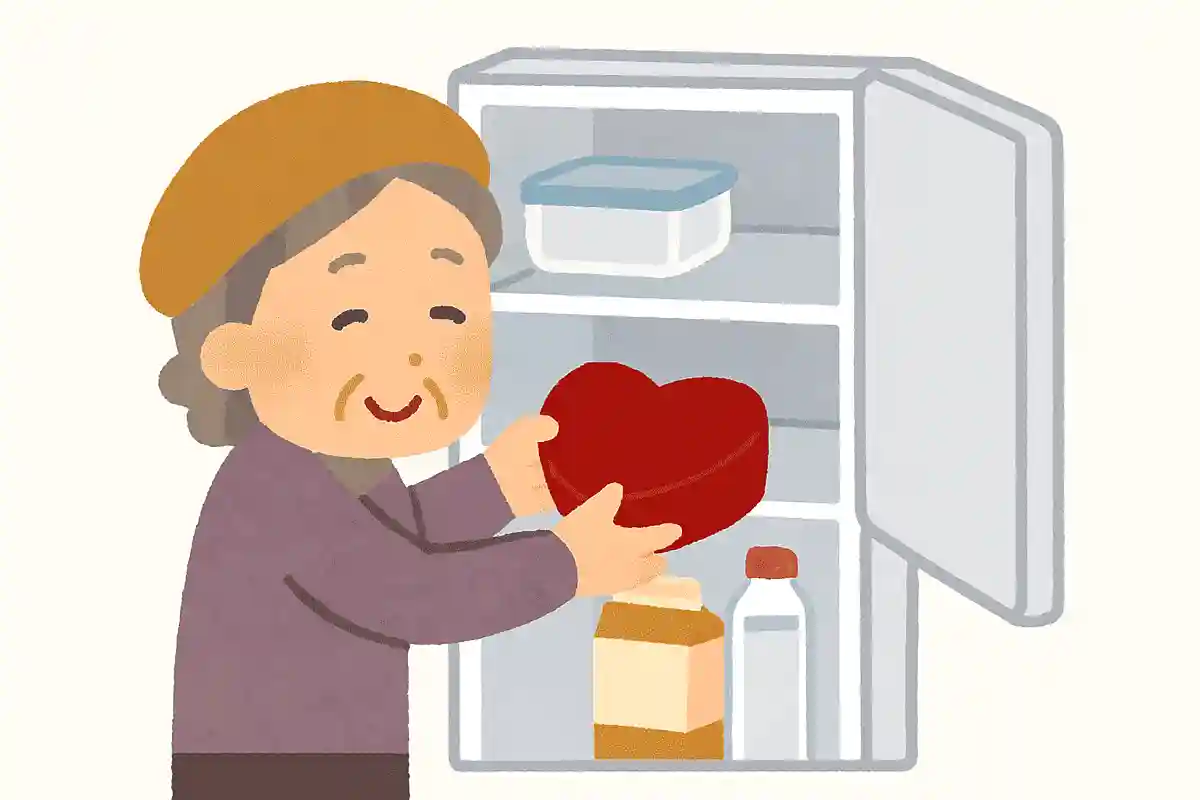
- Inside the refrigerator
- a cool place at room temperature
- a sunny windowsill
See the answer
a cool place at room temperature
Chocolate is a very delicate food and doesn’t handle sudden temperature changes or humidity well. If you put it in the refrigerator, condensation can form when you take it out due to the temperature difference, which may dull the flavor or cause a white film on the surface. In general, the ideal temperature for chocolate is said to be around 15°C to 22°C (59°F to 72°F). Therefore, in winter, the best way to keep it delicious is to store it in a cool place at room temperature, out of direct sunlight and away from excessive heating. Only in summer, when the room temperature is high, is it advisable to use the refrigerator’s vegetable compartment or a similar area.

At about what temperature does chocolate start to melt?
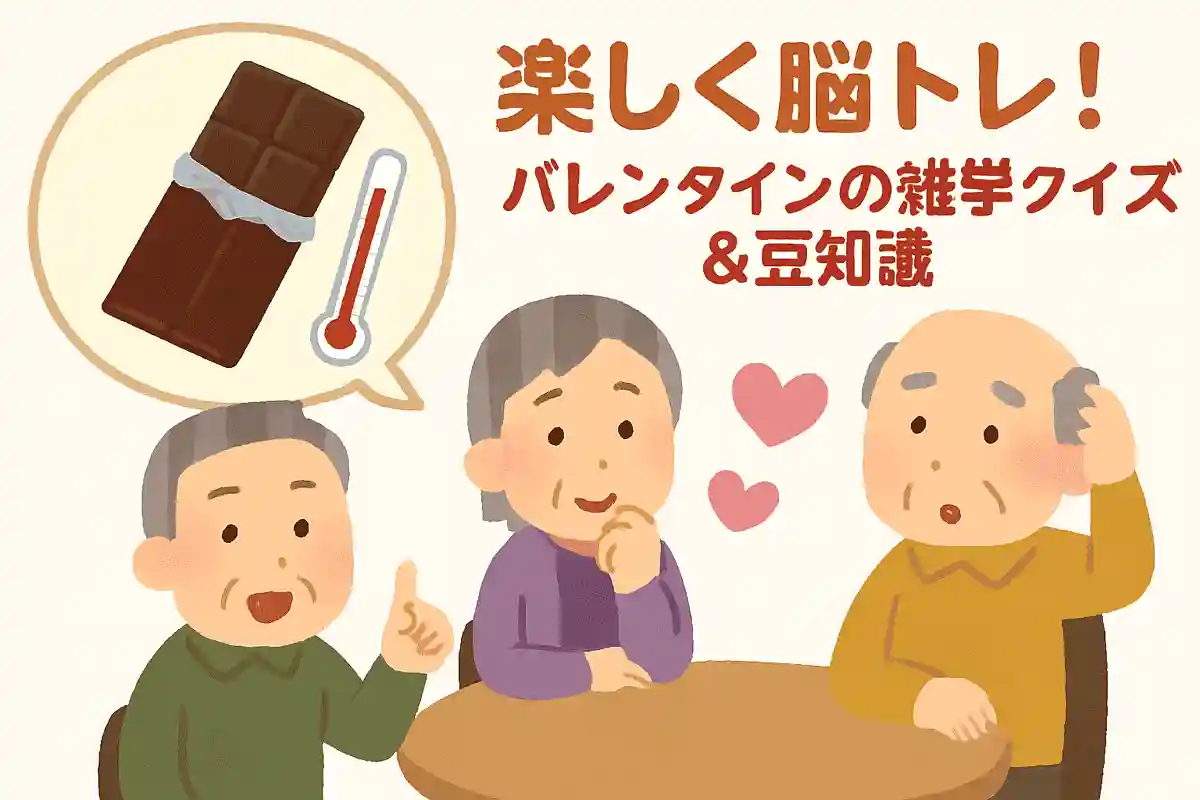
- 18 degrees
- 28 degrees
- 38 degrees
See the answer
28 degrees
The correct answer is 28 degrees. The fat called cocoa butter contained in chocolate begins to melt at around 28 degrees. Then, at mouth temperature, it melts completely into a smooth liquid. This finely tuned melting point—melting instantly only when it’s in your mouth—is the secret to chocolate’s deliciousness.
What do you call a confectioner who specializes in chocolate?
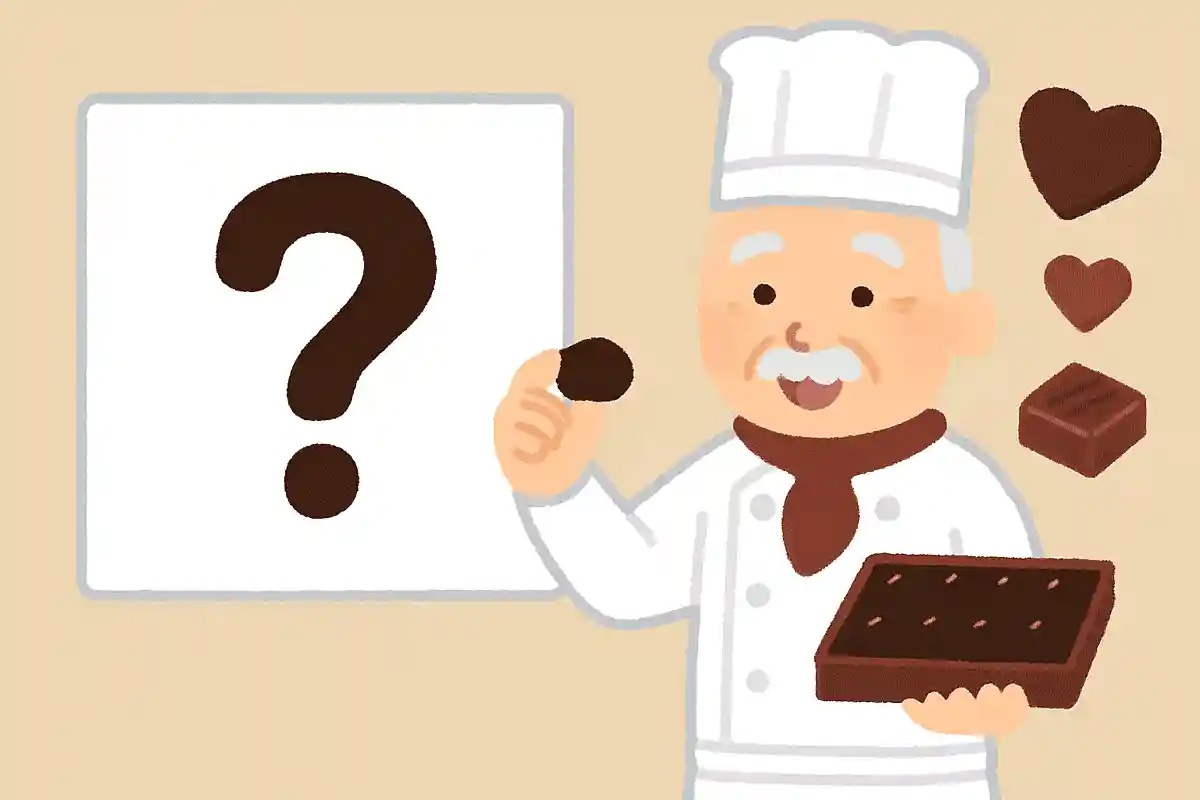
- Chocolatier
- pastry chef
- sommelier
See the answer
Chocolatier
The correct answer is chocolatier. Chocolatier is a French term referring to an artisan who specializes in working with cacao beans and chocolate to make confections. While they fall under the broader category of pâtissiers (pastry chefs), chocolatiers are specialists particularly skilled in temperature control and chocolate processing techniques. In recent years, specialty shops have increased in Japan, and around Valentine’s Day, jewel-like chocolates crafted by chocolatiers from around the world become a hot topic.
[For Seniors] Fun Brain Training! Valentine’s Trivia Quiz & Fun Facts (11–20)
What exactly is the white, powdery-looking substance that forms on chocolate after it has melted once?
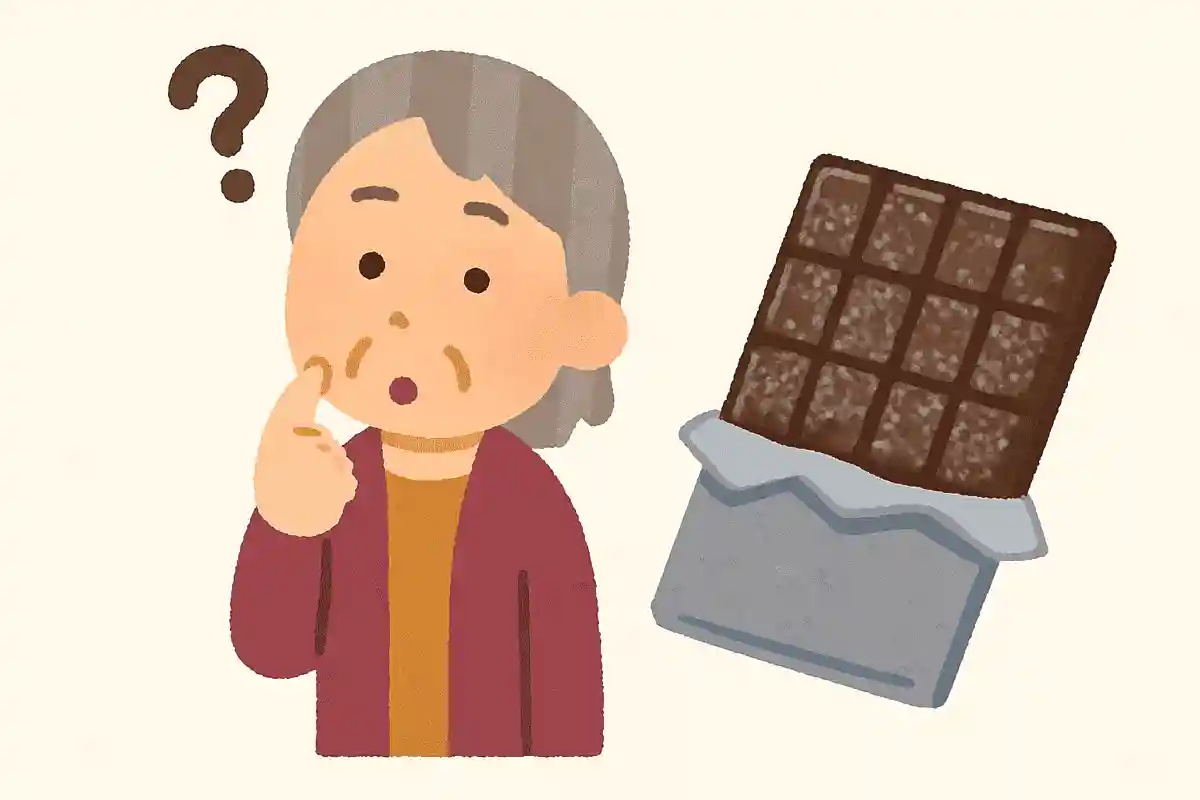
- sugar
- mold
- Oil components
See the answer
Oil components
What you’re seeing is the fat—such as cocoa butter—separating from the chocolate and rising to the surface, where it solidifies white. This is called the “bloom phenomenon” or “blooming,” and it isn’t mold. It’s not harmful to eat, but the flavor and melt-in-the-mouth texture won’t be as good as originally intended. To keep chocolate delicious to the end, store it in a cool place with minimal temperature fluctuation.
Which of the following chocolates is considered to be good for your health?
- Milk chocolate
- white chocolate
- high-cacao chocolate
See the answer
high-cacao chocolate
High-cacao chocolate generally refers to products with a cacao content of 70% or higher and is rich in cacao polyphenols. These polyphenols are expected to help lower blood pressure, prevent arteriosclerosis, and even support cognitive function, making them popular among health-conscious individuals. However, despite its health benefits, it is also high in fat, so it’s best to avoid overeating and enjoy a small amount each day.
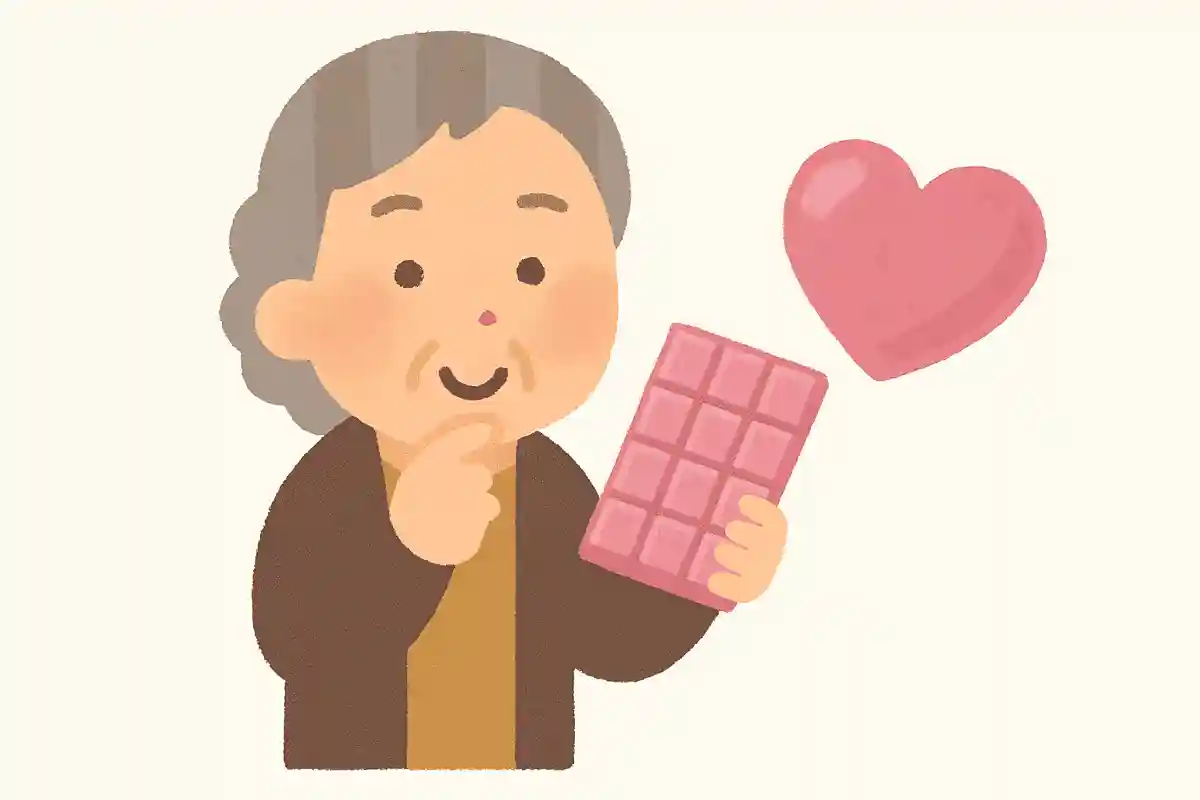
What do you call chocolate that is pink without added colorings, made from special cocoa beans?
- Strawberry Chocolate
- Ruby chocolate
- Sapphire Chocolate
See the answer
Ruby chocolate
The correct answer is “ruby chocolate.” It was discovered as the “fourth type of chocolate,” following dark, milk, and white. Without using any colorings, it achieves a beautiful pink hue and a sweet-and-tangy, berry-like flavor solely from the natural pigments of a special bean called ruby cacao. Its glamorous, uncommon appearance has made it a hot topic for recent Valentine’s Day celebrations.
What health benefits can be gained from eating chocolate?
- Lower blood pressure
- Physical fitness enhancement
- Strengthen bones
See the answer
Lower blood pressure
Cacao, the raw material of chocolate, is rich in polyphenols and has excellent antioxidant properties. It is effective for preventing lifestyle-related diseases such as arteriosclerosis and high blood pressure.
