

[For Seniors] Lively Wordplay Game: Fun Recreation for Elderly Care


Among word games, the one that continues to be loved by people of all ages is shiritori.
In shiritori, you take the last letter of a word and use it to link to a new word, right? How about enjoying this long-popular game with a variety of fun twists? Lively word games like these also serve as brain training and are appealing because everyone can dive in together and have a great time.
This time, we’re introducing shiritori word games that older adults can truly enjoy.
They range from easy to a bit more challenging, so give them a try!
- [For Seniors] Fun and Lively! Recommended Quiz Questions
- [Brain Training] Lively Word Quiz for Seniors
- [For Seniors] Fun Brain Training! Lively Whiteboard Activities
- For seniors: Fun shiritori—enjoyable and easy to play
- [For Seniors] Guaranteed to Liven Things Up! A Collection of Brain Training Activities That Will Spark Laughter
- [For Seniors] A Brain-Training, Crowd-Pleasing Word Search Game
- For seniors: Fun, crowd-pleasing word association game ideas
- Hand games that liven things up for seniors—also great brain training
- [For Seniors] Today’s Recommended Activity: Fun and Engaging
- [For Seniors] Refresh Your Mood! Lively, Get-Moving Games
- [For Seniors] Challenging but Exciting! Kanji Quiz
- [For Seniors] Recreational Activities Enjoyable in Large Groups
- [For Older Adults] Games to Enhance Oral Function: Enjoyable and Easy to Do
Tongue Twister Pronunciation Practice (11–20)
Raw wheat, raw rice, raw eggs
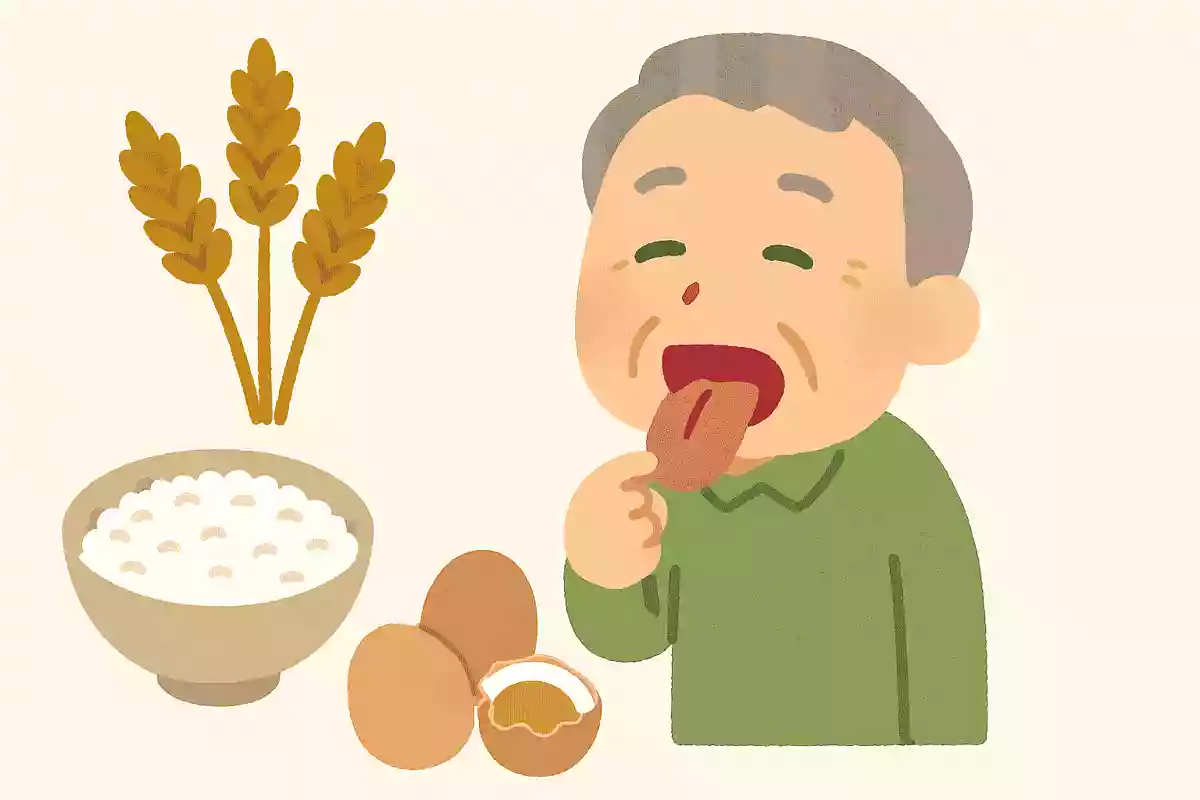
It’s a classic tongue twister—practically the gold standard that everyone’s tried.
In this phrase, pay particular attention to the mouth shape and tongue movement for the “nima” parts.
Start by pronouncing each character slowly and one by one; once you grasp how your tongue moves, your speech should become smoother.
For “na,” tongue movement is key; for “ma,” the opening and closing of the lips are important.
If you pronounce them clearly, it can even help stimulate saliva production.
Focusing on speed helps with smooth delivery, while focusing on mouth movements strengthens the surrounding muscles, so it’s highly recommended.

Tongue Twister Pronunciation Practice (21–30)
Papa Panda, Mama Panda, Grandpa Panda, Grandma Panda

Tongue twisters with animal themes are a classic.
Through the words, you can picture a cute scene with animals lined up.
Sounds like “pa” and “ma” are hard to pronounce unless you close your lips first, so when they come in succession, the key is that your mouth really has to move.
Because you need to take the time to close your lips, being mindful of your mouth movements is important if you want to speak clearly while increasing speed.
Aim for clear pronunciation first, then gradually pick up the pace to train the muscles around your mouth.
Parent turtle, child turtle, grandchild turtle
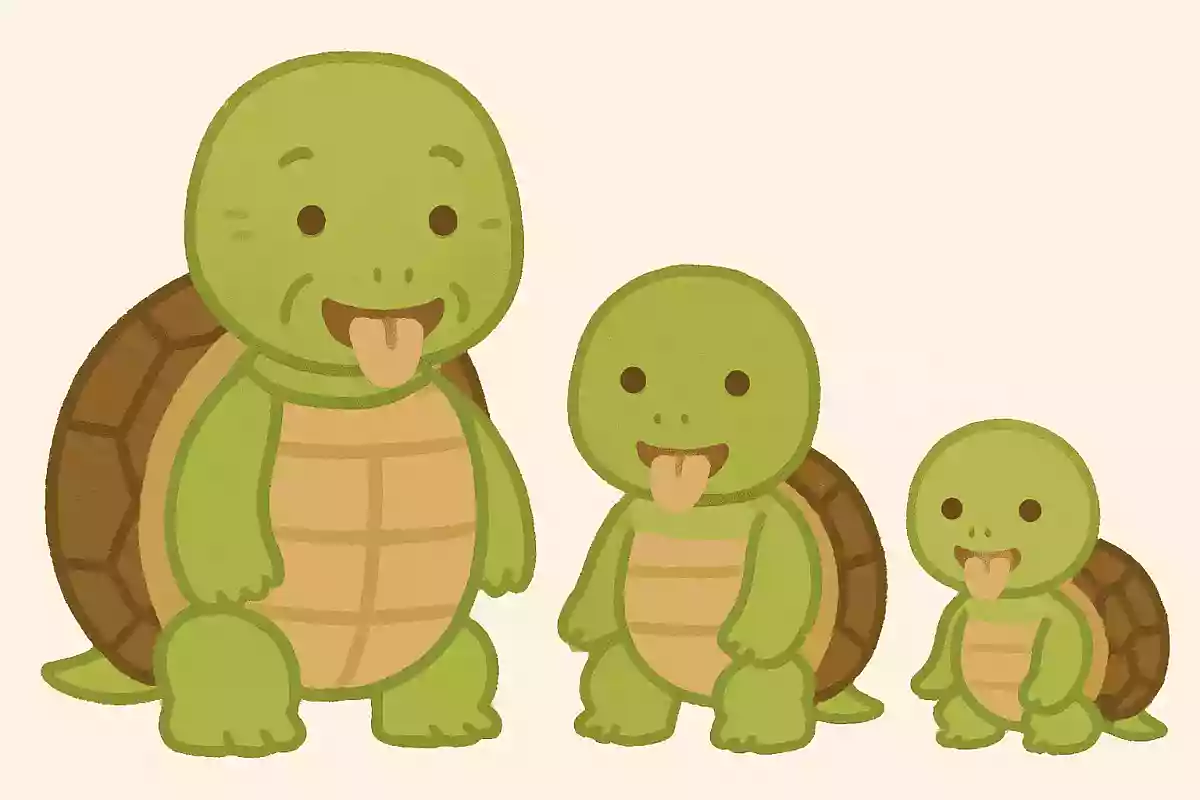
One of the classic tongue twisters that add “parent,” “child,” and “grandchild” to animals helps you consciously focus on differences in mouth shapes.
The phrase is relatively easy to pronounce, so be mindful of your mouth shape and movements as you gradually increase speed.
There’s also a version that adds “parent duck, duckling, grand-duck,” which draws attention to the difference in mouth shape between the sounds ‘me’ and ‘mo.’ Precisely because the phrase is simple, not only mouth movements but also the rhythm of pronunciation is important.
Brain Training Kanji Quiz (1–10)
Kanji Guessing Game

Let’s play a kanji guessing game that’s fun even with a big group! You write a kanji on a whiteboard one stroke at a time—but doing it in the normal order would be boring! So mix up the stroke order and write it randomly instead.
That makes the game harder and more exciting.
Even simple, familiar kanji become tricky to recognize when you change the stroke order.
Take it slow, add one stroke at a time, and have fun!

Obscure Kanji Quiz: Food

Let’s think based on the hints! Here are some ideas for a quiz on difficult food-related kanji.
With a focused theme, it’s easier to answer the questions.
This time, the theme is food: a quiz on hard-to-read kanji.
Even if you don’t get it right away, it’ll feel satisfying to reach the answer by relying on the hints.
For example, a word like “御田” is shown and you’re asked, “How do you read this kanji?” There are 20 questions in total.
The time limit is 10 seconds, but there are hints, so feel free to take on the challenge.
Compound-word quiz: idioms that repeat the same kanji twice

If you can read them, awesome! Here’s an idea for a quiz featuring compound words that repeat the same kanji twice.
The origins of kanji and the ways they combine each carry meaning and are fascinating, right? This time, there might even be questions that make you think, “There’s a combination like that?!” For example, you might see the word 「細々」 and be asked, “How do you read this kanji?” There are 25 such questions.
The difficulty increases in the latter half, so it could be a good idea to discuss and work together to figure out the answers.
Common Knowledge Kanji Quiz

Is being able to read it a given!? Here are some ideas for a common-knowledge kanji quiz.
Even with so-called common kanji, everyone makes mistakes… Try training your brain while taking on the quiz.
For example, you might see the word “出汁” and get a question like, “How do you read this kanji?” There are 20 such questions.
Try to focus and take on the quiz so you can answer within the 10-second time limit.
Getting the answers right might even boost your self-esteem!