

[For Seniors] Lively Wordplay Game: Fun Recreation for Elderly Care


Among word games, the one that continues to be loved by people of all ages is shiritori.
In shiritori, you take the last letter of a word and use it to link to a new word, right? How about enjoying this long-popular game with a variety of fun twists? Lively word games like these also serve as brain training and are appealing because everyone can dive in together and have a great time.
This time, we’re introducing shiritori word games that older adults can truly enjoy.
They range from easy to a bit more challenging, so give them a try!
- [For Seniors] Fun and Lively! Recommended Quiz Questions
- [Brain Training] Lively Word Quiz for Seniors
- [For Seniors] Fun Brain Training! Lively Whiteboard Activities
- For seniors: Fun shiritori—enjoyable and easy to play
- [For Seniors] Guaranteed to Liven Things Up! A Collection of Brain Training Activities That Will Spark Laughter
- [For Seniors] A Brain-Training, Crowd-Pleasing Word Search Game
- For seniors: Fun, crowd-pleasing word association game ideas
- Hand games that liven things up for seniors—also great brain training
- [For Seniors] Today’s Recommended Activity: Fun and Engaging
- [For Seniors] Refresh Your Mood! Lively, Get-Moving Games
- [For Seniors] Challenging but Exciting! Kanji Quiz
- [For Seniors] Recreational Activities Enjoyable in Large Groups
- [For Older Adults] Games to Enhance Oral Function: Enjoyable and Easy to Do
Tongue Twister Vocal Exercise (1–10)
A monk skillfully painted a picture of a monk on a folding screen.

This is one of the classic tongue twisters in Japan, and the phrase evokes scenes like those in rakugo or old folktales.
Because words with similar sounds—like bouzu, byoubu, and jouzu—appear in succession, be mindful of the subtle differences in pronunciation and your mouth movements.
If you find it hard to connect smoothly from one word to the next, it helps to understand the meaning of the tongue twister or to visualize the scene.
Also, if the sounds get blurred into something like “boozu” or “byoobu,” your mouth won’t get a proper workout, so make sure to clearly articulate the “u” sounds as well.

New Singer New Year Chanson Show
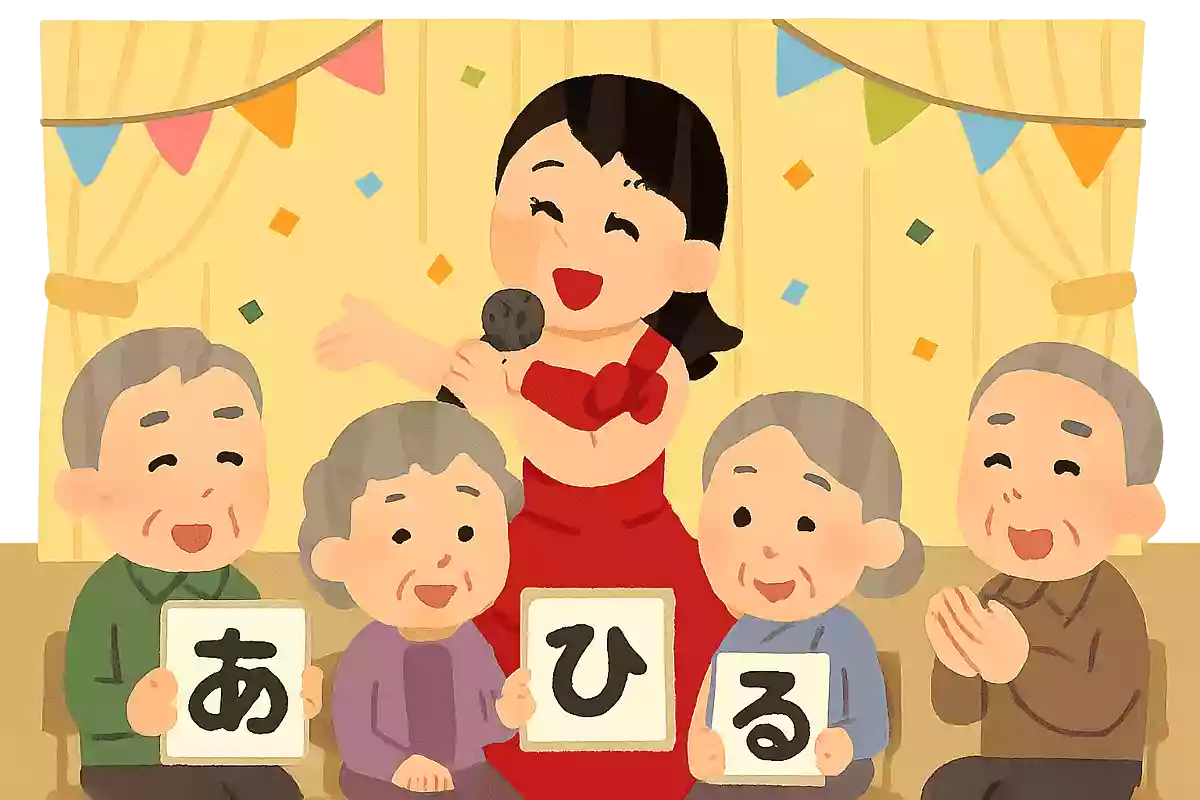
Chanson is a French word that means “song.” In Japan, the chanson “Meke Meke,” which Akihiro Miwa covered and sang in Japanese, is also well-known.
Some older people may have heard it at least once.
The tongue twister “shinjin kashu shinshun chanson show” (Newcomer Singer New Year Chanson Show) can be taken to mean a chanson show held at New Year featuring new singers.
The tongue twister evokes an image of listening to a beautiful singing voice in a refreshing atmosphere.
However, it’s hard to say when you actually try it, especially since the “so” in “chanson” tends to turn into “sho.”

Tokyo Patent Approval Bureau
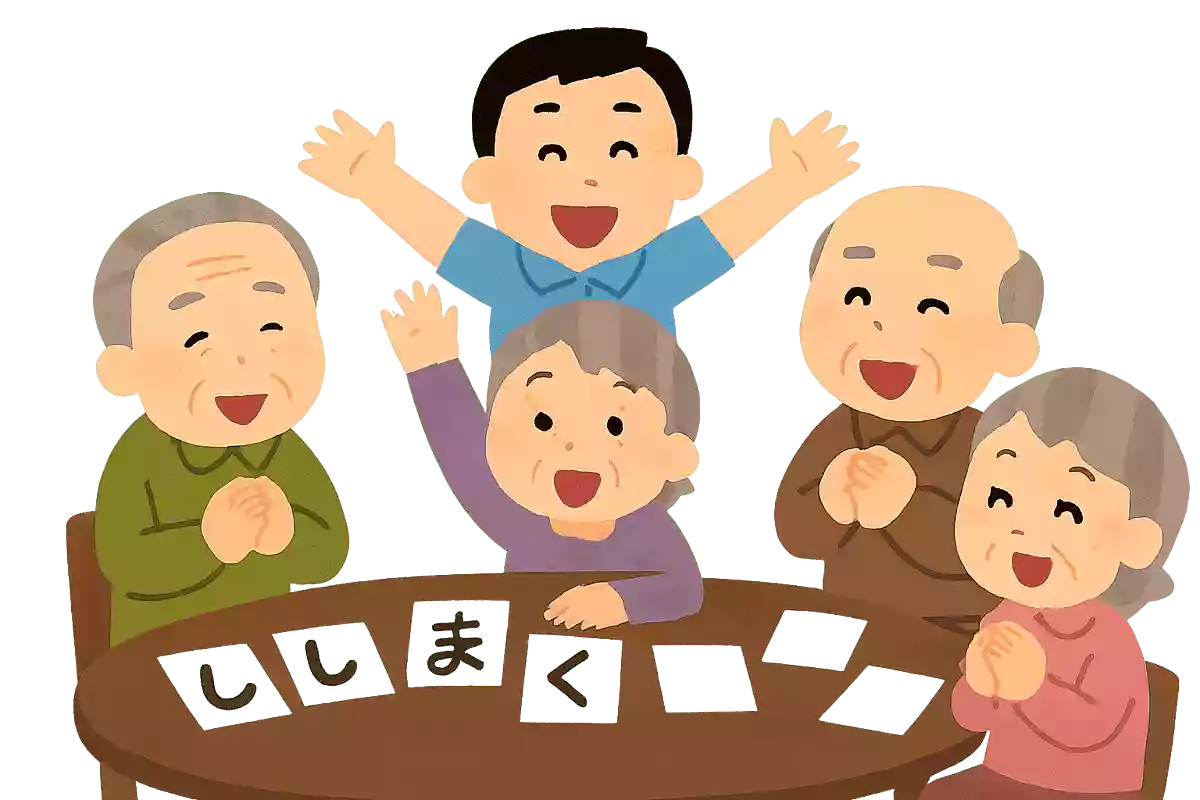
“Tokyo Patent Approval Bureau” is a classic tongue twister.
Some older adults may have heard it or even tried the tongue twister at least once.
However, the Tokyo Patent Approval Bureau doesn’t actually exist.
It never existed in the past either; what does exist is the Japan Patent Office in Chiyoda City, Tokyo.
So where did the TV announcer tongue twister “Tokyo Patent Approval Bureau” come from? As it turns out, it’s said to have been created for use in recruitment exams.
Red pajamas, blue pajamas, yellow pajamas.
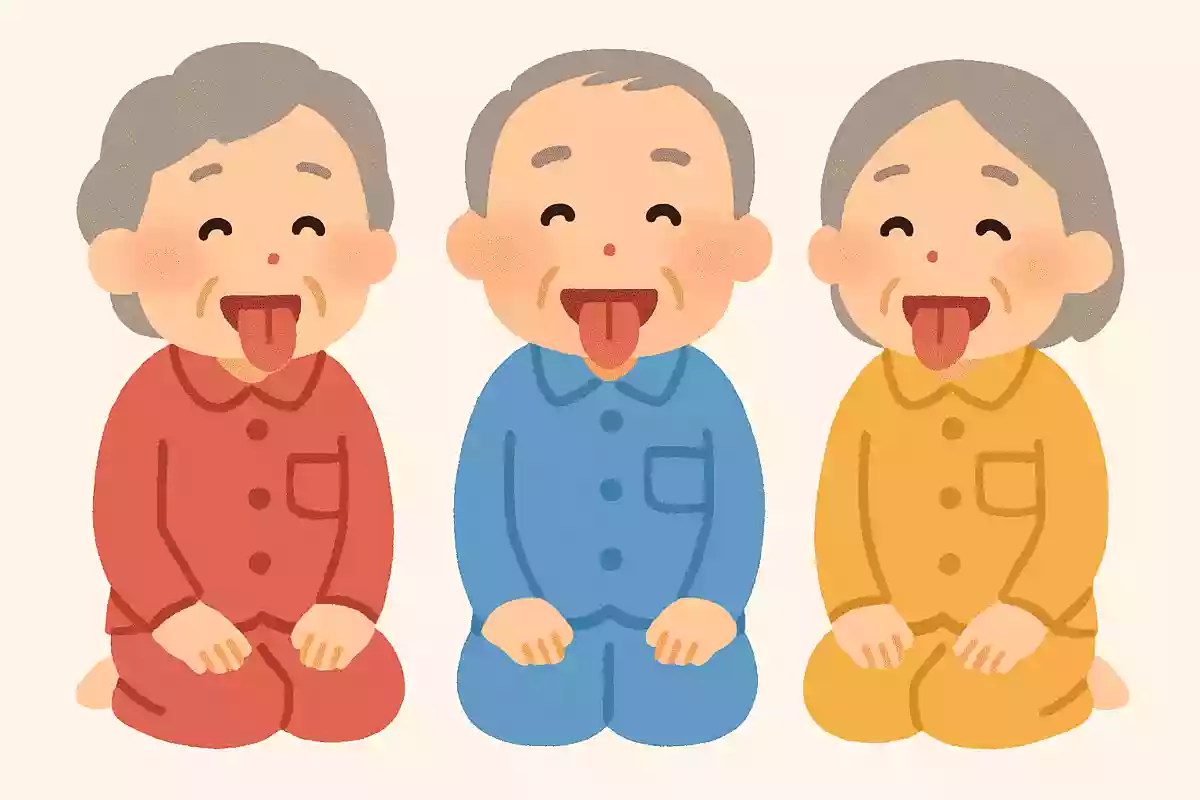
Arranging red, blue, and yellow at the start of words is also a classic pattern in tongue twisters.
“Aka” (red) and “ao” (blue) are sounds that require opening the mouth wide, so if you attach them to phrases with fine movements, the difficulty of the tongue twister increases.
Sounds like “pa” and “ma” are hard to pronounce without first closing the lips, so be mindful of that.
By carefully pronouncing each sound one by one at first, you’ll understand how to move your lips.
If you move your mouth deliberately and gradually increase your speed, your mouth movements will become smoother and you’ll likely strengthen those muscles as well.
The customer next door is a customer who often eats persimmons.
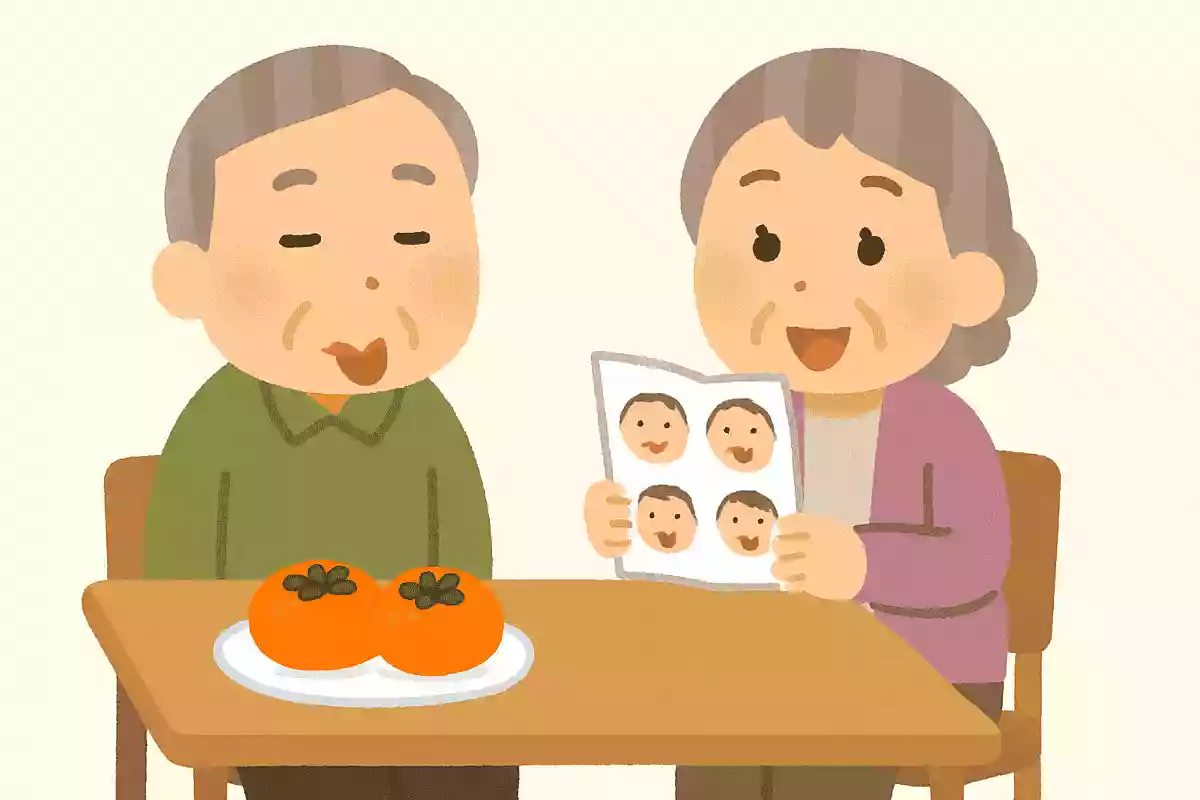
It’s one of the classic tongue twisters in Japan, and it evokes a rakugo-like world.
The key here is probably the pronunciation of “kyaku” and “kaki.” If you try pronouncing it syllable by syllable, you’ll realize that not only the movements of the lips and tongue matter, but the opening and closing of the teeth as well.
Another point to focus on is how you use your breath while moving your lips and teeth during pronunciation.
Overall, it’s a phrase that really engages the muscles around the mouth, making it a perfect tongue twister for training.
Tongue Twister Pronunciation Practice (11–20)
Snowplow in operation

A tongue twister based on a scene often seen in snowy regions: “Snowplow snow removal in progress.” The tricky part of this tongue twister is that the word for “snow removal” appears twice, which makes it easy to lose track of where you are as you repeat it.
It also features several pronunciation challenges: the “jo” sound occurs twice, and the “sha” and “gyo” sounds each occur once.
Try practicing with those four points in mind.
If you master this tongue twister, you might just get better at pronouncing the small kana sounds (ゃ, ゅ, ょ).

The plum that Mr. Umeda from Ome planted turned into delicious umeboshi.
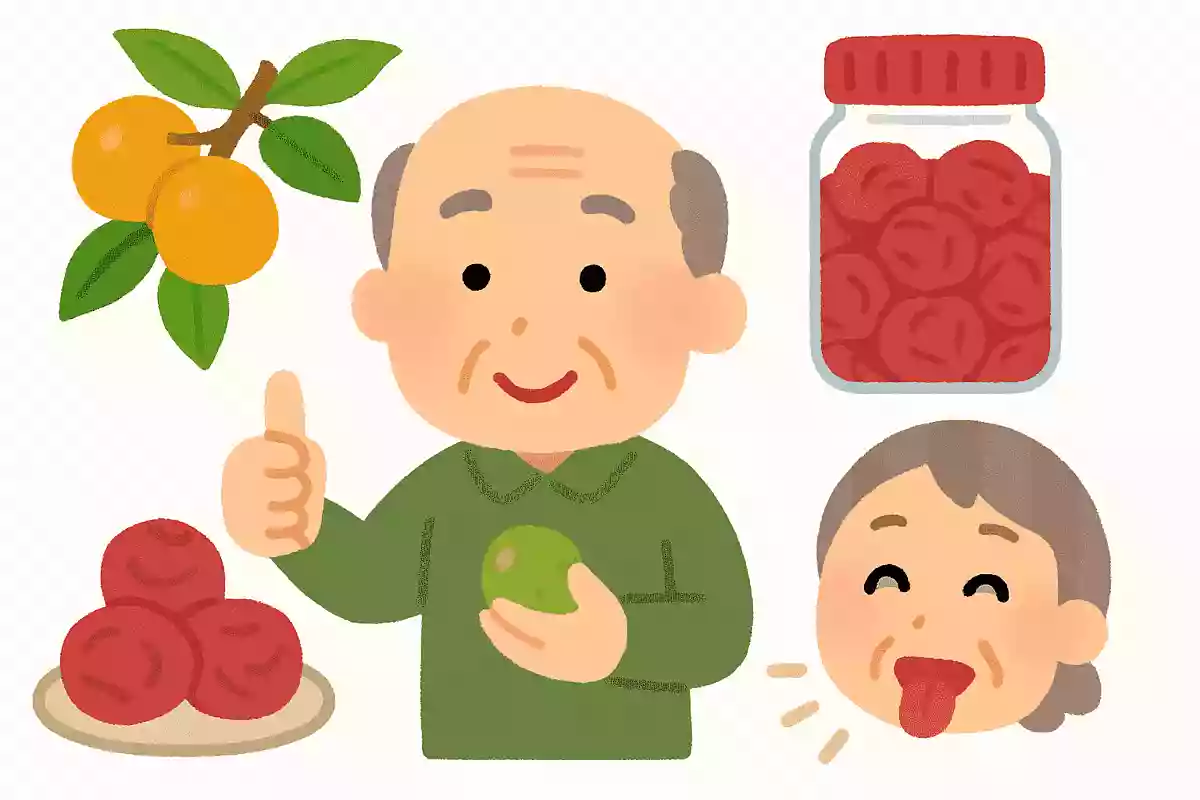
This is a tongue twister that tells a plum-themed story, notable for its repeated use of the word “ume.” Push your lips forward when pronouncing the “u” sound, and be mindful of the contrast with the following sounds to move your mouth fully.
Another key point is that “ue” is mixed in with “ume,” which makes the overall phrase trickier to say due to its accent pattern.
If you pay attention to your lip movements and clearly visualize the story, it should become easier to pronounce.