

[For Seniors] Lively Wordplay Game: Fun Recreation for Elderly Care


Among word games, the one that continues to be loved by people of all ages is shiritori.
In shiritori, you take the last letter of a word and use it to link to a new word, right? How about enjoying this long-popular game with a variety of fun twists? Lively word games like these also serve as brain training and are appealing because everyone can dive in together and have a great time.
This time, we’re introducing shiritori word games that older adults can truly enjoy.
They range from easy to a bit more challenging, so give them a try!
- [For Seniors] Fun and Lively! Recommended Quiz Questions
- [Brain Training] Lively Word Quiz for Seniors
- [For Seniors] Fun Brain Training! Lively Whiteboard Activities
- For seniors: Fun shiritori—enjoyable and easy to play
- [For Seniors] Guaranteed to Liven Things Up! A Collection of Brain Training Activities That Will Spark Laughter
- [For Seniors] A Brain-Training, Crowd-Pleasing Word Search Game
- For seniors: Fun, crowd-pleasing word association game ideas
- Hand games that liven things up for seniors—also great brain training
- [For Seniors] Today’s Recommended Activity: Fun and Engaging
- [For Seniors] Refresh Your Mood! Lively, Get-Moving Games
- [For Seniors] Challenging but Exciting! Kanji Quiz
- [For Seniors] Recreational Activities Enjoyable in Large Groups
- [For Older Adults] Games to Enhance Oral Function: Enjoyable and Easy to Do
Tongue Twister Pronunciation Practice (11–20)
This kid had a hard time writing katakana, didn’t they? I wonder if they didn’t cry?
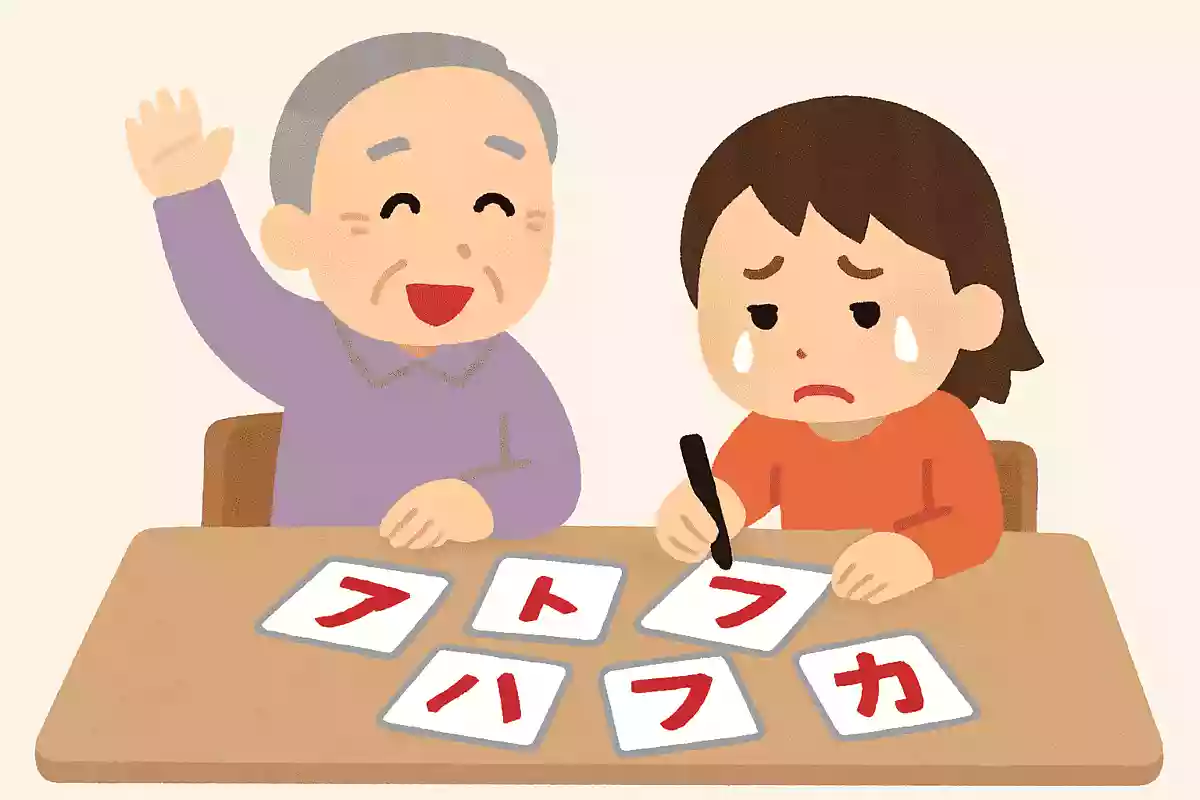
“Kono ko nakanaka katakana kakenakatta na, nakakanakatta kana?” is quite a long tongue twister.
Are they worried that the child who couldn’t write katakana didn’t end up crying? Words with similar sounds like nakanaka and katakana run together almost like a reverse reading.
Plus, the repeated ka sounds create a string of identical syllables, which adds to the difficulty of reading.
Tongue twisters can make you rush, but the key is to stay calm and read through without hurrying.

This sushi has a bit too much vinegar.
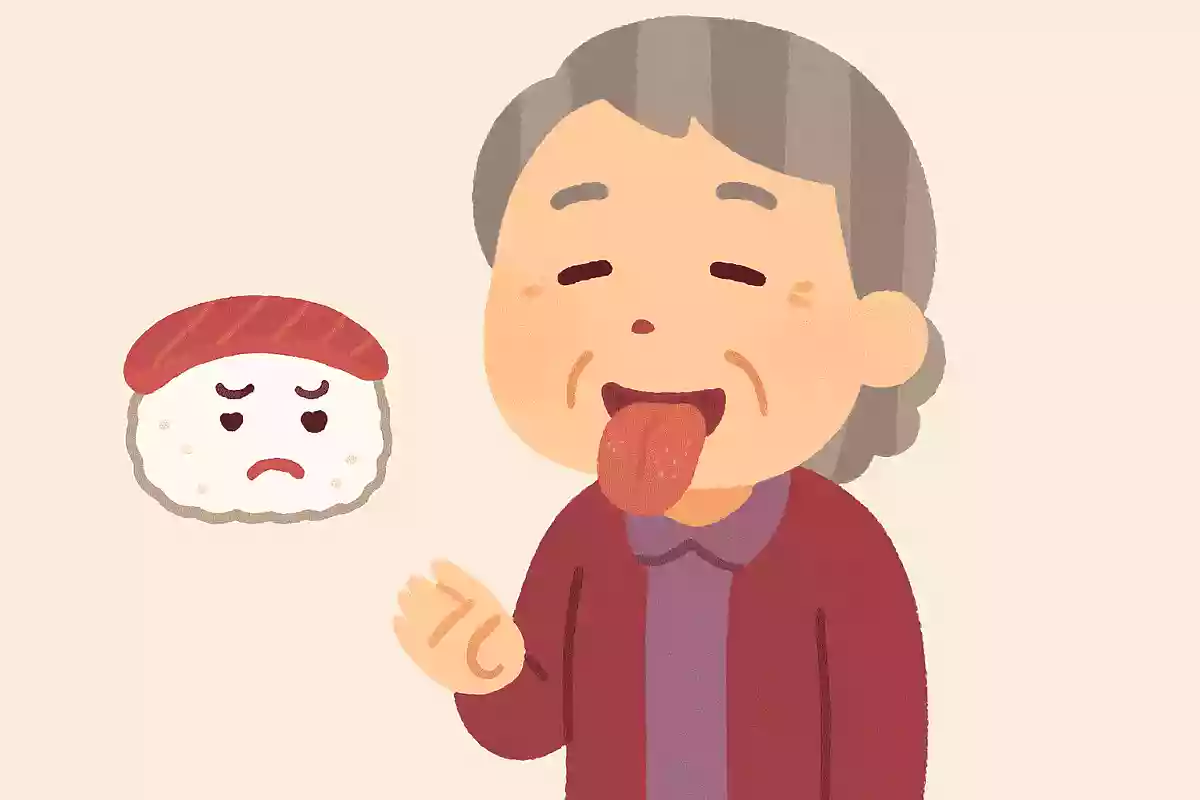
It’s a tongue twister that sounds like a simple comment about sushi, as if taken from everyday conversation.
The way you move your mouth for “su” and “shi” is important, and how you use your breath is also key for smooth pronunciation.
If you focus on rounding your lips for “su” and spreading your lips sideways while keeping your teeth closed for “shi,” you can engage your mouth muscles properly.
Using breath will also make the “s” sounds clearer, so that’s another point to watch.
It’s helpful to start by paying attention to your mouth shape and then gradually increase your speed.

I leaned bamboo against this bamboo fence because I wanted to lean bamboo against it.
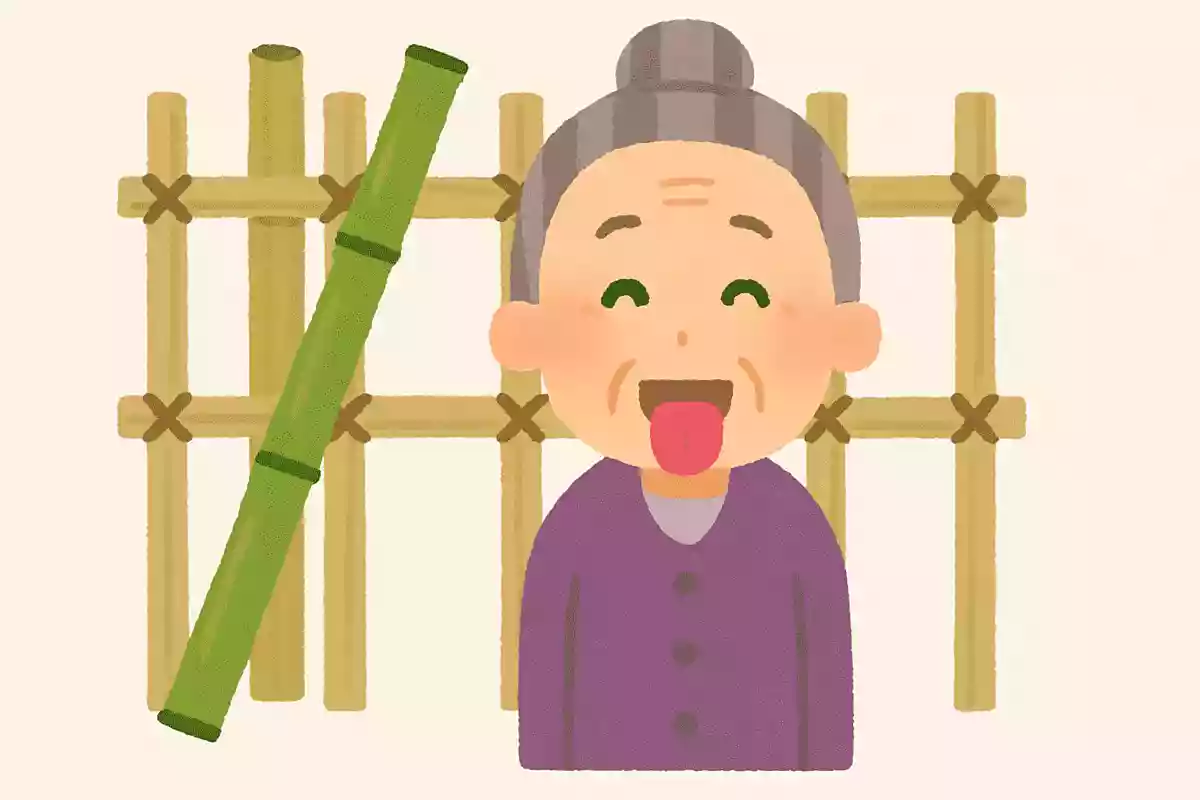
Among the many types of tongue twisters, one that is known to be especially difficult is: “Kono takegaki ni take tatekaketa no wa, take tatekaketakatta kara take tatekaketa.” Put simply, it evokes the image of bamboo being propped against a bamboo fence.
Once you understand what kind of situation it’s describing, you’ll be less likely to get confused.
That said, it’s quite a long tongue twister, so memorizing it is no easy task.
Start by reading it repeatedly to commit it to memory.

Make vine, hang dayflower
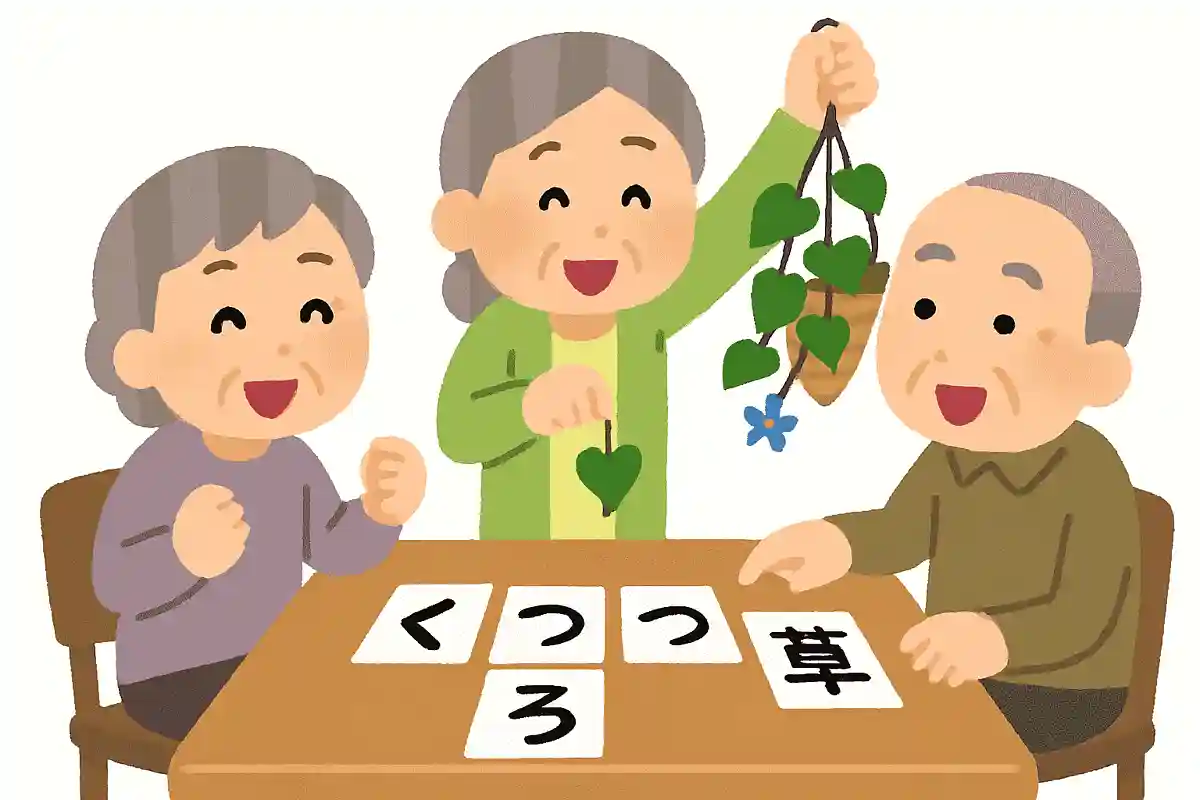
One tongue twister used as a brain-training recreation.
You train your brain by reading awkward sentences that rarely appear in everyday life.
“Tsukuru tsurukusa tsurusu tsuyukusa” is also one of the tongue twisters for older adults.
Various images come to mind from the tongue twister.
You might imagine weaving baskets with climbing vines, and hanging spiderwort as decoration.
In hiragana, it’s “tsukuru,” “tsurukusa,” “tsurusu,” and “tsuyukusa.” They all start with “tsu.” In fact, it’s said that many people—not just older adults—find the ta-row sounds that include “tsu” difficult to pronounce.
There are two chickens in the garden.

A classic tongue twister that depicts chickens in a garden, notable for the repeated ‘niwa’ sounds.
Since ‘ni’ is pronounced with the lips stretched sideways and ‘wa’ with the mouth opened wider, focusing on articulation gives the muscles around your mouth a solid workout.
The faster you go, the harder it is to distinguish the next word, making it easy to miscount how many times ‘niwa’ appears—another key feature of this phrase.
To pronounce it smoothly, it’s important to clearly visualize the scene the words describe and to pay attention not only to pronunciation but also to accent.
A javelin throw done in a careless, throwaway manner
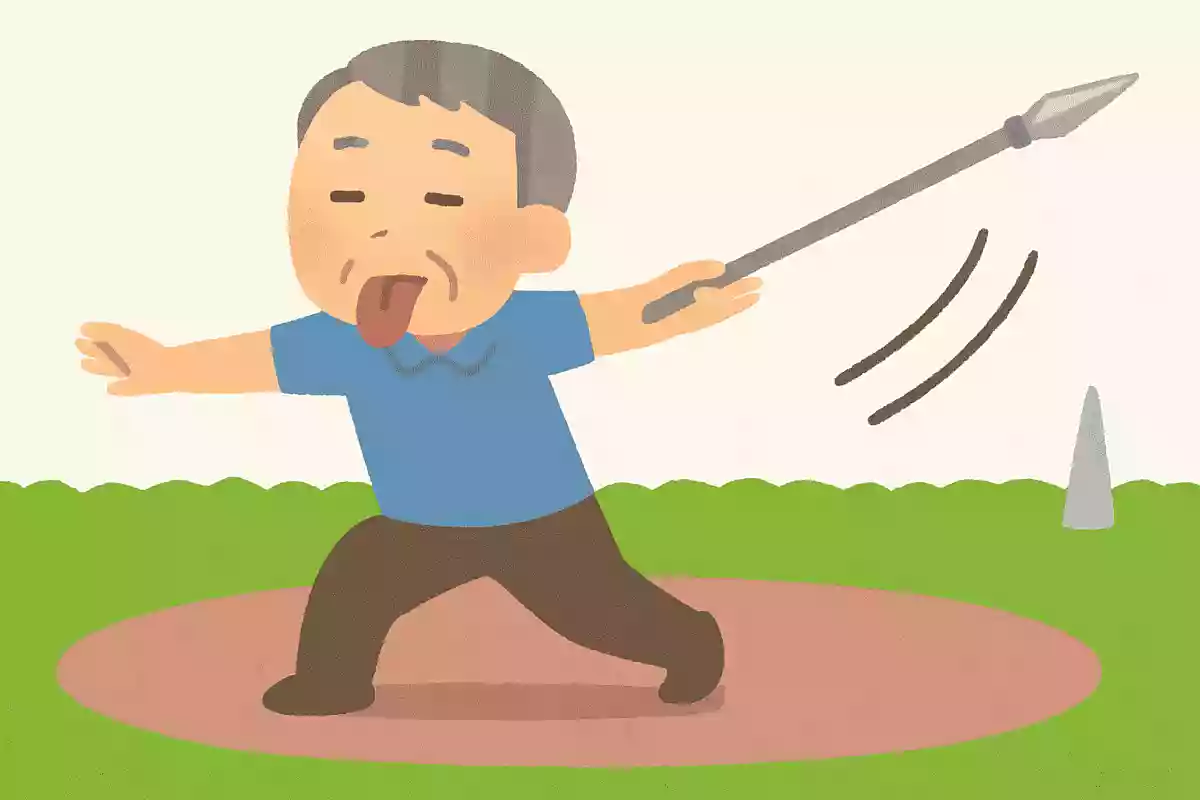
It’s a simple phrase that focuses on the fact that “nageyari” (throwing things away carelessly) and “yari-nage” (javelin throw) sound similar.
Saying it once isn’t too hard, but repeating it gradually makes it more difficult to pronounce.
It’s the kind of phrase that becomes a tongue twister when you speed it up and repeat it.
It’s important to pay close attention to which word comes next, and it seems like a tongue twister that can train your mouth while also offering some brain-training benefits.
Raw catfish, raw sea cucumber, raw nameko mushrooms
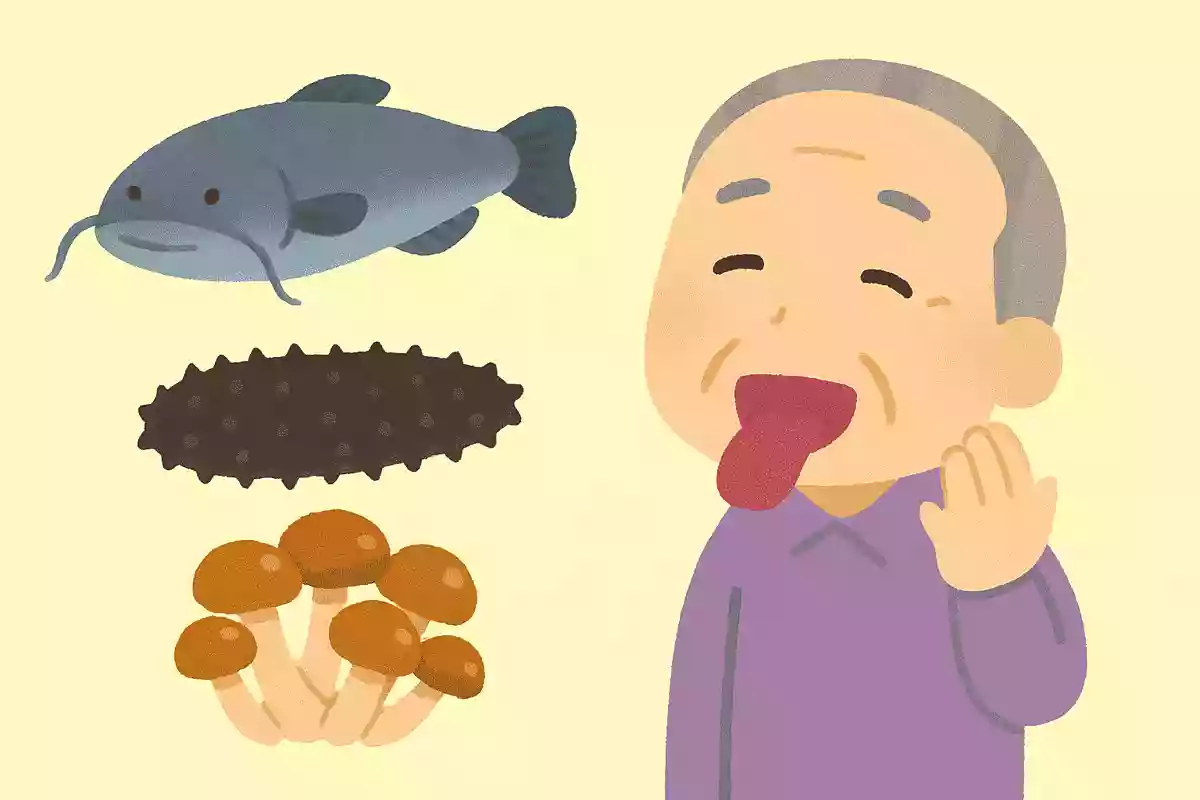
By consciously paying close attention to how you move your tongue and lips, you can pronounce everyday words more smoothly.
This tongue-twister emphasizes exactly those movements.
The word “nama” is the key: the “na” engages clear tongue movement, while the “ma” requires opening and closing the lips in succession, helping you stay mindful of your mouth’s motion.
Pronouncing words that actively use the mouth can also aid saliva production, making this tongue-twister beneficial in several ways.