

Everyday little questions! Surprisingly unknown, fascinating trivia from around us

The little “why?” questions we suddenly feel in everyday life.
The sights we casually look at, the sounds we hear, and the things we use might hide unexpected meanings and fascinating facts.
So why not use this article to unravel together the mysteries and little-known trivia hiding all around us? There are surprisingly many things that feel so obvious that, when asked, we can’t actually explain them! Welcome to a world of trivia that will make you say “Huh, interesting!” over and over—and give you fun tidbits you’ll want to share with others.
- Useful right away in daily life! Surprising trivia and handy tips
- A quiz of fun trivia: bite-sized knowledge that leads to new insights.
- Exciting! Trivia quizzes that you’ll want to tell others about. A collection of surprisingly little-known facts.
- [Killing Time] A Collection of Fun Trivia Quizzes You'll Want to Share with Someone
- Trivia quiz with useful tips to know: fun facts that come in handy at school or at home [for kids]
- Stimulate your intellectual curiosity! Fascinating trivia quizzes that you’ll want to share with others
- Surprisingly unknown? A fun health trivia quiz that will make you want to try it
- [Great for speeches] Trivia and fun-fact quizzes recommended for morning assemblies
- [Challenge] Stimulate your intellectual curiosity with a general knowledge quiz you might not know!
- Recommended for elementary school students! Trivia quiz you'll want to share once you know it
- Trivia and general knowledge quiz on money-saving tips useful in everyday life
- [Interesting] Compilation of Trivia Quiz Questions
- Trivia and fun facts about food (summary)
Everyday little questions! Surprisingly unknown, fun trivia close to home (1–10)
Where does dust come from?
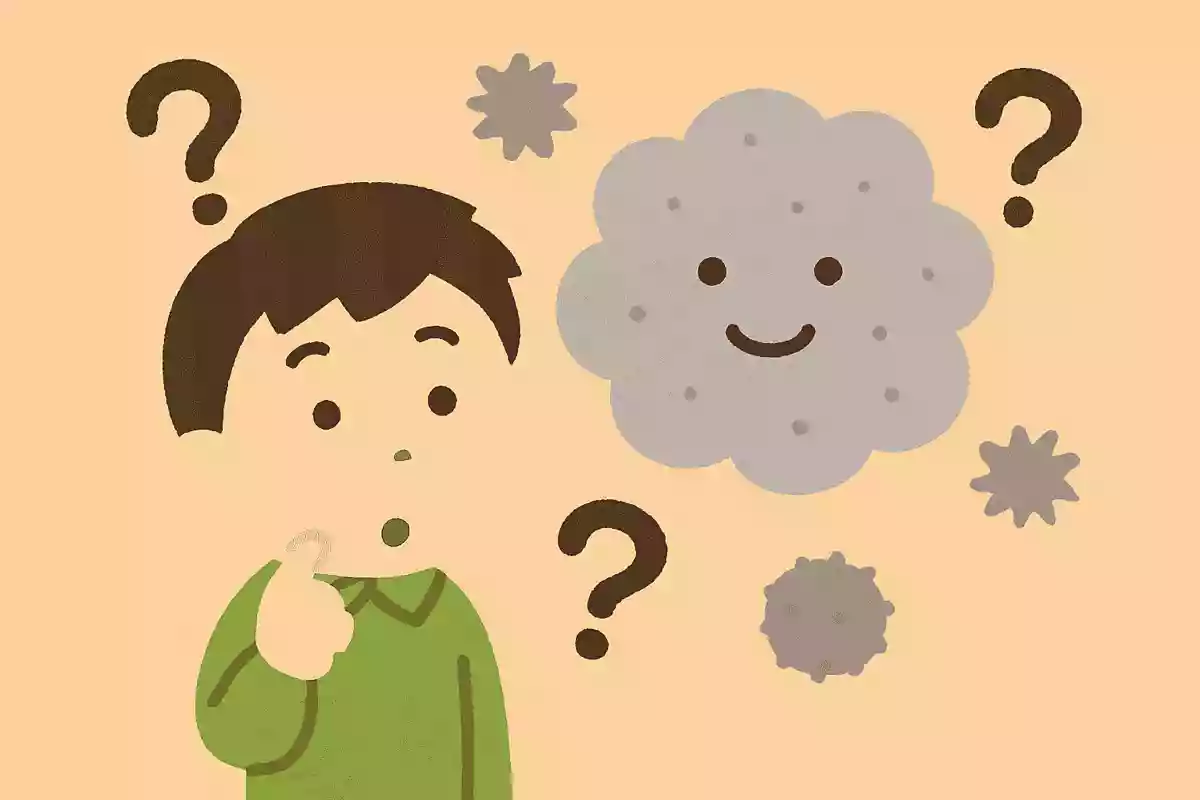
Even though you’ve just cleaned, dust somehow piles up before you know it.
Where does dust come from? Dust is made up of shed fibers from clothing, sofas, and carpets, as well as fragments of human skin, dandruff, mold, and bacteria.
It’s said that air currents caused by human movement, temperature differences, and wind from air conditioners or open windows bring these particles together to form dust.
What’s more, mold and bacteria can rapidly multiply within the accumulated dust.
There are also cleaning methods that can help prevent dust from building up, so if you’re interested, try looking them up.

Are traffic lights three colors: red, yellow, and green?

Traffic lights have three colors: green, yellow, and red.
So, why were these three chosen? In fact, these colors are not a Japan-specific rule; they are defined by the International Commission on Illumination.
Traffic signal colors are designated as five colors—red, green, yellow, white, and blue—and three of these are assigned for traffic signal lamps.
In Japan, the green light is commonly called “blue” (ao shingō).
There are various explanations for this, including the broad traditional range covered by the term “ao” (blue/green), the influence of the three primary colors, and the perception that blue is the opposite of red.

Where does the wind come from?
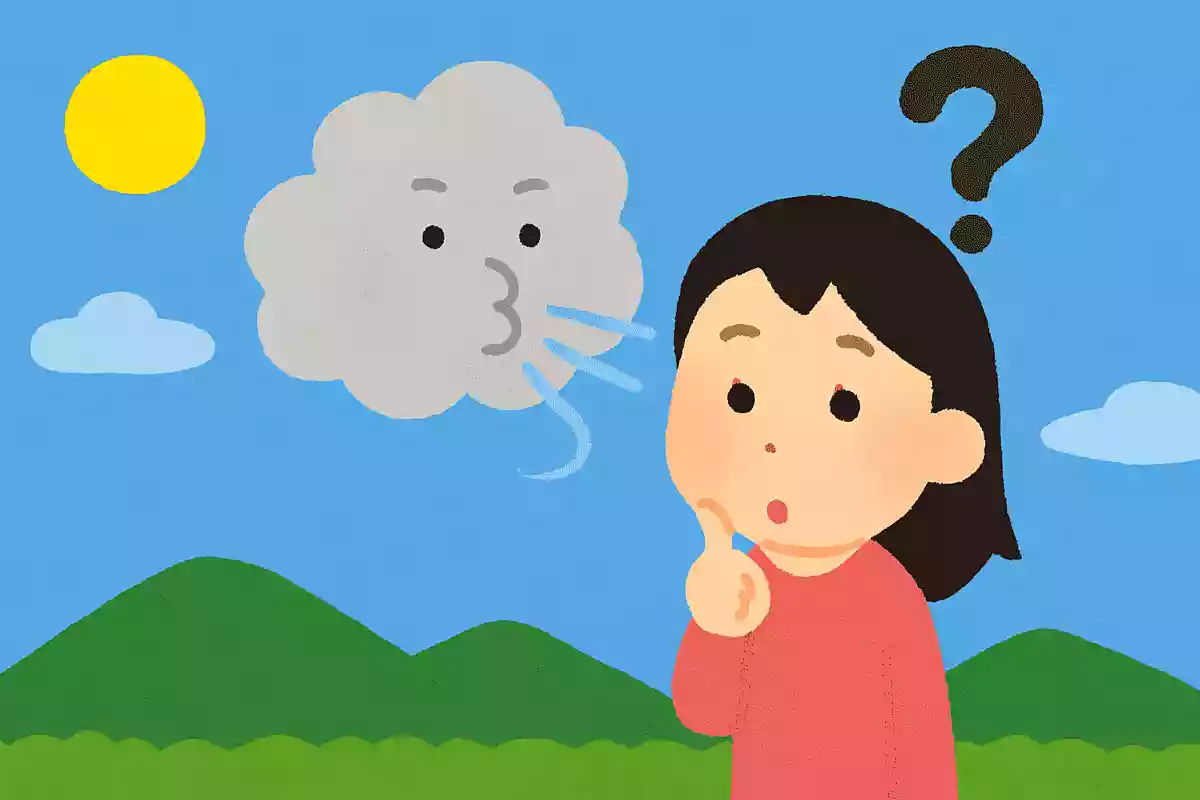
How does wind work? It’s curious, isn’t it, that there aren’t any propellers or blades like on fans or windmills creating it.
In fact, air exerts pushing forces, and the strength of those forces differs from place to place.
Air with weaker force gets pushed out by air with stronger force.
In other words, that movement is what becomes wind.
In the atmosphere, air is constantly pushing against other air.
We can’t see it, but it’s fun to imagine, isn’t it?
Everyday Little Questions! Surprisingly Unknown Fun Trivia Around Us (11–20)
Why do cats like boxes?

Cats really do love boxes, don’t they? There are several instinctive reasons why.
First, a box is enclosed on multiple sides, creating a safe, secure shelter that protects them from potential threats.
By rubbing and leaving their scent, they can mark territory and maintain a sense of privacy.
Tight spaces also help them retain body heat, making boxes great for comfortable temperature regulation.
Climbing inside stimulates their playful and exploratory nature, satisfying their curiosity.
It’s also said that boxes reduce outside stimuli, which can help lower stress.
In a way, it’s similar to the human urge to hunker down and cocoon ourselves!
Why can herbivores survive by eating only grass?
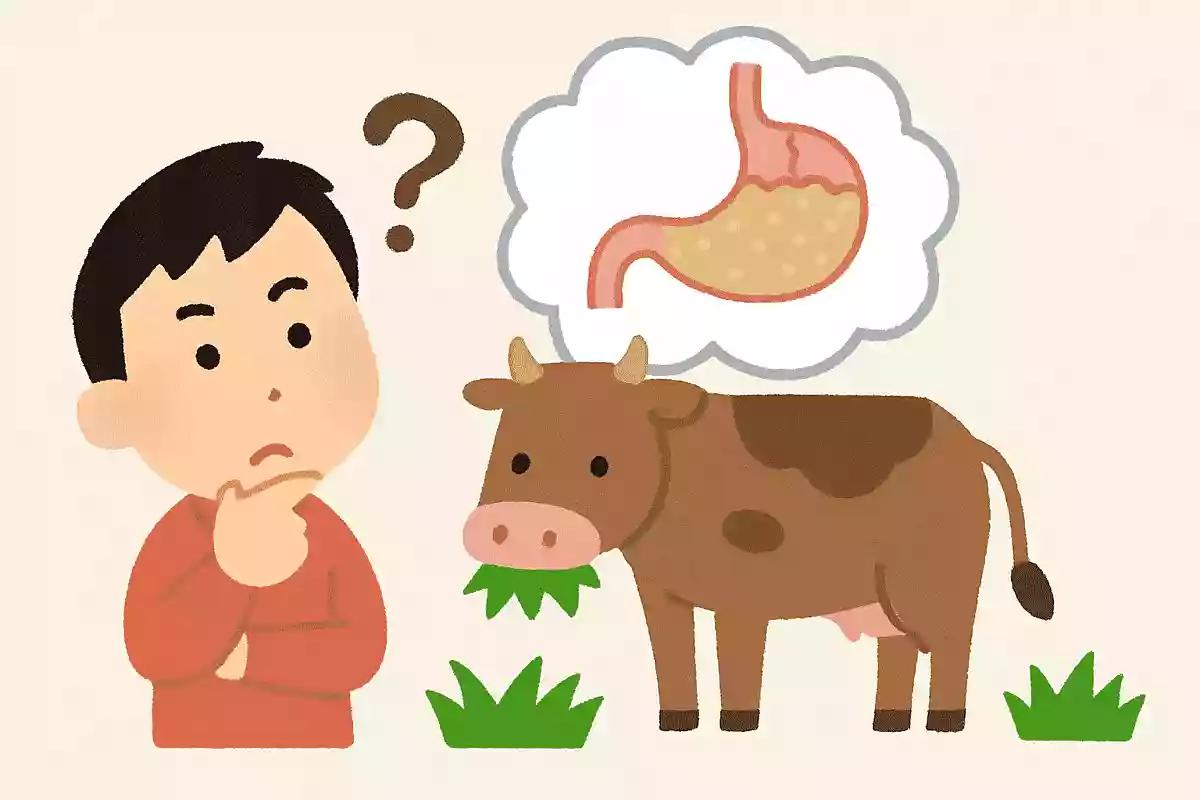
Why can herbivores like cows and goats survive by eating only grass? In fact, their bodies are designed to properly digest and absorb grass.
For example, cows and deer ruminate multiple times and digest slowly, and their long intestines allow for gradual digestion.
With the help of microbes in their bodies, they can convert fibers and cellulose—things humans can’t digest—into usable energy.
So it’s not that grass is nutritionally insufficient for them; rather, they can thrive because their bodies are built to turn grass into proper nourishment.
Why do we line up our shoes?

In Japan, most people are taught from a young age that arranging your shoes neatly after taking them off is good manners.
In fact, aligning your shoes carries a deeper meaning beyond simple etiquette.
At the entrances of Zen temples, you may find a sign or wooden plaque that reads “Kyakka Shōko” (Reflect on your own steps).
This teaches that “if you wish to cultivate a calm, spacious mind, start by arranging your footwear.” It’s also said that properly setting your shoes in order expresses respect for the other person’s space.
It turns out that a great deal of courtesy and thoughtfulness is contained within such small actions.
It would be nice if we could shift our awareness a little and strive to live more mindfully and with care.
Why is the greeting at the workplace ‘Good morning’?
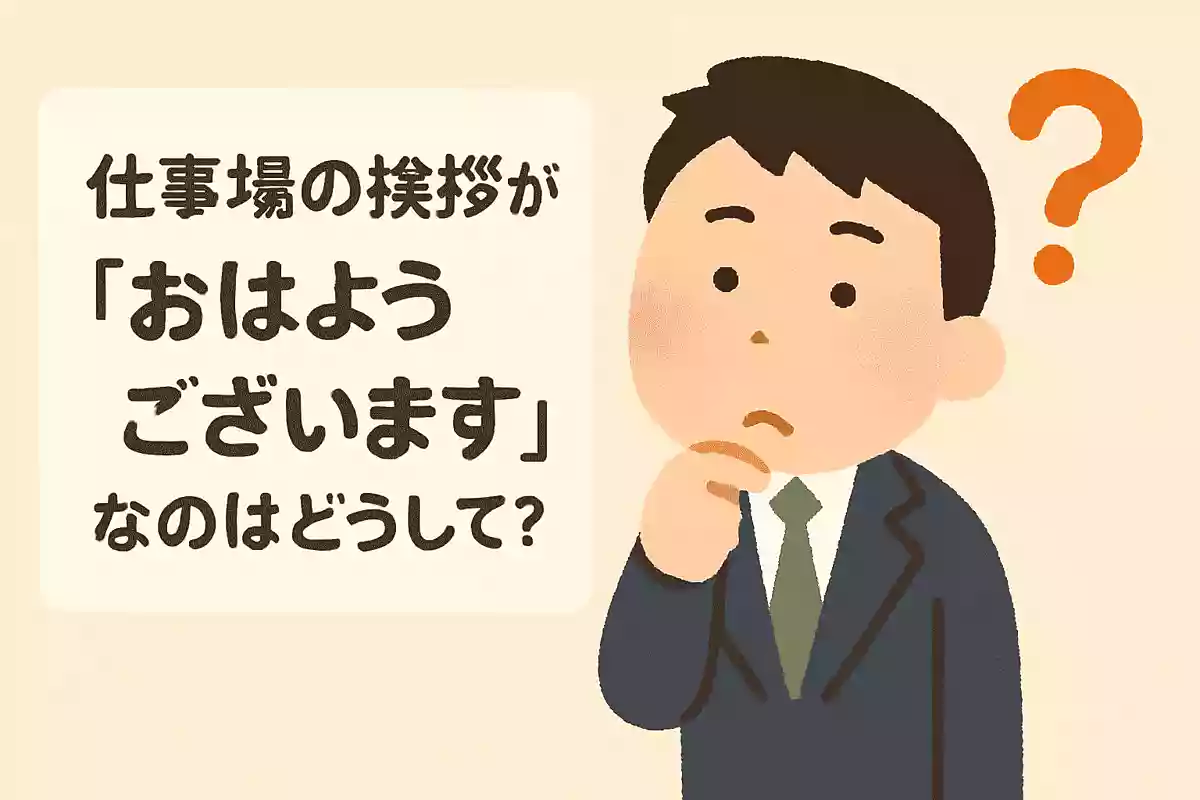
Why do people say “ohayō gozaimasu” at the workplace even in the afternoon or evening? It feels a bit curious, doesn’t it? It’s said this custom spread from the world of kabuki.
In kabuki and theater, performers take the stage regardless of day or night, so they would greet each other with “Ohayō!” at any hour with the feeling of “This is the start of our day.” This habit spread into the entertainment and artisan worlds and came to be used as a greeting meaning “Let’s begin today” or “Nice to start working together today.” In other words, it’s not just a simple greeting—it also carries the meaning of “All right! Let’s do our best together from here!” Let’s keep using it energetically and cheerfully.