


The little “why?” questions we suddenly feel in everyday life.
The sights we casually look at, the sounds we hear, and the things we use might hide unexpected meanings and fascinating facts.
So why not use this article to unravel together the mysteries and little-known trivia hiding all around us? There are surprisingly many things that feel so obvious that, when asked, we can’t actually explain them! Welcome to a world of trivia that will make you say “Huh, interesting!” over and over—and give you fun tidbits you’ll want to share with others.
- Useful right away in daily life! Surprising trivia and handy tips
- A quiz of fun trivia: bite-sized knowledge that leads to new insights.
- Exciting! Trivia quizzes that you’ll want to tell others about. A collection of surprisingly little-known facts.
- [Killing Time] A Collection of Fun Trivia Quizzes You'll Want to Share with Someone
- Trivia quiz with useful tips to know: fun facts that come in handy at school or at home [for kids]
- Stimulate your intellectual curiosity! Fascinating trivia quizzes that you’ll want to share with others
- Surprisingly unknown? A fun health trivia quiz that will make you want to try it
- [Great for speeches] Trivia and fun-fact quizzes recommended for morning assemblies
- [Challenge] Stimulate your intellectual curiosity with a general knowledge quiz you might not know!
- Recommended for elementary school students! Trivia quiz you'll want to share once you know it
- Trivia and general knowledge quiz on money-saving tips useful in everyday life
- [Interesting] Compilation of Trivia Quiz Questions
- Trivia and fun facts about food (summary)
Everyday little questions! Surprisingly unknown, fun trivia close to home (1–10)
What are the hiragana characters on Japanese license plates for?
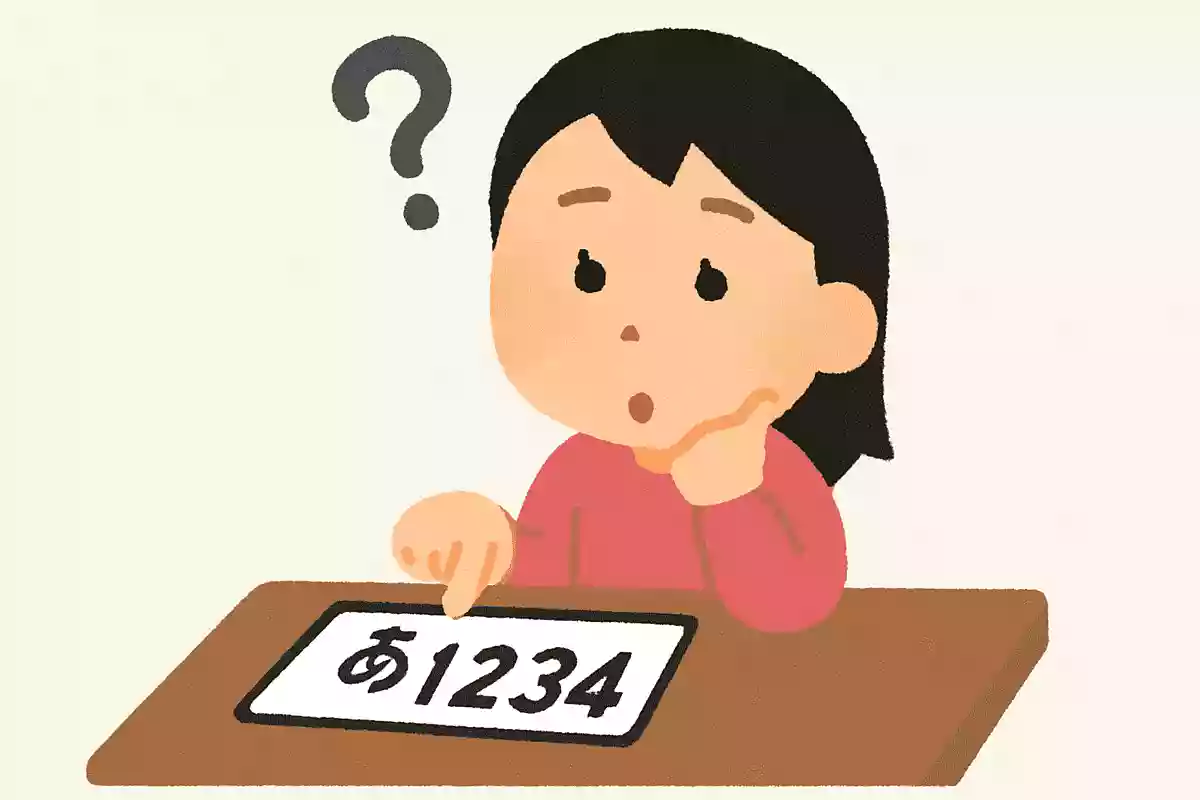
Various hiragana characters appear on Japanese license plates.
What do they mean? In fact, those characters are used to broadly categorize the type of vehicle.
For example, “わ” and “れ” are reserved for rental cars, while characters from “あ” to “を” are used for private and commercial vehicles, so you can generally tell how a vehicle is used just by looking.
They’re also distinguished between standard-sized and compact cars.
By the way, hiragana that are easy to misread, such as “お,” “し,” “ん,” and “へ,” are not used.
It turns out that even the things we casually see every day have clear meanings.
Why is air invisible?

Why is air invisible? Have you ever wondered? Because air has no color, we cannot see it.
Nitrogen, which makes up about 78% of air, and oxygen, about 21%, are both colorless.
The remaining 1% includes gases such as argon and carbon dioxide, which are also colorless.
If even one component had color, the air itself would be tinted, but since that isn’t the case, air is invisible to our eyes.
You could say air is highly transparent.

What are the bumps on the “F” and “J” keys on a computer keyboard?

I think many of us often use computers for work or hobbies.
The small bumps on the F and J keys of a keyboard are called home position marks.
These bumps let you instantly find where to place your fingers without looking at the keyboard.
By typing from the correct home position, your hands strike from the right posture and unnecessary finger movement is reduced.
This also shortens input time and makes your work more efficient.
It becomes a very important keyboard feature that supports your work from behind the scenes.
What’s the difference between café au lait and café latte?
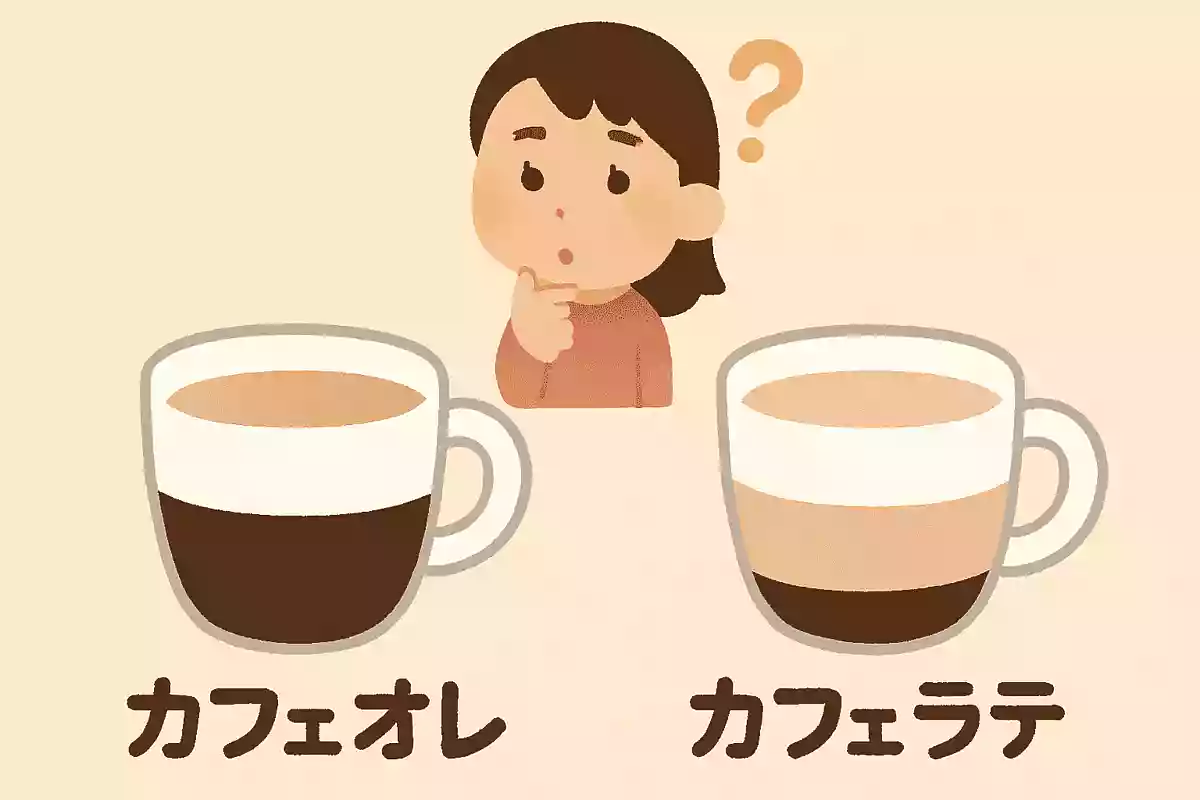
When you go to a café, you sometimes see both caffè latte and café au lait on the menu, right? Do you know the difference between the two? Literally, both mean coffee with milk.
However, the origins differ—one is Italian and the other is French.
In Italy, caffè latte refers to a drink made by mixing espresso with hot milk.
In France, café au lait is typically made by combining drip coffee and hot milk, each served from its own pot.
Also, caffè latte generally has a higher ratio of milk than café au lait.

Why is it that only the 5-yen and 50-yen coins have holes in them?
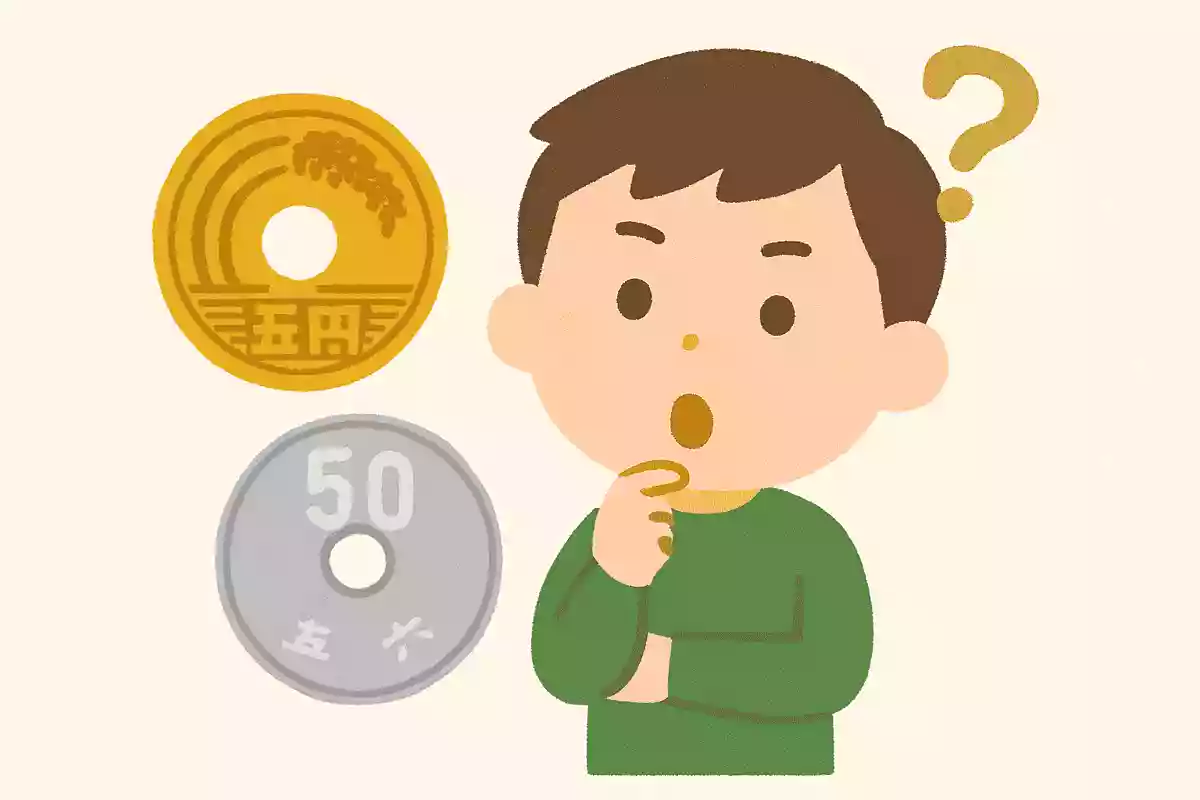
It seems there are fewer chances to carry cash these days, but have you ever wondered about something when using coins? Only the 5-yen and 50-yen coins have holes, right? The reason is said to be to prevent counterfeiting and to distinguish them from other similar coins.
Having a hole in the coin makes it harder to counterfeit.
Around 1957, the 100-yen coin, which was introduced after the 50-yen coin, was considered confusingly similar and became an issue.
Also, the 5-yen coin was given a hole to distinguish it from the 1-yen coin.
Unlike the current 1-yen coin, the 1-yen coin that existed around 1948 was very similar to the 5-yen coin at the time.
In addition, punching a hole also helps save on the raw materials used for coins.
Why do we yawn?
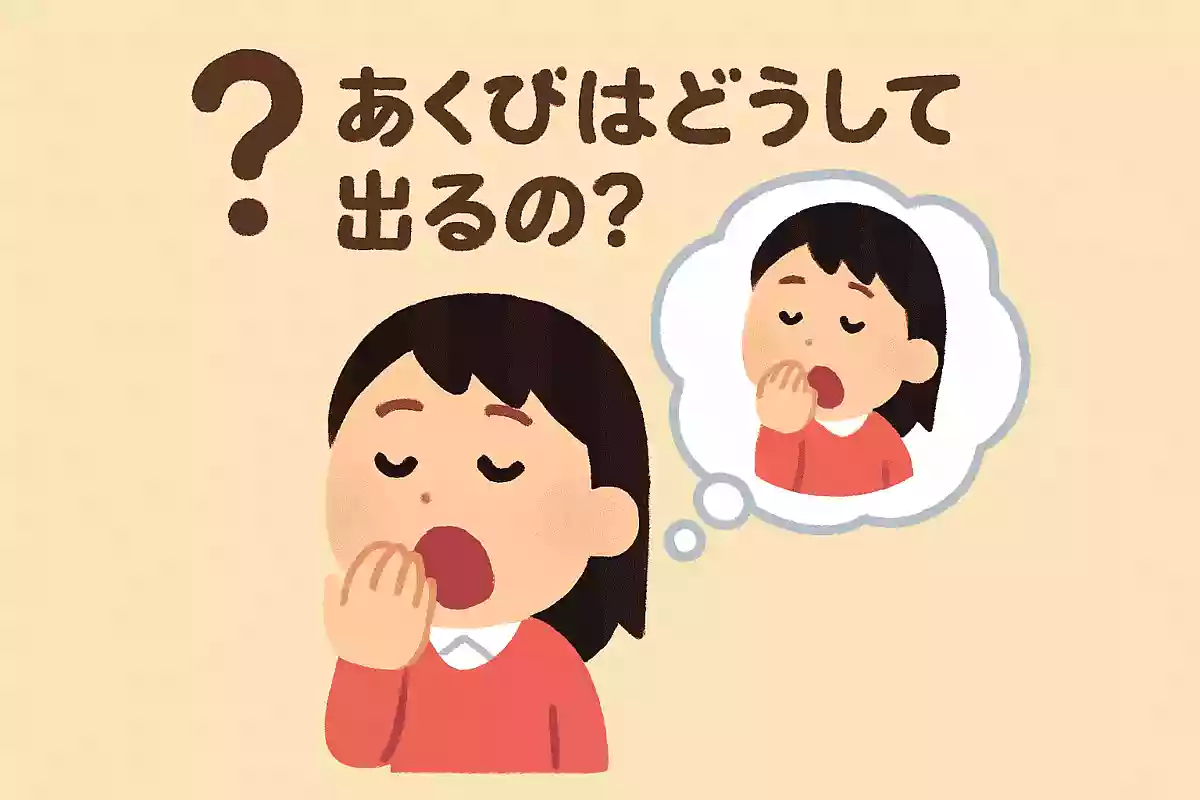
Yawns come on suddenly, don’t they? They happen when you’re sleepy, when you “catch” one from someone else, or even for no particular reason.
The timing varies from person to person, but why do we yawn in the first place? It’s thought that yawning is triggered by the paraventricular nucleus in the hypothalamus.
It’s also said to help the brain switch gears and refresh itself.
Yawning itself isn’t a bad thing, but if you really want to stop one, moving your mouth can help.

How can airplanes fly?

Have you ever looked at an airplane flying in the sky and wondered, “How can that hunk of metal fly?” Paper airplanes are light, so they ride the wind, right? So how do real airplanes fly? Four forces are involved in moving an airplane: thrust, drag, weight (gravity), and lift.
Among these, thrust and lift play especially big roles in keeping an airplane aloft.
The engine generates forward “thrust,” and as the plane moves forward, “lift” arises acting upward from below the wings, causing the aircraft to rise.