

Folksongs, children's songs, and nursery rhymes of Fukushima: the heart of our hometown passed down in song

The Tohoku region has traditionally been rich in folk songs.
Since ancient times, there have been festival songs and the like that are rooted in the local land.
Many of these songs are ones that everyone from the area would know, but this time we’ve gathered pieces to help more people appreciate the beauty of folk music.
Younger people and others may not be very familiar with it nowadays, so I’d be happy if this sparks your interest!
- [Songs of Fukushima] Thinking of my hometown | A heartwarming collection of classic songs celebrating the beautiful “Fukushima”
- Folksongs, children's songs, and nursery rhymes of Fukushima: the heart of our hometown passed down in song
- Beautiful Folk Songs Passed Down in Miyagi Prefecture: A Collection of Masterpieces that Play the Heart of the Hometown
- [Folk Songs of Yamagata] The Heart of Our Hometown Passed Down in Song: Feelings Woven into Nostalgic Melodies
- Ranking of Popular Folk Songs
- [Folk Songs and Children's Songs of Akita] A curated selection of local masterpieces that evoke love for one’s hometown
- Songs for January: Nursery rhymes and fingerplay songs we want children to grow familiar with
- Japanese counting songs: nostalgic temari (handball) songs and children’s folk songs
- Folk songs, children's songs, and nursery rhymes of Iwate: the heart of the hometown passed down through song
- Folk Songs, Children's Songs, and Nursery Rhymes of Aomori: Japanese Songs from Tsugaru and Hachinohe that Resonate with the Heart
- Niigata’s folk songs, children’s songs, and nursery rhymes: the heart of our hometown passed down in song
- Nostalgic Children’s Songs, Folk Songs, and Nursery Rhymes: The Heart of Japan Passed Down Through Song
- Folk songs, children’s songs, and nursery rhymes of Kumamoto: the enduring spirit of our hometown passed down through song.
Folk songs, children's songs, and nursery rhymes of Fukushima: The heart of our hometown passed down in song (21–30)
Song of JangaraShimo-tsudzuri Seinenkai
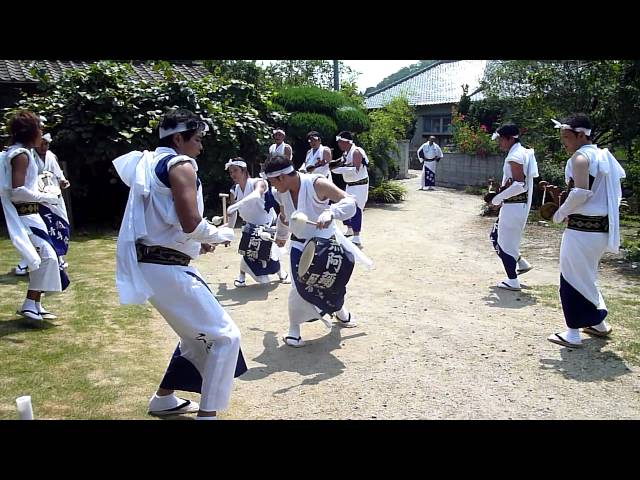
This is a folk song sung during the Jangara Nenbutsu Dance, an intangible folk cultural property passed down in Iwaki City since the Edo period.
During the Obon season, youth associations and volunteers from various parts of Iwaki visit households observing their first Obon to offer memorial services.
They perform dances to the chant of Namu Amida Butsu, imbuing the singing and dancing with prayers for the repose of the deceased, accompanied by drums and hand gongs.
Commonly called “Jangara,” it has become a hallmark of the Obon season in Iwaki.
The dance styles and melodies vary widely—even within Iwaki—and the lyrics differ by region, but the meaning of Jangara remains the same.
Soma NagareyamaNakanishi Natsuko

The Soma Nomaoi is a festival held at Soma Nakamura Shrine, Soma Ota Shrine, and Soma Odaka Shrine, centered on the Nakamura area of Soma City in Fukushima Prefecture.
At the Hibari-ga-hara festival grounds, armored horse racing and a sacred flag contest are conducted.
At each shrine, the eve festival on July 23 serves as a departure ceremony, during which the Soma Nagareyama is sung.
Waraji OndoKoseki Yūji

This song was created for the Waraji Odori of the Fukushima Waraji Festival, a summer event launched by the Fukushima Chamber of Commerce and Industry in 1969 to wish citizens good health and strong legs.
It was inspired by the 300-year-old Shinobu Sanzan Yaki-mairi, in which about 100 people carry and dedicate a giant straw sandal for the guardian Nio statues enshrined at Haguro Shrine on Mount Shinobu, the symbol of Fukushima City, praying for household safety and a bountiful harvest.
One of the giant straw sandals is dedicated during the Lunar New Year’s Shinobu Yama Yaki-mairi, and the other is dedicated in early August when the Fukushima Waraji Festival is held.
In recent years, with events like Dancing Soda Night and the Heisei Waraji Ondo, the festival has taken on a slightly samba-like vibe.
Iizaka Little SongSeikou
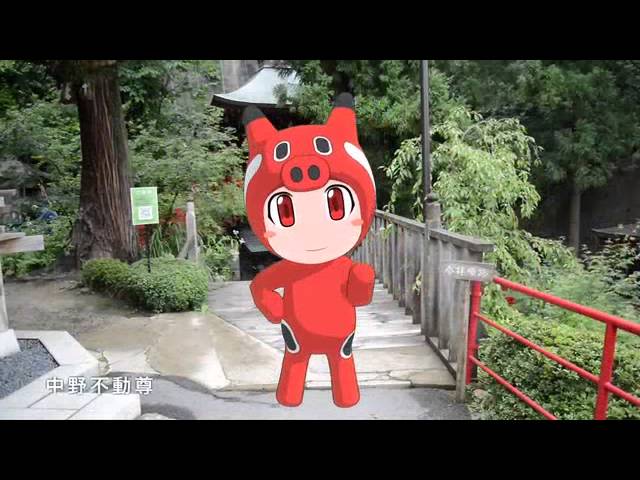
As the famous song goes, “Kusatsu is a wonderful place,” Iizaka Onsen in Iizaka City, Fukushima Prefecture is also one of the Tohoku region’s premier hot springs.
The parts of the song that praise these famed waters and hint at clandestine romances naturally evoke images of a geisha performing chic shamisen and kouta in a tatami room.
With the aim of promoting visits to Iizaka, the song is still passed down and sung in Iizaka City today.
Kanchororin SongBonchi no Chamejii
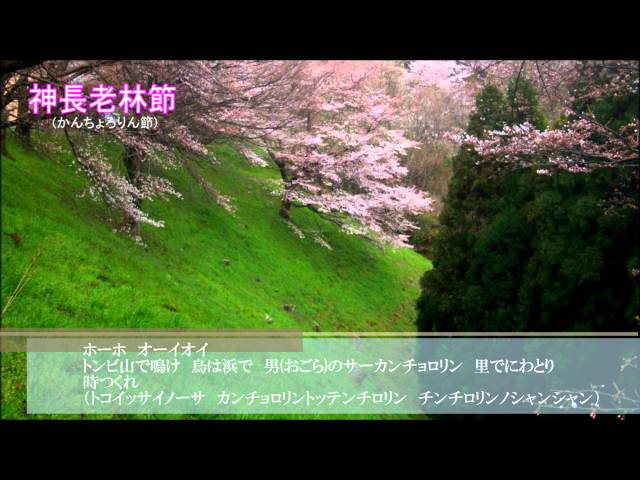
This is a folk song said to have originated in the Kashima area of Soma City, Fukushima Prefecture, and perhaps due to the arrangement, it has a somewhat bright tone.
A boy and a girl wear kites’ crowns and dance while exchanging the peculiar calls that also appear in the lyrics.
“Kanchororin” is also written as 神長老林, but the reason for these characters is unknown.
One theory claims that kanchororin is the cry of a bird, though the details are unclear.