

[Enjoyable for people with hemiplegia too] Participate while seated! Simple and fun recreation


You want to make rehabilitation for people with hemiplegia more effective while still having fun, right? This time, we’re introducing enjoyable, easy-to-try recreational activities.
There are plenty of options that get the body moving and bring smiles, such as the newspaper-rolling game, a cup-and-ball toy made from milk cartons, and finger exercises.
They can be enjoyed alone or with others, and the appeal is that you can continue at your own pace without overexertion.
You can expect various benefits, like improving finger dexterity and training balance.
Facility staff should ensure safety by staying nearby to supervise and support.
Try incorporating these into daily life to make functional recovery both fun and effective!
- For Seniors: Effective Recreation for Preventing Care Needs—Have Fun While Staying Healthy
- [For Seniors] Easy and fun seated activities you can do in your room
- [For Seniors] Guaranteed to Liven Things Up! A Collection of Brain Training Activities That Will Spark Laughter
- [For Seniors] Fun Recreational Activities Without Equipment
- [For Seniors] Enjoy safely even during the COVID-19 pandemic: Seated activities
- [For Seniors] Recommended Even for People with Dementia! Simple Recreational Activities
- [For Seniors] Introducing Recreational Activities Anyone Can Enjoy at Geriatric Health Facilities!
- [For Seniors] Core Training: Recommended Simple Rehabilitation
- Hand games that liven things up for seniors—also great brain training
- [For Seniors] Recommended Handmade Activities! Simple Ideas
- [For Seniors] A roundup of games using disposable chopsticks: Chopstick activities that also support rehabilitation
- For Seniors: Fun and Lively Exercise Recreation
- Enjoy a Comfortable Hospital Stay! Fun Pastime Activities Recommended for Seniors
[Fun for People with Hemiplegia Too] Participate While Seated! Simple and Entertaining Recreations (11–20)
hanging towel

Let me introduce a unique game that uses towels.
Prepare towels about the size of a face towel.
Stand at a distance and throw the towels so they hook onto a target stick.
Each person throws three towels, and you compete to see who can get the most towels onto the stick.
Since you’re throwing towels that you normally use to wipe your face or hands, the unexpected twist makes it lively and fun.
You can also replace the stick with a basket and turn it into a game where you throw the towels into the basket.
It can be played while seated, so it should be easy for older adults to take part as well.

bamboo shoot digging

Let’s liven things up with a game themed around one of spring’s seasonal flavors: bamboo shoots.
Some seniors may have even gone out to dig bamboo shoots in a bamboo grove.
In this game, you win if you can catch the bamboo shoot—made from a paper cup—faster than your opponent.
Real bamboo shoot digging takes strength and can be tough, but with this game, where both the “tool” and the bamboo shoot are paper cups, seniors with hemiplegia can enjoy it easily.
Through the game, some seniors might recall times when they dug bamboo shoots or ate them.
Paper cup: Don’t take the last one game

Let me introduce a fun game you can play with paper cups.
The rules are simple: place several paper cups on a table, and on your turn you may take up to three cups.
You can take one, two, or three cups.
The player who takes the very last cup on the table loses.
As the game nears the end, you’ll start carefully considering how many cups to take.
Who will be the one to pick up that final cup? It’s a thrilling, edge-of-your-seat paper cup game.
Paper cups are light, so you can hold them with one hand.
It’s a game that people with hemiparesis might also enjoy.
Beanbag Bingo

Here’s a bingo-style game using beanbags that you can enjoy with one hand.
Prepare a sheet of paper with a 5-by-5 grid.
Take turns with your opponent placing one beanbag on a single square.
The first person to line up four beanbags in a row—vertically, horizontally, or diagonally—wins.
Beanbags are light, so there’s little risk of injury if they fall, which is a plus.
While aiming to make your own line of four, you’ll also try to block your opponent.
It’s a game that encourages focused thinking and may help stimulate the brain.
Try playing while seated in chairs with older adults, and have fun getting lively together.
Finger exercises you can do with one hand

One-handed finger exercises can help improve hand and finger function while having fun.
Moving each finger individually or counting on your fingers can increase flexibility and range of motion.
It also enhances dexterity you can use in everyday life.
You can do it while seated, so it’s easy to keep up without strain.
Moving your fingers to music can make it more rhythmic and enjoyable.
Humming a children’s song while doing the exercises might be nice, too.
Since it can also have a relaxing effect, try making it part of your daily routine.
music therapy
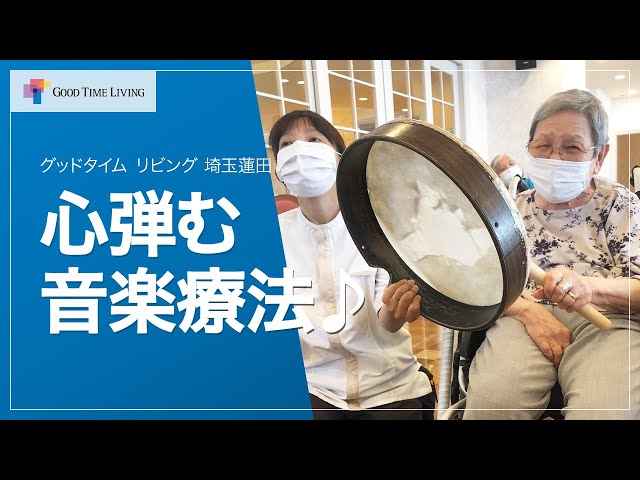
Listening to music can be relaxing.
The enjoyment of singing or performing is also one of music’s charms.
It’s said that for older adults, listening to music can provide a change of pace and help reduce anxiety.
So why not incorporate music therapy into recreational activities? Since it can be done seated and in time with the music, people with hemiplegia or those who have difficulty standing can also participate.
Singing together and playing instruments as a group can encourage cooperation and promote communication.
It’s also recommended to move your body gently to the music, within a comfortable range.
[Fun for Those with Hemiplegia Too] Join While Seated! Simple and Entertaining Recreations (21–30)
Ball Knob Game

The ball-pinching game is a wonderful recreational activity that lets you do rehabilitation while having fun.
By using clothespins to pinch a ball, you can stimulate fine finger movements.
When you throw the ball into a target, you can also develop dexterity and control.
It’s great that people with hemiparesis can enjoy participating within their abilities.
Competing or cooperating with other participants will make it even more exciting.
It can be used not only to improve hand and finger function but also as an opportunity for communication.
By all means, give it a try together and have fun!