

[I don't want to be like everyone else!] Recommended independent research topics for high school students


When it comes to summer break independent research projects, many high school students struggle to choose a topic.
Independent research can be especially time-consuming and challenging.
But don’t worry! Here, we introduce interesting independent research ideas recommended for high school students.
Some involve using fire or slightly more complex methods, so you’re sure to find something that interests you.
From experiments using familiar materials to hands-on crafts, there’s a wide range—from simple projects to those that take more time.
Dive in and turn your project into a fulfilling experience.
Have fun and learn a lot along the way!
- Recommended for high school students! A collection of easy one-day science project ideas
- Stand out with your junior high school independent research! A collection of fun experiment and craft ideas
- [Middle School Students] Easy One-Day Science Projects and Crafts Ideas
- For upper-grade boys! Simple yet awesome craft project [Don’t call it lazy]
- [For Adults] Simple yet Impressive Crafts: A Stylish, Eye-Catching Collection
- Simple and cute summer project crafts! A collection of ideas for girls that will make you want to create
- Recommended for middle school students! A collection of quick science project ideas you can do in a short time.
- [I don't want to be like everyone else!] Recommended independent research topics for high school students
- DIY science projects that elementary school boys will love: ideas you can make with everyday materials
- Simple yet amazing crafts: craft ideas that elementary school students will want to make
- Simple but awesome! Craft ideas for upper-grade girls
- Elementary School Students: Simple One-Day Science Project and Craft Ideas
- [5th Grade Elementary School] Independent Research Themes & Crafts | A Collection of Ideas That Lead to Learning
[Don’t want to be like everyone else!] Recommended independent research topics for high school students (61–70)
Plant research

How about researching plants? You could examine the grasses growing in your neighborhood, or, if there’s a botanical garden nearby, it would be nice to visit there.
It’s a research topic you can enjoy from many angles.
It also sounds fun to try growing plants yourself.

bamboo craft
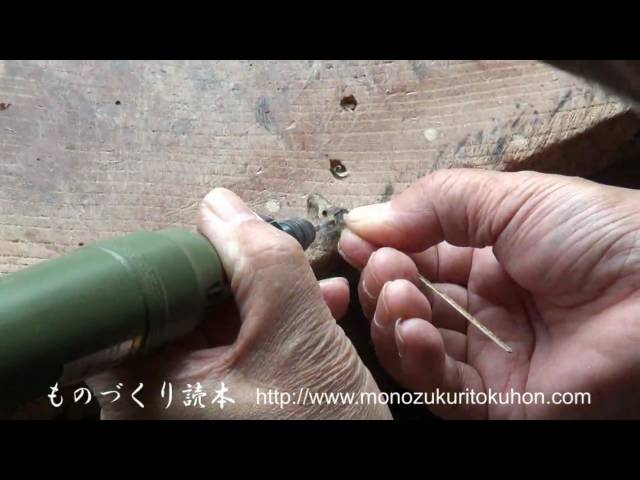
How about giving authentic bamboo crafting a try? Beyond simply cutting and shaving the bamboo, you can split it into thin strips, heat it to bend, and more.
If all goes well, you can even weave a basket like the one in the video.
If you live in a region famous for bamboo, definitely give it a shot.
Dissection of a shellfish

Asari clams are something we often eat.
When you soak them in water, they spit out sand with a “ptooey,” and the lively ones snap shut with force.
But since they hide inside their shells, don’t you wonder what their internal structure is actually like? This video dissects an asari clam step by step.
The careful explanations make it very easy to understand! This study might just change the way you look at asari clams.

Diet experiment

If you want your independent research project to be unlike anyone else’s, how about using the one-and-only you as the test subject? Try out some of the popular dieting methods making the rounds and examine them daily: do they really work, how effective are they, and how tough are they to stick with? Then compile your findings and report them as your research results.
If the methods are simple, you could try several and compare the outcomes! Exercise, carb restriction, or maybe some dieting gadget… Through your project, you’ll improve your fitness while doing research—two birds with one stone!

Cat sweat

Both cats and dogs sweat, but not from their entire bodies like humans do.
Let’s look into why that is.
Dogs open their mouths and stick out their tongues to release body heat; this serves as a substitute for sweating.
Cats, unlike dogs, don’t release heat through their mouths, but they do have sweat glands in their paw pads and in areas covered with fur, and they reportedly sweat from there.
A cat’s paw pads can sometimes be moist and soft, and other times dry and firm.
If you keep a cat, how about making this your summer vacation science project?

Catalase experiment

If you can prepare the equipment and chemicals, how about a catalase experiment? Catalase is an enzyme that breaks down hydrogen peroxide into water and oxygen.
It’s found in animal organs such as the liver and kidneys.
When you let it react with hydrogen peroxide, oxygen is released as it decomposes, so if you bring a smoldering incense stick close—like in the video—it will flare up vigorously.
If this is a biology experiment for high school students, you’ll want to do it this thoroughly.
It’s an independent research project especially recommended for those planning to pursue science at university in the future.
A world with zero friction

What kind of world would it be without friction? It might sound mysterious, but you can actually create it easily! Prepare a CD, a plastic bottle cap, a straw, and a rubber balloon.
Make a hole in the cap, attach it to the CD along with the straw and the balloon, and you’re ready.
When you inflate the balloon, the air inside it lets the CD glide smoothly across the floor with almost no friction.
A CD placed on the floor normally won’t slide very well, but the air from the balloon reduces friction with the floor! It’s an easy experiment to try, so give it a go.