

[I don't want to be like everyone else!] Recommended independent research topics for high school students


When it comes to summer break independent research projects, many high school students struggle to choose a topic.
Independent research can be especially time-consuming and challenging.
But don’t worry! Here, we introduce interesting independent research ideas recommended for high school students.
Some involve using fire or slightly more complex methods, so you’re sure to find something that interests you.
From experiments using familiar materials to hands-on crafts, there’s a wide range—from simple projects to those that take more time.
Dive in and turn your project into a fulfilling experience.
Have fun and learn a lot along the way!
- Recommended for high school students! A collection of easy one-day science project ideas
- Stand out with your junior high school independent research! A collection of fun experiment and craft ideas
- [Middle School Students] Easy One-Day Science Projects and Crafts Ideas
- For upper-grade boys! Simple yet awesome craft project [Don’t call it lazy]
- [For Adults] Simple yet Impressive Crafts: A Stylish, Eye-Catching Collection
- Simple and cute summer project crafts! A collection of ideas for girls that will make you want to create
- Recommended for middle school students! A collection of quick science project ideas you can do in a short time.
- [I don't want to be like everyone else!] Recommended independent research topics for high school students
- DIY science projects that elementary school boys will love: ideas you can make with everyday materials
- Simple yet amazing crafts: craft ideas that elementary school students will want to make
- Simple but awesome! Craft ideas for upper-grade girls
- Elementary School Students: Simple One-Day Science Project and Craft Ideas
- [5th Grade Elementary School] Independent Research Themes & Crafts | A Collection of Ideas That Lead to Learning
[Don’t Be Like Everyone Else!] Recommended Independent Research Topics for High School Students (51–60)
Alcohol explosion

This is an experiment that demonstrates the volatility of alcohol.
By slightly heating a can containing alcohol from the outside, the paper cup placed as a makeshift lid is blown off.
You must handle alcohol with care.
Since this experiment involves fire, be sure to conduct it in a safe location.

Egg drop
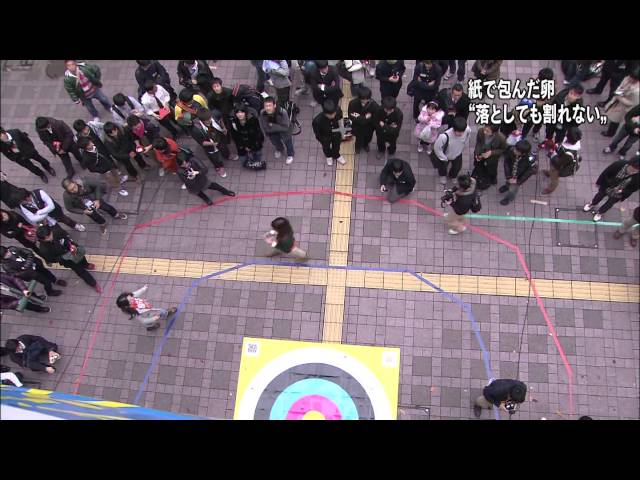
An experiment to see whether an egg can be protected with paper.
It’s interesting because it allows for quite concrete reflections on physics.
It also makes you think that trial and error might be the very essence of science.
Adjust the amount of paper used and the drop height, and gradually raise the difficulty.
Let’s build a Curie engine
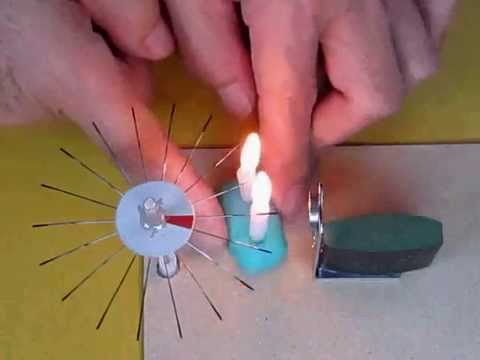
If you’d like to build your own apparatus and try an experiment yourself, how about taking on the challenge of making a Curie engine? A Curie engine uses the property that a ferromagnetic material loses its magnetism when heated to a certain temperature called the Curie temperature.
Let’s make something that lets you observe this effect.
Arrange several iron wires radially so they can rotate.
Then bring a neodymium magnet and a candle flame close to the setup to run the experiment.
As the candle gradually heats the iron wires, you’ll see them start to rotate! Be careful when handling fire, and give the experiment a try!

Guitar making

Would you like to experience making a real electric guitar? If you look online, you’ll find workshops where you can build one and take it home as is, so be sure to take advantage of them.
The mechanism for producing sound is actually simple, so trying to make one at home is a viable option too.
[Don’t want to be like everyone else!] Recommended independent research topics for high school students (61–70)
underwater soap bubbles
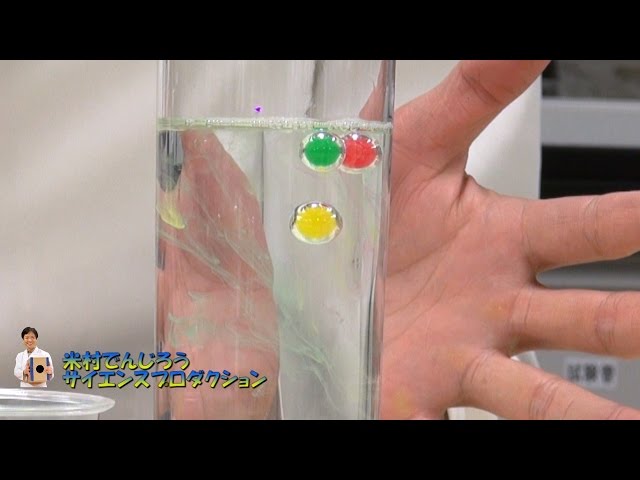
When you think of soap bubbles, you probably picture them floating gently in the air.
But you can actually make soap bubbles underwater, too.
All you need to do is prepare water mixed with dish detergent, then soak it up and let it drop from above.
It’s so simple that you can try it right away.
If you want to add a twist, you can mix paint into the water to make colored bubbles.
How about lining up bubbles of different colors and taking some dreamy, atmospheric photos?

History of Railways

Railways are an indispensable means of transportation in Japan’s history.
You might ride trains without thinking much about it in everyday life, but delving into the history reveals many fascinating stories.
I especially recommend looking into the railways that run in your local area.
five-link pendulum

Let’s make the world-famous device known as a “Newton’s cradle”! A Newton’s cradle is a teaching tool often used to explain conservation of momentum and conservation of energy.
If you pull back and release one of the five pendulum balls from one side, an equivalent amount of energy is transferred and a single ball on the opposite side swings out.
If you release two balls, then two balls on the other side will swing.
It’s easy to make with marbles, string, and something to hang the marbles from.
Once you try it, you’ll see it’s so mesmerizing you can watch it for ages—so I highly recommend making one!
