

Riddles for Upper Elementary Kids: A Fun Collection That Adults Can Enjoy Too

As children reach the upper grades of elementary school, they learn a lot and develop stronger thinking skills.
They spend more time playing with friends and expressing their opinions.
A distinctive feature of this stage is strong curiosity, and many children start discovering their own hobbies.
It’s also an important time for nurturing the ability to think deeply about things.
With that in mind, here we’ll introduce riddles that match the upper-grade level and help cultivate thinking skills while having fun.
Riddles use logical thinking and can be enjoyed together with friends.
There are plenty that adults can enjoy too, so be sure to give them a try together!
- Recommended for upper grades! A fun, educational quiz for elementary school students
- For elementary school kids! Fun riddles recommended for the middle grades
- [Advanced Level] Difficult Riddles for Elementary School Students
- Fun Quiz Collection Guaranteed to Stump and Delight Elementary School Kids
- Fun quizzes for elementary school kids: a collection of questions everyone can enjoy together
- For elementary school kids! Fun and amusing riddles everyone can enjoy together
- For elementary school kids! Fun riddles recommended for lower grades
- Fun trick riddles you can enjoy in elementary school!
- For upper elementary school students! A lively and educational true-or-false quiz
- Recommended riddles for elementary school students. A collection of kid-friendly riddles.
- Fun for adults too! Trick questions for elementary school kids
- [For Elementary School Students] Recommended Riddle Collection
- A multiple-choice quiz with three options for upper elementary students. Fun questions that build thinking skills.
Riddles for Upper Elementary Kids! A Fun Collection Adults Can Enjoy Too (11–20)
15 Winter Riddles

Want to take on a chilly-season challenge? Here are 15 winter riddle ideas.
These riddles are all about winter.
Since the theme is a specific season, it might be easier to picture the answers.
For example: “What grows from top to bottom when it gets cold, and becomes shorter from bottom to top when it gets warm?” Questions like this are included! If you try them while recalling winter scenery, you’ll likely figure out the answers quickly.
Give them a try!
What bug is in the center of the world?
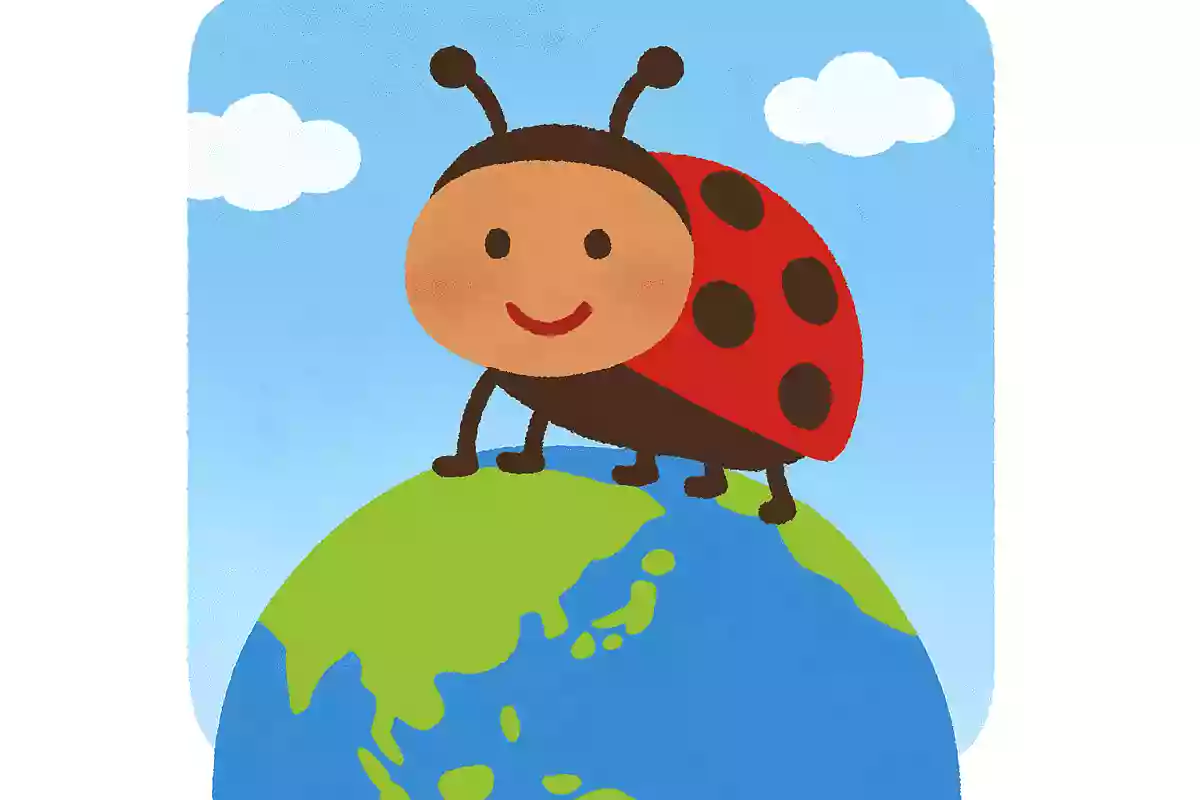
What insect is in the middle of the world? You might be tempted to wonder, “Where is the center of the world?” but this is a riddle you can solve with a flash of insight—no geography knowledge needed.
The key point is that “sekai” (world) is intentionally written in hiragana as せかい.
It could have been written in kanji, which makes this suspicious.
By the way, the correct answer is “a mosquito” (ka).
It’s that blood-sucking pest we all hate in summer.
Why? Because the middle letter of せかい (se-kai) is か (ka)!

Even though it was taken, everyone’s laughing. I wonder why.
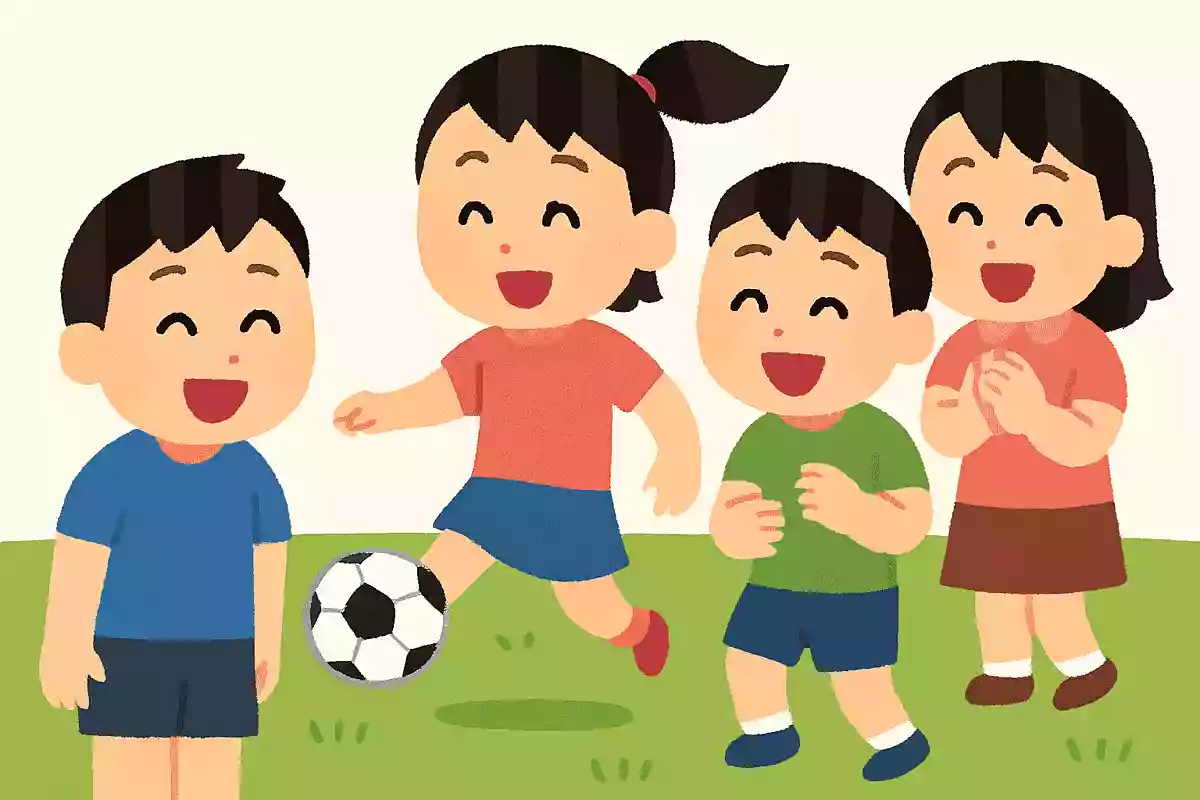
I ended up fighting after my friend and I both tried to take it… It’s something every elementary schooler has probably experienced at least once.
Having something taken from you feels awful and makes you sad, right? So let’s try this puzzle.
Why is everyone smiling even though something was ‘taken’? The first thing to think about when solving this is the meaning of the word ‘taken’ (torareta).
It’s deliberately written in hiragana, so try converting it to kanji and imagining what situation it might describe.
The answer is: because it was a photograph.
No matter how many times you call it, it never answers—what is it?
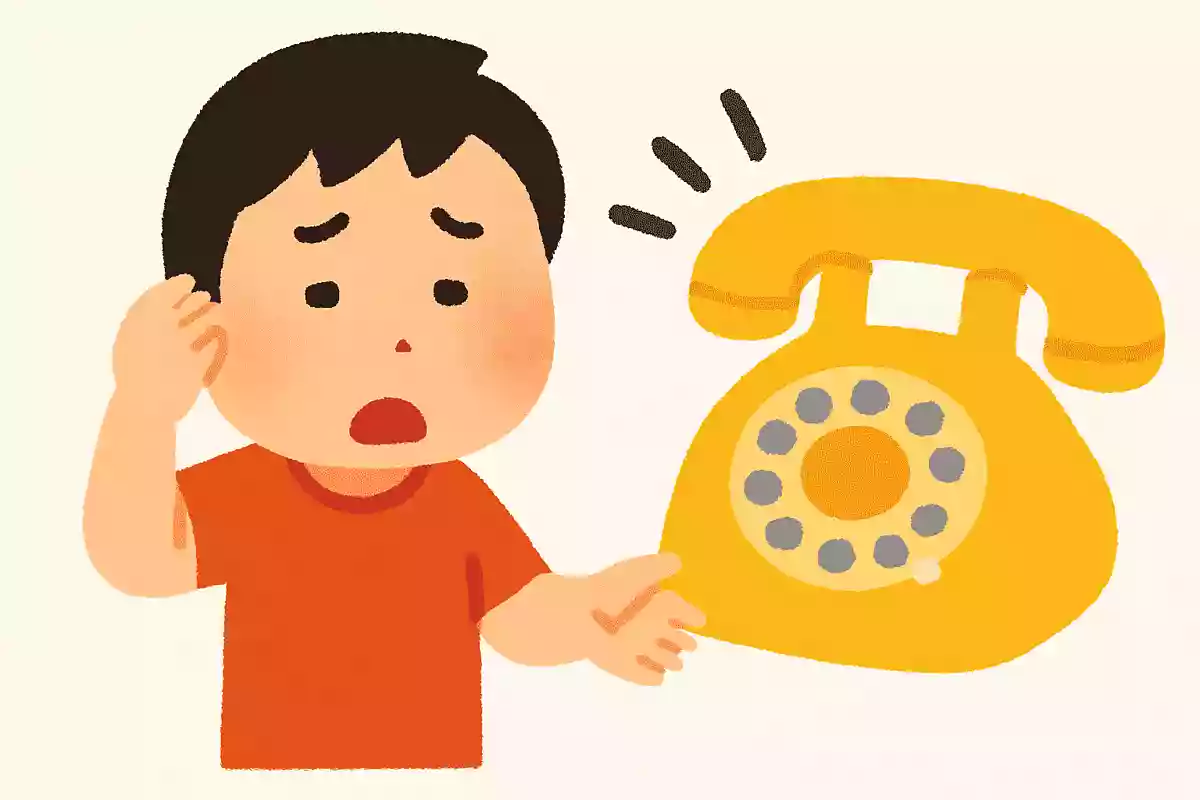
If you call your dad or mom, your teacher or your friends, they all answer you, right? But in this world, there are things that won’t respond no matter how much you call them… What are they? The answer is something you all know well.
The key to solving this riddle is to focus on the hiragana word yondemo.
First, try converting it to kanji.
If you try different options like 呼んでも (even if you call) and 読んでも (even if you read), you’ll arrive at the answer.
By the way, the correct answer is “a book.”
An elevator that can hold ten people broke and fell. Yet no one was injured. Why is that?
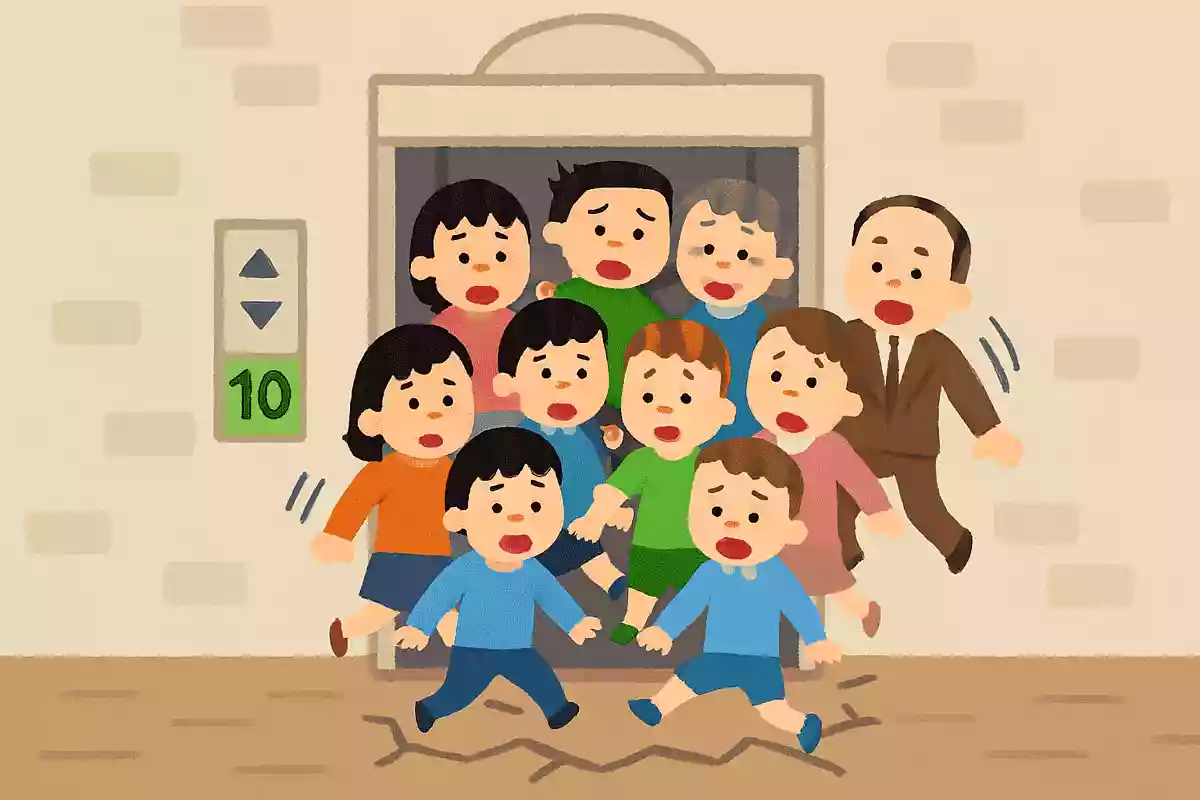
See the answer
Because no one was riding (it)/Because nobody was on it.
If an elevator breaks and falls down, normally you’d expect serious injuries, but the key point here is that no one was inside at the time. It says it’s for ten people, but it doesn’t say anyone was riding it. In other words, no one was in the elevator, so no one was injured.

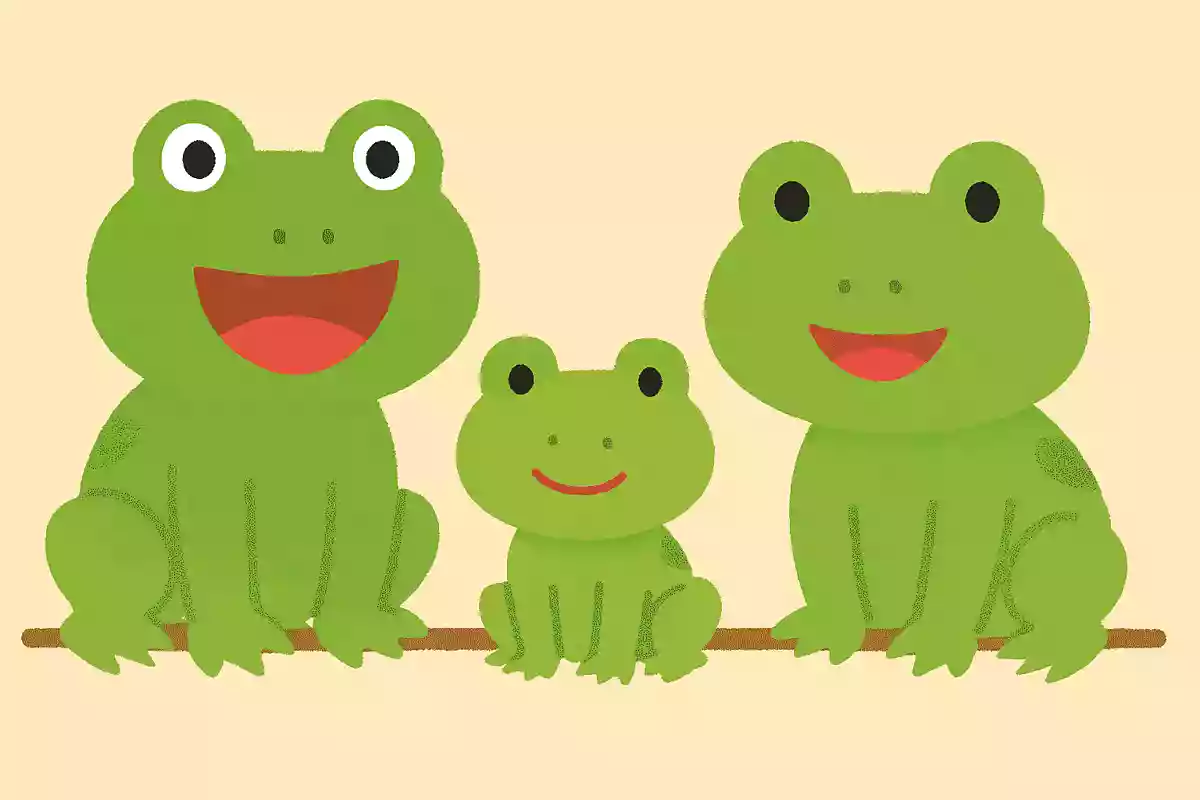
Daddy frog goes ribbit-ribbit-ribbit, Mommy frog goes ribbit-ribbit, so what sound does the baby frog make?
See the answer
I won’t cry.
Young frogs are still in the tadpole stage, so they can’t croak like adult frogs. That’s why the answer is “they don’t cry/make sounds.” Comparing them to the calls of their father and mother helps you notice the differences in development. Not only appearance but also whether they can make sounds is a point of growth.
Riddles for Upper Elementary Students! A Fun Collection Adults Can Enjoy Too (21–30)
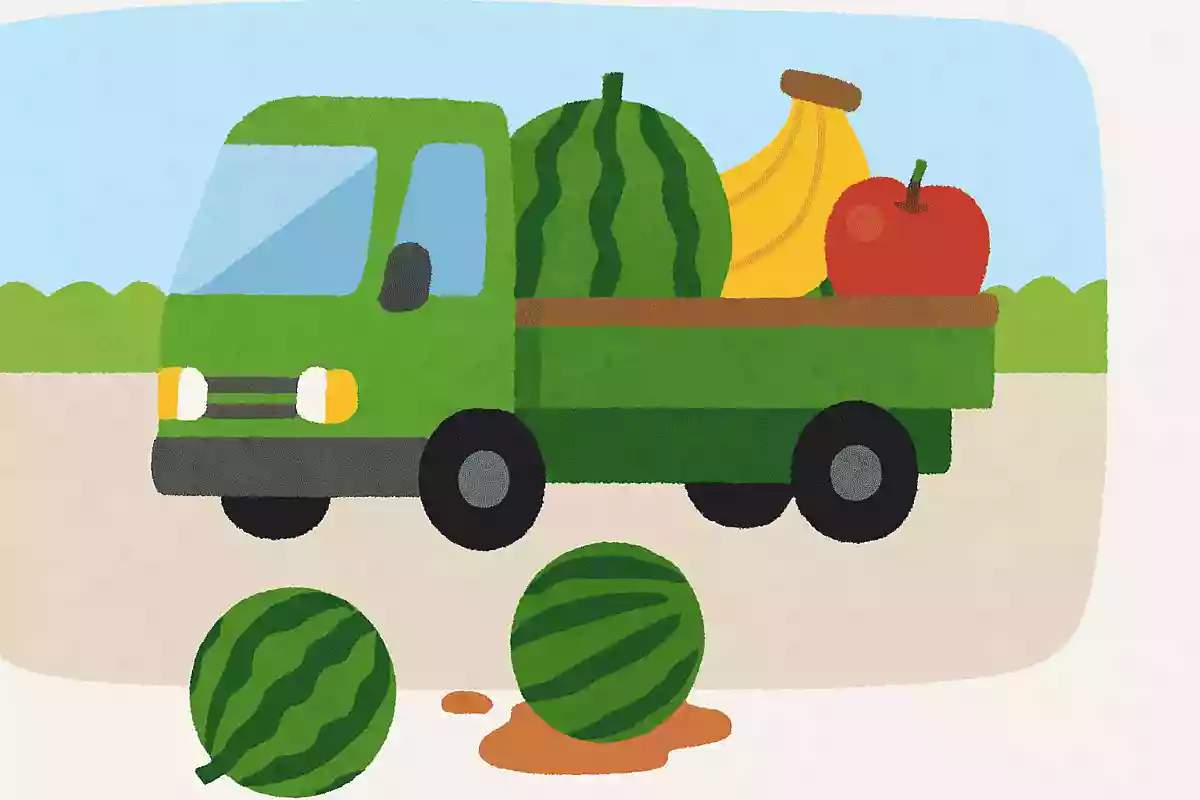
A truck loaded with watermelon, bananas, and apples dropped something. What did it drop?
See the answer
speed
What the truck dropped was not the fruit it was carrying, but its speed (velocity). This indicates that the truck suddenly slowed down. In other words, even if it was loaded with watermelons, bananas, and apples, what actually gets dropped isn’t the cargo, but the speed of its movement.