

Riddles for Upper Elementary Kids: A Fun Collection That Adults Can Enjoy Too

As children reach the upper grades of elementary school, they learn a lot and develop stronger thinking skills.
They spend more time playing with friends and expressing their opinions.
A distinctive feature of this stage is strong curiosity, and many children start discovering their own hobbies.
It’s also an important time for nurturing the ability to think deeply about things.
With that in mind, here we’ll introduce riddles that match the upper-grade level and help cultivate thinking skills while having fun.
Riddles use logical thinking and can be enjoyed together with friends.
There are plenty that adults can enjoy too, so be sure to give them a try together!
- Recommended for upper grades! A fun, educational quiz for elementary school students
- For elementary school kids! Fun riddles recommended for the middle grades
- [Advanced Level] Difficult Riddles for Elementary School Students
- Fun Quiz Collection Guaranteed to Stump and Delight Elementary School Kids
- Fun quizzes for elementary school kids: a collection of questions everyone can enjoy together
- For elementary school kids! Fun and amusing riddles everyone can enjoy together
- For elementary school kids! Fun riddles recommended for lower grades
- Fun trick riddles you can enjoy in elementary school!
- For upper elementary school students! A lively and educational true-or-false quiz
- Recommended riddles for elementary school students. A collection of kid-friendly riddles.
- Fun for adults too! Trick questions for elementary school kids
- [For Elementary School Students] Recommended Riddle Collection
- A multiple-choice quiz with three options for upper elementary students. Fun questions that build thinking skills.
Riddles for Upper Elementary Schoolers: A Fun Collection Everyone Can Enjoy (41–50)
Riddles for advanced users (if you can solve them)

Let’s develop concentration and thinking skills! Here are some ideas for riddles that are challenging even for advanced solvers.
To solve riddles, you need to think carefully and take your time, right? At first glance, the time spent thinking may seem like you’re just playing with riddles, but it’s actually a wonderful opportunity to cultivate various abilities.
This time, let’s try some advanced-level riddles.
For example, you might encounter a question like, “Which country is particular about curry roux?”
Can you get it? All 15 questions.

Can you guess them? Here are 15 riddle ideas.
Some families might even hold quiz tournaments during their time together.
This time, let’s try riddles that read the text aloud.
It’s great because kids who find reading difficult can join in too! For example, there’s a question like: “What is the game you play using rock, paper, and scissors?” Try aiming for a perfect score on all the questions!
15 Autumn Riddles

It’s great for learning, too! Here are 15 riddle ideas.
Riddles, where you read the question and use your imagination to figure out the answer, are said to have a positive effect on brain activity.
This time, let’s try 15 riddles you’ll want to tackle with friends and family.
For example, there’s a question like: “It’s an oni (demon), but what kind of oni can you eat?” The questions are also read aloud, so it’s nice that two or more people can join and compete.
What animal gets lighter when you flip it over?
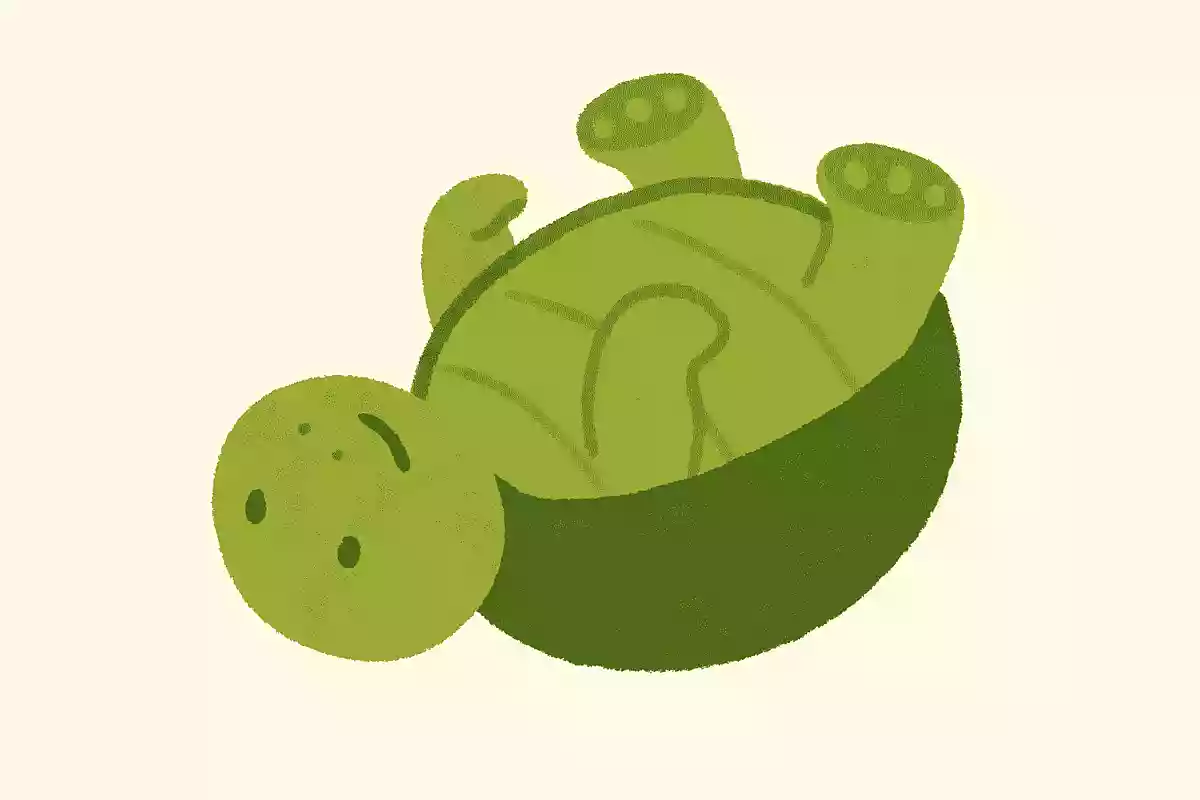
An animal that gets lighter when flipped over… Just imagining various animals flipping over makes you feel warm and fuzzy, doesn’t it? But no matter how many real animals you flip, you won’t reach the answer! And since there are so many animals, guessing at random won’t help much either.
The key to solving this riddle is to focus on the crucial word “karui” (軽い), meaning “light.”
When written in katakana, it’s “カルイ” (karui).
If you flip it—i.e., read it backward—it becomes “イルカ” (iruka), which means “dolphin.” So the answer is “dolphin.”

What kind of shellfish is a shellfish that’s taking a bath?

Speaking of shellfish, many of you have probably eaten clams, turban shells, or abalone at least once.
Some of you may have gone clam digging, caught and eaten shells yourselves, or searched the beach for shells to use as craft materials.
Here’s a riddle about shellfish.
We usually think shells live in the sea, but apparently they’re in the bath, too.
However, since this is a riddle, thinking about the biology or types of shellfish won’t help.
Start by taking “kai” as the keyword and associating it with things or words related to baths.
The answer is attakai (warm)!
What is something you use but cannot own?

Scissors, pencils, erasers, rulers… most tools you’re familiar with are basically things you hold in your hand to use, right? So let’s try a riddle: “What can be used but cannot be held?” You might think of various tools, but you won’t easily get the right answer if you only think in terms of “objects.” First, try considering things you can use that aren’t objects.
By the way, the answer is “your name.” You use it when introducing yourself or when you want friends to know about you, but you certainly can’t “hold” it.
Today is Monday. Tomorrow is Tuesday. What day is the day after tomorrow?
@20ennochoco Share voiceVoice LibraryFountain pen
♬ Slow and comical BGM(1083863) – Blanket
When trying to answer this question, wouldn’t most people say, “You’re supposed to answer Wednesday, but the trick is that the answer is Thursday!”? That’s what common sense suggests, right? In fact, if a small child answered that way, I’d be tempted to mark it correct—they’re being clever.
However, the answer is actually neither Wednesday nor Thursday.
The key to finding the answer is to focus on the word “asatte” in the problem statement.
Look closely: while “today” and “tomorrow” are written in kanji, “asatte” is written in hiragana… What does that imply?