

Riddles for Upper Elementary Kids: A Fun Collection That Adults Can Enjoy Too
As children reach the upper grades of elementary school, they learn a lot and develop stronger thinking skills.
They spend more time playing with friends and expressing their opinions.
A distinctive feature of this stage is strong curiosity, and many children start discovering their own hobbies.
It’s also an important time for nurturing the ability to think deeply about things.
With that in mind, here we’ll introduce riddles that match the upper-grade level and help cultivate thinking skills while having fun.
Riddles use logical thinking and can be enjoyed together with friends.
There are plenty that adults can enjoy too, so be sure to give them a try together!
- Recommended for upper grades! A fun, educational quiz for elementary school students
- For elementary school kids! Fun riddles recommended for the middle grades
- [Advanced Level] Difficult Riddles for Elementary School Students
- Fun Quiz Collection Guaranteed to Stump and Delight Elementary School Kids
- Fun quizzes for elementary school kids: a collection of questions everyone can enjoy together
- For elementary school kids! Fun and amusing riddles everyone can enjoy together
- For elementary school kids! Fun riddles recommended for lower grades
- Fun trick riddles you can enjoy in elementary school!
- For upper elementary school students! A lively and educational true-or-false quiz
- Recommended riddles for elementary school students. A collection of kid-friendly riddles.
- Fun for adults too! Trick questions for elementary school kids
- [For Elementary School Students] Recommended Riddle Collection
- A multiple-choice quiz with three options for upper elementary students. Fun questions that build thinking skills.
Riddles for Upper Elementary Students! A Fun Collection Adults Can Enjoy Too (21–30)
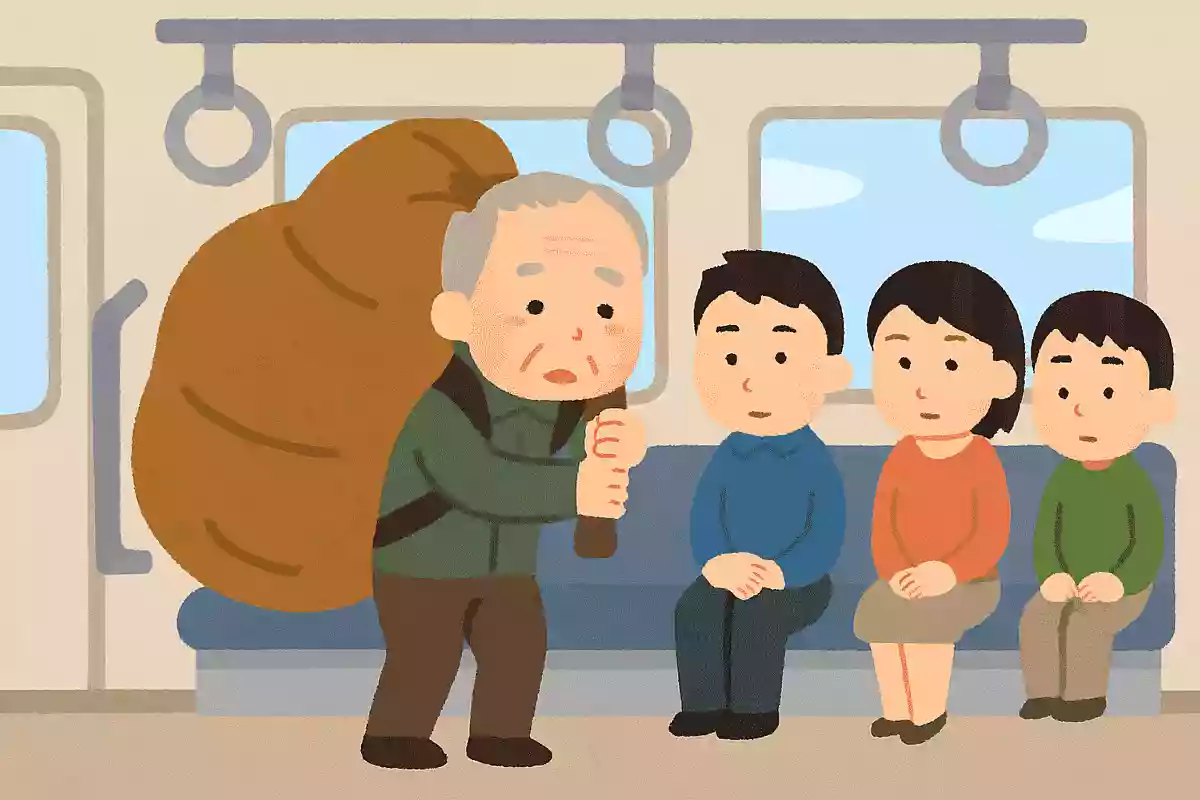
An elderly person carrying large luggage got on the train. But no one offered their seat. Why do you think that is?
See the answer
Because there were many seats available.
The reason the people around didn’t offer their seats when an elderly person carrying large luggage got on the train was that there were plenty of empty seats to begin with. In other words, the elderly person could sit wherever they liked, so there was no need for anyone to go out of their way to give up a seat.

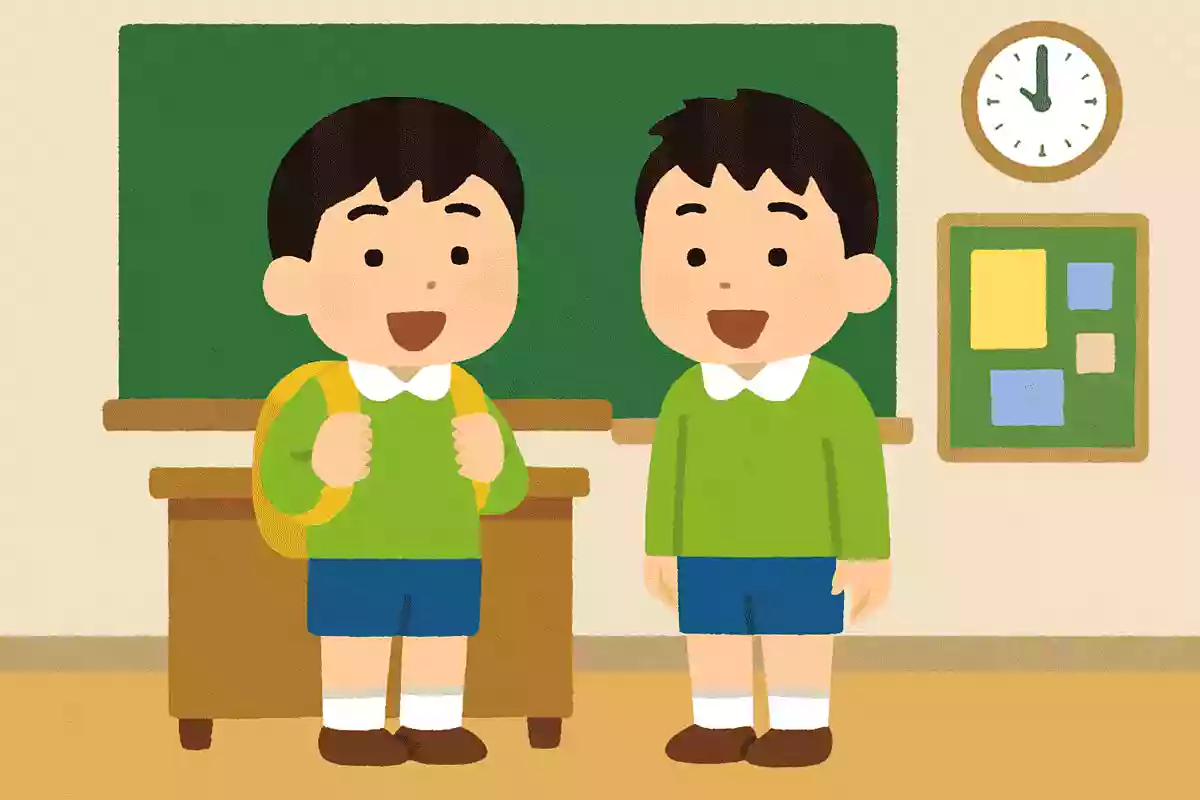
Taro and Jiro are brothers born on the same day in the same year, but they are not twins. Why is that?
See the answer
Actually, I'm a triplet.
Taro and Jiro were born on the same day in the same year and are siblings, but they are not twins. That’s because they are actually two of a set of triplets. In the case of triplets or larger sibling sets, two of them alone are not called “twins,” which leads to this answer.
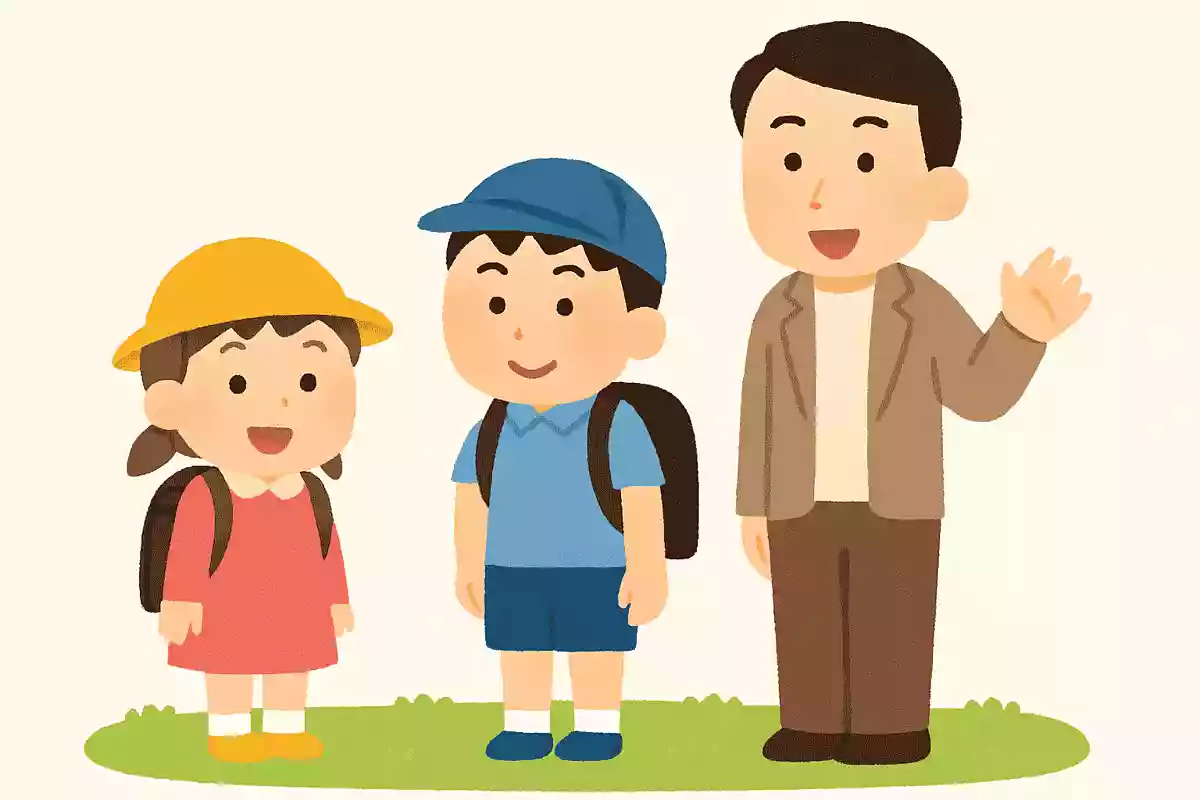
Among kindergarteners, elementary school students, and adults, which is the biggest?
See the answer
kindergarten
A kindergarten isn’t a person; it’s the name of a building. Elementary school students and adults are people, but a kindergarten is a large building that many people can enter. So if you compare sizes, the kindergarten is the biggest. The key to this riddle is noticing the meanings of the words.
What are the two things a younger brother has but a younger sister has only one of?
See the answer
The hiragana “to”
The word otōto (younger brother) contains two instances of the syllable “to,” while imōto (younger sister) contains only one. Both are family terms, but in this riddle the key is not their meanings—it’s the letters within the words. If you look closely at the words and consider which characters appear and how many times, you’ll arrive at the answer.
Trick Quiz Challenge
@igosso.youtube♪ Original Song – Igossou [YouTube] – Igossou [YouTube]
Let’s take on trick-question challenges with a flexible mindset.
In everyday life, are there things you take for granted? By trying these quizzes, you’ll develop the ability to see things from different angles.
Read each problem carefully and think based on the words and content presented.
When creating problems, making them easy for others to visualize may make them even more misleading in a fun way.
Let’s analyze patterns in language and thinking to come up with interesting quizzes.

A quiz that trips up 99% of people

Quizzes that 99% of people get tripped up by are designed to test your thinking skills and concentration.
Try solving the carefully crafted questions by thinking them through.
You won’t get them just by looking—read carefully, think, and be careful not to fall for the traps.
It’s also a good idea to set a time limit when the questions are presented, or discuss them in a group to come up with answers.
Sometimes the obvious answer turns out to be a trick, so approach them carefully.
English riddles
Let’s try using English! Here are some ideas for English riddles.
Maybe you’re thinking, “I’m working on my English!” or “I want to make use of my strong English skills!” This time, let’s take on some English riddles.
If you pay attention to grammar and word choice, you can deepen your learning while having fun.
It’s also a great idea to make your own simple questions using words you already know.
Try giving your original riddles to your friends and family!