

Commonly Confused! A Summary of Homophones with Different Meanings

Have you ever felt confused by words that are pronounced the same but use different kanji and have different meanings when you’re writing or reading a book? Japanese has many “homophones,” compound words that share the same reading but carry different meanings.
Some of you may have even made a conversion mistake and felt embarrassed.
If you properly understand the meaning of each word, your expressive power will become much richer! In this article, we’ll highlight commonly mistaken homophones.
Be sure to make use of them in school classes and business settings!
- [Interesting] Summary of Kanji Reading Quiz Questions
- [Hard-to-Read Quiz] Single-character difficult kanji — including surprisingly simple ones!
- A quiz of interesting obscure kanji: characters that look easy but are hard to read
- Interesting four-character idioms for elementary schoolers! Words you'll want to use once you understand their meanings
- Surprisingly tricky! Check your general knowledge with a four-character idiom quiz
- Kansai dialect quiz roundup: origins and example sentences included!
- A quiz on how to read obscure kanji: words that become difficult when written in kanji.
- Amusing four-character idioms you’ll want to use right away! A collection of expressions to remember as general knowledge.
- Quiz on things whose names differ between the past and now. Differences between old terms and modern terms.
- A quiz that seems easy but is actually hard: trick questions that make you think flexibly
- The world’s toughest! A collection of insanely hard-to-read kanji
- Learn the meanings too! Cool four-character idioms that elementary school students will want to remember
- How many can you read? Test your trivia skills with a brain-twisting ateji quiz!
Surprisingly Easy to Get Wrong! Summary of Homophones with Different Meanings (1–10)
“Relocation” and “Personnel Transfer”NEW!
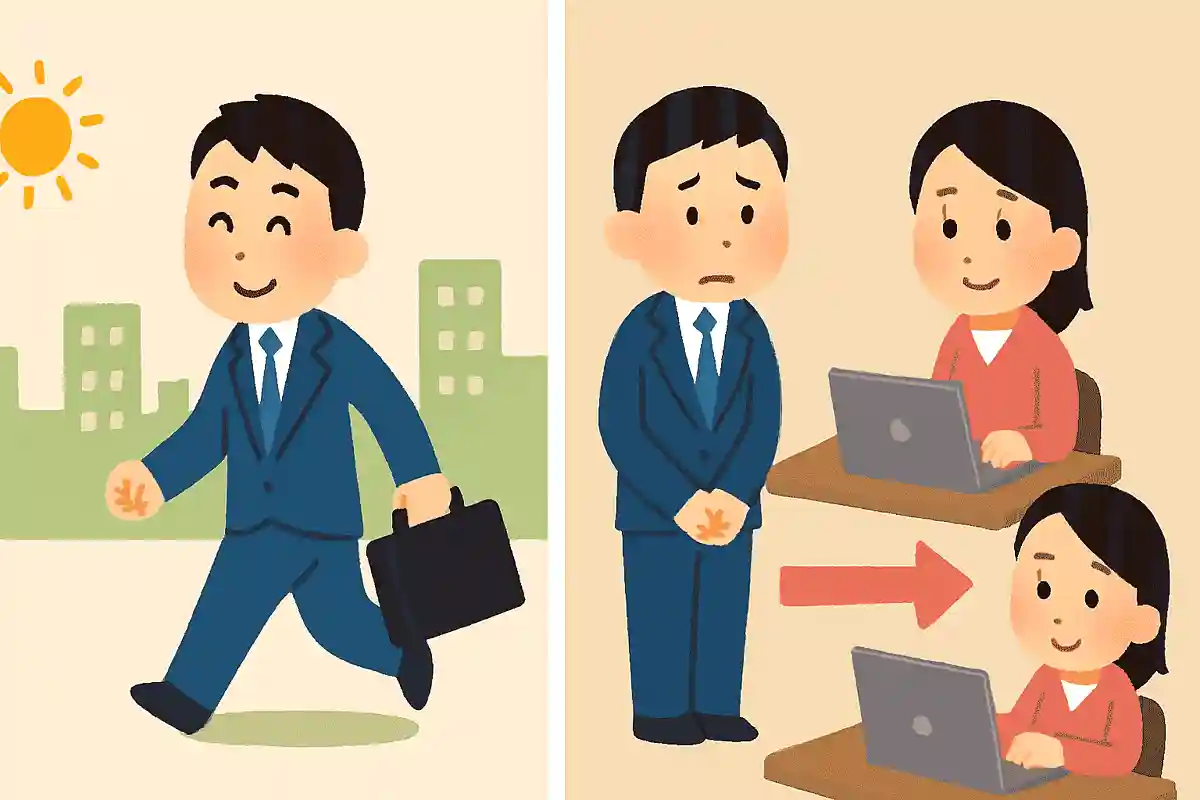
Most instances of “いどう” that come up in everyday conversation—like “moving the chopsticks’ position” or “the clouds are moving slowly”—are written as 移動 (moving/relocating).
By the way, it seems many people do furniture rearrangement—i.e., moving furniture around—during the “change of seasons,” such as in spring or autumn.
The other idou, 異動, is probably a frequently used term for people who work at companies.
It’s used when your work location, title, or department changes—like a transfer to the Tokyo head office or a transfer to the accounting department.
If there’s going to be a transfer, I hope it’s the kind that makes everyone happy.
“Threat” and “Wonder”NEW!
Since we started using computers and smartphones, many of us have left kanji conversion entirely to digital tools.
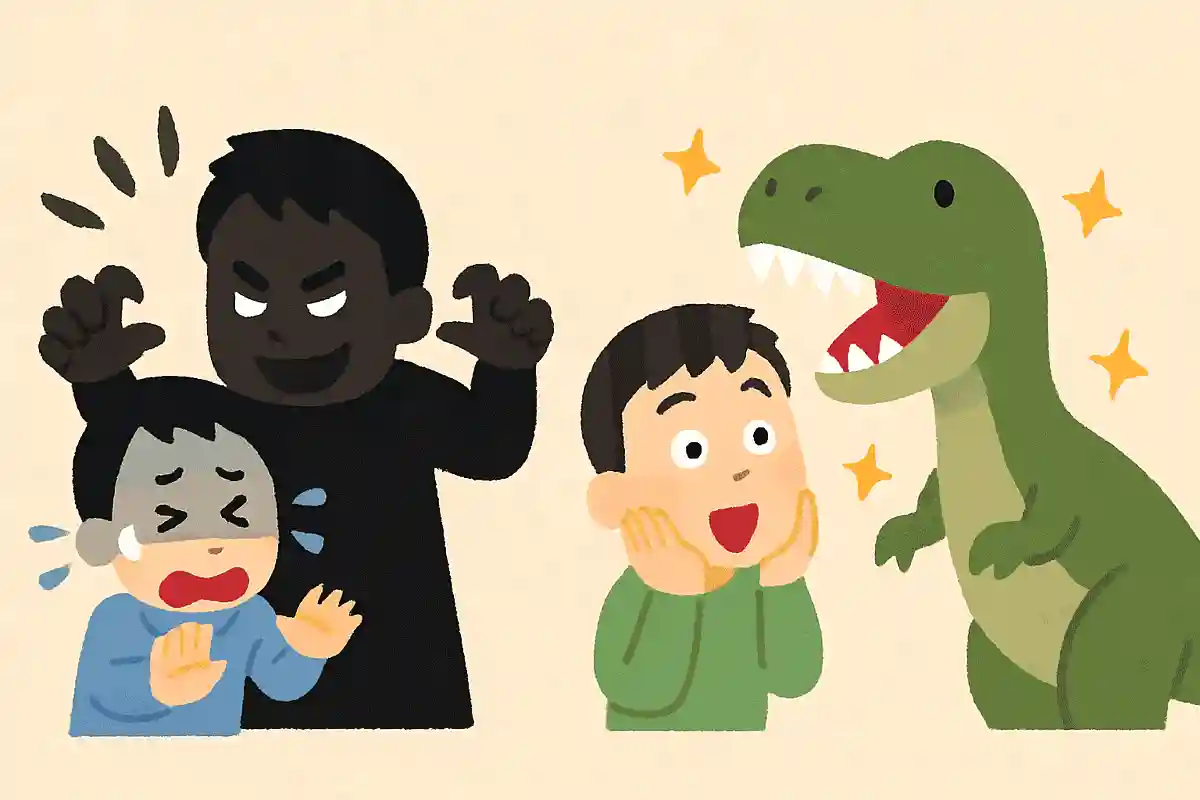
Some people may even feel disappointed, thinking, “I used to be good at kanji….” The term kyōi (脅威) is used for something frightening that makes you feel in danger.
On the other hand, 驚異 (also kyōi) expresses strong amazement at something mysterious or wonderful.
The word kyōi often appears in newspapers and TV commercials.
It’s interesting that, although they sound the same, their meanings are quite the opposite.
“Confidence” and “oneself”NEW!
Both are relatively simple words that are usually learned by the middle grades of elementary school, but personally I feel they might be kanji that often suffer from typos or conversion errors.
There are also pairs like “解放” and “開放,” or “体制” and “態勢.” What do you all think? Compared to other examples, this “じしん” is simpler in meaning.
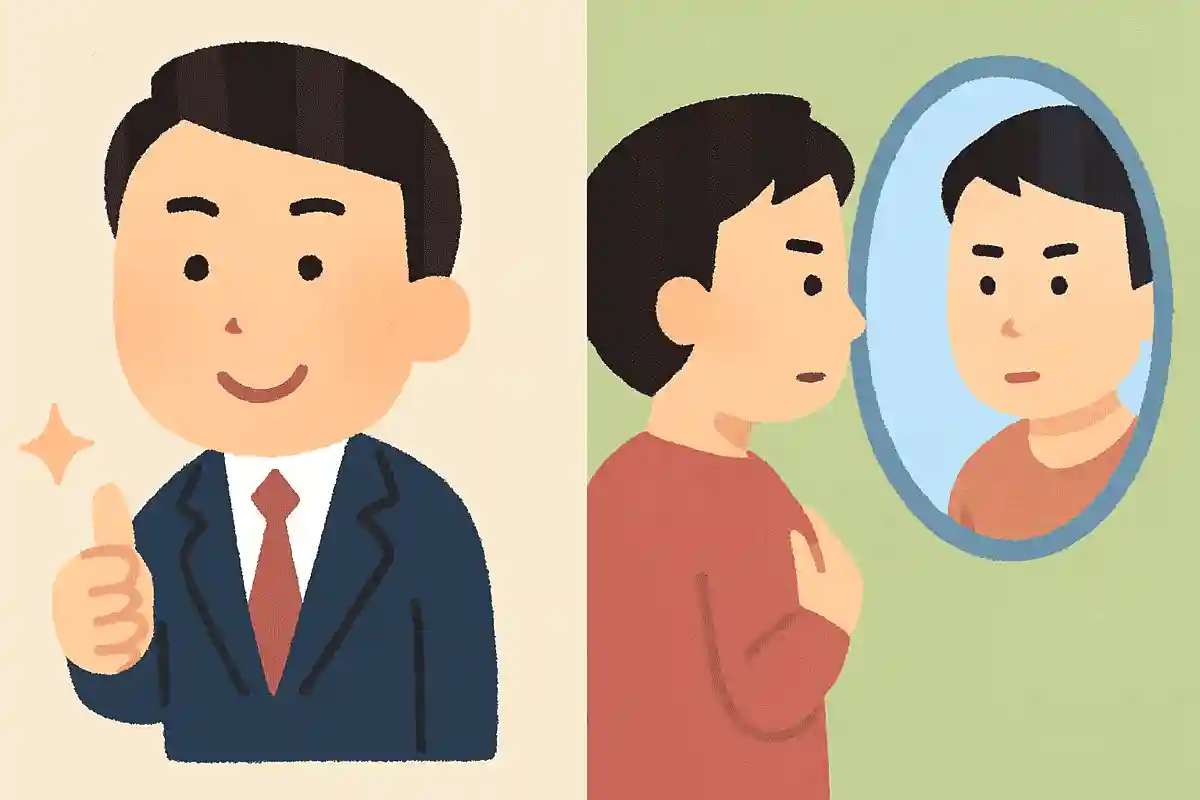
“Jishin” means “to be convinced that, with one’s own ability, one can accomplish something.” “Jishin” means “the person themselves.” If “jishin” often relates to the mind, “jishin” often relates to the body.
Surprisingly Common Mistakes! A Summary of Homophones with Different Meanings (11–20)
“Appropriateness” and “aptitude”NEW!
You often see both kinds of tekisei.
For example, in entrance exams for prefectural junior high schools, as well as at driving schools and in company hiring exams.
They’re the kind of thing called an “aptitude examination” or “aptitude test,” and many of you probably remember taking one in some form.
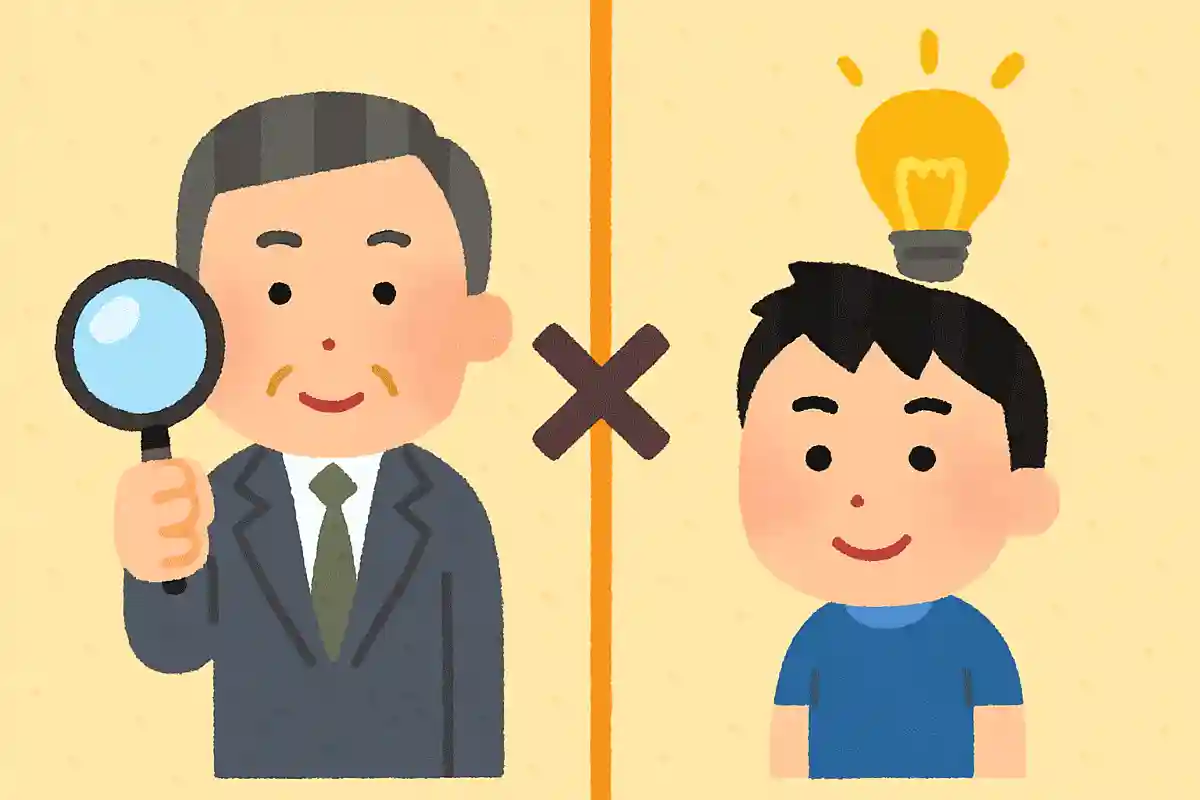
Tekisei (適性) refers to whether an individual’s abilities or personality are suited to a particular job or thing.
Put into words, it’s a bit tricky.
もう一方の語である「適正」は、「適正手続き」や「適正価格」といった語で用いられ、ルールに照らして正しいかどうかを示す。
Broadly speaking, you can think of the difference as “does it fit one’s disposition?” versus “does it comply with the rules?”
“Guarantee” and “Compensation”NEW!

There are many tricky cases where homophones share the same reading but use different kanji, like this instance of “hoshō.” For example, there are pairs like taisei (態制) and taisei (体勢).
With “hoshō,” there is actually a third kanji form, 保証, and this is the level that even appears on university entrance exams.
The “hoshō” we encounter in daily life tends to be the “compensatory” 補償, as in “damage compensation” (損害補償) or “compensation payment” (補償金), meaning making up for a loss.
On the other hand, hoshō often appears in contexts related to safety and rights, such as “social security” (社会保障) or “guarantee of human rights” (人権保障), which feels a bit broader in scope.
“Object” and “control”NEW!

There’s another compound word pronounced “taishō,” written as 対称, and it’s a must-know homophone for high school entrance exams.
I’m sure you studied it in junior high as well.
Of course, it’s not just for students—these kanji appear frequently in business settings as well, so take this opportunity to master them! 対象, which refers to the counterpart or target, corresponds to “target,” while 対照, which places two things side by side to suggest their differences, corresponds to “contrast.” Putting them into English clarifies the meanings, so this should also be useful for presentations at work.
“Liquidation” and “settlement/reconciliation”NEW!
You often see words like “seisan-ki” (payment machine), “seisan-mae” (before settlement), and “seisan-jo” (payment counter) around town, so I think “精算 (seisan)” shows up more frequently—but what about you? If you work at a company, you probably sign a lot of forms to get “精算” approved, too.
“Seisan” means to calculate and finalize the correct amount.
一方で、「清算(seisan)」はやや劇的な響きがあり、人間関係を断ち切ることや、金銭の債権・債務を清算することを意味して使われます。
Compared to “settlement,” it’s a term I’d rather not have to encounter, if possible.