


Have you ever felt confused by words that are pronounced the same but use different kanji and have different meanings when you’re writing or reading a book? Japanese has many “homophones,” compound words that share the same reading but carry different meanings.
Some of you may have even made a conversion mistake and felt embarrassed.
If you properly understand the meaning of each word, your expressive power will become much richer! In this article, we’ll highlight commonly mistaken homophones.
Be sure to make use of them in school classes and business settings!
- [Interesting] Summary of Kanji Reading Quiz Questions
- [Hard-to-Read Quiz] Single-character difficult kanji — including surprisingly simple ones!
- A quiz of interesting obscure kanji: characters that look easy but are hard to read
- Interesting four-character idioms for elementary schoolers! Words you'll want to use once you understand their meanings
- Surprisingly tricky! Check your general knowledge with a four-character idiom quiz
- Kansai dialect quiz roundup: origins and example sentences included!
- A quiz on how to read obscure kanji: words that become difficult when written in kanji.
- Amusing four-character idioms you’ll want to use right away! A collection of expressions to remember as general knowledge.
- Quiz on things whose names differ between the past and now. Differences between old terms and modern terms.
- A quiz that seems easy but is actually hard: trick questions that make you think flexibly
- The world’s toughest! A collection of insanely hard-to-read kanji
- Learn the meanings too! Cool four-character idioms that elementary school students will want to remember
- How many can you read? Test your trivia skills with a brain-twisting ateji quiz!
Surprisingly Easy to Get Wrong! Summary of Homophones with Different Meanings (1–10)
“Intrusion” and “Entry”NEW!
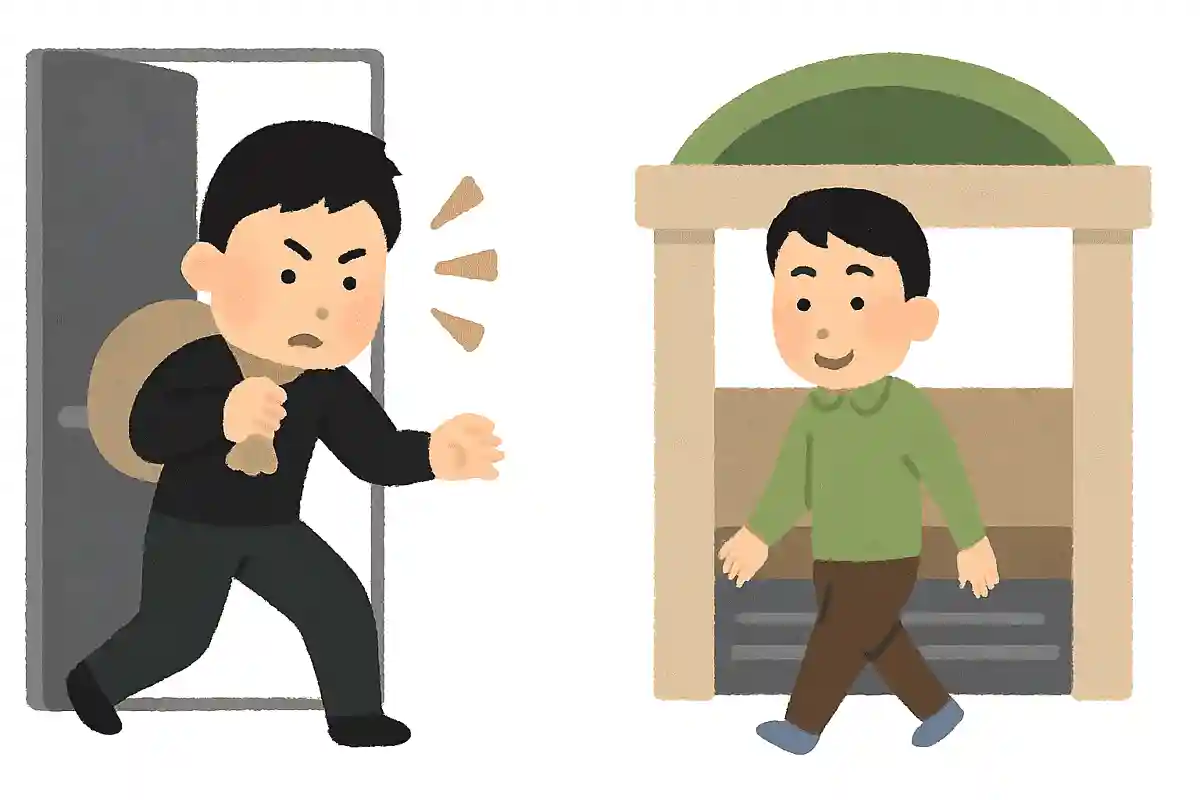
In those movies where aliens invade Earth, you always see the word “invaders.” In war films, when forces push into enemy territory, the word “invasion” is sometimes used as well.
In that sense, “intrusion” carries a nuance of “advancing into a place where one is not supposed to enter.” By comparison, “entry” has a somewhat more peaceful ring to it.
In everyday life, we often see terms like “entry route,” “no entry,” and “access road.” In dictionary terms, “entry” means “to proceed into a place that has been designated in advance.”
“Internal organs” and “Built-in”NEW!
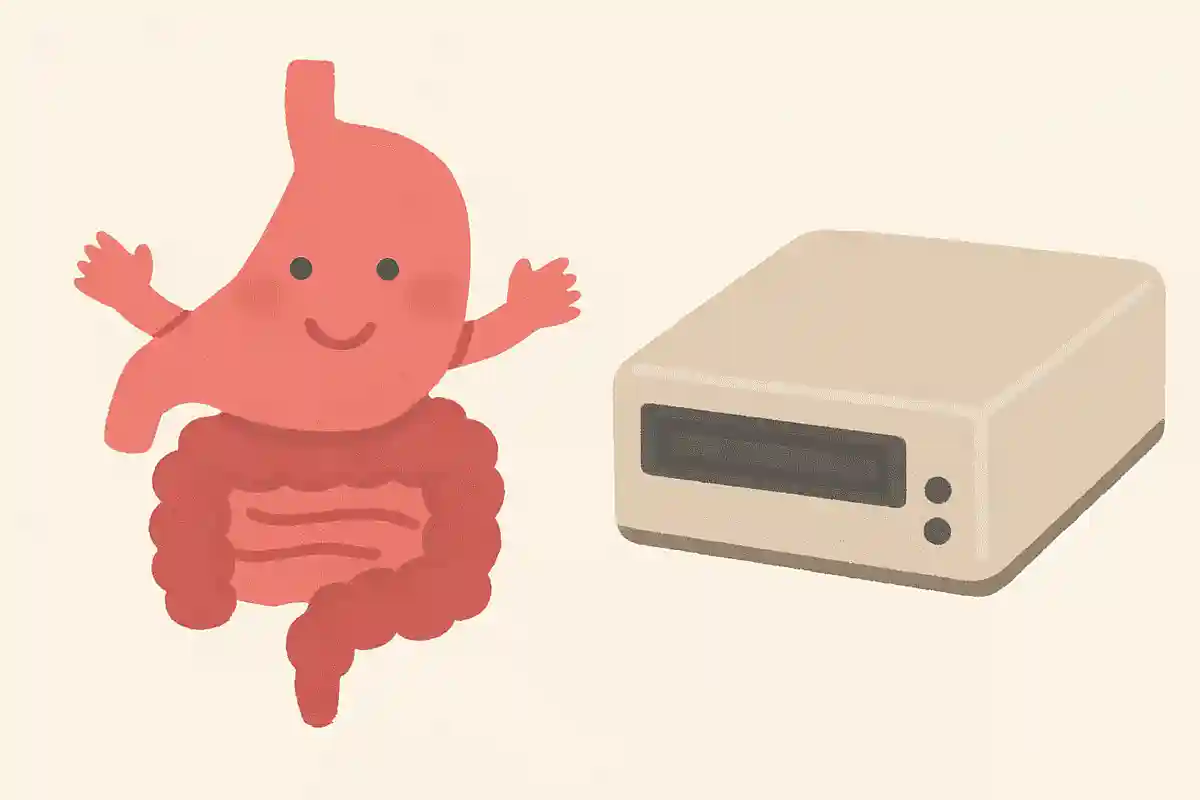
“Naizō” (内臓) refers to the organs inside the body, such as the heart, lungs, and stomach.
対照的に、「内蔵(ないぞう)」は、何かが別のものに組み込まれている、または内部に収められていることを表します。
For example, you might say “a mobile battery with a built-in cable.” At a glance, the characters look similar, and when spoken aloud, most people won’t notice the difference.
Also, in both cases the meaning involves something being inside.
Because they’re so similar, it may help to remember that when referring to organs inside a living being, you use the one with the “meat” radical (月) on the left.

Creation and ImaginationNEW!
When you see the word “creation,” those of us in the older generation might think of the spectacular film The Bible: In the Beginning.
The grand sets built in an era before widespread CGI are truly impressive and awe-inspiring.
If you haven’t seen it, it’s definitely worth a watch.
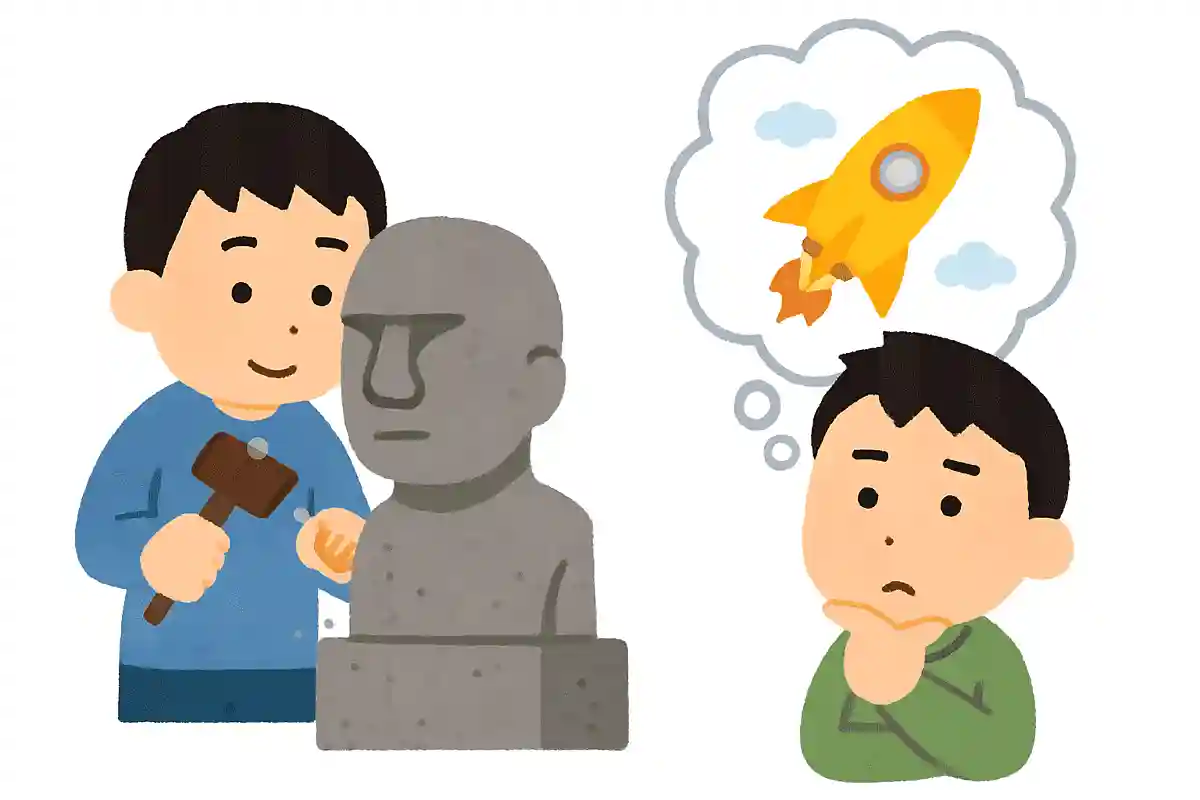
As the phrase “The Creation” suggests, sōzō (創造) means “to make something new.” On the other hand, sōzō (想像) corresponds to the English word “imagination”: envisioning things that don’t exist in reality or aren’t in front of you.
Both are positive words—we should use them often.
“Process” and “Itinerary”NEW!

If you enjoy English, you might even have fun looking for homophones—words that sound the same but have different meanings—like right and write, or two and too.
If that piques your interest, give it a try.
ここで見ている「こうてい」は、漢字の「工」と「行」からその意味を示唆しています。
Kōtei written as 工程 refers to the order of operations, assembly steps, or a plan.
対照的に、行程は目的地までの距離、旅行の旅程、または旅の詳細を意味します。
It’s also interesting that both words include the character 程, which lends them a shared nuance of “schedule.”
“minimum” and “fewest”NEW!
@japanese_teacher_mari 最小・最少・最低Translation#JapaneseStudy#japaneselearning#japaneselanguage#nihongonobenkyou#japaneselesson#learnjapaneseTranslationI'll do my best studying Japanese.#nihongoclass#japaneselearner#japanesevocabularyTranslation#learningjapanese
♪ Original song – Mari – Mari
When studying English, you inevitably come across the difference between “many” and “much.” Their usage changes depending on whether they modify countable or uncountable nouns, and the difference between saishō (最小) and saishō (最少) is similar.
Saishō (最小) is used to indicate size for tangible things or range for intangible things.
On the other hand, saishō (最少) is used when the number of countable items is small.
In English terms, the former would be “smallest,” and the latter would be “least.”
“Digestion” and “fire extinguishing”NEW!
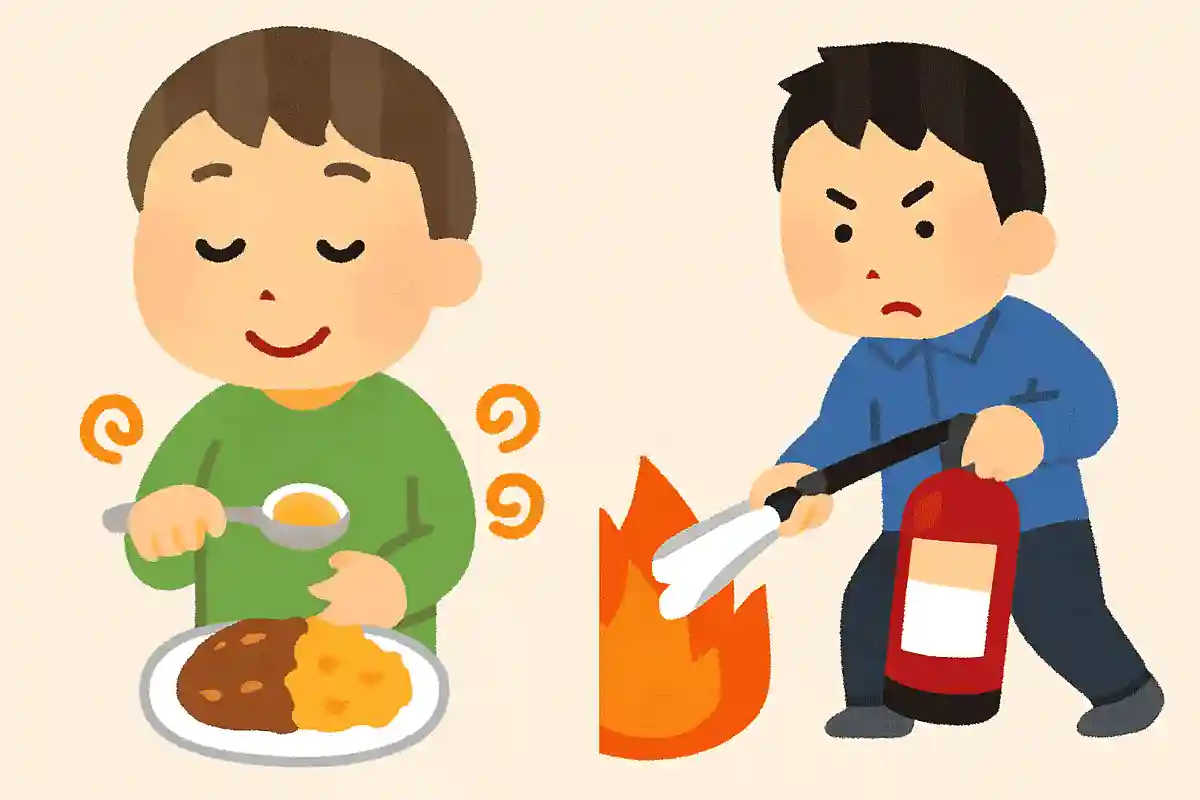
There are words that we know on the surface, but when asked to explain their meaning, we find ourselves at a loss—surely you have some like that too.
The term shōka written as 消火 is fairly clear: it means “to extinguish a fire.” You probably see it often in print, like in “fire extinguisher” (消火器) or “fire suppression equipment” (消火設備).
一方で、「消化」と書くしょうかの場合は、「えーっと、食べ物がお腹の中で溶けること?」のように、少し自信なさげな答えが返ってくるかもしれません。辞書的には、消化は「あるものを取り入れて動物の血肉とすること」のほか、「処理する」「理解する」という意味もあります。気になるなら、「昇華(sublimation)」と綴るしょうかも調べてみてください!
“Objection” and “significance”NEW!

The hugely popular game series Ace Attorney from Capcom is something many of you have probably heard of at least once.
Just as famous as the game’s title is the iconic line “Objection!” It often pops up on social media as a funny image, so I bet many of you know it.
「異議」という言葉のとおり、igi(異議)は反論や受け入れられないものを意味します。
On the other hand, igi (意義) means value or significance.
By the way, the character 議 refers to discussion, while 義 represents correct principle.