

Trivia about hydrangeas. A collection of fun facts related to ajisai (hydrangeas).


Hydrangeas are a common sight in parks, city streets, and temples once the rainy season arrives.
They come in a variety of colors—blue, purple, red, and more—and many people find their rain-dappled appearance especially charming.
In this article, we’ll introduce a collection of fun facts about hydrangeas, a quintessential symbol of early summer.
We’ve gathered information from various angles, including the structure of hydrangeas, the origin of their name, and the reasons behind their colors.
We hope this article inspires you to learn more about hydrangeas.
After reading, be sure to go out and observe real hydrangeas for yourself!
- [For General Audience] Little-Known Trivia and Fun Facts About Hay Fever
- Fireworks Trivia & Fun Facts Summary
- Rainy season trivia roundup: fun facts you'll want to share with someone
- [Snake Quiz] Surprisingly fascinating once you know! Snake ecology & characteristics
- Trivia & fun facts about June
- Trivia about cherry blossoms: a roundup of fun facts to make springtime hanami even more enjoyable
- Collection of trivia and fun facts about stars shining in the night sky
- Learn to Love the Rain! Fun Facts & Trivia Quiz about the Rainy Season for Kids
- Let's take on a four-choice quiz that everyone can enjoy together!
- Useful right away in daily life! Surprising trivia and handy tips
- [3-Choice Quiz] Cherry Blossom Trivia You'll Want to Share with Someone
- Let’s learn more about hydrangeas! Trivia quiz and fun facts about hydrangeas for kids
- [Rain Songs] Songs to listen to on rainy days. A special feature on Japanese rain-themed songs [2026]
Hydrangea trivia. A collection of fun facts about hydrangeas (21–30)
The leaves of the oakleaf hydrangea are shaped like oak leaves.
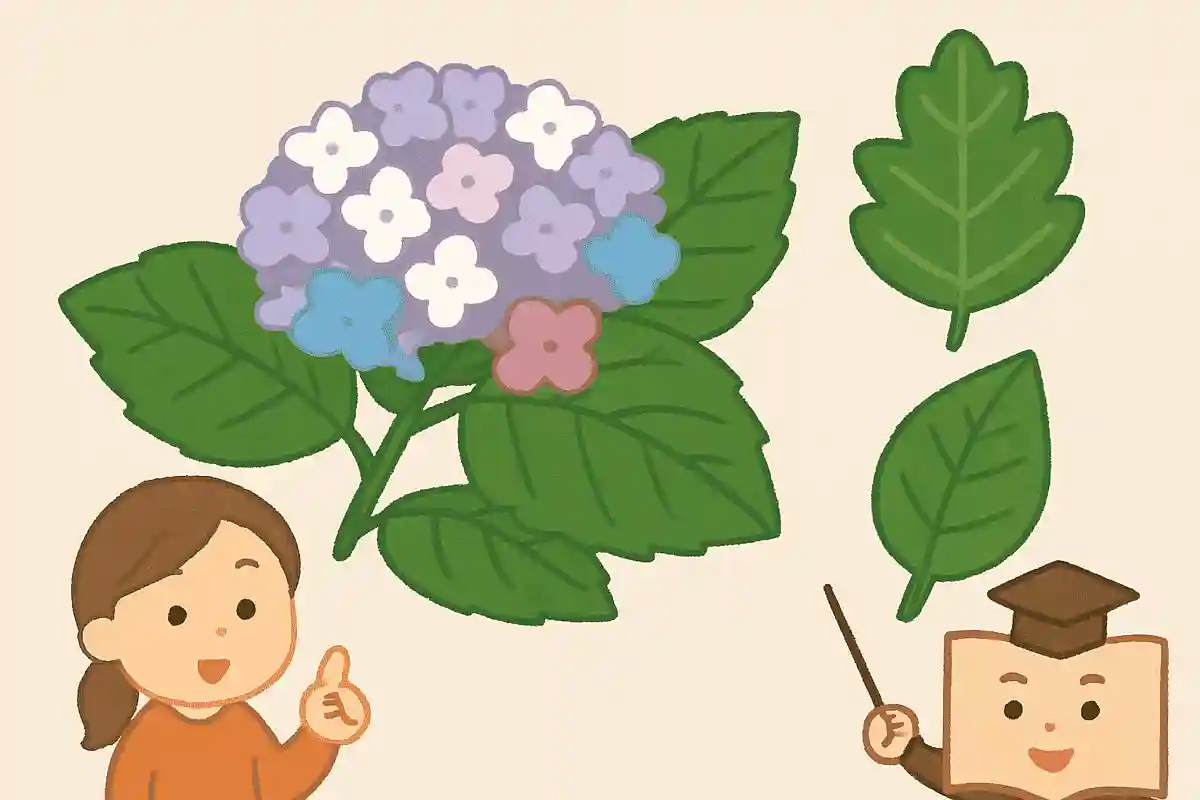
Oakleaf hydrangea is a member of the hydrangea family, but its leaves resemble oak leaves, and its flowers don’t form round clusters like typical hydrangeas; instead, they take on a pyramidal shape.
Some of you may have looked at it and wondered if it was really a hydrangea.
It is said to be native to the eastern part of North America.
It comes in various colors, but you may be familiar with the white varieties Snow Queen and Snowflake.
The flowers are beautiful, and in autumn the leaves turn a Bordeaux red, which is lovely as well.

The world’s largest hydrangea is the ‘Fujikisshō Winter-blooming Hydrangea.’
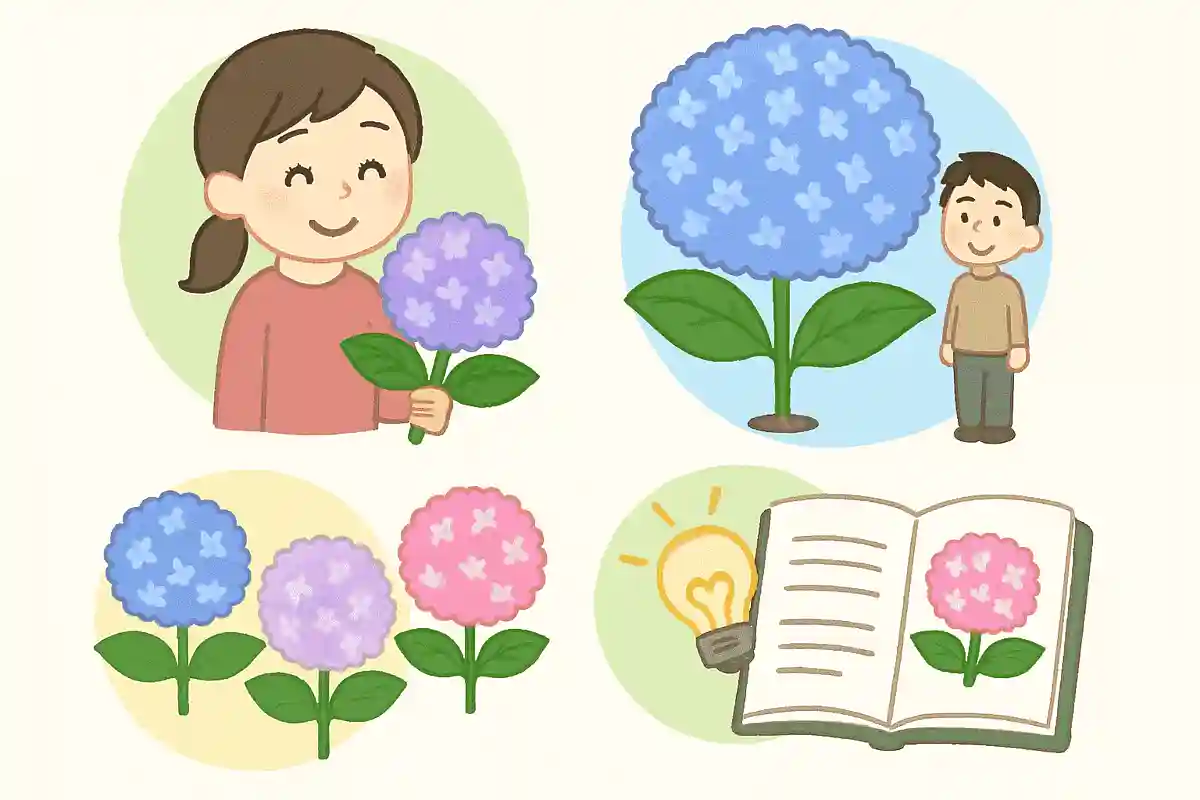
The world’s largest hydrangea is a winter-blooming variety called “Fuji Kissho Fuyuzaki Ajisai.” Amazingly, its double flowers can reach 30 cm in diameter—quite large! And although hydrangeas are typically associated with the rainy season, this one blooms in winter, so you can even have it flowering for New Year’s.
It really stands out as a New Year’s decoration and is beautiful.
This hydrangea is said to be a cultivar developed over 25 years by Toyokazu Ichie, who contributed greatly to hydrangea breeding in Japan.
It’s a hydrangea I’d love to see with my own eyes at least once.
Popular as flowers to give on Mother’s Day
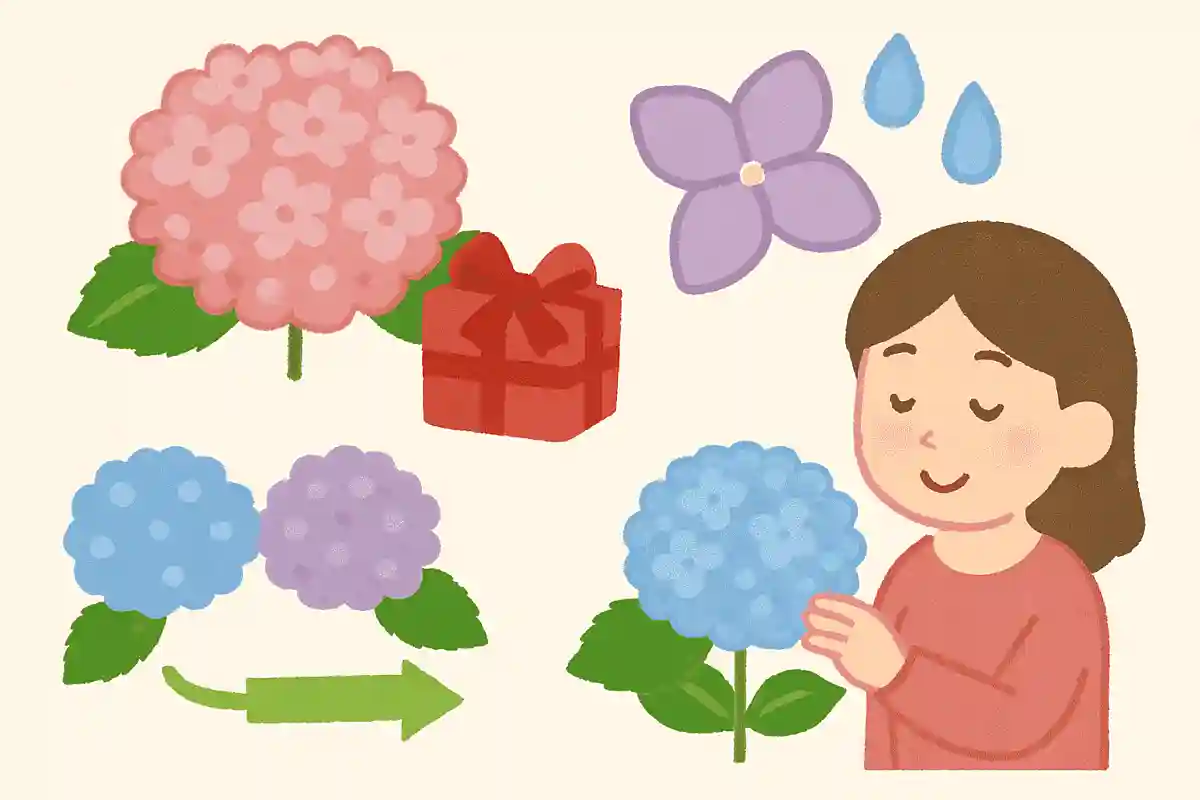
We tend to think each flower has just one meaning, but in fact the meaning can change depending on the color or the number of stems you give.
Hydrangeas are one such example, with many meanings like “fickleness,” “patience,” “harmony,” and “infidelity.” Among them are meanings such as “family” and “cozy family time,” which is why hydrangeas are also popular as Mother’s Day gifts.
Another reason is that their blooming season overlaps with Mother’s Day and the flowers last a long time.
Carnations are, of course, a lovely choice, but how about switching things up a bit and giving hydrangeas instead?
There was a confection called “hydrangea senbei.”
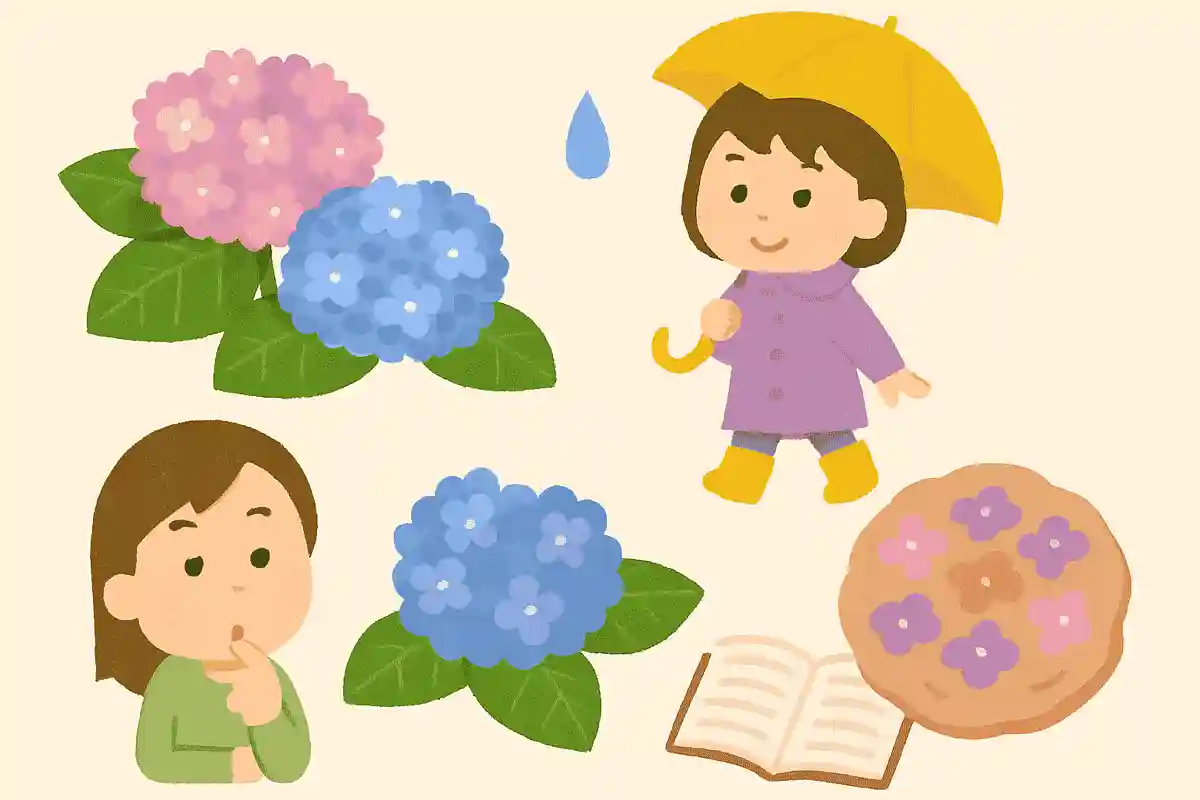
The beautiful shapes of flowers make you want to use them as motifs for sweets, don’t they? In fact, flower shapes are used in many contexts, both in Japanese and Western confections.
There’s even a sweet that not only takes hydrangeas as its motif but also uses them in its name.
Called “Ajisai Senbei,” it was created because the hydrangea is the official city flower of Shinjō in Yamagata Prefecture.
It’s a popular cookie with a rich almond and sesame flavor.
Its round shape is reminiscent of a hydrangea.
There is a hydrangea cultivar called “Hinamatsuri.”
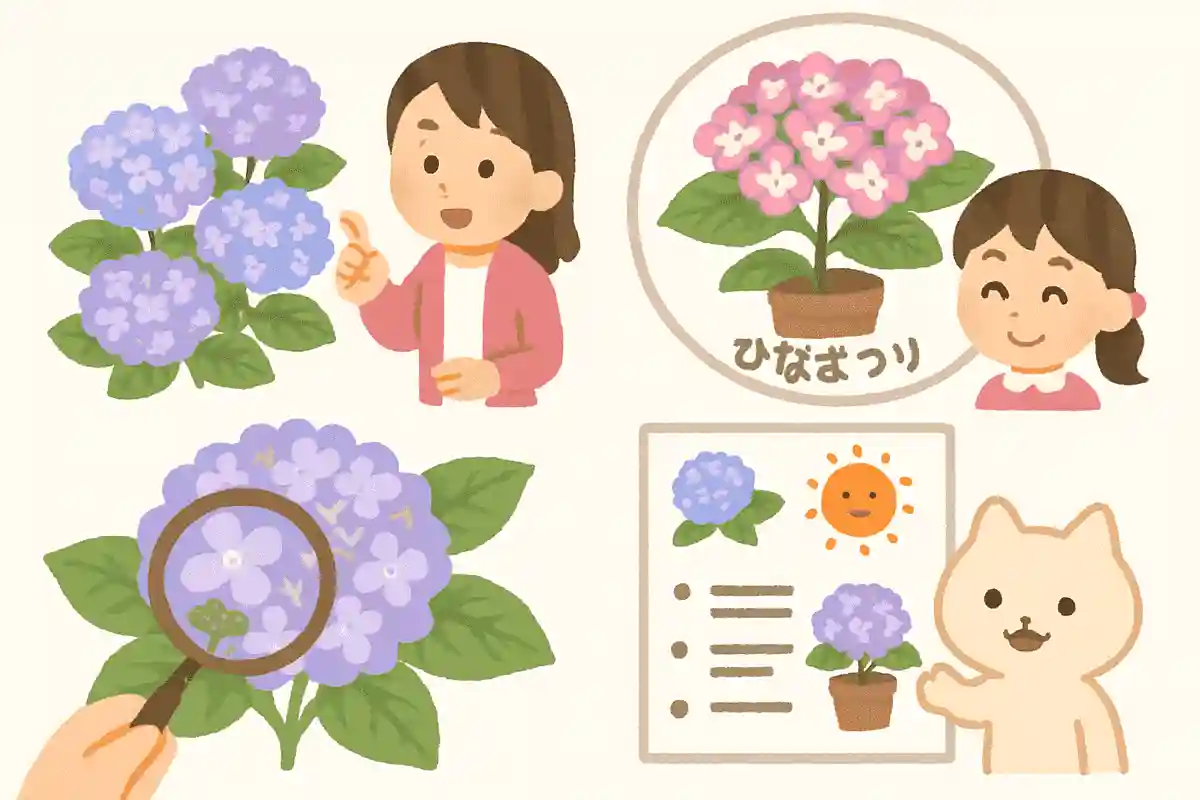
Hydrangeas originally come from Japan, but their beauty carried them to the West, where many cultivars were developed.
Did you know there’s a hydrangea variety called “Hina Matsuri” (Doll Festival)? It might seem a bit odd to have that name for a flower that blooms during the rainy season.
The name is said to come from its star-shaped, double-petaled blossoms, which evoke a sense of festivity and fun associated with Hina Matsuri.
There are also types whose color deepens toward the outer edges of the flowers.
If you’re curious, be sure to take a look sometime!
There is a phantom hydrangea called “Shichidanka.”
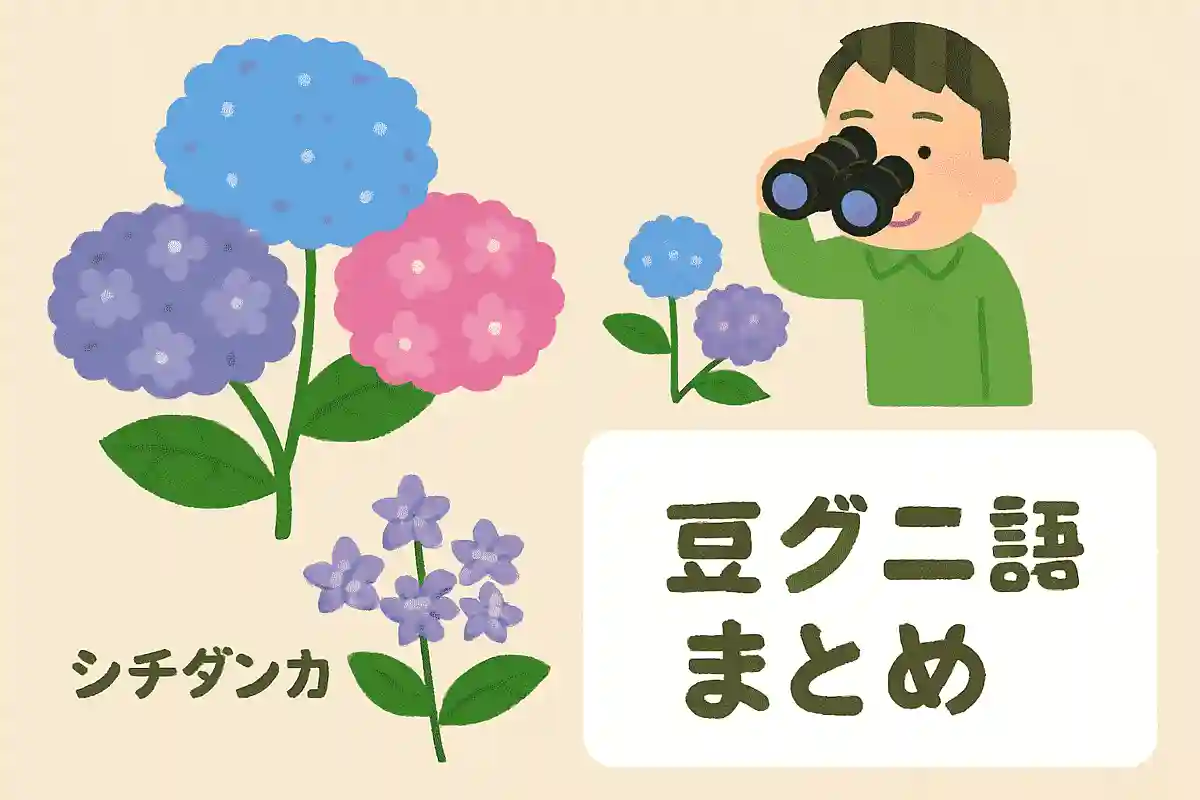
Among hydrangeas, there is even one considered a “phantom” variety.
It is regarded as a subspecies called Shichidanka (Hortensia serrata var.).
It is said to have appeared in the research of Siebold, who was a physician and naturalist.
Its sepals overlap in a star shape, and its leaves are ovate—making it a very rare type.
Because it had long gone undiscovered, it was deemed “phantom,” but it was found in 1959 on Mount Rokko in Hyogo Prefecture.
Today, it has been propagated and can reportedly be seen in various places.
“Spring Angel” is a hydrangea that blooms in winter.
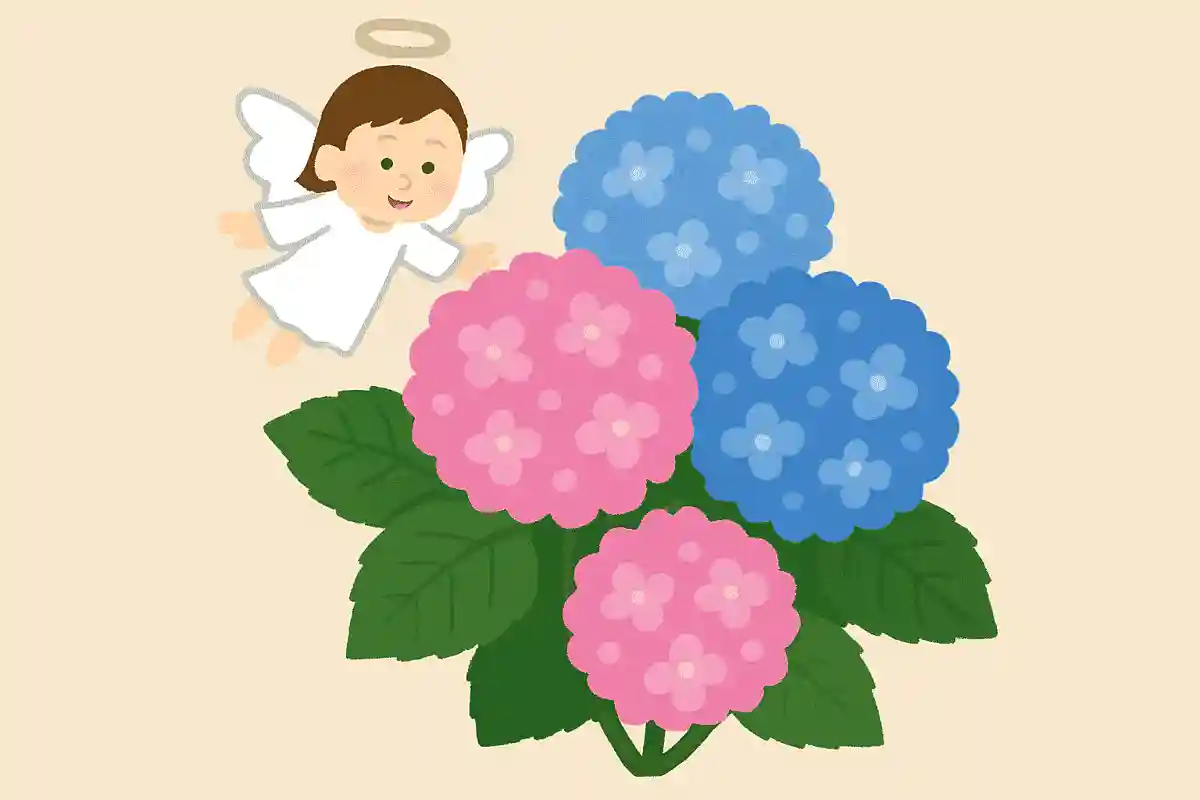
Most hydrangeas bloom during the rainy season, but the winter hydrangea ‘Spring Angel,’ developed at the Gunma Prefectural Agricultural Technology Center, astonishingly blooms from January to February.
Because mature seeds cannot be obtained through crossbreeding, it is reportedly propagated using biotechnology, and it can also be grown from cuttings.
It’s an evergreen type of hydrangea that doesn’t lose its leaves even in winter.
Since hydrangeas that bloom in winter are rare, if you’re a hydrangea lover, why not try growing one at least once?