

Nostalgic Japanese hit songs from the 1970s: the golden age of idols and kayōkyoku (Japanese pop songs)

What songs come to mind when you think of Japanese hit songs from the 1970s?
Those who lived through that era in real time probably recall a wide range of hits.
With the spread of color television, people began to enjoy music from a visual perspective as well.
The 1970s are often called the golden age of kayōkyoku and idols.
Even generations who weren’t yet born will find many familiar, approachable songs that make you think, “Hey, I’ve heard this before!”
Please enjoy these captivating hit songs from the 1970s!
- Classic and hit songs by nostalgic Japanese idols from the 1970s
- A collection of nostalgic hit songs and classics from the 70s
- [1970s] Collection of Japanese hit songs. Nostalgic masterpieces of Japan
- Debut song of a 1970s idol
- Popular Showa-era pop. Timeless hit songs.
- [Showa Kayō] A roundup of Japanese love songs that hit in the 1970s
- [Recommended for people in their 70s] Classic nostalgic hits: A collection of youth songs
- Great enka masterpieces and hit songs of the 1970s
- Heart-touching, tear-jerking masterpieces from the Showa era
- Evokes the charm of the good old days. Showa-era inspirational songs that are still loved today.
- Memorable Youth Songs: Looking Back on New Music Masterpieces from the 1970s–80s
- [2026 Edition] Songs Loved by People in Their 60s: Classic Hits from Their Youth
- [Winter Songs] Classic Showa-era masterpieces. Popular songs you’ll want to listen to in winter.
Nostalgic Japanese hit songs of the 1970s: The golden age of idols and kayōkyoku (61–70)
Lingering Snowiruka

Iruka’s biggest hit and practically her signature song—that’s “Nagori Yuki.” The song was written and composed by Shozo Ise and was originally included on the 1974 Kaguyahime album “Sankaidate no Uta.” Iruka covered it as a single in 1975, and it became a monster hit, selling a total of 800,000 copies.
The arrangement was handled by Masataka Matsutoya—husband of Yumi Matsutoya—who is also active as an arranger and producer.
In 2002, a film of the same name, inspired by the song, was released.
From its 1975 success to the present day, it remains a beloved classic of Japanese music.
Listening to OliviaAnri

A melody that gently envelops the lingering ache of a bittersweet romance, paired with refined musicianship, resonates deeply in the heart.
The lyrics, which carefully depict a woman healing her delicate emotions after a breakup while listening to Olivia Newton-John’s songs, have struck a chord with many.
With Anri’s clear, translucent vocals giving the piece a sophisticated, urban feel, it was released in November 1978 and included on the album “Anri.” In 2008, it was also featured as an insert song in the Nippon TV drama “Saito-san,” cementing its status as a timeless classic loved across generations.
This warm ballad offers comfort to those trying to recover from the pain of heartbreak and to anyone who has experienced parting with someone dear.
Red Elegyagata morio

A 1972 hit song.
It’s a lyrical piece, performed with backing by Hachimitsu Pie, inspired by Red Colored Elegy, which ran in the cult manga magazine Garo.
What left a strong impression on me was that, despite—or perhaps because of—the fact that both the manga and the song possessed a lyrical quality detached from their time, it became a massive hit.
Gather the Windhappiiendo

An iconic masterpiece of the 1970s was born.
Known as one of Happy End’s signature songs, this track gently sings of a yearning for freedom, set against the backdrop of a seaside suburb.
The soft tones of the acoustic guitar calmly envelop the listener.
Included on the album Kazemachi Roman, released in November 1971, it has continued to be loved across generations, even being used later in the film Lost in Translation.
This piece is recommended when you want a little peace of mind or are ready to take a new step forward.
It will surely give you a gentle push from behind.
Let’s get married.yoshida takurou
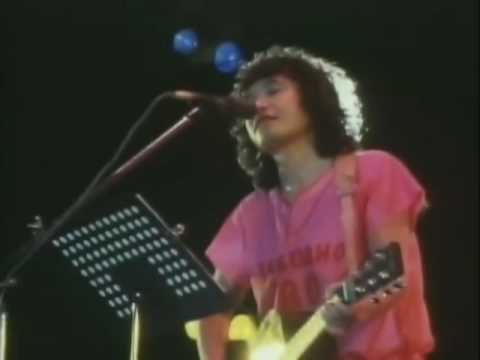
This song, included on the 1972 album “Empty World,” is a classic folk tune featuring Takuro Yoshida’s warm vocals and soothing acoustic guitar.
Its lyrics, centered on marriage, have captured many hearts and made it a staple at live performances.
The fresh, light rhythm evokes the arrival of gentle days for two people.
Reflecting a spirit of freedom and individualism, the lyrics had a significant impact on the youth culture and views on love of the time.
Cherished as a wedding standard as well, this is a heartwarming love song you’ll want to listen to with someone special.
If I can see you in my dreamsShiria Pōru

This song, which Rats & Star turned into a major hit in 1996, was a 1960s-style American girl pop number written and composed by Eiichi Ohtaki.
It was first sung on Minako Yoshida’s album Flapper, and then released as a single in 1977 performed by Celia Paul, becoming a smash hit.
To say goodbyebiriibanban

The number three spot on the 1972 singles chart was claimed by a folk duo called Billy BanBan.
The popularity of this kind of folk song comes around regularly in a cycle that doesn’t change no matter how the times do.
It has a freshness reminiscent of Yuzu in recent years.